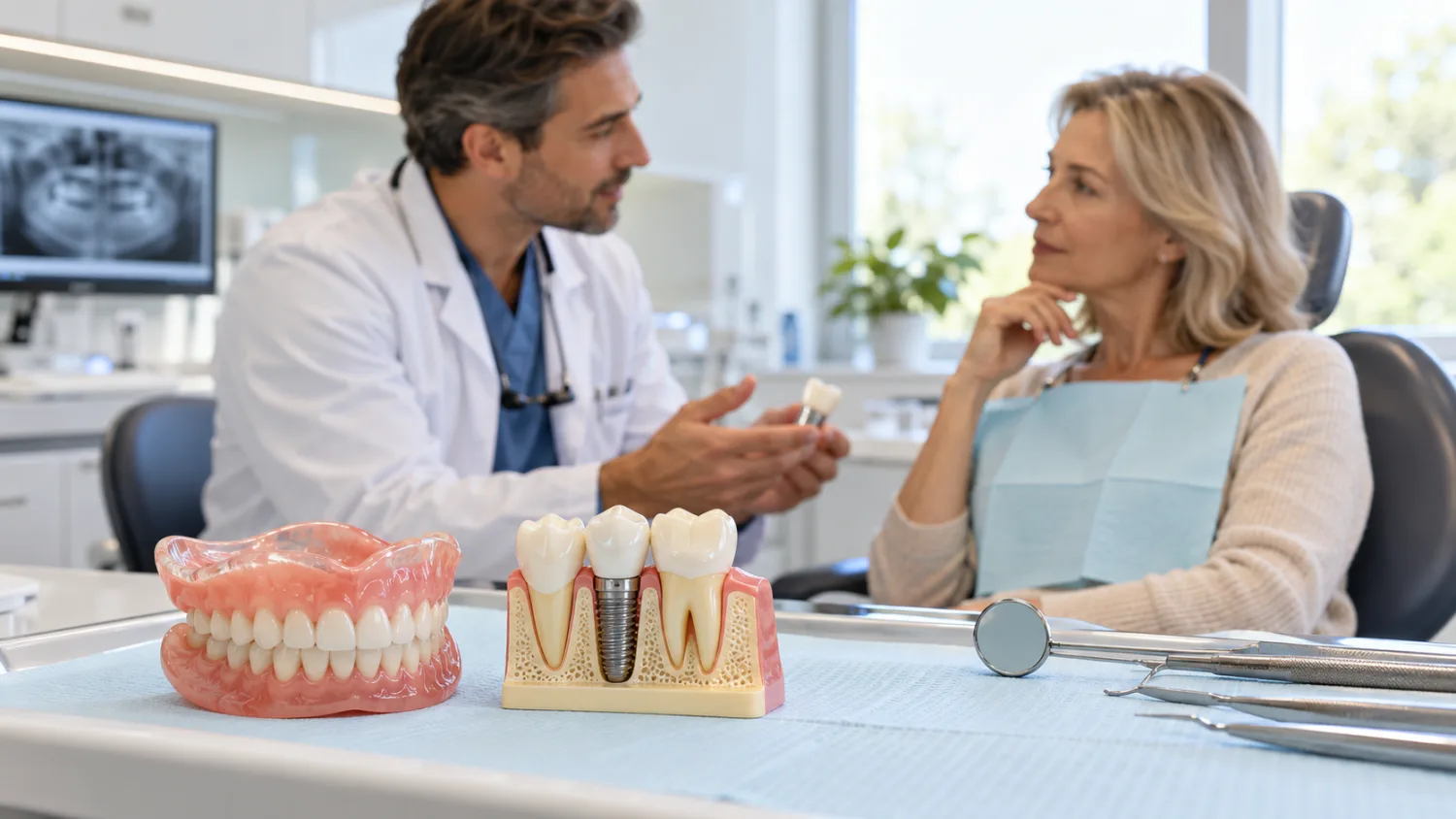
Sensitive teeth can turn ordinary things — cold water, hot tea, ice cream, sweet foods, brushing or even breathing in cold air — into a sharp, uncomfortable shock. For some people, it is a brief twinge that comes and goes. For others, it becomes a daily problem that changes what they eat, how they brush and whether they feel confident about their teeth.
Tooth sensitivity is common, but it should not be dismissed. Sometimes it is caused by exposed dentine, worn enamel or gum recession and can be managed with the right toothpaste and dental advice. But sensitivity can also be a sign of tooth decay, a cracked tooth, gum disease, a leaking filling or an infection. The key is working out whether the sensitivity is harmless irritation, a sign of early damage, or a warning that a tooth needs treatment.
This guide explains what sensitive teeth feel like, why they happen, what you can do at home, what dentists can do, and when sensitivity needs urgent attention.
If your sensitivity is linked with toothache, see our guide to toothache causes, relief and when to see a dentist. If you also have bleeding gums, gum recession or bad breath, read our guide to bleeding gums and gum disease. If you are worried about cavities, see tooth decay explained. To find local care, use our UK dentist directory or search dentists near me.
What are sensitive teeth?
Sensitive teeth usually cause a short, sharp pain or tingling sensation in response to a trigger. The trigger might be cold, heat, sweetness, acidity, brushing, flossing, mouthwash, dental cleaning or cold air. The pain often lasts seconds rather than minutes, although some people feel a lingering ache afterwards.
The classic form of sensitivity is called dentine hypersensitivity. It happens when dentine — the layer underneath enamel — becomes exposed. Dentine contains tiny channels called tubules, which lead towards the nerve inside the tooth. When dentine is exposed, triggers such as cold or sweet foods can stimulate the nerve more easily, causing that sudden zing of pain.
However, not all sensitivity is simple dentine hypersensitivity. A cavity, cracked tooth, inflamed nerve, gum infection or dental abscess can also cause sensitivity. That is why new, severe, one-sided or persistent sensitivity should be checked by a dentist rather than treated only with sensitive toothpaste.
What does tooth sensitivity feel like?
People describe sensitive teeth in different ways. Some say it feels like an electric shock. Others describe a sharp twinge, cold ache, stabbing sensation or sudden nerve pain. It may affect one tooth, several teeth, or a whole side of the mouth.
Common triggers include:
- cold drinks or ice;
- hot tea, coffee or soup;
- ice cream or cold desserts;
- sweet foods such as chocolate, biscuits or sweets;
- acidic foods and drinks such as citrus fruit, vinegar, fizzy drinks or fruit juice;
- brushing near the gumline;
- flossing or interdental brushing;
- using whitening products;
- breathing in cold air;
- dental scaling or professional cleaning.
The pattern of sensitivity matters. Brief sensitivity in several teeth after cold drinks may suggest exposed dentine or enamel wear. Sensitivity in one tooth, especially if it is new or getting worse, may suggest decay, a crack, a filling problem or nerve inflammation.
Why teeth become sensitive
Teeth are protected by enamel above the gumline and by cementum over the root surface below the gumline. Enamel is hard and has no nerves. Dentine is softer and more sensitive. When enamel wears away, gums recede, or the tooth surface is damaged, dentine can become exposed.
Once dentine is exposed, temperature changes, air movement and certain foods can reach the tubules and irritate the nerve. That is why sensitivity is often felt near the gumline or on teeth with worn edges, cracks, cavities or exposed roots.
Common causes of sensitive teeth
Gum recession
Gum recession happens when the gumline moves down or away from the tooth, exposing the root surface. Tooth roots are more sensitive than enamel-covered crowns because they are not protected in the same way. Recession can be caused by gum disease, brushing too hard, tooth position, grinding, ageing, smoking or previous dental treatment.
If your teeth look longer than they used to, or sensitivity is strongest near the gumline, gum recession may be involved. Receding gums can also be linked with gum disease, especially if there is bleeding, bad breath or loose teeth. See our guide to bleeding gums and gum disease for more detail.
Enamel wear and acid erosion
Enamel can gradually wear away or dissolve. Acid erosion happens when acids soften the enamel surface. Common sources include fizzy drinks, fruit juice, smoothies, citrus fruits, vinegar-based foods, sports drinks, energy drinks, reflux and frequent vomiting.
Acid erosion may make teeth look thinner, smoother, shinier, yellower or more translucent at the edges. It can also make them more sensitive. Brushing immediately after acidic food or drink can worsen wear because enamel may be temporarily softened. The Oral Health Foundation advises avoiding strongly acidic foods and drinks and waiting at least an hour after eating before brushing if sensitivity is an issue. Read the Oral Health Foundation advice on sensitive teeth.
Brushing too hard
Hard brushing can damage the gumline and contribute to recession and enamel wear. This is sometimes called toothbrush abrasion. People often brush harder when they are trying to be “extra clean”, but scrubbing is not the same as effective plaque removal.
A soft or medium toothbrush, gentle circular movements, and attention to the gumline are usually better than aggressive scrubbing. If you use an electric toothbrush, let the brush do the work and avoid pressing hard. A pressure sensor can help.
Tooth decay
A cavity can make a tooth sensitive, especially to sweet, cold or hot foods. Early decay may not hurt, but as it reaches dentine, sensitivity becomes more likely. If decay reaches the nerve, pain may become spontaneous, lingering or severe.
Signs that sensitivity may be due to decay include a visible dark spot or hole, food trapping, rough edges, bad taste, one specific sensitive tooth, pain with sweet foods, or pain that lingers after hot or cold drinks. For more detail, read tooth decay explained. The NHS also explains that tooth decay can cause toothache, sensitivity and visible holes or marks on teeth. See the NHS guide to tooth decay.
Cracked tooth
A cracked tooth can cause sharp sensitivity, especially when biting, chewing or releasing your bite. The crack may be too small to see in the mirror. Some cracks open slightly under pressure, irritating the nerve inside the tooth.
Clues include pain when biting on one tooth, sensitivity that comes and goes, pain with cold drinks, or discomfort after chewing hard foods. A cracked tooth should be assessed because cracks can worsen and may eventually lead to infection or tooth loss.
Worn, leaking or broken fillings
Old fillings can wear, crack or leak around the edges. When this happens, dentine may be exposed or decay may develop underneath. You may notice sensitivity, food trapping, a rough edge or pain when chewing.
Teeth grinding or clenching
Grinding and clenching can wear enamel, create tiny cracks, stress fillings and make teeth feel sore or sensitive. Many people grind at night without realising it. Morning jaw ache, headaches, worn tooth edges, clicking jaw joints and multiple sensitive teeth may be clues.
A dentist may recommend a custom night guard if grinding is contributing to sensitivity or tooth wear.
Gum disease
Gum disease can cause gum recession, exposed roots, bleeding gums, bad breath and tooth mobility. Sensitivity from gum disease often appears near the gumline or in teeth where the gum has pulled away. If gum disease becomes advanced, pockets can form around teeth and infection can develop.
Recent dental treatment
Teeth can be temporarily sensitive after fillings, crowns, whitening, scaling, deep cleaning or other dental treatment. Mild sensitivity after treatment often settles, but worsening pain, sensitivity that lasts for weeks, pain when biting, swelling, fever or a bad taste should be checked.
Teeth whitening
Whitening products can cause temporary sensitivity. This is usually short-lived, but it can be more uncomfortable if you already have gum recession, cracks, cavities, enamel wear or exposed dentine. Whitening should ideally be supervised by a dental professional, especially if you already have sensitive teeth.
Dry mouth
Dry mouth reduces the natural protection saliva gives your teeth. Saliva helps neutralise acids and wash away food particles. Dry mouth may increase the risk of decay, gum problems and sensitivity. It can be caused by dehydration, mouth breathing, smoking, alcohol, some medical conditions and many medicines.
Sensitive teeth or toothache: how to tell the difference
Sensitivity is usually triggered by something specific and tends to be brief. Toothache may be spontaneous, throbbing, lingering or severe. But the two can overlap. A tooth that starts with sensitivity may later develop toothache if decay, cracking or nerve inflammation progresses.
| Symptom pattern | More likely to be simple sensitivity | More concerning |
|---|---|---|
| Cold drinks | Sharp pain lasting seconds | Pain that lingers or throbs afterwards |
| Hot drinks | Mild brief discomfort | Lingering heat pain or night pain |
| Sweet foods | General brief sensitivity | Sharp pain in one tooth, possible cavity |
| Biting | Usually not the main trigger | Pain when biting or releasing bite may suggest crack, filling problem or abscess |
| Swelling or pus | Not typical | May suggest infection or abscess |
| Number of teeth | Often several teeth or areas | One specific tooth, especially if sudden or worsening |
The Oral Health Foundation advises seeing a dentist if sensitivity is severe, lasts more than a few weeks, affects only one tooth, or comes on suddenly, as these can be signs of tooth decay, a cracked tooth, gum problems or infection. See their sensitive teeth guidance.
What you can do at home for sensitive teeth
Home care can help many cases of sensitivity, especially when exposed dentine or mild enamel wear is the cause. But home care should not delay dental advice if symptoms are severe, sudden, one-sided, persistent or linked with swelling or toothache.
Use toothpaste for sensitive teeth
Toothpaste designed for sensitive teeth can help block the tiny channels in dentine or reduce nerve response. It usually needs consistent use for several weeks. Brush twice daily with it, and avoid rinsing your mouth heavily afterwards.
You can also rub a small amount of sensitive toothpaste directly onto the sensitive area before bed. Do not rinse it away. This can help keep the active ingredients in contact with the tooth surface for longer.
Use fluoride toothpaste
Fluoride helps strengthen enamel and reduce decay risk. The NHS advises brushing at least twice a day with fluoride toothpaste, spitting after brushing and not rinsing with water. NHS tooth decay prevention advice also recommends cleaning between teeth and having dental checks based on your dentist’s advice.
Brush gently, not aggressively
Use a soft or medium toothbrush and avoid scrubbing. If bristles splay quickly, you are probably pressing too hard. Aim the brush towards the gumline and use small controlled movements. If you use an electric toothbrush, hold it lightly and move slowly from tooth to tooth.
Clean between teeth carefully
Floss or interdental brushes are important, especially if sensitivity is linked to gum inflammation or food trapping. If interdental cleaning causes bleeding, that may be a sign of gum inflammation. Do not stop immediately, but use gentle technique and seek dental advice if bleeding continues.
Reduce acidic food and drink exposure
Frequent acidic drinks can worsen enamel erosion and sensitivity. Fizzy drinks, fruit juice, smoothies, sports drinks, energy drinks and citrus drinks can all be acidic. Try to limit frequency, avoid sipping them over long periods, and drink water afterwards.
Do not brush immediately after acidic food or drink. Waiting around an hour gives saliva time to neutralise acids and allows enamel to harden again.
Avoid frequent sugar
Sugar increases the risk of tooth decay, and decay can cause sensitivity. It is not only the amount of sugar that matters, but how often teeth are exposed. Frequent snacking or sipping sweet drinks keeps the mouth under repeated acid attack.
Do not overuse whitening products
If whitening products trigger sensitivity, stop using them and speak to a dentist. Whitening should not be used to mask underlying dental problems, and it may make exposed dentine or cracks more uncomfortable.
Ask about grinding if you wake with jaw pain
If you suspect grinding or clenching, mention it to your dentist. A custom night guard may protect teeth from wear and reduce sensitivity linked to tooth stress.
When to see a dentist for sensitive teeth
You should book a dental appointment if sensitivity is new, sudden, severe, worsening, affecting one specific tooth, lasting more than a few weeks, or not improving with sensitive toothpaste and better brushing technique.
See a dentist if you have:
- sensitivity in one tooth only;
- pain that lingers after hot or cold drinks;
- sensitivity with biting or chewing;
- a visible hole, dark mark or broken edge;
- a filling or crown that feels loose or rough;
- bleeding gums or gum recession;
- bad breath or a bad taste;
- sensitivity after an injury;
- sensitivity that wakes you at night;
- symptoms that last more than a few weeks.
If you do not currently have a dentist, you can search our dentist directory or use dentists near me.
When sensitivity may be urgent
Sensitive teeth are not usually an emergency, but urgent advice is needed if sensitivity is part of a more serious dental problem.
Seek urgent dental help if sensitivity comes with:
- severe toothache;
- facial, gum or jaw swelling;
- pus near a tooth or gum;
- fever or feeling generally unwell;
- pain that stops you sleeping;
- difficulty opening your mouth;
- difficulty swallowing;
- a broken tooth causing severe pain;
- rapidly worsening symptoms.
If you cannot access a dentist and need urgent dental advice, use NHS 111 online or call 111. Go to A&E or call 999 if swelling affects breathing, swallowing or speaking, spreads to the neck or eye area, or you feel seriously unwell.
How dentists treat sensitive teeth
A dentist will first try to find the cause. This may involve examining the teeth and gums, checking for recession, looking for cracks or cavities, testing the bite, checking fillings and crowns, and taking X-rays if needed.
Desensitising treatments
A dentist may apply desensitising agents, fluoride varnish or other protective treatments to sensitive areas. The Oral Health Foundation notes that dentists may apply desensitising treatment, recommend high-fluoride toothpaste, place fillings over worn areas near the gumline, or treat gum disease and other causes. Read more about sensitive teeth treatment options.
High-fluoride toothpaste
If you are at higher risk of decay or sensitivity, your dentist may prescribe high-fluoride toothpaste. This is stronger than standard toothpaste and should be used exactly as advised.
Fillings or bonding near the gumline
If sensitivity is caused by exposed dentine, worn areas or small defects near the gumline, a dentist may cover the area with a filling or bonding material. This can reduce sensitivity and protect the tooth surface.
Treating tooth decay
If decay is causing sensitivity, the tooth may need a filling. If decay has reached the pulp, root canal treatment or extraction may be needed. Early treatment is usually simpler than waiting for pain to become severe.
Repairing cracks or broken fillings
A cracked tooth, leaking filling or broken restoration may need repair, replacement, a crown, root canal treatment or extraction depending on severity. Sensitivity caused by a crack often does not resolve with toothpaste alone.
Treating gum disease
If gum disease is causing recession or exposed roots, treatment may include professional cleaning, deep cleaning, home-care instruction and ongoing maintenance. Treating gum inflammation can reduce bleeding, improve comfort and help prevent further recession.
Mouthguard for grinding
If grinding is causing enamel wear, cracks or tooth stress, a custom mouthguard may protect teeth at night. It does not reverse wear that has already happened, but it can reduce further damage.
Sensitive teeth after whitening
Temporary sensitivity is a common side effect of tooth whitening. It may feel like sharp zaps or cold sensitivity in several teeth. It often improves after whitening stops, but you should tell your dentist if it is severe or persistent.
Do not continue whitening through significant pain. Sensitivity may be worse if you have untreated cavities, cracks, gum recession or enamel erosion. A dental check before whitening is sensible, especially if you already have sensitive teeth.
Sensitive teeth after a filling
Mild sensitivity after a filling can happen and may settle over days or weeks. The tooth has been treated, and the nerve may need time to calm down. However, you should contact the dentist if pain is worsening, the bite feels too high, you have pain when chewing, sensitivity is severe, or symptoms do not improve.
A high filling can make a tooth sore because it takes too much pressure when biting. This is often simple for a dentist to adjust.
Sensitive teeth after dental cleaning
Professional cleaning can temporarily make teeth feel more sensitive, especially if tartar was covering exposed root surfaces. Once tartar is removed, the exposed areas may feel more noticeable for a short time. Sensitive toothpaste and fluoride advice may help.
If sensitivity is severe, one-sided, or does not settle, ask your dentist or hygienist to check for other causes.
Sensitive teeth in children
Children can have sensitive teeth too, but they may describe it as toothache, “cold hurts”, not wanting to brush, or avoiding certain foods. Causes include cavities, enamel defects, newly erupted teeth, cracks, gum irritation or brushing difficulties.
Do not assume a child’s sensitivity is harmless. Children’s tooth decay can progress quickly, and baby teeth still matter. Book a dentist appointment if your child complains of sensitivity, avoids eating on one side, has visible marks or holes, wakes with dental pain, or has swelling or fever.
Sensitive teeth during pregnancy
Pregnancy can make gums more prone to swelling and bleeding, and sickness or reflux can expose teeth to stomach acid, increasing sensitivity. Dental care is important during pregnancy. Tell the dentist you are pregnant so they can advise on safe treatment and pain relief.
In the UK, NHS dental care is free during pregnancy and for 12 months after your baby is born if you have a valid maternity exemption certificate.
Can sensitive teeth be cured?
Sometimes, yes. If sensitivity is caused by a temporary irritation, recent whitening, mild exposed dentine or brushing technique, it may improve significantly with the right toothpaste, fluoride, diet changes and gentler brushing.
If sensitivity is caused by gum recession, the exposed root may remain vulnerable, but symptoms can often be managed. If sensitivity is caused by decay, cracks, infection or damaged dental work, it usually will not fully resolve until the underlying problem is treated.
How to prevent sensitive teeth
Prevention focuses on protecting enamel, preventing gum recession, reducing decay risk and avoiding unnecessary tooth wear.
- Brush twice daily with fluoride toothpaste.
- Spit after brushing rather than rinsing heavily with water.
- Use a gentle brushing technique and avoid scrubbing.
- Clean between teeth daily.
- Limit frequent acidic drinks such as fizzy drinks, juice and sports drinks.
- Do not brush immediately after acidic food or drink.
- Reduce frequent sugar exposure.
- Seek advice for reflux, vomiting or dry mouth.
- Ask about a night guard if you grind or clench.
- Book dental checks based on your risk.
NICE guidance supports personalised dental recall intervals, meaning your dentist should advise how often you need check-ups based on your risk rather than a single fixed schedule for everyone. See NICE dental recall guidance.
Frequently asked questions about sensitive teeth
Why are my teeth suddenly sensitive?
Sudden sensitivity can be caused by a cracked tooth, cavity, gum recession, recent dental treatment, whitening, acid erosion, grinding or a damaged filling. If it affects one tooth, is severe, or does not settle, book a dental appointment.
Can sensitive teeth mean a cavity?
Yes. Sensitivity to sweet, cold or hot foods can be a sign of tooth decay, especially if it affects one tooth or comes with a visible hole, dark mark or food trapping. A dentist can check whether a cavity is present.
What is the best toothpaste for sensitive teeth?
There are several types of sensitive toothpaste. The best choice depends on the cause of your sensitivity and whether you also have decay risk, gum recession or enamel erosion. Use it twice daily for several weeks and ask a dentist or pharmacist if you are unsure.
How long does sensitive toothpaste take to work?
It often takes regular use over several weeks to notice a clear improvement. Some people feel relief sooner, but sensitivity that is severe, sudden, one-sided or persistent should be checked rather than managed with toothpaste alone.
Should I rinse after using sensitive toothpaste?
It is usually better to spit out excess toothpaste and avoid rinsing heavily with water. This leaves fluoride and desensitising ingredients on the teeth for longer.
Can gums growing back fix sensitivity?
Receded gums usually do not simply grow back. However, sensitivity from gum recession can often be managed with sensitive toothpaste, fluoride, bonding, improved cleaning technique and gum disease treatment where needed. Some cases may need specialist gum treatment.
Can teeth grinding cause sensitivity?
Yes. Grinding or clenching can wear enamel, cause tiny cracks, strain the tooth ligament and make teeth sensitive. Morning jaw ache, headaches and worn tooth edges are common clues.
Why do my teeth hurt with cold water?
Cold sensitivity may be due to exposed dentine, gum recession, enamel wear, tooth decay, a crack or a recent filling. Brief sensitivity in several teeth may be less concerning than lingering pain in one tooth.
Why do my teeth hurt with hot drinks?
Heat sensitivity can sometimes suggest deeper nerve irritation, especially if the pain lingers. If one tooth hurts with hot drinks or pain wakes you at night, see a dentist promptly.
Can mouthwash help sensitive teeth?
Some fluoride mouthwashes may help support enamel, but mouthwash is not a cure for sensitivity. Avoid very strong or alcohol-based mouthwashes if they sting or worsen symptoms. Use fluoride mouthwash at a different time from brushing so you do not rinse away toothpaste fluoride.
Are sensitive teeth an emergency?
Usually not, but sensitivity needs urgent advice if it comes with severe toothache, swelling, pus, fever, difficulty opening the mouth, difficulty swallowing or feeling unwell. These symptoms may suggest infection.
The bottom line
Sensitive teeth are often caused by exposed dentine, enamel wear or gum recession, but they can also signal tooth decay, cracks, damaged fillings, gum disease or infection. The pattern matters. Brief sensitivity in several teeth may be manageable with sensitive toothpaste and prevention advice. Sudden, severe, one-sided or lingering sensitivity needs a dentist.
Brush gently with fluoride toothpaste, use sensitive toothpaste consistently, clean between teeth, reduce acidic and sugary exposures, and avoid brushing immediately after acidic food or drink. Book dental advice if symptoms last more than a few weeks, affect one tooth, worsen, or come with pain, bleeding gums, swelling or a bad taste.
To find local dental care, use our UK dentist directory or search dentists near me. For related dental symptoms, see our guides to toothache, tooth decay, dental abscesses and bleeding gums and gum disease.
This article is for general information only and is not a substitute for professional dental or medical advice. If you have severe pain, swelling, fever, pus, difficulty swallowing or breathing, or you feel very unwell, seek urgent help.