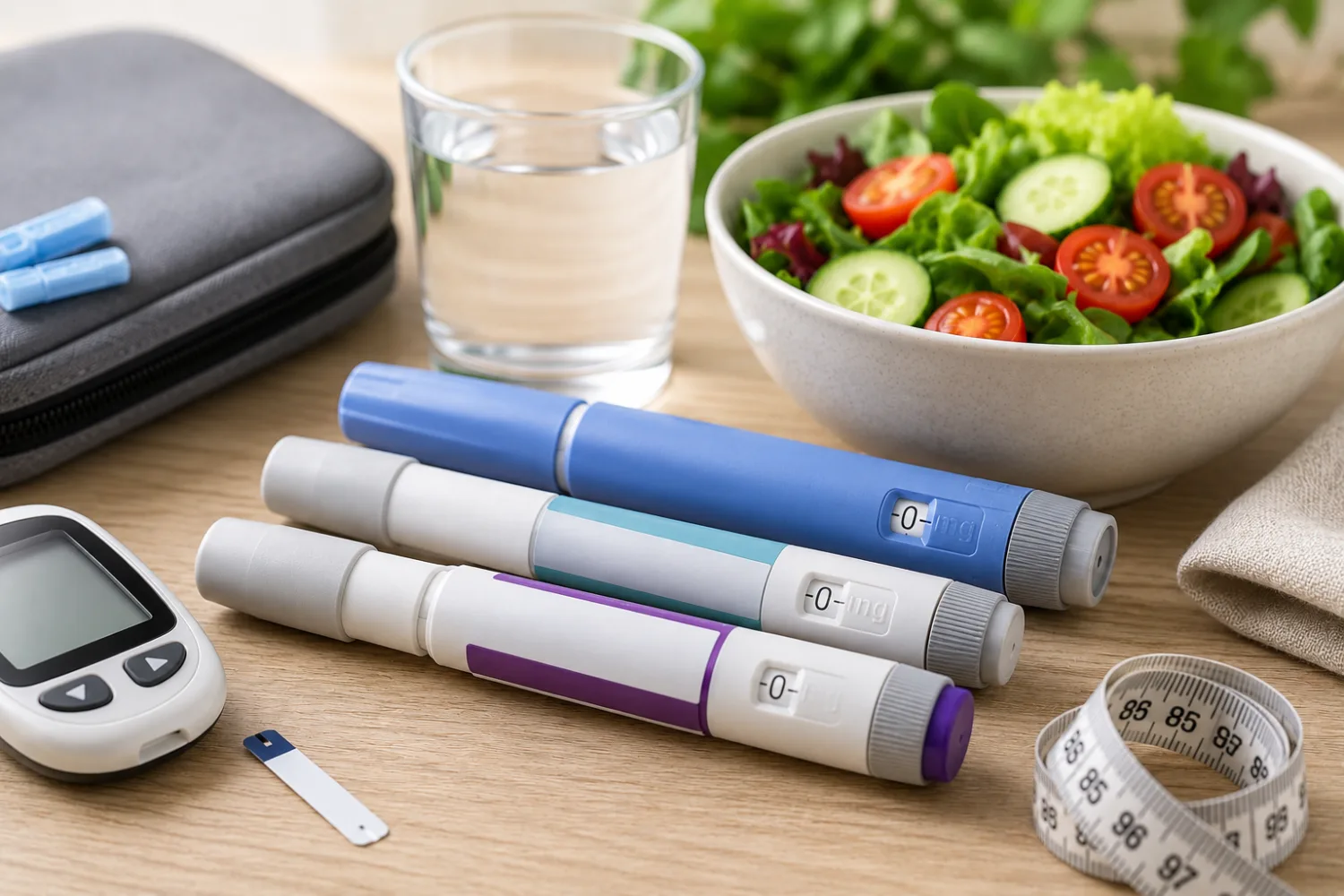
Online weight loss clinics have become one of the fastest ways to access prescription weight loss treatment in the UK. For some people, they offer convenience, privacy and faster access than waiting for NHS weight management services. For others, they can be confusing, expensive or risky if the provider is not properly regulated.
This is especially true now that medicines such as Mounjaro, Wegovy, Ozempic-style treatments and newer GLP-1 options are widely discussed online. Many legitimate providers offer safe, regulated prescribing. But the popularity of weight loss injections has also created a market for poor-quality services, misleading advertising, fake pens, inappropriate prescribing and sellers who should not be supplying prescription medicines at all.
So the real question is not simply “which online weight loss clinic is cheapest?” A better question is: is this clinic safe, regulated, transparent and suitable for my health?
This guide explains what to check before paying for an online weight loss clinic in the UK, how to spot red flags, what a good consultation should include, how pricing works, and when online treatment may not be the right route.
If you are comparing treatment costs, start with our guide to how much weight loss injections cost in the UK. If you are worried about fake or unsafe sellers, read Are Online Weight Loss Jabs Safe?.
Quick answer: what makes an online weight loss clinic safe?
A safe online weight loss clinic should do more than sell medication. It should assess whether treatment is appropriate, prescribe responsibly, supply genuine medicine, explain risks, provide follow-up, and give you a clear way to ask for help if side effects occur.
Before paying, check whether the provider:
- is a registered UK pharmacy, regulated clinic or properly registered online doctor service;
- requires a real medical assessment before prescribing;
- checks your BMI, health conditions, medicines, pregnancy status and treatment history;
- asks about diabetes, pancreatitis, gallbladder disease, kidney disease and eating disorder history;
- explains side effects, serious red flags and when to seek help;
- has transparent pricing by dose, including consultation, delivery and follow-up costs;
- does not promise unrealistic results;
- does not advertise prescription-only medicines in a way that feels like ordinary shopping;
- provides regulated UK medicine, not suspicious “generic”, “compounded” or social-media-supplied products;
- offers follow-up reviews before dose increases.
The best online weight loss clinic for one person may not be the best for another. A person with type 2 diabetes, kidney disease or several medicines needs a different level of clinical review from someone with fewer medical risks. The safest clinic is the one that takes your individual situation seriously.
Online clinic, online pharmacy or private GP: what is the difference?
People often use the phrase “online weight loss clinic” to describe several different services. They can look similar from the outside, but the model behind them may differ.
An online pharmacy may supply prescription-only weight loss medicines after a pharmacist or prescriber reviews an online questionnaire. Some have strong clinical processes and clear follow-up. Others may be more transactional, so it is important to check how assessment and support actually work.
An online doctor service may involve a doctor or prescribing clinician reviewing your medical history and issuing a private prescription if appropriate. Some are connected to pharmacies that dispense the medicine.
A private GP or private weight loss clinic may offer more detailed appointments, blood tests, body measurements, side-effect reviews, nutrition advice or medical monitoring. This may cost more, but it can be safer for people with complex health needs.
A specialist medical weight management service may include doctors, nurses, pharmacists, dietitians, psychologists or health coaches. These services may be more expensive, but they can be helpful if weight is linked to diabetes, PCOS, sleep apnoea, binge eating, menopause, mobility problems or previous weight-loss-surgery history.
The right option depends on your risk level. If you are generally well and meet criteria, a regulated online pharmacy may be enough. If you have diabetes, abnormal blood tests, severe side effects, a history of eating disorders, pregnancy plans or multiple medications, a more clinician-led service may be safer.
If you are not sure whether medication is the right option, see Weight Loss Injections in the UK and Can You Get Weight Loss Treatment on the NHS?.
Check registration before you trust the website
A professional-looking website is not proof that a provider is safe. Before paying, check whether the service is regulated and whether the registration details match the business you are using.
For pharmacies, you can search the General Pharmaceutical Council pharmacy register. A legitimate online pharmacy should clearly show its pharmacy name, registration number and contact details. Do not rely only on a badge or logo on the website; search the register yourself.
The GPhC also has patient guidance about weight loss medications and pharmacy services, explaining that weight management medicines should be supplied safely and appropriately alongside dietary and lifestyle changes. You can read it here: GPhC: Weight loss medications FAQ.
For healthcare clinics in England, check the Care Quality Commission. CQC registration may be relevant where the service provides regulated clinical activities, including some services treating obesity or operating slimming clinics. The CQC explains the scope of slimming clinic regulation here: CQC: Services in slimming clinics.
Scotland, Wales and Northern Ireland have their own healthcare regulators, so check the relevant regulator if the service is based outside England.
Be cautious if:
- you cannot find the pharmacy or clinic on the relevant register;
- the website hides its business name or address;
- registration details belong to a different company;
- the seller only communicates by WhatsApp, Instagram, Telegram or Facebook;
- the provider says no prescription is needed;
- the website has no clear clinical team, complaints process or contact route.
What a good online consultation should ask
A safe online consultation should feel like a medical assessment, not a quick checkout form. It does not always need to be face-to-face, but it should ask enough questions to decide whether treatment is appropriate.
A good consultation should usually ask about:
- height, weight and BMI;
- waist measurement or weight-related health risks, if relevant;
- medical conditions such as diabetes, high blood pressure, sleep apnoea, kidney disease or liver disease;
- current medicines, including insulin, sulfonylureas, blood pressure tablets, diuretics, levothyroxine and contraception;
- previous weight loss medicines or surgery;
- history of pancreatitis or gallbladder disease;
- digestive problems, severe reflux or bowel conditions;
- pregnancy, breastfeeding or plans to conceive;
- history of eating disorders, binge eating, purging or extreme restriction;
- mental health history where relevant;
- allergies and previous side effects;
- recent blood tests or health checks if needed.
It should also explain what happens next. Will a prescriber review your answers? Can they reject the request? How do they verify your identity or BMI? Do they inform your GP, with consent? What happens if you develop side effects?
NICE provides implementation resources for prescribing medicines for overweight and obesity, including initial assessment, counselling and follow-up checklists for tirzepatide. While private providers may design their own processes, the principle is important: prescribing should include assessment, counselling and monitoring, not just medicine supply. You can view NICE resources here: NICE: tirzepatide resources.
If you have not had recent tests, see What Blood Tests Should You Have Before Weight Loss Injections?.
What medicines should a clinic offer, and what should worry you?
UK online weight loss clinics may offer prescription medicines such as Mounjaro, Wegovy or other licensed treatments when clinically suitable. Some may also offer oral options, private GP support, dietitian support or weight management programmes.
A responsible provider should explain the difference between medicines rather than pushing one product for everyone. For example, Mounjaro contains tirzepatide, while Wegovy contains semaglutide. They are not identical. Ozempic contains semaglutide but is licensed for type 2 diabetes, not specifically as the main weight management version; Wegovy is the semaglutide brand licensed for weight management.
Be cautious if a clinic:
- calls Ozempic, Wegovy and Mounjaro interchangeable;
- promises a specific amount of weight loss;
- encourages higher doses without checking side effects;
- offers “generic Mounjaro” or “generic Wegovy” from unclear sources;
- uses phrases such as “research peptides” for weight loss treatment;
- supplies unlabelled pens, vials or syringes;
- sells prescription-only medicines without a prescription;
- suggests the medicine is suitable for cosmetic weight loss.
The MHRA states that GLP-1 medicines are licensed for specific medical disorders and should not be used simply for aesthetic or cosmetic weight loss. The MHRA has also warned the public not to buy prescription-only weight loss medicines without a prescription or from illegal online sellers. Read the official MHRA advice here: GLP-1 medicines for weight loss and diabetes: what you need to know.
For a treatment comparison, see Mounjaro vs Wegovy: Which Weight Loss Injection Is Better? and Wegovy Tablets in the UK.
Compare the real cost, not just the headline price
Many online clinics advertise a low starting price. That can be useful, but it may not show what you will actually pay over several months.
When comparing providers, check:
- the price for each dose, not just the starter dose;
- whether consultation is included;
- whether prescription review is included;
- whether delivery is included;
- whether cold-chain delivery is used for injections where required;
- whether follow-up support is included;
- whether dose reviews cost extra;
- whether blood tests are required and who pays for them;
- whether the clinic offers dietitian or coaching support;
- cancellation, refund and out-of-stock policies.
Starter doses can be cheaper than maintenance doses. A provider may look cheap in month one but become expensive after dose escalation. Mounjaro and Wegovy prices can also vary significantly by dose and provider.
It is also worth asking what happens if you cannot tolerate the medicine. Can you pause? Can you stay on a lower dose? What happens if you have side effects and need advice before the next order? A cheap service may become poor value if you are left without support when symptoms appear.
For detailed pricing, read How Much Do Weight Loss Injections Cost in the UK?.
Safety support: what should happen after you start?
A good online weight loss clinic should not disappear after payment. Follow-up matters because side effects are common, dose changes need review, and your health may change as you lose weight.
Before paying, check whether the clinic offers:
- clear dose escalation guidance;
- a way to report nausea, vomiting, constipation, diarrhoea or abdominal pain;
- advice on when to delay dose increases;
- support if you cannot eat or drink enough;
- guidance for missed doses;
- medication review if you take diabetes or blood pressure medicines;
- pregnancy and contraception advice;
- signposting for urgent symptoms;
- review before repeat prescriptions;
- advice on nutrition, protein, fibre, hydration and maintenance.
This is not just customer service. It is clinical safety. Mounjaro and Wegovy can cause side effects, and some symptoms need urgent medical advice. People with diabetes, kidney disease, gallbladder history, pregnancy plans or complex medication lists need extra care.
If your provider increases the dose automatically every month without asking how you are tolerating treatment, that is a concern. Dose escalation should not feel like a subscription upgrade.
Useful related guides include Mounjaro Side Effects: What’s Normal, What’s Serious and When to Get Help, What to Eat on Mounjaro or Wegovy, and How to Keep Weight Off After Losing It.
Red flags: when not to pay
Some red flags are obvious. Others are subtle. If something feels too easy, too cheap or too sales-focused, pause before paying.
Do not pay if the provider:
- sells weight loss injections without a prescription;
- does not ask for your BMI or medical history;
- does not ask about pregnancy or breastfeeding;
- does not ask about diabetes medicines;
- does not ask about pancreatitis or gallbladder disease;
- uses social media direct messages as the main sales route;
- offers unlabelled pens, vials or “kits”;
- offers suspiciously cheap medicines compared with regulated providers;
- advertises prescription-only medicines like beauty products;
- pressures you to buy quickly because stock is “running out”;
- has no clear complaints process;
- cannot be found on pharmacy or healthcare registers;
- makes guaranteed weight loss claims;
- says side effects are impossible or always mild;
- encourages treatment for cosmetic weight loss when you do not meet medical criteria.
The MHRA has warned that illegally sold weight loss medicines may be fake, contaminated, incorrectly dosed or unsafe. A fake pen or tablet is not just a waste of money; it can be dangerous.
Be especially careful with sellers on Instagram, TikTok, Facebook groups, WhatsApp, Telegram or unofficial websites. A real clinic or pharmacy should not need to hide who they are.
Who should be extra careful with online treatment?
Online treatment is not automatically unsuitable for people with health conditions, but some people need more careful assessment than a quick questionnaire can provide.
Be extra cautious if you:
- have type 1 diabetes or type 2 diabetes;
- take insulin or sulfonylureas;
- have kidney disease or reduced eGFR;
- have liver disease or abnormal liver tests;
- have gallstones or previous pancreatitis;
- have severe reflux, gastroparesis or significant digestive disease;
- are pregnant, breastfeeding or trying to conceive;
- use oral contraception and have vomiting or diarrhoea;
- have a current or past eating disorder;
- have severe depression, self-harm risk or unstable mental health;
- have had weight loss surgery;
- are older with several long-term conditions;
- take multiple regular medicines.
In these situations, it may be safer to involve your GP, diabetes team, private GP, specialist clinic or dietitian. Online prescribing may still be possible, but it should not happen without proper review.
If diabetes is part of the picture, read Weight Loss Injections and Diabetes: What’s the Link? and Can Type 2 Diabetes Be Reversed Through Weight Loss?.
What the best online clinics should help you do beyond medication
The best online weight loss clinics should not treat medication as the whole plan. Mounjaro, Wegovy and similar treatments can reduce appetite, but long-term results depend on what happens around the medicine.
A good service should help you think about:
- protein intake to reduce muscle loss risk;
- fibre and fluid intake to reduce constipation;
- meal planning when appetite is low;
- blood sugar safety if you have diabetes;
- side-effect management;
- physical activity and strength training where suitable;
- sleep and sleep apnoea risk;
- emotional eating and binge eating patterns;
- what happens when you stop treatment;
- long-term weight maintenance.
If a clinic only talks about quick weight loss, it is missing the bigger issue. People need to know how to eat enough, how to avoid dehydration, how to protect muscle, how to manage social eating, and how to prevent weight regain if treatment stops.
This is also where dietitians, health coaches and behavioural support can be useful. Not everyone needs a full programme, but many people benefit from more than a monthly pen delivery.
For practical support, see What to Eat on Mounjaro or Wegovy, How Weight Loss Really Works, Emotional Eating, Stress and Weight Gain, and Sleep, Snoring, Sleep Apnoea and Weight.
FAQ
Are online weight loss clinics legal in the UK?
Yes, online weight loss clinics can operate legally in the UK if they are properly regulated and prescribe responsibly. The medicine should be supplied by a registered pharmacy or regulated service after an appropriate medical assessment.
Can I get Mounjaro or Wegovy online in the UK?
Yes, some regulated online providers can prescribe and supply Mounjaro or Wegovy privately if you meet suitability criteria. You should expect a medical questionnaire or consultation, eligibility checks and safety advice before treatment is approved.
How do I check if an online pharmacy is genuine?
Search the pharmacy on the General Pharmaceutical Council register. Do not rely only on a logo displayed on the website. Check that the registration details match the business and website you are using.
Should an online clinic ask for my BMI?
Yes. BMI and weight-related health conditions are central to deciding whether weight loss medicine is appropriate. A provider that does not ask for height, weight or medical history should be avoided.
Is the cheapest online weight loss clinic safe?
Not necessarily. Some regulated providers offer competitive prices, but very cheap medicines from unverified sellers may be fake or unsafe. Compare the full service, including assessment, delivery, follow-up and dose reviews, not just the headline price.
Can I buy weight loss injections without a prescription?
No. GLP-1 weight loss medicines are prescription-only in the UK. Avoid any seller offering Mounjaro, Wegovy, Ozempic-style medicines or similar products without a prescription.
Should an online provider tell my GP?
Many reputable providers ask for consent to inform your GP, especially if you have medical conditions or take other medicines. Sharing information can improve safety, but the exact process varies by provider.
Do I need blood tests before using an online weight loss clinic?
Not everyone needs blood tests, but they may be recommended if you have diabetes risk, kidney disease, liver concerns, thyroid symptoms, fatigue, high cholesterol, PCOS or complex medical history. A good provider should advise based on your answers.
What side-effect support should an online clinic offer?
The clinic should tell you what side effects are common, what red flags need urgent help, and how to contact them before your next dose or order. They should review symptoms before dose increases.
Are social media sellers safe?
No. Avoid buying prescription weight loss medicines from social media, WhatsApp, Telegram, gyms, beauty salons or informal sellers. These products may be fake, unsafe or illegally supplied.
Can online clinics prescribe if I have type 2 diabetes?
Some may, but diabetes needs careful review, especially if you take insulin or sulfonylureas. Your diabetes team or GP may need to be involved because appetite changes and weight loss can affect blood sugar and medication needs.
What should I check before paying?
Check registration, medical assessment quality, dose pricing, delivery fees, follow-up support, side-effect guidance, refund policy, complaints process and whether the provider can be contacted easily if you become unwell.
Are online clinics better than the NHS?
They are not “better”; they are different. Online private clinics may be faster and more convenient, but NHS care may be more integrated for people with complex health needs. NHS access to weight loss medicines is limited and based on eligibility and local pathways.
Can an online clinic refuse to prescribe?
Yes. In fact, a responsible provider should refuse or delay prescribing if treatment is not suitable, if more information is needed, or if symptoms, pregnancy risk, medical history or medicines make treatment unsafe.
What if I already bought from an unsafe seller?
Do not use medicine if you are unsure where it came from, if packaging looks suspicious, or if it was supplied without prescription. Speak to a pharmacist, GP or NHS 111 for advice. You can report suspected fake or unsafe medicines to the MHRA Yellow Card scheme.