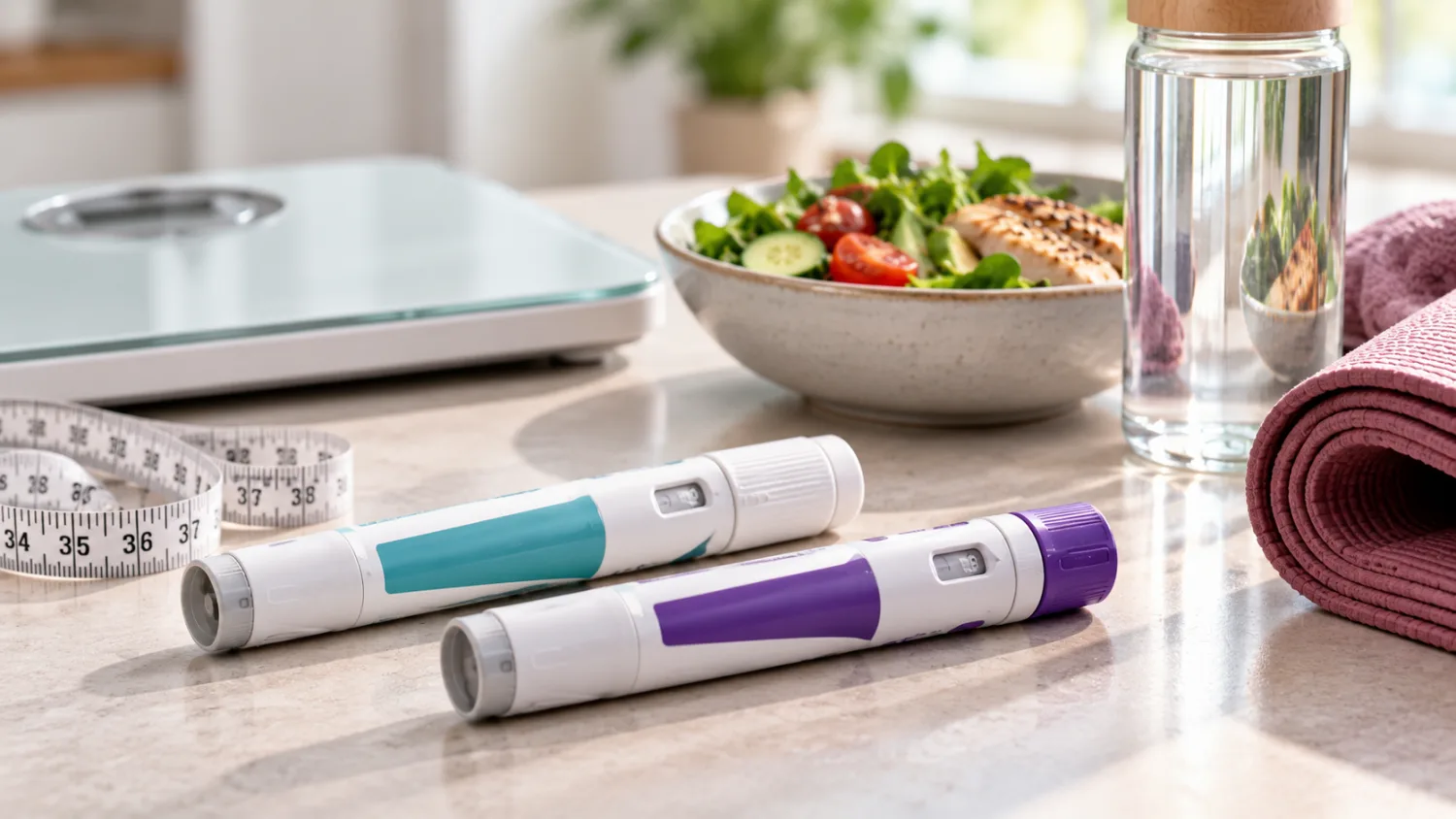
Type 2 diabetes used to be described as a lifelong condition that could be controlled but not changed. Today, the conversation is more hopeful — but it also needs to be accurate. Some people with type 2 diabetes can bring their blood sugar back below the diabetes range through significant weight loss. This is usually called type 2 diabetes remission, rather than a cure.
Remission means blood glucose has improved enough that diabetes is no longer in the diabetes range, without the need for glucose-lowering medication. It does not mean diabetes has disappeared forever. Blood sugar can rise again, especially if weight is regained or if insulin-producing cells become weaker over time.
For people who have recently been diagnosed with type 2 diabetes and are living with overweight or obesity, weight loss can be one of the most powerful treatments available. But not everyone can achieve remission, and not everyone should attempt rapid weight loss without medical support.
This guide explains how weight loss can improve type 2 diabetes, what “reversal” really means, who is most likely to benefit, what methods may help, and why you should not stop medication such as metformin without speaking to your GP or diabetes team.
For more on diabetes medicines, read Metformin Explained: How It Works and Side Effects. For a broader overview of diabetes, see Diabetes Explained: Symptoms, Types, Tests and Treatment in the UK.
What does “reversing” type 2 diabetes actually mean?
When people say type 2 diabetes has been “reversed”, they usually mean the person has achieved remission. This is a more accurate word because it avoids giving the impression that diabetes has been permanently cured.
Diabetes UK defines type 2 diabetes remission as blood sugar levels falling below the diabetes range and staying there for at least three months without glucose-lowering medication. In medical terms, this usually means an HbA1c below 48 mmol/mol, or 6.5%, without diabetes medication.
This is an important distinction. A person in remission may no longer need diabetes tablets or injections for blood glucose control, but they still need ongoing monitoring. HbA1c should be checked regularly, and eye screening, kidney checks, blood pressure reviews and cholesterol assessment may still be needed depending on their history and clinical advice.
Remission is not failure-proof. Type 2 diabetes can return if blood glucose rises again. The goal is not just to lose weight once, but to maintain the changes that helped blood sugar improve.
Why weight loss can improve type 2 diabetes
Type 2 diabetes is closely linked with insulin resistance. This means the body still makes insulin, especially in the earlier stages, but the cells do not respond to it as well as they should. The pancreas has to work harder to keep blood glucose controlled. Over time, it may struggle to keep up.
Weight loss can improve insulin resistance. It can also reduce fat stored around the liver and pancreas. This matters because excess fat in these organs can interfere with glucose control and insulin production.
When weight loss is significant enough, some people’s blood glucose falls back below the diabetes range. This can happen before someone reaches a “normal” BMI. For some people, losing a meaningful amount of weight is more important than reaching a specific chart-based target.
Weight loss can also improve other health markers that matter in diabetes, including:
- blood pressure
- cholesterol and triglycerides
- fatty liver risk
- sleep apnoea symptoms
- joint pain and mobility
- cardiovascular risk
This is why diabetes remission is not only about HbA1c. The wider benefits of weight loss can also reduce the risk of heart attack, stroke, kidney disease and other long-term complications.
For more on related risk factors, see Cardiovascular Risk Explained, High Blood Pressure: Symptoms, Causes and Treatment and High Cholesterol: Causes and Treatment.
Who is most likely to achieve remission?
Remission is more likely for some people than others. The strongest chance is usually in people who are diagnosed with type 2 diabetes more recently and who can lose a significant amount of weight safely.
Remission may be more likely if:
- type 2 diabetes was diagnosed relatively recently
- you are living with overweight or obesity
- you can lose and maintain a meaningful amount of weight
- your pancreas is still able to make enough insulin
- you are not yet using insulin
- your HbA1c is not extremely high at the start
- you have access to structured support
Remission may be less likely if diabetes has been present for many years, if insulin production has reduced significantly, or if someone needs insulin because the pancreas is no longer making enough of it. But this does not mean weight loss is pointless. Even without remission, losing weight can still improve blood glucose, reduce medication needs, lower blood pressure and improve cholesterol.
It is also important to avoid blame. Not achieving remission does not mean someone has failed. Type 2 diabetes is influenced by genetics, age, ethnicity, duration of disease, medication, hormones, sleep, stress, income, environment and other health conditions. Weight loss is powerful, but it is not equally easy or equally effective for everyone.
How much weight loss is usually needed?
There is no single number that guarantees remission. However, research has shown that larger weight loss is generally linked with a higher chance of type 2 diabetes remission.
The DiRECT trial, a major UK primary-care study, investigated an intensive weight management programme for people with type 2 diabetes. It found that remission was possible for many participants, particularly those who lost a substantial amount of weight. The study reported that remission at 12 months was strongly linked with weight loss, with higher remission rates in those who lost 15kg or more.
This does not mean everyone needs to lose 15kg, and it does not mean smaller losses are worthless. A smaller weight loss can still improve blood glucose, blood pressure, cholesterol, sleep and mobility. But if the specific goal is remission, more significant weight loss is often needed.
For many people, a useful first target is losing 5% to 10% of body weight. This can improve insulin resistance and health markers. If safe and appropriate, further weight loss may increase the chance of remission.
The best target should be agreed with a GP, diabetes nurse, dietitian or weight management specialist, especially if you take diabetes medication, have other medical conditions, are older or have a history of eating disorders.
The NHS Type 2 Diabetes Path to Remission Programme
In England, some people may be eligible for the NHS Type 2 Diabetes Path to Remission Programme. This is a structured programme developed by NHS England and Diabetes UK for eligible people living with type 2 diabetes and overweight or obesity.
The programme uses a low-calorie total diet replacement approach. This usually means replacing meals with nutritionally complete soups and shakes for a set period, followed by gradual food reintroduction and long-term weight maintenance support.
This is not simply a “soup and shake diet” bought casually online. It is a supervised programme with monitoring and support. That matters because rapid weight loss can affect blood glucose, blood pressure, medication needs, gallstone risk, mood, energy and eating behaviours.
The programme is not suitable for everyone. Eligibility criteria can include age, BMI, how recently type 2 diabetes was diagnosed, HbA1c range, medication use and other health considerations. If you are interested, ask your GP practice whether you are eligible or whether a local referral pathway exists.
Do not start a very low-calorie diet while taking diabetes medication without medical advice. Medication may need to be adjusted to avoid low blood sugar or other problems.
Other ways to lose weight with type 2 diabetes
Not everyone will want or qualify for a total diet replacement programme. There are several possible routes to weight loss, and the best choice depends on your health, preferences, budget, medication and support needs.
Food and lifestyle changes
Many people start with changes to everyday meals. This can include reducing portion sizes, cutting sugary drinks, increasing vegetables, choosing higher-fibre carbohydrates, eating more protein, reducing snacks and limiting alcohol.
A practical plate method can help: half the plate vegetables or salad, a quarter protein, and a quarter higher-fibre carbohydrate. This can reduce calorie intake and improve blood glucose without requiring complicated tracking.
For more food guidance, read Diabetes and Diet: What to Eat and What to Avoid.
Low-carbohydrate diets
Some people with type 2 diabetes improve blood glucose and lose weight with a lower-carbohydrate approach. This may involve reducing bread, rice, pasta, potatoes, cereals, sugary foods and snacks while increasing vegetables, protein and healthy fats in sensible amounts.
Low-carb does not have to mean no-carb. It should still provide fibre, nutrients and enough variety. If you take insulin or medicines that can cause low blood sugar, speak to your diabetes team before reducing carbohydrates significantly.
Weight loss injections and diabetes medicines
Some medicines used in type 2 diabetes can support weight loss as well as blood sugar control. GLP-1 receptor agonists and related medicines can reduce appetite and help some people lose weight. Some are used for diabetes, some for weight management, and some medicines have different brand names depending on use.
These treatments are not suitable for everyone and can have side effects. They should be prescribed with proper assessment and monitoring.
For more information, see GLP-1: What It Actually Does, Weight Loss Injections in the UK, Ozempic for Weight Loss in the UK and Mounjaro vs Wegovy.
Weight loss surgery
Weight loss surgery, also called bariatric surgery or metabolic surgery, can lead to major weight loss and diabetes improvement in some people. It may be considered when someone meets eligibility criteria and other approaches have not worked or are unlikely to be enough.
Surgery is not an easy option. It requires lifelong dietary changes, supplements, monitoring and follow-up. But for some people, it can be one of the most effective treatments for severe obesity and type 2 diabetes.
Read more in Weight Loss Surgery in the UK.
Do you still need metformin or other diabetes medicine?
Do not stop metformin, insulin or any diabetes medication without speaking to your GP, diabetes nurse or specialist team. Weight loss can change blood sugar quickly, especially during very low-calorie diets or after weight loss surgery. Medication may need to be adjusted, but this should be done safely.
Some people can reduce or stop glucose-lowering medication if HbA1c improves enough. Others may still need medication despite weight loss. Some medicines may also be used for heart or kidney protection, not only for blood glucose.
Medication decisions depend on:
- your HbA1c and glucose readings
- how quickly weight loss is happening
- whether you have hypos
- kidney function
- heart disease or stroke risk
- blood pressure
- other medicines
- side effects
If you take insulin or sulfonylureas, a major diet change can increase the risk of low blood sugar. This is one reason medical supervision matters.
For more on medication and monitoring, see Metformin Explained and Understanding Your Diabetes Blood Test Results from Your GP.
What if you lose weight but diabetes does not go into remission?
Weight loss can still be extremely worthwhile even if remission does not happen. Diabetes remission is one possible outcome, but it is not the only measure of success.
Benefits of weight loss may include:
- lower HbA1c
- fewer diabetes medications
- lower blood pressure
- improved cholesterol
- less fatty liver risk
- less joint pain
- better sleep and mobility
- reduced heart and stroke risk
Someone who lowers HbA1c from a very high level to a safer level has made important progress, even if they are not in remission. Someone who reduces blood pressure, improves kidney markers or stops gaining weight has also improved long-term health.
Avoid all-or-nothing thinking. Type 2 diabetes care is not a pass/fail test. Improvement matters.
How to maintain remission or improvement
Losing weight is difficult, but maintaining weight loss can be even harder. The body often pushes back through hunger, cravings, lower energy expenditure and old habits. This is biology, not weakness.
Long-term maintenance usually needs a plan, not just motivation. Useful habits include:
- regular weighing or another form of self-monitoring
- keeping sugary drinks and frequent snacks under control
- building meals around protein, vegetables and fibre
- planning for holidays, stress and social events
- staying physically active
- including strength exercises to preserve muscle
- getting enough sleep
- limiting alcohol if it triggers overeating or weight regain
- asking for help early if weight starts to return
Regular blood tests still matter. HbA1c can rise again before symptoms appear. People who achieve remission should still discuss ongoing diabetes monitoring with their GP or diabetes team.
For more support, read How to Keep Weight Off After Losing It, Why Am I Not Losing Weight? and Emotional Eating, Stress and Weight Gain.
When to get medical support
You should speak to your GP, diabetes nurse or specialist team before starting an intensive weight loss plan if you have type 2 diabetes, especially if you take medication.
Medical support is particularly important if:
- you take insulin or sulfonylureas
- you have kidney disease
- you have heart disease or a history of stroke
- you are pregnant or planning pregnancy
- you are older or frail
- you have a history of eating disorders
- you have unexplained weight loss
- you are considering a very low-calorie diet
- you are considering weight loss injections or surgery
- you have repeated low blood sugar episodes
You should also seek urgent medical advice if you have diabetes symptoms with vomiting, severe dehydration, confusion, drowsiness, deep breathing, stomach pain or fruity-smelling breath. These may be signs of diabetic ketoacidosis or another urgent problem.
If you want faster support, private GP services, private dietitians and private weight management clinics may be options, but they should work safely with your NHS GP where possible. Read Private GP Services in the UK: Costs, Private Health Check Cost in the UK and NHS vs Private Healthcare.
Frequently asked questions
Can type 2 diabetes really be reversed?
Type 2 diabetes can sometimes go into remission, especially after significant weight loss. Remission means HbA1c is below the diabetes range for at least three months without glucose-lowering medication. It is not the same as a permanent cure.
What is the difference between remission and cure?
Remission means blood sugar is currently below the diabetes range without diabetes medication. Cure would imply the condition is permanently gone. Type 2 diabetes can return, so remission is the more accurate term.
How much weight do you need to lose to reverse type 2 diabetes?
There is no guaranteed amount. Larger weight loss generally gives a higher chance of remission, especially if diabetes was diagnosed recently. Some research shows remission is more likely with substantial weight loss, such as 10 to 15kg or more, but benefits can happen with smaller losses too.
Can losing 5% to 10% of body weight help diabetes?
Yes. Even if it does not lead to remission, losing 5% to 10% of body weight can improve insulin resistance, HbA1c, blood pressure, cholesterol and fatty liver risk.
Can type 2 diabetes come back after remission?
Yes. Type 2 diabetes can return if blood glucose rises again, often linked with weight regain, reduced activity, ageing, illness or declining insulin production. Ongoing monitoring is still needed.
Should I stop metformin if I lose weight?
No, not without medical advice. Your GP or diabetes nurse may review medication if your HbA1c improves, but stopping medication should be done safely and with follow-up blood tests.
Can a low-carb diet reverse type 2 diabetes?
A lower-carbohydrate diet can help some people lose weight and improve blood glucose. For remission, sustained weight loss is usually the key factor. If you take insulin or medicines that can cause hypos, get medical advice before making major carbohydrate changes.
Can weight loss injections put diabetes into remission?
Weight loss injections or diabetes medicines that reduce appetite can help some people lose weight and improve blood sugar. Whether they lead to remission depends on the person, the amount of weight lost, medication use and long-term maintenance.
Can weight loss surgery reverse type 2 diabetes?
Weight loss surgery can lead to major diabetes improvement or remission in some people, especially those living with severe obesity. It requires specialist assessment, lifelong monitoring and long-term dietary changes.
Is remission possible if I have had type 2 diabetes for years?
It may be less likely than in recently diagnosed diabetes, but improvement is still possible. Weight loss can still reduce HbA1c, medication needs and cardiovascular risk even if remission is not achieved.
Do thin people with type 2 diabetes benefit from weight loss?
If someone is not carrying excess weight, weight loss may not be appropriate. They may need a different assessment, and clinicians may consider whether the diagnosis is definitely type 2 diabetes or whether another form of diabetes is possible.
What is the safest way to try for remission?
The safest approach is to work with your GP, diabetes nurse or specialist team, especially if you take diabetes medication. A structured plan should include blood test monitoring, medication review, realistic diet changes, physical activity and support for weight maintenance.