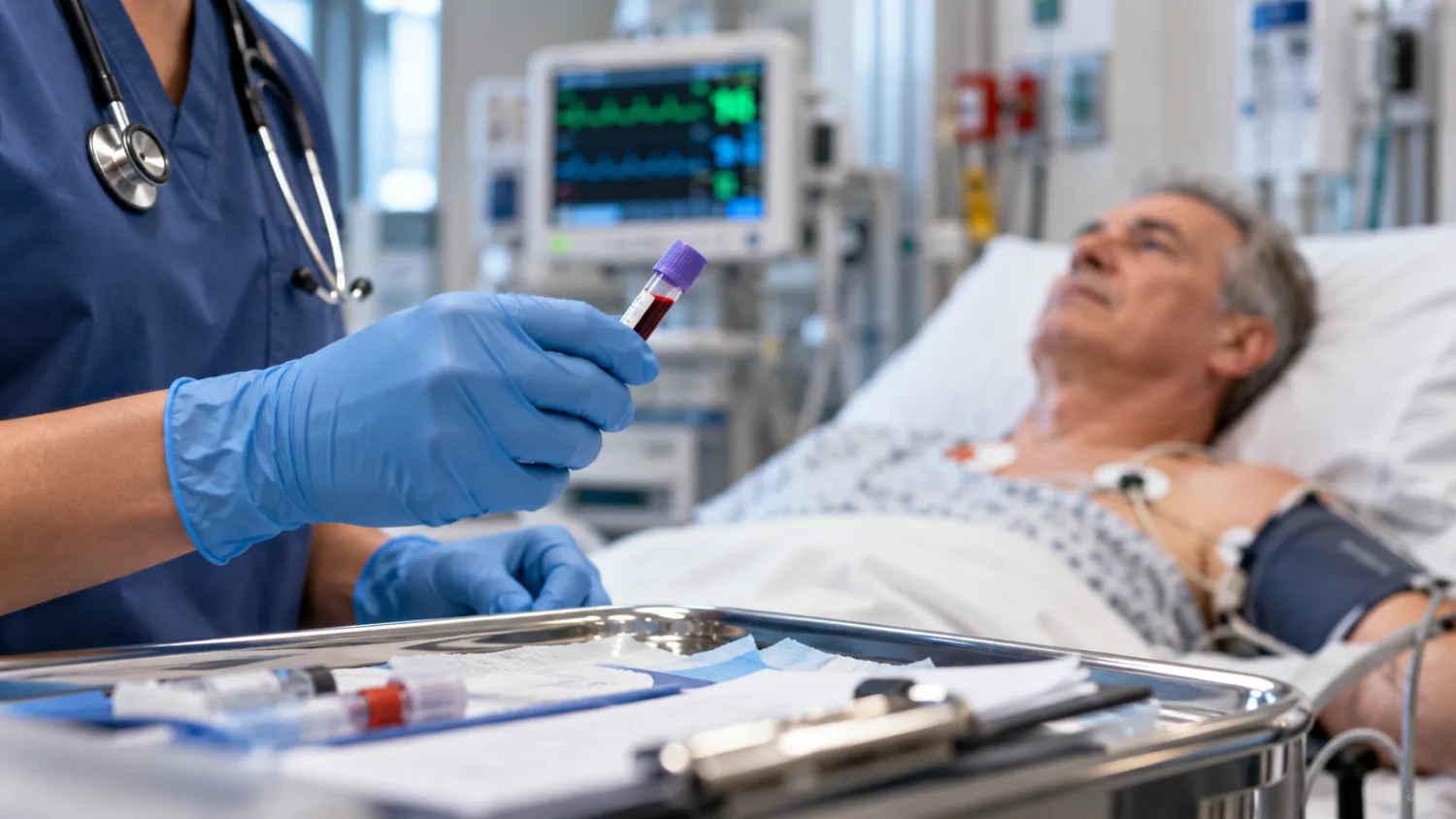
Diabetes blood test results can feel confusing when you first see them. You may be told your HbA1c is “a bit high”, your cholesterol needs attention, your kidney function is being monitored, or your urine test has shown albumin. Sometimes the numbers are shown on the NHS app before you have had a chance to speak to your GP, which can make them feel more worrying than they need to be.
The important thing to understand is that diabetes blood tests are not only about blood sugar. Your GP is usually looking at your wider risk: blood glucose, cholesterol, kidney health, liver health, blood pressure, weight, urine results and sometimes vitamin levels or thyroid function. Together, these results help your healthcare team decide whether you have diabetes or prediabetes, how well diabetes is controlled, whether medication needs adjusting, and whether there are early signs of complications.
This guide explains the main diabetes-related blood and urine tests you may get from your GP, what the results usually mean, which numbers matter most, and what questions to ask at your review.
For a broader diabetes overview, read Diabetes Explained: Symptoms, Types, Tests and Treatment in the UK. If your GP has said you are in the prediabetes range, see What Is Prediabetes and Can It Be Reversed?.
Why diabetes blood tests look at more than sugar
When people think about diabetes, they often think only about sugar. That is understandable, but diabetes care is wider than glucose alone. Raised blood glucose can affect blood vessels and nerves over time, increasing the risk of eye problems, kidney disease, foot problems, heart attack and stroke. That is why your GP or diabetes nurse may check several different areas at the same review.
A typical diabetes review may include:
- HbA1c to assess average blood glucose
- cholesterol and other blood fats to assess cardiovascular risk
- kidney function blood tests, including creatinine and eGFR
- urine albumin-to-creatinine ratio, also called ACR
- blood pressure
- weight or BMI
- foot checks
- smoking status
- eye screening, usually arranged separately through the diabetic eye screening programme
These checks help your GP spot risk early. For example, kidney problems can begin silently, cholesterol may be high without symptoms, and blood pressure can be raised without you feeling unwell. A diabetes review is designed to catch these issues before they cause harm.
This is why a “good” diabetes result is not just one number. Your HbA1c may be improving, but your cholesterol or blood pressure may still need attention. Or your glucose may be slightly raised, but your kidney and cholesterol results may be reassuring. The overall pattern matters.
HbA1c: the main diabetes blood sugar test
HbA1c is usually the most important blood test for diagnosing and monitoring type 2 diabetes. It reflects your average blood glucose over roughly the previous two to three months. Unlike a finger-prick glucose reading, which shows one moment in time, HbA1c gives a longer-term picture.
In the UK, HbA1c is usually reported in mmol/mol. You may also see percentages online or in older resources, but mmol/mol is the standard UK format.
Common HbA1c ranges are:
- Below 42 mmol/mol: usually below the prediabetes range
- 42 to 47 mmol/mol: commonly described as prediabetes or non-diabetic hyperglycaemia
- 48 mmol/mol or above: commonly in the diabetes range, although diagnosis may need confirmation depending on symptoms and circumstances
If you already have diabetes, your HbA1c target may be individual. Many people are given a target around 48 mmol/mol or below, but this is not suitable for everyone. Older adults, people at risk of hypos, people on insulin or sulfonylureas, and people with other medical conditions may have a different target. A very low HbA1c is not always better if it is achieved through frequent low blood sugar episodes.
HbA1c can also be misleading in some situations. Anaemia, recent blood loss, certain blood disorders, pregnancy, kidney disease and some other conditions can affect interpretation. If your result does not match your symptoms or home glucose readings, ask your GP whether another test is needed.
For a deeper explanation, read HbA1c and Blood Sugar Results Explained.
Fasting glucose, random glucose and home readings
Your GP may sometimes use glucose tests as well as HbA1c. These tests measure the amount of glucose in your blood at a specific moment.
Fasting blood glucose is measured after you have not eaten for a set period, usually overnight. It can help show how your body manages glucose when you have not recently eaten.
Random blood glucose is measured at any time of day. It can be useful if you have symptoms of diabetes, especially if blood glucose is clearly high.
Oral glucose tolerance testing may be used in specific situations, especially pregnancy or when there is uncertainty. It checks how your body responds after a glucose drink.
Home glucose readings from a finger-prick monitor or continuous glucose monitor are different from HbA1c. They can show day-to-day patterns, such as higher readings after meals or overnight. However, not everyone with type 2 diabetes needs routine home monitoring. It is more commonly needed if you use insulin, have hypos, are pregnant, drive professionally under certain rules, or use medicines that can cause low blood sugar.
If you do test at home, do not panic over one isolated high reading. Look for patterns. A single result can be affected by food, stress, illness, sleep, alcohol, exercise, medication timing and testing technique.
Cholesterol results and heart risk
Cholesterol testing is a key part of diabetes care because diabetes increases the risk of heart attack and stroke. This does not mean everyone with diabetes will have heart disease, but it does mean prevention matters.
Your cholesterol result may include:
- Total cholesterol: the overall amount of cholesterol in your blood
- LDL cholesterol: often called “bad” cholesterol because high levels can contribute to artery narrowing
- HDL cholesterol: often called “good” cholesterol because it helps remove cholesterol from the blood
- Non-HDL cholesterol: a useful measure of cholesterol linked with artery disease risk
- Triglycerides: another type of blood fat, often influenced by weight, alcohol, diet, blood sugar control and genetics
In diabetes, cholesterol decisions are not based only on the number. Your GP will consider age, blood pressure, smoking, kidney function, family history and other risk factors. Some people are offered statins even if their cholesterol does not look dramatically high, because their overall cardiovascular risk is raised.
If you are prescribed a statin, it is usually to reduce the risk of heart attack and stroke over the long term. It is not simply to “make a cholesterol number look better”.
Useful related guides include Cholesterol Test Results Explained, High Cholesterol: Causes, Treatment and How to Lower It, Statins Explained and Cardiovascular Risk Explained.
Kidney function: creatinine, eGFR and urea
Kidney checks are important in diabetes because high blood glucose and high blood pressure can damage the small blood vessels in the kidneys over time. Early kidney disease often causes no symptoms, so routine testing matters.
Your kidney blood tests may include:
- Creatinine: a waste product filtered by the kidneys
- eGFR: an estimate of how well the kidneys are filtering blood
- Urea: another waste product that can be affected by kidney function, hydration and protein breakdown
- Electrolytes: salts such as sodium and potassium, which can be affected by kidney function and some medicines
eGFR is often the easiest kidney result to understand. A lower eGFR can suggest reduced kidney filtering, but one result does not always mean permanent kidney disease. Dehydration, recent illness, some medicines, age and muscle mass can affect results. Your GP will usually look at trends over time.
Creatinine and eGFR are also important for medication safety. Some diabetes, blood pressure and pain medicines need adjustment or caution if kidney function is reduced.
For more detail, read Kidney Blood Test Results Explained, eGFR and Creatinine Results Explained and U&E Blood Test Results Explained.
Urine ACR: the kidney test people often miss
Urine ACR stands for albumin-to-creatinine ratio. It checks whether a small amount of protein called albumin is leaking into the urine. This can be an early sign that diabetes or high blood pressure is affecting the kidneys.
This test is easy to overlook because it is not a blood test. You may be asked to provide a urine sample at your diabetes review. It is worth doing, even if your blood kidney function looks normal, because urine ACR can sometimes show early kidney strain before eGFR changes.
A raised ACR does not automatically mean serious kidney disease. It can be temporarily affected by urine infection, fever, heavy exercise, periods, dehydration or recent illness. Your GP may repeat the test to confirm whether it is persistent.
If ACR remains raised, your GP may discuss blood pressure control, diabetes control, kidney-protective medicines, lifestyle changes and monitoring. Treating kidney risk early can help slow progression.
For a general explanation of urine testing, read Urine Test Results Explained.
Liver function, fatty liver and diabetes
Liver function tests are not always thought of as diabetes tests, but they are often checked because type 2 diabetes, insulin resistance and fatty liver disease can overlap.
Your liver blood tests may include:
- ALT: an enzyme that can rise with liver cell irritation or fatty liver
- AST: another enzyme found in liver and muscle
- ALP: can relate to bile ducts, liver or bone
- GGT: can rise with alcohol intake, fatty liver, some medicines and bile duct problems
- Bilirubin: a pigment processed by the liver
- Albumin: a protein made by the liver
Mildly raised liver enzymes are common and do not always mean serious liver disease. However, in someone with type 2 diabetes, raised ALT or GGT may prompt a discussion about weight, alcohol, medication, cholesterol, fatty liver and cardiovascular risk.
Improving weight, blood sugar, cholesterol and activity levels can often help fatty liver risk. But liver results should still be interpreted properly, especially if levels are significantly raised, worsening, or associated with symptoms such as jaundice, abdominal swelling, unexplained weight loss or persistent pain.
For more detail, see Liver Function Test Results Explained and ALT, AST, ALP and GGT Liver Results Explained.
Full blood count, B12, thyroid and other tests
Your GP may check other blood tests alongside diabetes results, especially if you have tiredness, numbness, weight change, medication side effects or symptoms that are not fully explained by blood sugar.
A full blood count can check for anaemia, infection markers and platelet problems. Anaemia can cause tiredness and may also affect HbA1c interpretation in some cases.
Vitamin B12 may be checked if you take metformin, have numbness or tingling, or have symptoms of deficiency. Long-term metformin use can reduce B12 levels in some people, and low B12 can cause nerve symptoms that may be mistaken for diabetic neuropathy.
Thyroid tests may be checked if you have tiredness, weight change, palpitations, low mood, constipation, heat intolerance or cold intolerance. Thyroid problems can overlap with diabetes symptoms and may affect weight and energy.
CRP or ESR may be checked if inflammation, infection or another condition is suspected. These are not routine diabetes control tests, but they may be part of a wider assessment.
Related guides include Full Blood Count Results Explained, B12 and Folate Blood Test Results Explained, Thyroid Blood Test Results Explained and CRP and Inflammation Blood Test Results Explained.
What to ask your GP or diabetes nurse about your results
Blood test results are most useful when you understand what they mean for you personally. Two people can have the same HbA1c but need different advice because their age, medication, weight, kidney function, symptoms and risk factors are different.
Useful questions to ask include:
- Is my HbA1c in the normal, prediabetes or diabetes range?
- If I already have diabetes, what is my personal HbA1c target?
- Has my HbA1c improved or worsened since last time?
- Do I need medication, or a change to my current medication?
- Are my cholesterol results acceptable for my level of heart risk?
- Do I need a statin or a medication review?
- Are my kidney blood tests stable?
- Was my urine ACR checked, and was it normal?
- Is my blood pressure target being met?
- Do I need foot checks or eye screening?
- Should I check blood glucose at home?
- When should these tests be repeated?
If you are viewing results through the NHS app, remember that a number may appear before a clinician has added context. Avoid making big changes to medication, diet or supplements based only on one result. If something is marked abnormal, ask what it means and whether it needs repeat testing, monitoring or treatment.
When abnormal results need prompt follow-up
Many abnormal diabetes-related results are not emergencies, but they should still be followed up. A mildly raised HbA1c, cholesterol result or liver enzyme may lead to planned lifestyle advice and repeat testing. A worsening kidney result or raised urine ACR may need medication review or closer monitoring.
Contact your GP promptly if:
- your HbA1c or glucose is high and you have symptoms of diabetes
- you are losing weight without trying
- you have repeated infections, blurred vision or severe tiredness
- your kidney function has dropped significantly
- your urine ACR is repeatedly raised
- you have a foot wound, ulcer, spreading redness or signs of infection
- you have new numbness, burning pain or loss of feeling in your feet
- you are getting low blood sugar episodes
- you feel unwell after starting or changing diabetes medication
Seek urgent medical help if you have diabetes symptoms with vomiting, severe dehydration, confusion, drowsiness, stomach pain, deep or fast breathing, or fruity-smelling breath. These may be signs of diabetic ketoacidosis, which needs urgent assessment.
If your abnormal results came from a private blood test or health check, share them with your NHS GP. Private testing can be useful, but abnormal results need proper interpretation and follow-up. Read Private Health Check Cost in the UK, Private GP Services in the UK: Costs and NHS vs Private Healthcare for more context.
Frequently asked questions
What is the main blood test for diabetes?
The main blood test is usually HbA1c. It shows your average blood glucose over roughly the previous two to three months and is commonly used to diagnose and monitor type 2 diabetes.
What HbA1c result means diabetes?
In the UK, an HbA1c of 48 mmol/mol or above is commonly in the diabetes range. If you do not have symptoms, your GP may repeat the test to confirm the result. If you have symptoms, diagnosis and follow-up may happen more quickly.
What HbA1c result means prediabetes?
An HbA1c of 42 to 47 mmol/mol is commonly described as prediabetes or non-diabetic hyperglycaemia. It means your blood sugar is higher than normal but not usually high enough for a diabetes diagnosis.
Why does my GP check cholesterol if I have diabetes?
Diabetes increases the risk of heart attack and stroke. Cholesterol testing helps your GP assess cardiovascular risk and decide whether lifestyle changes, statins or other treatment may help reduce that risk.
Why do I need kidney tests with diabetes?
Diabetes and high blood pressure can affect the kidneys over time. Kidney blood tests and urine ACR can help find early changes before symptoms develop.
What is urine ACR?
Urine ACR stands for albumin-to-creatinine ratio. It checks for small amounts of albumin, a protein, in the urine. A raised ACR can be an early sign of kidney strain or kidney disease in people with diabetes.
Can HbA1c be wrong?
HbA1c can be misleading in some situations, including anaemia, recent blood loss, some blood disorders, pregnancy and certain kidney problems. If your result does not match your symptoms or home readings, ask your GP whether another test is needed.
How often should HbA1c be checked?
If you have type 2 diabetes, HbA1c may be checked every three to six months until stable, then usually every six months once your level and treatment are stable. Your GP may recommend a different schedule depending on your situation.
Do I need to fast for diabetes blood tests?
HbA1c usually does not require fasting. Some glucose or cholesterol tests may require fasting depending on what your GP is checking, so follow the instructions from your practice or clinic.
What should I do if my diabetes blood test is abnormal?
Do not panic, but do follow it up. Ask your GP what the result means, whether it needs repeating, whether medication or lifestyle changes are needed, and when you should be tested again.
Are private diabetes blood tests reliable?
Many private blood tests use reliable laboratories, but the result still needs proper clinical interpretation. If a private test shows raised HbA1c, abnormal kidney function, raised cholesterol or other concerns, share it with your NHS GP.
Can diabetes blood tests show complications?
Some tests can show early risk. Kidney blood tests and urine ACR can detect kidney strain, cholesterol tests assess heart risk, and HbA1c shows glucose control. Eye screening and foot checks are also important because blood tests alone cannot detect all complications.