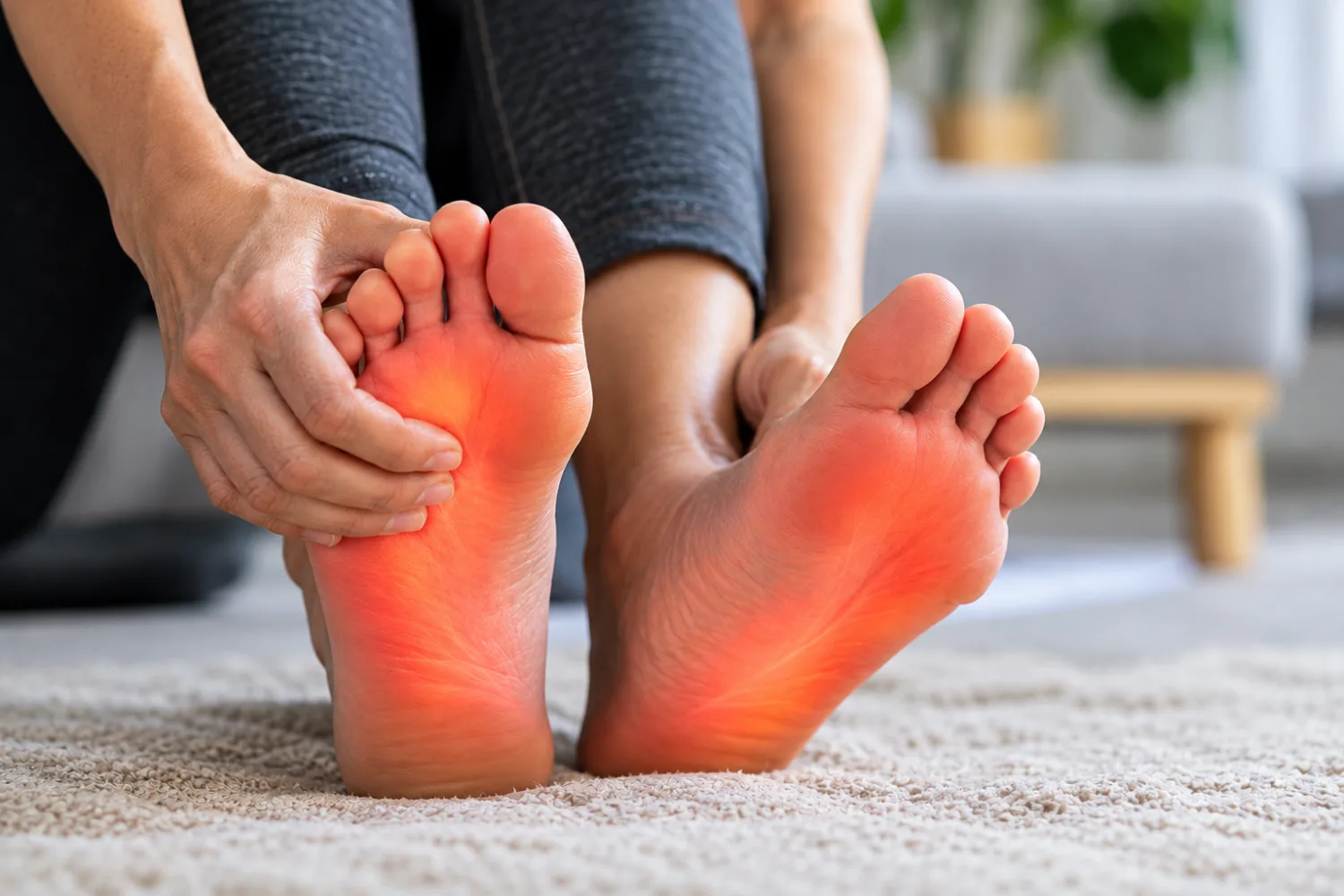
Prediabetes can sound like a confusing diagnosis. It is not quite diabetes, but it is not completely normal either. Some people are told they have “borderline diabetes”, “raised blood sugar”, “non-diabetic hyperglycaemia” or “high risk of type 2 diabetes”. These terms are often used to describe the same general situation: your blood glucose is higher than it should be, but not high enough for a diagnosis of type 2 diabetes.
The most important thing to know is this: prediabetes is a warning sign, not a life sentence. It means your risk of type 2 diabetes is higher, but progression is not inevitable. Many people can lower their blood sugar and reduce their risk through weight loss where appropriate, dietary changes, regular activity and support from their GP practice or an NHS diabetes prevention programme.
This guide explains what prediabetes means, what HbA1c results usually show, why it happens, whether it can be reversed, and what practical steps can help reduce your risk.
For a wider overview of diabetes, see our main guide: Diabetes Explained: Symptoms, Types, Tests and Treatment in the UK. If you are unsure how prediabetes differs from type 1 and type 2 diabetes, read Type 1 vs Type 2 Diabetes: What’s the Difference?.
What does prediabetes mean?
Prediabetes means your average blood glucose level is above the healthy range, but below the range usually used to diagnose diabetes. In the UK, it is also commonly called non-diabetic hyperglycaemia. Some people still call it “borderline diabetes”, although that phrase can be misleading because the condition should still be taken seriously.
Prediabetes is usually linked with insulin resistance. Insulin is the hormone that helps glucose move from the blood into the body’s cells. When the body becomes resistant to insulin, the pancreas has to work harder to keep blood glucose controlled. For a while, it may keep up. Over time, blood glucose may begin to rise.
This does not mean you definitely have type 2 diabetes. It means your body is showing early signs of difficulty managing blood glucose. That gives you an opportunity to act before diabetes develops.
Prediabetes is different from type 1 diabetes. Type 1 diabetes is an autoimmune condition where the body attacks insulin-producing cells. Prediabetes usually relates to future type 2 diabetes risk, not type 1 diabetes.
What HbA1c result means prediabetes?
Prediabetes is usually diagnosed with a blood test called HbA1c. This test shows your average blood glucose level over roughly the previous two to three months.
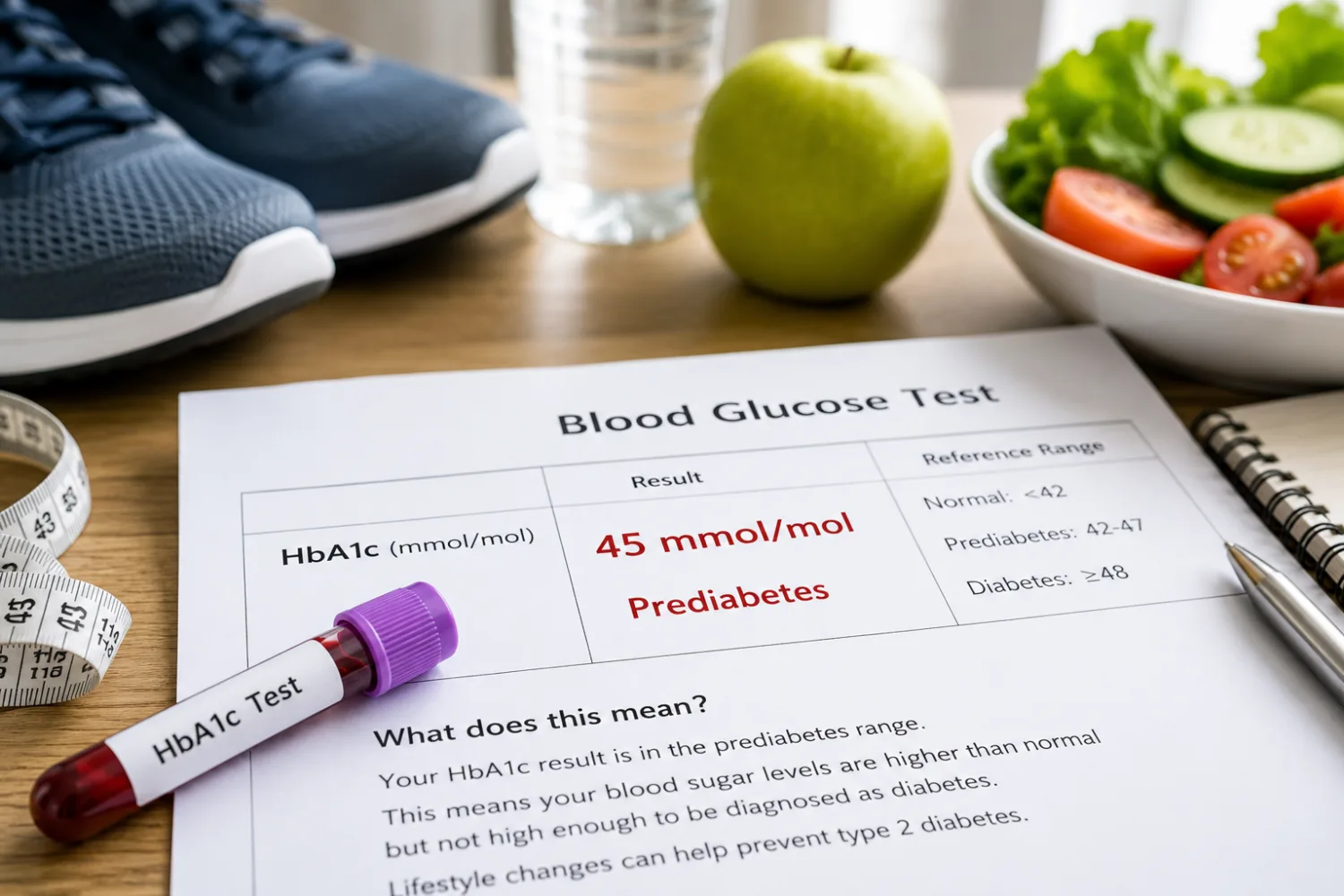
In the UK, HbA1c is usually reported in mmol/mol. The common ranges are:
- Below 42 mmol/mol: usually considered below the prediabetes range
- 42 to 47 mmol/mol: commonly described as prediabetes or non-diabetic hyperglycaemia
- 48 mmol/mol or above: commonly in the diabetes range, although diagnosis should be confirmed and interpreted by a clinician
These numbers are useful, but they are not the whole story. Your GP or clinician should interpret your HbA1c alongside your symptoms, weight, family history, ethnicity, medicines, pregnancy status and other health conditions.
HbA1c can be less reliable in some situations, including certain types of anaemia, recent blood loss, some haemoglobin conditions, advanced kidney disease and pregnancy. If HbA1c is not suitable, other tests such as fasting blood glucose or an oral glucose tolerance test may be used.
If you want a deeper explanation of blood sugar results, read HbA1c and Blood Sugar Results Explained. You may also find How to Understand Blood Test Results and What to Do After Abnormal Private Blood Test Results useful.
Does prediabetes cause symptoms?
Prediabetes usually does not cause obvious symptoms. That is one reason it is often found through routine blood tests, NHS Health Checks, private health checks or tests done for another reason.
Some people with prediabetes feel tired, gain weight, feel hungrier than usual or have symptoms they think may be related to blood sugar, but these symptoms are not specific. They can be caused by many other things, including thyroid problems, anaemia, poor sleep, stress, menopause, low vitamin levels, depression or other medical conditions.
Classic diabetes symptoms are more likely when blood glucose is higher and has moved into the diabetes range. These include:
- peeing more often, especially at night
- feeling very thirsty
- feeling unusually tired
- blurred vision
- unexplained weight loss
- recurrent thrush or infections
- cuts or wounds taking longer to heal
If you have these symptoms, do not assume it is “only prediabetes”. Ask your GP about testing. If symptoms are sudden, severe or associated with vomiting, rapid weight loss, confusion, dehydration or deep breathing, seek urgent medical advice.
For more detail on symptoms, read What Are the Early Signs of Type 2 Diabetes?.
Why does prediabetes happen?
Prediabetes usually develops when the body starts to struggle with insulin resistance. This means insulin is still being produced, but the body’s cells do not respond to it as well as they should. The pancreas may need to make more insulin to keep blood glucose under control. Over time, that system can become strained.
Prediabetes is not caused by one food, one bad habit or one simple mistake. It usually develops because of a mix of factors. Some can be changed, while others cannot.
Risk factors include:
- family history of type 2 diabetes
- living with overweight or obesity
- carrying more weight around the waist
- low physical activity
- age, especially over 40, or over 25 in some higher-risk ethnic groups
- South Asian, Black African, African-Caribbean, Chinese or some Middle Eastern backgrounds
- previous gestational diabetes
- polycystic ovary syndrome, especially with weight gain or insulin resistance
- high blood pressure
- high cholesterol
- sleep apnoea
- fatty liver disease
Prediabetes often overlaps with wider cardiovascular risk. That means blood pressure, cholesterol, waist size, smoking, activity levels and kidney health all matter too. It is not just about blood sugar.
Useful related guides include High Blood Pressure: Symptoms, Causes and Treatment, High Cholesterol: Causes and Treatment and Cardiovascular Risk Explained.
Can prediabetes be reversed?
Yes, prediabetes can often be reversed. In practical terms, this usually means your HbA1c falls back below the prediabetes range and stays there. For many people, this is possible through sustained changes to weight, diet, physical activity and overall metabolic health.
However, “reversed” should not be misunderstood. It does not mean you can never develop type 2 diabetes in the future. It means your blood sugar has improved enough that you are no longer currently in the prediabetes range. If old habits return, weight increases, activity drops or other risk factors change, blood glucose may rise again.
Think of prediabetes as a smoke alarm. If the alarm goes off and you fix the problem, that is good. But you would not remove the alarm and assume fire risk no longer exists. Ongoing monitoring still matters.
Reversal is more likely when action starts early. The longer insulin resistance and raised blood glucose continue, the more difficult it can be to return to a healthier range. That said, improvement is worthwhile at any stage. Even if HbA1c does not return fully to normal, lowering it can reduce the risk of developing type 2 diabetes.
What changes help reverse prediabetes?
The best plan is usually not extreme. It is a set of changes you can keep doing. Crash diets, unrealistic exercise plans and cutting out whole food groups may work briefly, but they often fail because they are not sustainable.
Lose weight if weight is part of your risk
Weight loss can make a major difference, especially if you carry more weight around your waist. You do not usually need to reach a “perfect” weight to improve blood sugar. Even modest weight loss can improve insulin resistance.
The most useful approach is one you can maintain: fewer high-calorie snacks, smaller portions, more protein and fibre, fewer sugary drinks, less alcohol where relevant, and regular movement. Some people may benefit from structured NHS weight management support, private dietitian input, medication or, in selected cases, weight loss surgery.
For more on weight and blood sugar, see How Weight Loss Really Works, Losing Weight: Causes, Treatments and When to Get Help, Weight Loss Injections in the UK and Weight Loss Surgery in the UK.
Change the quality and portion size of carbohydrates
Prediabetes does not mean you must stop eating all carbohydrates. It means your body may benefit from better carbohydrate choices and smaller portions of foods that raise blood glucose quickly.
Helpful swaps may include:
- choosing wholegrain bread instead of white bread
- having smaller portions of rice, pasta, potatoes or noodles
- adding more vegetables to meals
- choosing beans, lentils and chickpeas more often
- reducing sweets, biscuits, cakes and sugary cereals
- replacing sugary drinks with water or sugar-free alternatives
- pairing carbohydrates with protein and healthy fats to make meals more filling
A useful plate method is to fill half the plate with vegetables or salad, a quarter with protein such as fish, chicken, eggs, tofu, beans or lentils, and a quarter with higher-fibre carbohydrates. This is simple, flexible and easier to keep up than strict counting for many people.
Move more, especially after meals
Physical activity helps muscles use glucose more effectively. It can improve insulin sensitivity even before major weight loss happens.
You do not need to start with intense exercise. Brisk walking, cycling, swimming, gardening, dancing, resistance bands or short home workouts can all help. Walking for 10 to 20 minutes after meals can be particularly useful for blood glucose control.
Strength exercise matters too. Muscle is an important glucose storage tissue, so building or maintaining muscle can improve how the body handles blood sugar. This can be as simple as chair squats, wall press-ups, carrying shopping, resistance bands or supervised gym work.
Sleep, stress and alcohol also matter
Prediabetes is not just about food. Poor sleep, high stress and excess alcohol can all make weight and blood glucose harder to manage. Sleep apnoea is also linked with insulin resistance and type 2 diabetes risk, especially if you snore heavily, wake unrefreshed or feel very sleepy during the day.
If you struggle with emotional eating, stress eating or night-time snacking, the answer is not simply “willpower”. It may help to build a more realistic meal routine, improve sleep, reduce trigger foods at home, and get support for stress, anxiety or low mood.
You may find these guides useful: Emotional Eating, Stress and Weight Gain, Sleep, Snoring, Sleep Apnoea and Weight and Why Am I Not Losing Weight?.
Do you need medication for prediabetes?
Most people with prediabetes are first advised to focus on lifestyle changes, weight loss where appropriate and diabetes prevention support. Medication is not always needed.
However, some people may be offered medication if their risk is particularly high, if lifestyle changes have not been enough, or if there are other medical reasons. Metformin may sometimes be considered, especially for people at high risk of developing type 2 diabetes, but this depends on individual circumstances and local guidance.
Weight loss medication may be relevant for some people living with obesity, but it should be prescribed and monitored safely. It is not suitable for everyone, and it should not be bought casually online without proper assessment.
Prediabetes should be managed as part of your whole health picture. If you also have high blood pressure, high cholesterol, fatty liver disease, PCOS, sleep apnoea or cardiovascular risk, those areas should be addressed too. Improving blood sugar while ignoring blood pressure and cholesterol would miss part of the problem.
How often should prediabetes be monitored?
If you have been told you have prediabetes or non-diabetic hyperglycaemia, you should usually have repeat blood testing. NICE guidance advises that people at high risk should be offered a blood test at least once a year, preferably using the same type of test.
Your GP practice may also check:
- weight or BMI
- waist measurement
- blood pressure
- cholesterol
- kidney function
- liver function, especially if fatty liver is suspected
- smoking status and cardiovascular risk
If your HbA1c rises to 48 mmol/mol or above, your GP may repeat the test or arrange further assessment to confirm whether you have developed type 2 diabetes. If you have symptoms of diabetes, testing may need to happen sooner.
If you paid privately for a blood test and were told your HbA1c is in the prediabetes range, do not ignore it. Share the result with your NHS GP, especially if you have symptoms, other abnormal results or risk factors. Private blood tests can be useful, but they need proper follow-up.
Related guides include Private Health Check Cost in the UK, Private GP Services in the UK: Costs and NHS vs Private Healthcare.
What support is available in the UK?
If you have prediabetes, your GP practice may refer you to the NHS Diabetes Prevention Programme in England, sometimes known as the Healthier You programme. Similar support may be available in other parts of the UK depending on local services.
These programmes usually focus on:
- understanding type 2 diabetes risk
- healthy eating
- weight management
- physical activity
- motivation and habit change
- long-term maintenance
Support matters because prediabetes is not always easy to reverse alone. Many people already know they “should eat better and move more”, but knowing what to do is not the same as having a realistic plan. A structured programme can help turn general advice into practical steps.
You can also ask your GP practice about local weight management services, social prescribing, dietitian referral, smoking cessation support, exercise referral schemes and blood pressure or cholesterol checks.
If you choose private support, such as a private GP, dietitian, health coach, endocrinologist or weight management clinic, look for qualified professionals and clear follow-up. Be cautious with anyone promising a guaranteed cure, selling expensive supplements, or encouraging extreme diets without medical monitoring.
When to speak to a GP
You should speak to a GP if you have been told your HbA1c is in the prediabetes range, especially if you are unsure what it means or what to do next.
You should also arrange a review if you have symptoms of diabetes, including:
- peeing more often, especially at night
- feeling very thirsty
- unexplained tiredness
- blurred vision
- unexplained weight loss
- recurrent thrush or infections
- slow-healing wounds
Seek urgent medical advice if symptoms are severe, developing quickly, or associated with vomiting, stomach pain, dehydration, confusion, drowsiness, deep breathing or fruity-smelling breath. These symptoms may suggest very high blood sugar or diabetic ketoacidosis, especially if type 1 diabetes is possible.
Prediabetes is a chance to act early. It is not something to panic about, but it is not something to ignore either. With the right support and realistic changes, many people can bring their blood sugar back below the prediabetes range and reduce their future risk of type 2 diabetes.
Frequently asked questions
Is prediabetes the same as diabetes?
No. Prediabetes means blood glucose is higher than normal but not high enough for a diabetes diagnosis. It does mean your risk of type 2 diabetes is higher, so it should be taken seriously.
What HbA1c level is prediabetes?
In the UK, an HbA1c of 42 to 47 mmol/mol is commonly described as prediabetes or non-diabetic hyperglycaemia. An HbA1c of 48 mmol/mol or above is commonly in the diabetes range, although diagnosis should be confirmed and interpreted by a clinician.
Can prediabetes be reversed?
Yes. Prediabetes can often be reversed if HbA1c returns below the prediabetes range and stays there. This usually requires sustained changes such as weight loss where appropriate, healthier eating, regular activity and ongoing monitoring.
Does prediabetes go away on its own?
Usually not. Blood sugar may fluctuate, but prediabetes generally needs active changes to reduce the risk of progression to type 2 diabetes.
How long does it take to reverse prediabetes?
It varies. Some people improve their HbA1c within a few months, while others need longer. HbA1c reflects average blood glucose over around two to three months, so meaningful changes are usually assessed over months rather than days.
Do I need medication for prediabetes?
Many people do not need medication at first. Lifestyle changes and weight loss where appropriate are usually the main approach. Some people at higher risk may be offered metformin or other support, depending on their circumstances.
Can thin people get prediabetes?
Yes. Prediabetes is more common with overweight or obesity, but it can also affect people who are not overweight. Family history, ethnicity, age, previous gestational diabetes, PCOS, inactivity and other factors can all play a role.
What foods should I avoid with prediabetes?
You do not usually need to avoid all carbohydrates. It is more helpful to reduce sugary drinks, sweets, cakes, biscuits, large portions of white bread, white rice, chips and highly processed snacks. Choose more vegetables, protein, fibre-rich carbohydrates, beans, lentils and wholegrains.
Is walking good for prediabetes?
Yes. Walking can help the body use glucose more effectively, especially if done regularly. A short walk after meals can be particularly helpful for blood sugar control.
Can prediabetes cause symptoms?
Prediabetes usually causes no obvious symptoms. If you have thirst, frequent urination, blurred vision, unexplained weight loss, tiredness or recurrent infections, you should ask your GP about diabetes testing.
How often should HbA1c be checked if I have prediabetes?
Many people with prediabetes are advised to have blood testing at least once a year, but your GP may recommend earlier testing depending on your result, symptoms and risk factors.
Can prediabetes come back after being reversed?
Yes. If weight increases, activity levels fall, diet changes or other risk factors worsen, blood glucose can rise again. Even after reversal, ongoing healthy habits and periodic monitoring are important.