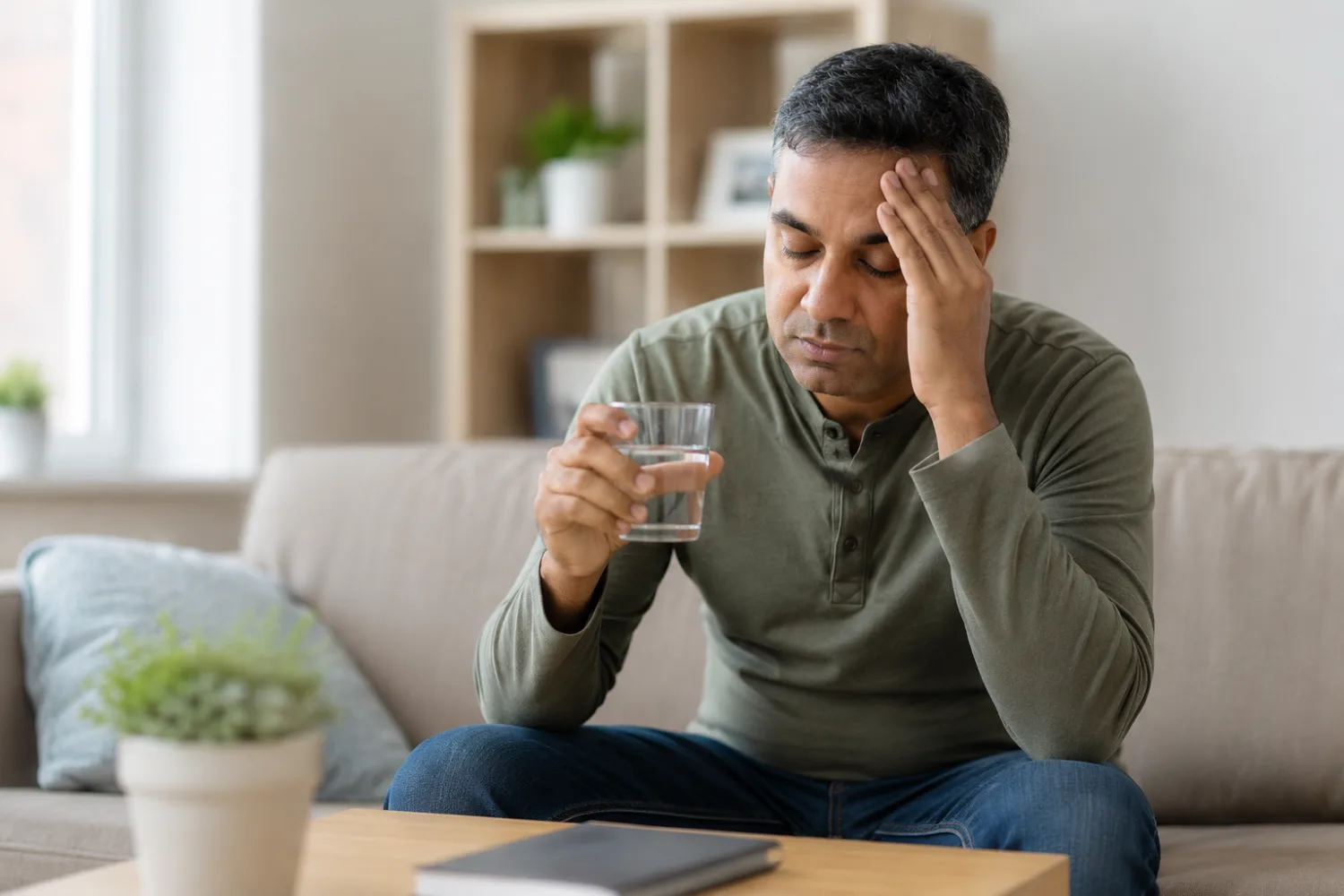
Type 2 diabetes can be easy to miss in the early stages. Some people expect diabetes symptoms to be dramatic, but in many cases they are slow, vague and easy to blame on everyday life. Feeling tired may be put down to work or poor sleep. Needing to pee more at night may be blamed on drinking more tea or getting older. Blurred vision may be blamed on needing new glasses. Recurrent thrush or slow-healing cuts may not immediately make someone think about blood sugar.
That is one of the reasons type 2 diabetes can go undiagnosed for months or even years. The symptoms often develop gradually, and some people have no obvious symptoms at all. A blood test may be the first sign that blood glucose has been running too high.
This guide explains the early signs of type 2 diabetes, why they happen, who should get tested, when symptoms are urgent, and what to do if you are worried. For a broader overview of diabetes types, tests and treatment, see our full guide: Diabetes Explained: Symptoms, Types, Tests and Treatment in the UK.
Why type 2 diabetes symptoms can be easy to miss
Type 2 diabetes happens when the body cannot use insulin properly, or cannot make enough insulin to keep blood glucose in a healthy range. Insulin is the hormone that helps glucose move from the blood into the body’s cells. When insulin does not work well enough, glucose builds up in the bloodstream.
High blood glucose does not always cause obvious symptoms straight away. The body may compensate for a while, and the rise in blood sugar may be gradual. That means symptoms can feel mild at first, especially compared with type 1 diabetes, which can come on quickly and become urgent.
Many early symptoms are also non-specific. Tiredness, thirst, infections, blurred vision and weight changes can have several causes. Diabetes is one possibility, but not the only one. The important point is this: if these symptoms are new, persistent, unexplained or happening together, it is worth asking your GP about a diabetes blood test.
Type 2 diabetes is also not only a condition of older adults. It is more common with age, but younger adults and, less commonly, children can develop it too. Risk is affected by family history, ethnicity, weight, waist size, activity levels, pregnancy history and other health conditions.
The most common early signs of type 2 diabetes
The classic signs of diabetes are often remembered as needing the toilet more, feeling thirsty, feeling tired and losing weight without trying. These symptoms happen because the body is struggling to deal with excess glucose in the blood.
Common early signs of type 2 diabetes include:
- peeing more often than usual, especially at night
- feeling thirsty all the time
- feeling unusually tired or lacking energy
- unexplained weight loss
- blurred vision
- cuts, sores or wounds taking longer to heal
- recurrent thrush or genital itching
- repeated urine, skin or gum infections
- numbness, tingling, burning or pins and needles in the feet or hands
- feeling hungrier than usual, especially if blood sugar is not being used effectively for energy
Not everyone gets all of these symptoms. Some people only notice one or two. Others feel generally run down without a clear reason. Some people have no symptoms and are diagnosed after a routine health check, private blood test, urine test, eye test or investigation for another condition.
If symptoms are developing quickly, if you are losing weight without trying, or if a child has diabetes symptoms, do not wait. Contact a GP promptly. Sudden symptoms are more typical of type 1 diabetes, but they should always be taken seriously.
Peeing more often and feeling very thirsty
One of the most recognisable signs of diabetes is needing to pee more than usual. This can be especially noticeable at night. You may wake up to use the toilet more often, feel that you are passing larger amounts of urine, or notice that your usual routine has changed.
This happens because the kidneys try to remove extra glucose from the blood. Glucose pulls water with it, so the body produces more urine. As you lose more fluid, you may feel thirsty and drink more. This can create a cycle: more thirst, more drinking, more peeing.
Many people dismiss this symptom because there are other possible explanations. Drinking more caffeine, drinking alcohol, hot weather, anxiety, urinary infections, prostate symptoms and some medicines can also affect urination. But if thirst and frequent urination are persistent, new or happening together, a blood glucose test is sensible.
You may also find these related guides useful: Dehydration Symptoms in Adults and Children, Urine Test Results Explained and Pain When Urinating: Common Causes.
Tiredness, low energy and feeling generally unwell
Tiredness is one of the most common early symptoms of type 2 diabetes, but it is also one of the easiest to ignore. People often blame tiredness on work, stress, family life, poor sleep, ageing, menopause, low mood or lack of fitness.
In diabetes, tiredness can happen because glucose is not moving into cells effectively. The body has fuel in the bloodstream, but it is not being used properly. High blood sugar can also affect sleep, hydration, concentration and energy levels.
Diabetes-related tiredness may feel like:
- needing naps or struggling to stay awake
- feeling heavy, sluggish or drained
- poor concentration or brain fog
- low motivation for normal activities
- feeling worse after meals
- not recovering well after exercise or busy days
Tiredness alone does not mean diabetes. It can also be caused by anaemia, thyroid problems, vitamin deficiencies, sleep apnoea, depression, infection, kidney problems and many other conditions. But if tiredness comes with thirst, frequent urination, blurred vision, infections or weight change, type 2 diabetes should be considered.
For more on tiredness and related tests, see Fatigue: Why Am I Always Tired?, Full Blood Count Results Explained, Thyroid Blood Test Results Explained and B12 and Folate Blood Test Results Explained.
Blurred vision, slow healing and recurrent infections
High blood glucose can affect many parts of the body, including the eyes, skin, nerves and immune system. Some early diabetes symptoms appear in places people do not immediately connect with blood sugar.
Blurred vision
Blurred vision can happen when changes in blood glucose affect the lens inside the eye. Vision may come and go, or seem worse at certain times of day. Some people think they simply need new glasses. An eye test is useful, but if blurred vision is new or comes with other diabetes symptoms, ask about blood glucose testing too.
Slow-healing cuts and wounds
High blood glucose can make it harder for the body to heal. Small cuts, blisters, scratches or sores may take longer than expected to settle. This is especially important on the feet, where reduced sensation and circulation problems can make injuries easier to miss.
Recurrent thrush, genital itching and infections
Thrush, genital itching, urine infections, skin infections and gum problems can sometimes be linked with high blood glucose. Sugar in tissues and urine can create conditions where infections are more likely to develop or return. Recurrent infections are not always diabetes, but they are a reason to consider testing.
If you are having repeated infections or symptoms that keep returning after treatment, do not just keep treating them in isolation. It may be worth checking for an underlying cause.
Useful related guides include Thrush vs BV: Symptoms, Differences and Best Treatment, Itchy Skin: Common Causes and What Helps, Bleeding Gums and Gum Disease and Eye Problems: When It Is Urgent.
Weight change, hunger and tingling in the feet or hands
Weight and appetite changes can be confusing in type 2 diabetes. Some people gain weight before diagnosis because insulin resistance is strongly linked with weight gain and abdominal fat. Others lose weight unexpectedly when blood glucose is very high and the body cannot use fuel properly.
Unexplained weight loss should always be taken seriously, especially if it happens with thirst, frequent urination, fatigue or blurred vision. Weight loss is more strongly associated with type 1 diabetes, but it can also happen in type 2 diabetes when blood glucose is significantly raised.
Some people also notice feeling hungry more often. This can happen because glucose is not being used properly by the body’s cells, even though there is plenty of glucose in the blood.
Numbness, tingling, burning or pins and needles in the feet or hands may suggest nerve irritation or nerve damage. In diabetes, this is called diabetic neuropathy. It is usually associated with longer-term high blood sugar, but some people notice symptoms around the time of diagnosis. Tingling can also be caused by B12 deficiency, thyroid problems, nerve compression, alcohol, some medicines and circulation problems, so it needs proper assessment.
Read more in Unexplained Weight Loss, Numbness and Tingling, How Weight Loss Really Works and Losing Weight: Causes, Treatments and When to Get Help.
Who should get checked for type 2 diabetes?
You do not need to wait until symptoms are severe before asking about testing. Type 2 diabetes is often easier to manage when it is found early. Testing is especially important if you have symptoms or risk factors.
You may be more likely to develop type 2 diabetes if you:
- are over 40, or over 25 if you are from a higher-risk ethnic background
- have a parent, brother or sister with type 2 diabetes
- are living with overweight or obesity
- carry more weight around your waist
- have high blood pressure
- have high cholesterol or other cardiovascular risk factors
- have had gestational diabetes during pregnancy
- have polycystic ovary syndrome, especially with weight gain or insulin resistance
- are physically inactive
- have previously been told you have prediabetes or raised blood sugar
People of South Asian, Black African, African-Caribbean, Chinese and some Middle Eastern backgrounds can develop type 2 diabetes at a younger age and sometimes at a lower BMI than white European populations. Family history also matters. If close relatives have type 2 diabetes, your own risk is higher.
Diabetes risk often overlaps with heart and circulation risk. If you have high blood pressure, high cholesterol, fatty liver disease, sleep apnoea or abdominal weight gain, it may be worth discussing blood glucose testing with a GP or pharmacist.
For related health checks, see High Blood Pressure: Symptoms, Causes and Treatment, High Cholesterol: Causes and Treatment, Cardiovascular Risk Explained and PCOS and Weight Gain.
What tests can show type 2 diabetes?
The main way to check for type 2 diabetes is with a blood test. Symptoms can suggest diabetes, but a diagnosis should be confirmed with appropriate testing.
The most common test is HbA1c. This gives an average picture of blood glucose over the previous two to three months. In the UK, HbA1c is usually reported in mmol/mol. An HbA1c result of 48 mmol/mol or above is commonly used as the diagnostic threshold for diabetes, but results should always be interpreted by a clinician in context.
Other tests may include:
- Fasting blood glucose: a blood sugar measurement after not eating for a set period
- Random blood glucose: a blood sugar measurement taken at any time of day
- Oral glucose tolerance test: a test that checks how the body handles glucose after a glucose drink
- Urine tests: sometimes used to look for glucose, ketones, infection or kidney-related markers
Some people should not rely on HbA1c alone. This can include pregnancy, suspected type 1 diabetes, some blood disorders, recent blood loss, certain anaemias and some kidney conditions. That is why self-interpreting a result from a private blood test can be risky. The number matters, but so does the clinical situation.
If your result is abnormal, your GP may repeat the test, arrange additional tests, check your blood pressure and cholesterol, and discuss your overall risk. Diabetes care is not just about one blood sugar number.
For more detail, read HbA1c and Blood Sugar Results Explained, How to Understand Blood Test Results, What to Do After Abnormal Private Blood Test Results and Private Health Check Cost in the UK.
When symptoms need urgent medical advice
Type 2 diabetes symptoms usually develop gradually, but some symptoms should be taken seriously and checked quickly. This is especially important if someone is very unwell, losing weight rapidly, vomiting, confused or dehydrated.
Seek urgent medical help if you or someone else has:
- vomiting or severe nausea with diabetes symptoms
- deep, fast or unusual breathing
- confusion, drowsiness or difficulty staying awake
- severe dehydration
- fruity-smelling breath
- stomach pain with high blood sugar symptoms
- rapid weight loss with thirst and frequent urination
- a child with sudden thirst, frequent urination, tiredness or weight loss
These symptoms may suggest very high blood sugar or diabetic ketoacidosis, also known as DKA. DKA is more common in type 1 diabetes, but it is serious and needs urgent medical assessment. If symptoms are severe, call 999 or go to A&E.
You should also seek medical advice promptly if you have a foot wound that is not healing, spreading redness, fever, signs of infection, sudden vision changes or symptoms of a stroke or heart attack.
For official guidance, see the NHS pages on type 2 diabetes symptoms and diabetic ketoacidosis.
What to do if you think you may have type 2 diabetes
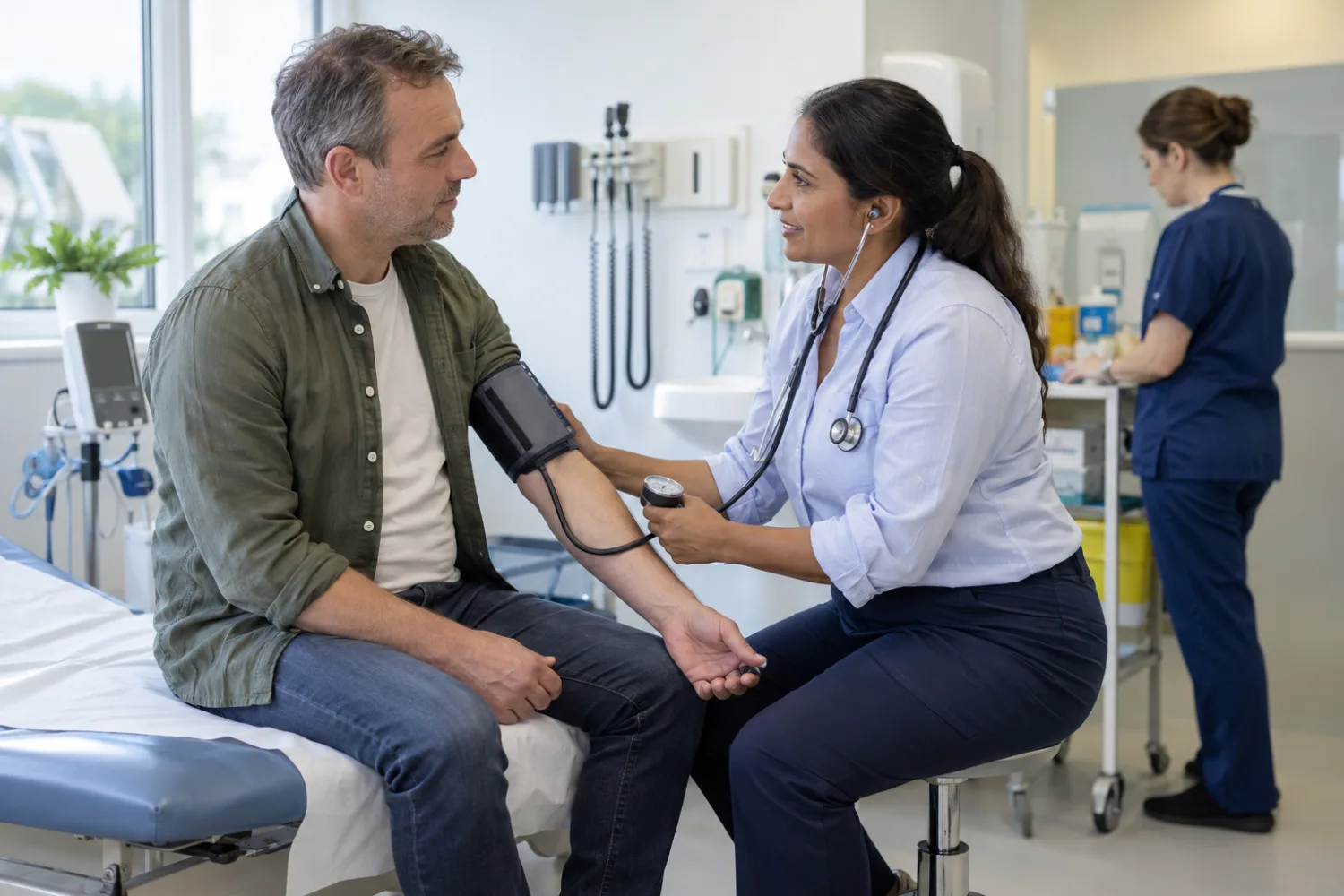
If you are worried about type 2 diabetes, the next step is usually straightforward: arrange a GP appointment and ask whether diabetes testing is appropriate. You can explain your symptoms, family history and any risk factors. A pharmacist may also be able to advise whether you should contact your GP.
Before the appointment, it can help to write down:
- when your symptoms started
- whether you are peeing more at night
- whether you feel thirstier than usual
- any recent weight change
- any blurred vision, infections or slow-healing wounds
- family history of diabetes
- current medicines and supplements
- recent private blood test results, if you have them
Do not start a very restrictive diet, stop prescribed medicines or begin using someone else’s glucose monitor without advice. If testing confirms diabetes or prediabetes, your GP or diabetes nurse can help you understand the result and decide what to do next.
If you are diagnosed with type 2 diabetes, treatment may include lifestyle changes, education, metformin or other medicines, blood pressure and cholesterol management, kidney checks, foot checks and eye screening. The earlier you know, the sooner you can reduce the risk of complications.
Private healthcare can be useful if you want faster testing or a longer consultation, but results should still be followed up properly. If you use private testing, share abnormal results with your NHS GP so your care stays joined up. You may find these guides helpful: Private GP Services in the UK: Costs, NHS vs Private Healthcare and What Is Private Medical Insurance?.
Frequently asked questions
What is usually the first sign of type 2 diabetes?
There is no single first sign for everyone. Common early signs include feeling very thirsty, peeing more often, tiredness, blurred vision, slow-healing cuts and recurrent infections such as thrush. Some people have no symptoms and are diagnosed through a blood test.
Can type 2 diabetes develop without symptoms?
Yes. Type 2 diabetes can be silent for a long time. This is why testing matters if you have risk factors such as family history, higher waist size, high blood pressure, high cholesterol, previous gestational diabetes or a previous raised HbA1c result.
Does peeing at night mean diabetes?
Not always. Peeing at night can be caused by many things, including drinking more fluid, caffeine, alcohol, prostate symptoms, urinary infections, pregnancy, some medicines and sleep problems. However, if it is new and comes with thirst, tiredness or weight loss, diabetes should be checked.
Can tiredness be a sign of type 2 diabetes?
Yes. Tiredness can be an early sign of type 2 diabetes, especially if it occurs with thirst, frequent urination, blurred vision, infections or unexplained weight change. Tiredness has many possible causes, so a blood test can help clarify what is going on.
Can blurred vision be caused by high blood sugar?
Yes. High blood glucose can temporarily affect the lens of the eye and cause blurred vision. New or changing vision symptoms should be checked, especially if they happen with other diabetes symptoms.
Can thrush be a sign of type 2 diabetes?
Recurrent thrush or genital itching can sometimes be linked with high blood glucose. It does not always mean diabetes, but if thrush keeps coming back or appears alongside thirst, tiredness or frequent urination, it is worth asking about testing.
What blood test checks for type 2 diabetes?
HbA1c is commonly used to check for type 2 diabetes because it shows average blood glucose over the previous two to three months. Fasting glucose, random glucose or an oral glucose tolerance test may also be used in some situations.
What HbA1c result means diabetes?
In the UK, an HbA1c of 48 mmol/mol or above is commonly used as the threshold for diagnosing diabetes. However, results should be interpreted by a healthcare professional, especially if you have symptoms, pregnancy, anaemia, kidney disease or suspected type 1 diabetes.
Should I buy a blood glucose monitor if I have symptoms?
A home glucose monitor can show useful information in some situations, but it should not replace proper testing and diagnosis. If you have symptoms of diabetes, arrange a GP appointment and ask about HbA1c or other appropriate blood tests.
Can type 2 diabetes symptoms go away?
Symptoms may improve when blood glucose is brought under control through lifestyle changes, weight loss where appropriate, medication or other treatment. However, symptoms improving does not always mean diabetes has gone away. Blood tests are needed to monitor progress.
When should I get urgent help?
Get urgent medical help if symptoms are severe or developing quickly, especially with vomiting, stomach pain, confusion, drowsiness, deep breathing, severe dehydration, fruity-smelling breath or rapid weight loss. A child with sudden thirst, frequent urination, tiredness or weight loss should also be assessed promptly.
Can early type 2 diabetes be reversed?
Some people with type 2 diabetes can achieve remission, especially after significant weight loss and sustained lifestyle changes. Remission means blood glucose has returned below the diabetes range without glucose-lowering medication for a sustained period. It still needs ongoing monitoring because diabetes can return.