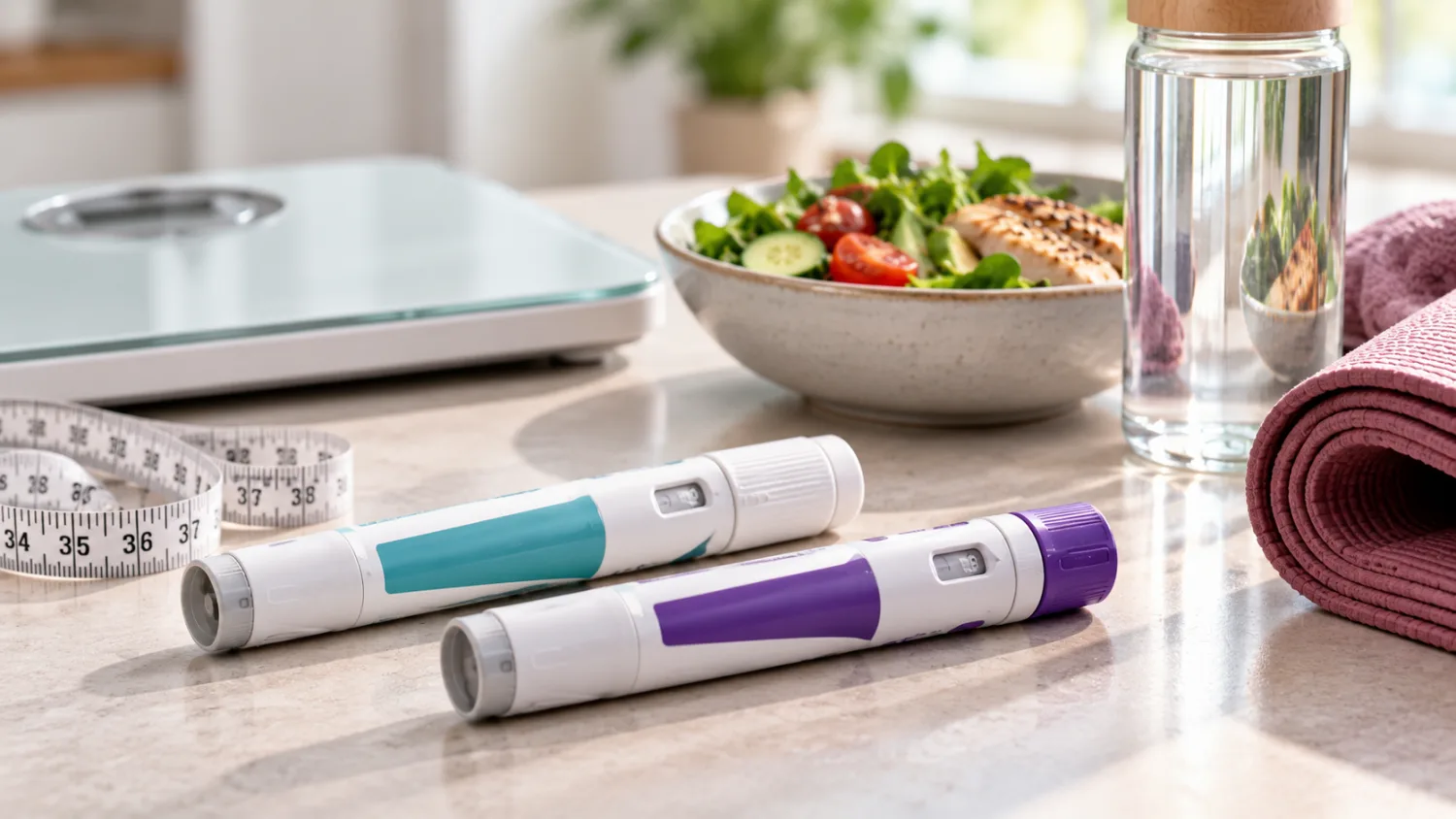
Weight loss injections such as Mounjaro and Wegovy can be very effective for some people, but they are still prescription medicines. They affect appetite, digestion, blood sugar, weight, and sometimes how other health conditions are managed. That is why a proper medical assessment matters before starting treatment.
For many people, that assessment is mainly based on BMI, medical history, current medicines, pregnancy risk, previous side effects, and weight-related health conditions. But blood tests can also be useful, especially if you have diabetes risk, thyroid symptoms, fatigue, high blood pressure, high cholesterol, kidney disease, liver concerns, PCOS, unexplained weight changes, or you are buying treatment privately.
There is no single blood test panel that every person must have before weight loss injections. A healthy person with no symptoms and a recent medical review may need fewer checks than someone with type 2 diabetes, kidney problems, abnormal liver tests, heavy periods, tiredness, or multiple medicines.
This guide explains which blood tests may be useful before starting Mounjaro, Wegovy, Ozempic-style medicines or other GLP-1 weight loss treatments, what the results can show, and when to speak to a GP, pharmacist or prescribing clinician before starting.
If you are still comparing treatment options, you may also find these guides helpful: Weight Loss Injections in the UK, How Much Do Weight Loss Injections Cost in the UK?, and Mounjaro Side Effects: What’s Normal, What’s Serious and When to Get Help.
Quick answer: which blood tests are most useful before weight loss injections?
The most useful blood tests before weight loss injections usually depend on your health history. However, commonly considered tests include:
| Blood test | Why it may be useful before treatment |
|---|---|
| HbA1c | Checks average blood sugar and can identify diabetes or prediabetes. |
| Fasting glucose | Shows current blood sugar, sometimes used alongside HbA1c. |
| Kidney function / U&E / eGFR / creatinine | Checks kidney function, especially important if vomiting, dehydration or diabetes risk is a concern. |
| Liver function tests | Can show fatty liver patterns, inflammation, bile duct issues or other liver concerns. |
| Cholesterol / lipid profile | Helps assess cardiovascular risk and track improvement with weight loss. |
| Thyroid function | Useful if weight change, tiredness, cold intolerance, palpitations or menstrual changes suggest a thyroid issue. |
| Full blood count | Checks for anaemia, infection markers and general blood health. |
| Ferritin, B12, folate and vitamin D | Useful if tiredness, hair shedding, low mood, heavy periods, restricted diet or nutritional concerns are present. |
| Pregnancy test | Important if pregnancy is possible, because GLP-1 medicines are not recommended during pregnancy. |
Not everyone needs every test. The point is not to order as many blood tests as possible. The point is to identify hidden risks, set a baseline, and make sure weight loss treatment is safe and appropriate for you.
If you have already had recent NHS or private blood tests, your prescriber may be able to use those results instead of repeating everything. If you do not understand your results, our guide to how to understand blood test results explains the basics.
Do you always need blood tests before Mounjaro or Wegovy?
No, not always. Some people can be assessed safely using medical history, BMI, current medicines, allergies, pregnancy status and suitability questions. However, blood tests are often sensible when there are risk factors or unanswered questions.
Blood tests may be especially useful before weight loss injections if you:
- have type 2 diabetes, prediabetes or symptoms of high blood sugar;
- have a strong family history of diabetes;
- take insulin, sulfonylureas or other diabetes medicines;
- have kidney disease or previous abnormal kidney results;
- have liver disease, fatty liver or previous abnormal liver tests;
- have high cholesterol, high blood pressure or cardiovascular risk;
- have symptoms of thyroid disease;
- have unexplained tiredness, dizziness or hair loss;
- have heavy periods or possible iron deficiency;
- have PCOS or irregular periods;
- have had bariatric surgery or follow a restricted diet;
- are buying privately and have not had a recent health check;
- have lost weight unexpectedly before starting treatment;
- are older or have several long-term conditions.
Good prescribing should not feel like a quick online checkout. A regulated provider should ask enough questions to decide whether blood tests are needed and whether treatment is safe. NICE has highlighted that prescribing medicines for overweight and obesity should include initial assessment, counselling and follow-up processes, not just a prescription. You can view NICE guidance on tirzepatide here: NICE: tirzepatide for managing overweight and obesity.
If a provider offers weight loss injections without asking about medical history, medicines, pregnancy risk, diabetes, pancreatitis, gallbladder problems or eating disorder history, be cautious. Our guide Are Online Weight Loss Jabs Safe? explains how to check a provider properly.
HbA1c and blood sugar tests
HbA1c is one of the most useful blood tests before weight loss injections. It shows your average blood sugar over the previous two to three months. It can help identify normal blood sugar, prediabetes or diabetes.
This matters because many people considering weight loss injections also have insulin resistance, prediabetes or type 2 diabetes. Mounjaro and semaglutide medicines can affect blood sugar, appetite and food intake. If you already take diabetes medicines, your treatment plan may need careful review.
HbA1c can help answer questions such as:
- Do you have undiagnosed type 2 diabetes?
- Are you in the prediabetes range?
- Is your blood sugar already well controlled?
- Could weight loss treatment reduce diabetes risk?
- Do your diabetes medicines need reviewing before appetite drops?
Some people may also have a fasting glucose test. This measures blood sugar at one point in time, usually after fasting. It can be useful alongside HbA1c, especially if symptoms or previous results are unclear.
People using insulin or sulfonylurea medicines need extra caution. If Mounjaro or Wegovy reduces appetite and food intake, blood sugar patterns can change. Low blood sugar is more of a concern when GLP-1 treatment is combined with certain diabetes medicines.
Speak to your GP, diabetes nurse or prescriber before starting if you have diabetes or take diabetes medication. For more detail, read HbA1c and Blood Sugar Results Explained, Weight Loss Injections and Diabetes: What’s the Link?, and Understanding Your Diabetes Blood Test Results.
Kidney function: creatinine, eGFR and U&E
Kidney function tests are often useful before weight loss injections, especially if you have diabetes, high blood pressure, kidney disease, dehydration risk or take medicines that affect the kidneys.
Common kidney-related tests include:
- Creatinine: a waste product used to estimate kidney function;
- eGFR: an estimated measure of how well the kidneys filter blood;
- Urea: another waste product that can rise with dehydration or kidney issues;
- Electrolytes: salts such as sodium and potassium, often checked as part of U&E.
These tests matter because weight loss injections can cause nausea, vomiting or diarrhoea in some people. If those symptoms are significant, dehydration can put extra strain on the kidneys. This can be more serious if you already have reduced kidney function or take medicines such as diuretics, ACE inhibitors, ARBs, anti-inflammatory painkillers or some diabetes medicines.
Kidney results also give a useful baseline. If you later become unwell with vomiting, diarrhoea, dizziness or dehydration, doctors can compare new results with your starting point.
You should seek medical advice urgently if you are using a weight loss injection and develop repeated vomiting, severe diarrhoea, confusion, fainting, very little urine, or severe weakness. NHS information on tirzepatide lists nausea, vomiting, constipation, diarrhoea, stomach pain and tiredness among common side effects, so hydration and symptom monitoring are important. NHS: tirzepatide.
For more on these results, see Kidney Blood Test Results Explained, eGFR and Creatinine Results Explained, and U&E Blood Test Results Explained.
Liver function tests and fatty liver risk
Liver function tests, often called LFTs, can be useful before weight loss injections because many people living with obesity also have fatty liver disease or raised liver enzymes. Weight loss can improve fatty liver risk in some people, but abnormal liver tests should still be understood properly.
Liver function tests may include:
- ALT and AST: enzymes that can rise with liver inflammation or injury;
- ALP and GGT: can be raised with bile duct, liver or alcohol-related patterns;
- Bilirubin: can rise with bile flow issues, liver problems or blood breakdown;
- Albumin: a protein made by the liver, sometimes used as a general marker of liver function.
These results do not diagnose everything on their own. Mildly raised liver enzymes can happen for many reasons, including fatty liver, alcohol, medicines, viral infections, gallbladder problems, muscle injury and other conditions.
They are still useful because GLP-1 medicines can affect digestion and weight loss can change gallbladder risk. Rapid weight loss itself may increase the risk of gallstones in some people. If you already have right upper abdominal pain, known gallstones, abnormal bilirubin, pale stools, dark urine or yellowing of the skin or eyes, you should speak to a doctor before starting.
It is not a good idea to ignore abnormal liver results just because your main goal is weight loss. A prescriber may still decide treatment is suitable, but they may want more context, repeat tests, an ultrasound or GP review first.
Useful related guides include Liver Function Test Results Explained, ALT, AST, ALP and GGT Liver Results Explained, and Gallstones: Symptoms, Gallbladder Pain and When Surgery Is Needed.
Cholesterol and cardiovascular risk tests
A cholesterol test, also called a lipid profile, is useful because weight and cardiovascular risk are closely linked. Many people considering medical weight loss have high cholesterol, high blood pressure, diabetes risk, sleep apnoea or a family history of heart disease.
A lipid profile may include:
- total cholesterol;
- LDL cholesterol;
- HDL cholesterol;
- non-HDL cholesterol;
- triglycerides.
These results help build a clearer picture of your heart and stroke risk. They may also provide a baseline so you can see whether weight loss, diet changes, activity or medication improve your numbers over time.
It is important not to think of weight loss injections as only cosmetic. For many people, the bigger aim is reducing health risk. That may include improving blood sugar, blood pressure, cholesterol, sleep apnoea, mobility and quality of life.
However, a cholesterol result should be interpreted alongside age, sex, blood pressure, smoking status, diabetes, kidney disease, family history and other risk factors. If your cholesterol is high, your GP may discuss lifestyle changes, statins or further risk assessment.
For more detail, read Cholesterol Blood Test Results Explained, High Cholesterol: Causes, Treatment and How to Lower It, and Cardiovascular Risk: The Complete Guide to Heart Attack and Stroke Prevention.
Thyroid blood tests
Thyroid blood tests are not needed for everyone before weight loss injections, but they are useful when symptoms suggest thyroid disease or when weight changes are difficult to explain.
The most common thyroid tests are:
- TSH: thyroid-stimulating hormone, often the first screening marker;
- Free T4: one of the main thyroid hormones;
- Free T3: sometimes checked in more specific situations;
- Thyroid antibodies: may be checked if autoimmune thyroid disease is suspected.
An underactive thyroid can contribute to tiredness, cold intolerance, dry skin, constipation, low mood, heavier periods and modest weight gain. An overactive thyroid can cause weight loss, palpitations, anxiety, heat intolerance, tremor and diarrhoea.
If your weight has changed alongside clear thyroid symptoms, it is better to check and treat the underlying issue rather than assuming a weight loss injection is the answer. For people already taking levothyroxine, weight loss, diet changes, vomiting, diarrhoea or changes in timing of medicines can sometimes affect how treatment is managed.
Thyroid tests can also help avoid unrealistic expectations. If your thyroid is normal, that does not mean weight loss is easy, but it helps rule out one common medical explanation.
For more background, see Thyroid Blood Test Results Explained, Could a Thyroid Problem Be Affecting Your Weight?, and Levothyroxine Explained.
Full blood count, ferritin, B12, folate and vitamin D
A full blood count and nutrient-related tests are not always required before weight loss injections, but they can be very useful if you have tiredness, hair shedding, dizziness, heavy periods, restricted diet, previous bariatric surgery, digestive problems or unexplained symptoms.
A full blood count checks red blood cells, white blood cells and platelets. It can help identify anaemia, infection patterns and some general health issues.
Ferritin reflects iron stores. Low ferritin can cause tiredness, hair shedding, restless legs, shortness of breath on exertion or feeling weaker than usual, even before severe anaemia develops.
Vitamin B12 and folate are important for blood cells and nerve function. Low levels can contribute to tiredness, mouth ulcers, tingling, numbness, memory symptoms or anaemia.
Vitamin D is commonly low in the UK and can be relevant to bone, muscle and general wellbeing, although it is not a “weight loss test” by itself.
Why do these matter before weight loss injections? Because appetite may drop significantly. If you already have low iron, low B12, low folate, poor protein intake or a very restricted diet, eating less may make symptoms more noticeable. Rapid weight loss can also be associated with hair shedding in some people, especially if nutrition is poor.
These tests are especially worth considering if you have:
- heavy periods;
- vegetarian or vegan diet with limited planning;
- previous stomach or bowel surgery;
- coeliac disease or inflammatory bowel disease;
- long-term reflux medicine use;
- unexplained fatigue;
- hair shedding before starting treatment;
- very low calorie intake;
- history of eating disorders.
Useful related guides include Full Blood Count Results Explained, Iron, Ferritin and Anaemia Blood Test Results Explained, B12 and Folate Blood Test Results Explained, and Vitamin D Blood Test Results Explained.
Hormone tests, PCOS and menopause
Many people ask whether they need hormone tests before weight loss injections. The answer depends on symptoms. Hormone tests are not routinely needed for everyone, but they can be useful in some situations.
For women with irregular periods, acne, excess facial hair, scalp hair thinning or difficulty losing weight, PCOS may be part of the picture. Blood tests may include testosterone, SHBG, LH, FSH, prolactin, thyroid tests, HbA1c and cholesterol, depending on symptoms and clinical assessment.
For women in their 40s or 50s, menopause and perimenopause can affect body composition, sleep, appetite, mood, muscle mass and fat distribution. Blood tests are not always needed to diagnose menopause in women over 45 with typical symptoms, but tests may be used in younger women or when symptoms are unclear.
For men with low energy, low libido, reduced morning erections, low mood, loss of muscle or increased abdominal fat, testosterone testing may be considered. This is usually best done as a morning blood test and interpreted carefully, not as a casual add-on.
The key point is that hormone tests should answer a clinical question. A huge hormone panel without symptoms can be expensive and confusing. A focused test based on symptoms is usually more useful.
If your weight concerns are linked with PCOS, menopause or testosterone symptoms, these guides may help: PCOS and Weight Gain, Menopause and Weight Gain, Female Hormone Blood Test Results Explained, and Testosterone Blood Test Results Explained.
Pregnancy testing, contraception and medication review
If pregnancy is possible, a pregnancy test may be important before starting weight loss injections. GLP-1 medicines are not recommended during pregnancy, and you should speak to a healthcare professional if you are trying to conceive, pregnant or breastfeeding.
The MHRA advises that GLP-1 medicines for weight loss and diabetes should not be taken during pregnancy or just before trying to get pregnant because there is not enough safety data. It also advises patients to discuss contraception and pregnancy plans with a healthcare professional. You can read the MHRA guidance here: GLP-1 medicines for weight loss and diabetes: what you need to know.
This is not just about blood tests. A medication review is just as important as lab work. Tell your prescriber if you take:
- insulin or diabetes tablets;
- blood pressure medicines;
- diuretics or water tablets;
- anti-inflammatory painkillers;
- levothyroxine;
- contraceptive pills;
- antidepressants or mental health medicines;
- steroids;
- medicines that affect digestion;
- supplements or non-prescribed products.
Vomiting and diarrhoea can affect hydration and may also affect absorption of some oral medicines. Weight loss itself can change blood pressure, blood sugar and sometimes the dose needed for certain medicines. If you are already on regular medication, do not treat weight loss injections as separate from the rest of your healthcare.
When to repeat blood tests after starting treatment
Repeat blood tests are not the same for everyone. The timing depends on your starting results, symptoms, medical conditions and medicines.
Follow-up blood tests may be useful if:
- you have diabetes or prediabetes and need HbA1c monitoring;
- your kidney function was reduced before starting;
- you develop vomiting, diarrhoea or dehydration symptoms;
- your liver tests were abnormal at baseline;
- you have high cholesterol and want to track cardiovascular risk;
- you have fatigue, dizziness, hair shedding or poor intake;
- you lose weight rapidly;
- you take medicines that may need dose adjustment as weight changes;
- your prescriber requests monitoring before dose escalation.
For many people, a sensible pattern might involve baseline tests before treatment, then repeat checks after several months if there are risks, symptoms or abnormal results. People with diabetes may already have a regular HbA1c review schedule through their GP or diabetes team.
Do not rely on blood tests alone. Follow-up should also include weight trend, side effects, blood pressure, eating pattern, hydration, bowel habits, mental health, protein intake, activity and whether the treatment is still appropriate.
If side effects are difficult, read Mounjaro Side Effects and Dehydration Symptoms in Adults and Children.
How to arrange blood tests in the UK
There are several ways to arrange blood tests before weight loss injections in the UK. The best route depends on why the tests are needed.
Your GP may arrange tests if you have symptoms, diabetes risk, thyroid symptoms, fatigue, abnormal previous results or another medical reason. However, NHS blood tests are not usually provided simply because someone wants private weight loss treatment.
A private GP or weight loss clinic may offer baseline assessment and blood tests as part of a medical weight management programme. This can be useful if you want a more complete review before starting.
Private blood test providers can offer HbA1c, cholesterol, thyroid, liver, kidney, full blood count and nutrient tests. These can be convenient, but results should still be interpreted properly, especially if anything is abnormal.
At-home blood test kits can be useful for some markers, but finger-prick samples are not ideal for every test. Venous samples may be better for certain results or where accuracy is important.
If you use private testing, choose a reputable provider and make sure you know who will explain abnormal results. A blood test is only useful if the result leads to sensible action.
For more detail, read Private Blood Test Costs in the UK, NHS vs Private Blood Tests, At-Home Blood Test Kits: Are They Accurate?, and Finger-Prick vs Venous Blood Tests.
FAQ
Do I need blood tests before starting Mounjaro?
Not everyone needs blood tests before Mounjaro, but they can be useful if you have diabetes risk, kidney disease, liver concerns, thyroid symptoms, fatigue, high cholesterol, PCOS, heavy periods, or you have not had a recent health check. Your prescriber should advise based on your medical history.
Do I need blood tests before Wegovy?
Some people can start Wegovy after a medical assessment without extra blood tests, but tests may be recommended if you have risk factors or symptoms. HbA1c, kidney function, liver function, cholesterol and thyroid tests are commonly considered.
What is the most important blood test before weight loss injections?
HbA1c is one of the most useful tests because it checks average blood sugar and can identify diabetes or prediabetes. Kidney function, liver function and cholesterol tests are also commonly useful depending on your health history.
Should I check my thyroid before weight loss injections?
Thyroid testing is useful if you have symptoms such as tiredness, cold intolerance, constipation, palpitations, tremor, menstrual changes or unexplained weight change. It is not always necessary for everyone.
Can abnormal blood tests stop me from getting weight loss injections?
Sometimes. Abnormal results do not always mean treatment is impossible, but they may need further review before starting. For example, significantly abnormal kidney, liver, blood sugar or pregnancy results should be discussed with a clinician.
Do weight loss injections affect blood sugar?
Yes. Medicines such as Mounjaro and semaglutide can affect blood sugar regulation. This can be beneficial for some people with type 2 diabetes, but people taking insulin or certain diabetes tablets may need medication review to reduce low blood sugar risk.
Do weight loss injections affect kidney function?
The medicine itself is not usually taken to damage kidneys, but side effects such as repeated vomiting, diarrhoea and dehydration can put strain on the kidneys, especially in people with existing kidney disease or certain medications. Kidney function tests can provide a useful baseline.
Should I test cholesterol before starting?
A cholesterol test is useful because it helps assess cardiovascular risk and gives a baseline for future improvement. Weight loss, diet changes and activity may improve cholesterol in some people, but high results may still need GP review.
Should I test iron or ferritin before starting?
Ferritin and iron tests are useful if you have tiredness, hair shedding, heavy periods, dizziness, restless legs or a restricted diet. Low iron can make weight loss treatment feel harder because appetite reduction may reduce nutrient intake further.
Should I have a pregnancy test before weight loss injections?
If pregnancy is possible, a pregnancy test may be important before starting. GLP-1 medicines are not recommended during pregnancy or just before trying to conceive, so discuss contraception and pregnancy plans with your prescriber.
Can I use private blood test results for an online weight loss provider?
Often yes, but it depends on the provider and how recent the results are. Make sure the provider reviews the results properly and explains whether anything needs follow-up before prescribing.
How often should blood tests be repeated after starting?
There is no single schedule for everyone. Repeat testing may be needed after a few months if you have diabetes, abnormal baseline results, kidney or liver concerns, side effects, rapid weight loss or medication changes. Your prescriber or GP should advise.
Are finger-prick blood tests enough before weight loss injections?
Finger-prick tests can be useful for some checks, but venous blood tests may be more reliable or suitable for certain markers. If results are abnormal or do not match symptoms, a venous sample or GP review may be needed.
What should I do if my blood tests are abnormal?
Do not ignore abnormal results or start treatment without advice. Speak to your GP, private doctor or prescribing clinician. Some abnormalities may only need monitoring, while others need further tests, treatment or a delay before starting weight loss injections.
Can blood tests tell me whether weight loss injections will work?
Not directly. Blood tests can show health risks and baseline markers, but they cannot guarantee how much weight you will lose. Response depends on the medicine, dose, appetite changes, side effects, nutrition, activity, sleep, medical conditions and long-term habits.