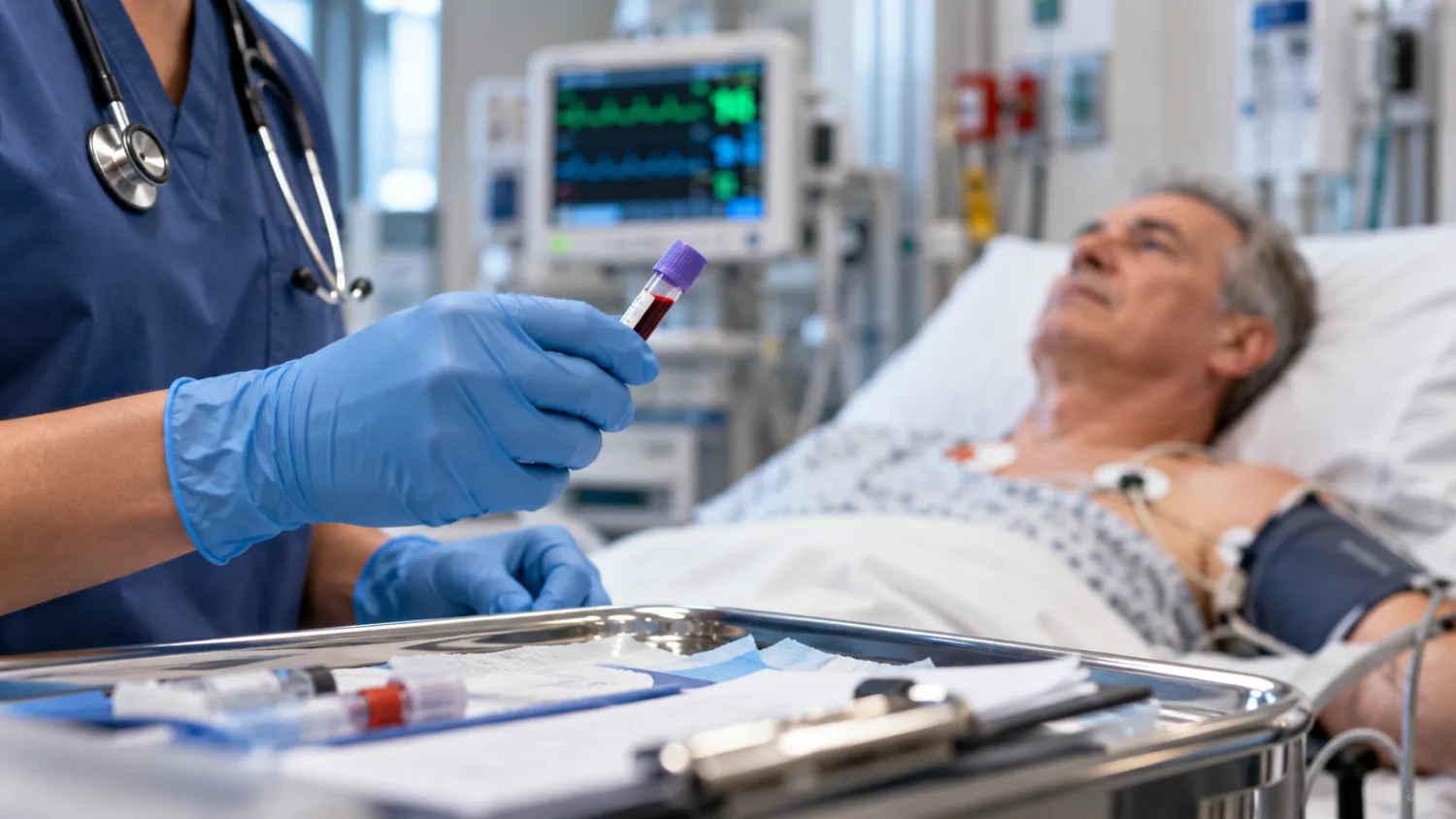
Female hormone blood tests can be helpful, but they are also easy to misunderstand.
A hormone result is not like a simple positive or negative test. Most female hormones change throughout the menstrual cycle, fluctuate with age, respond to stress, sleep, weight, medication and contraception, and may need to be taken on a specific day to be meaningful.
This is why many people receive a private hormone panel and feel more confused than before. One result may be marked “high”, another “low”, and another “borderline”, but the report may not explain whether the test was taken at the right time, whether the result fits the symptoms, or whether it changes what should happen next.
Female hormone blood tests may be used to investigate irregular periods, fertility problems, suspected PCOS, early menopause, premature ovarian insufficiency, high prolactin, low libido, acne, excess facial or body hair, heavy bleeding, absent periods, or symptoms that overlap with thyroid disease and other health conditions.
This guide explains the main female hormone blood tests, what high and low results may mean, why timing matters, how results are interpreted in the UK, and when you should speak to a GP, fertility clinic, gynaecologist or endocrinologist.
Important: This article is for general information only. Female hormone results should be interpreted with your age, symptoms, menstrual cycle timing, contraception, pregnancy status, medication, medical history and reason for testing. Do not start or stop hormone treatment, fertility medication, thyroid medication or supplements based only on a private blood test report.
What female hormone blood tests are
Female hormone blood tests measure hormones involved in the menstrual cycle, ovulation, fertility, menopause, sexual function, breast milk production, thyroid function and androgen balance.
They are often requested when symptoms suggest the ovaries, pituitary gland, thyroid gland, adrenal glands or reproductive system may be involved.
A typical female hormone blood test panel may include:
- FSH — follicle-stimulating hormone
- LH — luteinising hormone
- Oestradiol — the main form of oestrogen usually measured in blood
- Progesterone — useful for assessing whether ovulation has happened when timed correctly
- Prolactin — involved in breast milk production and period regulation
- Testosterone — an androgen that women also produce in smaller amounts
- SHBG — sex hormone-binding globulin, which affects how much testosterone is available
- Free androgen index — sometimes calculated from testosterone and SHBG
- DHEA-S — an adrenal androgen
- AMH — anti-Müllerian hormone, used mainly in fertility settings
- TSH and free T4 — thyroid tests, often checked because thyroid problems can mimic hormone symptoms
Not everyone needs all of these. The right tests depend on the question being asked.
Testing for irregular periods is different from testing for fertility, suspected PCOS, menopause symptoms or low libido.
Why timing matters with female hormone tests
Female hormone results can be misleading if the sample is taken at the wrong time.
Some hormones are supposed to be high at certain times and low at others. That means the same result could be normal or abnormal depending on the day of your cycle.
For example, progesterone is expected to be low before ovulation and higher after ovulation. FSH and LH are often checked near the start of the cycle. Oestradiol changes throughout the cycle. Testosterone is often best checked in the morning. Prolactin can be affected by stress, sleep, exercise, breast stimulation and some medicines.
If your period cycle is regular, the first day of full bleeding is usually counted as day 1. Spotting before the period does not usually count as day 1.
If your cycles are irregular or absent, timing is harder and your clinician may interpret the result differently.
As a broad guide, although local advice can vary:
| Test | Common timing | Why timing matters |
|---|---|---|
| FSH, LH, oestradiol | Often day 2 to day 5 of the menstrual cycle | Used as baseline reproductive hormone markers, especially in fertility or cycle investigations. |
| Progesterone | About 7 days before the expected period, often called “day 21” in a 28-day cycle | Used to check whether ovulation has happened. Day 21 is not correct for everyone. |
| Prolactin | Often morning, after resting, avoiding stress where possible | Can rise temporarily with stress, exercise, sleep, sex, nipple stimulation and some medicines. |
| Testosterone and androgens | Often morning | Levels and interpretation may vary by time, method and contraception use. |
| AMH | Can often be taken at any point in the cycle | Mainly used in fertility assessment, not as a general “hormone balance” test. |
| Thyroid tests | Usually any day | Useful when symptoms overlap with menstrual, fertility or menopause concerns. |
If you have private hormone results and the report does not show your cycle day, contraception use, medication or symptoms, be cautious. The interpretation may be incomplete.
Why female hormone testing may be requested
Female hormone blood tests may be considered if you have symptoms that suggest a hormonal, reproductive, thyroid, pituitary or adrenal cause.
Common reasons include:
- irregular periods
- periods stopping unexpectedly
- very infrequent periods
- heavy periods or prolonged bleeding
- difficulty getting pregnant
- recurrent miscarriage assessment in some settings
- suspected PCOS
- acne or oily skin with irregular periods
- excess facial or body hair
- hair thinning in a pattern suggestive of androgen excess
- hot flushes or night sweats before age 45
- suspected early menopause or premature ovarian insufficiency
- milky nipple discharge when not breastfeeding
- low libido in selected situations
- unexplained tiredness, weight changes or mood changes where thyroid disease or anaemia may also need checking
Hormones are only one part of the picture.
For example, heavy periods may need a full blood count and ferritin as much as hormone tests. Pelvic pain may need examination or ultrasound. Persistent bloating or feeling full quickly may need a different pathway altogether.
If pelvic symptoms are part of the picture, you may also find CA125 Blood Test Results Explained useful.
FSH, LH and oestradiol results explained
FSH blood test results
FSH stands for follicle-stimulating hormone. It is made by the pituitary gland in the brain and helps stimulate the ovaries.
FSH is involved in follicle development and oestrogen production. It is often checked in fertility investigations, suspected early menopause, premature ovarian insufficiency, absent periods and sometimes irregular cycles.
It may be checked with LH and oestradiol.
High FSH can suggest that the ovaries are not responding as strongly as expected, so the brain is producing more FSH to try to stimulate them.
This can happen around menopause, in early menopause, or in premature ovarian insufficiency.
High FSH may be relevant in:
- menopause or perimenopause
- early menopause between ages 40 and 45
- premature ovarian insufficiency before age 40
- reduced ovarian response in some fertility assessments
- after some cancer treatments or ovarian surgery
However, FSH naturally varies. In perimenopause, it can be high one month and lower another month. A single high result does not always give the full answer.
For most people aged 45 or over with typical menopause symptoms, FSH is usually not needed to diagnose menopause. Symptoms and period pattern are usually more useful. See Menopause Blood Tests Explained for more detail.
Low or normal FSH may be normal depending on your cycle day. It may also be seen with hormonal contraception, pregnancy, pituitary or hypothalamic causes of absent periods, low body weight, excessive exercise, significant stress, or some long-term illnesses.
A normal FSH does not rule out perimenopause. This is especially important if you are in your late 40s with typical symptoms.
LH blood test results
LH stands for luteinising hormone. It is also made by the pituitary gland. LH helps trigger ovulation and supports reproductive hormone function.
LH is often interpreted with FSH. It may be checked in fertility investigations, irregular periods, suspected PCOS, absent periods or early menopause assessment.
High LH can happen around ovulation, which is normal. It can also be raised around menopause and in some people with PCOS.
In PCOS, LH may be higher relative to FSH, but the LH-to-FSH ratio is not enough to diagnose PCOS by itself.
High LH may be considered alongside symptoms such as irregular periods, acne, excess facial hair, scalp hair thinning, weight changes or difficulty getting pregnant.
Low LH may occur when the brain is not sending strong reproductive hormone signals to the ovaries.
This can be linked with low body weight, eating disorders, excessive exercise, severe stress, chronic illness or pituitary/hypothalamic conditions.
If periods have stopped and FSH and LH are both low or inappropriately normal, the cause may not be menopause. This needs proper clinical assessment.
Oestradiol blood test results
Oestradiol is the main type of oestrogen measured in blood.
It plays a role in the menstrual cycle, fertility, vaginal tissues, bones, skin, blood vessels and many other body systems.
Oestradiol rises and falls through the cycle. It is usually lower at the beginning of the cycle, rises as a follicle develops, peaks before ovulation and changes again after ovulation.
High oestradiol may be normal depending on the stage of your cycle. It can be high before ovulation. It can also be affected by fertility treatment, ovarian cysts, pregnancy, oestrogen-containing medication or HRT.
In fertility assessment, oestradiol is often interpreted with FSH and ultrasound findings. A high early-cycle oestradiol can sometimes make FSH harder to interpret, but this is a specialist area and should not be judged from one number alone.
Low oestradiol may be normal at certain points in the cycle. It may also be seen after menopause, in premature ovarian insufficiency, during some hormonal treatments, with low body weight, excessive exercise, hypothalamic causes of absent periods, or after removal of the ovaries.
Low oestradiol can contribute to hot flushes, night sweats, vaginal dryness, painful sex, reduced bone density and absent periods, but symptoms and context matter. One low result does not automatically mean you need HRT or fertility treatment.
Progesterone and prolactin results explained
Progesterone blood test results
Progesterone is produced mainly after ovulation. It helps prepare the womb lining for possible pregnancy and supports the second half of the menstrual cycle.
Progesterone is often used to check whether ovulation has happened. It must be timed correctly.
The common phrase “day 21 progesterone” only works for someone with a regular 28-day cycle. If your cycle is longer or shorter, the test should usually be timed about 7 days before your expected period.
High progesterone in the second half of the cycle usually suggests ovulation has occurred. In early pregnancy, progesterone may also be higher.
Progesterone may also be affected by fertility treatment or progesterone medication. If you use progesterone pessaries, tablets, injections or HRT, tell the clinician interpreting the result.
Low progesterone may mean ovulation did not happen in that cycle, or it may simply mean the test was taken at the wrong time. This is very common with irregular cycles.
Low progesterone before ovulation is normal. A low “day 21” progesterone in someone with a 35-day cycle may be meaningless because the test was taken too early.
Possible reasons for low progesterone when timed correctly include anovulation, PCOS, hypothalamic cycle disruption, perimenopause, thyroid disease, high prolactin or other reproductive hormone problems.
Prolactin blood test results
Prolactin is a hormone made by the pituitary gland. It is best known for its role in breast milk production, but it can also affect periods, ovulation, fertility and libido.
Prolactin may be checked if you have absent or irregular periods, milky nipple discharge when not breastfeeding, fertility problems, low libido, headaches or visual symptoms.
High prolactin is called hyperprolactinaemia. It can happen for many reasons, including pregnancy, breastfeeding, stress, recent exercise, sex, nipple stimulation, sleep, some medicines, underactive thyroid, kidney disease and pituitary conditions such as prolactinoma.
Common medicines that may raise prolactin include some antipsychotics, antidepressants, anti-sickness medicines, opiates and some blood pressure medicines.
Do not stop prescribed medicine without medical advice.
If prolactin is mildly raised, the test may be repeated under calmer conditions. If it is persistently raised, your clinician may check pregnancy status, thyroid function, kidney function and medication causes.
Sometimes referral to endocrinology or pituitary imaging is needed.
Low prolactin is less commonly a concern. It may be seen in some pituitary conditions, but most low prolactin results are not interpreted in isolation.
If you have symptoms after pituitary surgery, childbirth complications or known pituitary disease, specialist advice may be needed.
Androgen tests: testosterone, SHBG, FAI and DHEA-S
Testosterone blood test results in women
Women produce testosterone in smaller amounts than men. It is made by the ovaries and adrenal glands.
Testosterone and related androgens can affect skin, hair growth, libido, energy and muscle.
Testosterone may be checked if you have irregular periods, acne, excess facial or body hair, scalp hair thinning, suspected PCOS or symptoms of androgen excess.
High testosterone may be linked with PCOS, which is one of the commonest causes. It can also be related to some adrenal conditions, ovarian conditions, certain medicines or, rarely, androgen-producing tumours.
Symptoms of androgen excess may include:
- excess facial or body hair
- persistent acne
- scalp hair thinning
- irregular or infrequent periods
- difficulty getting pregnant
A mildly raised testosterone result is often interpreted differently from a very high result or a result associated with rapid changes such as deepening voice, rapid hair growth, increased muscle mass or clitoral enlargement.
Rapid virilising symptoms need urgent specialist review.
If PCOS is suspected, you may find this guide useful: PCOS: Symptoms, Diagnosis and Treatment in the UK.
Low testosterone in women is harder to interpret. Standard tests may not be very precise at the low levels found in women.
Low libido, fatigue or low mood should not automatically be blamed on low testosterone because many physical, emotional, relationship, medication and life factors can contribute.
In menopause care, testosterone treatment may sometimes be considered for low sexual desire when other causes have been addressed, but this should be done with clinical supervision.
A low testosterone result alone does not automatically mean treatment is needed.
For a broader explanation of testosterone testing, see Testosterone Blood Test Results Explained.
SHBG and free androgen index
SHBG stands for sex hormone-binding globulin. It is a protein that binds sex hormones in the blood, including testosterone.
When SHBG is low, more testosterone may be available to tissues, even if total testosterone is not dramatically high.
The free androgen index, often shortened to FAI, may be calculated from total testosterone and SHBG. It can help assess androgen excess in some people.
High SHBG can be seen with oestrogen-containing contraception, pregnancy, some liver conditions, hyperthyroidism and some medications. High SHBG can reduce the amount of available testosterone.
Low SHBG can be linked with insulin resistance, obesity, PCOS, type 2 diabetes, hypothyroidism and some androgenic medications.
Low SHBG can make androgen symptoms more likely because more testosterone may be available.
If PCOS or insulin resistance is part of the picture, HbA1c and cholesterol testing may also be relevant. See HbA1c and Blood Sugar Results Explained and Cholesterol Blood Test Results Explained.
DHEA-S blood test results
DHEA-S is an androgen produced mainly by the adrenal glands.
It may be checked when androgen excess is suspected, especially if testosterone is raised or symptoms are more severe.
High DHEA-S can suggest that the adrenal glands are contributing to androgen excess.
It may be seen in PCOS, but very high levels may need assessment for adrenal causes. This is especially important if symptoms develop quickly or are severe.
Low DHEA-S can occur with age, adrenal insufficiency or some medications, but it is not usually interpreted alone in routine female hormone testing.
Be cautious with private reports that suggest DHEA supplements based only on a low-normal result. DHEA is a hormone-active supplement and may not be appropriate or safe for everyone.
AMH, thyroid tests and common hormone-related conditions
AMH blood test results
AMH stands for anti-Müllerian hormone. It is produced by small follicles in the ovaries and is often used in fertility settings as one marker of ovarian reserve.
AMH can be useful when planning fertility treatment, especially IVF, because it can help estimate how the ovaries may respond to stimulation.
But it does not tell you whether you can definitely get pregnant naturally, and it does not measure egg quality.
High AMH can be seen in PCOS because there may be a higher number of small follicles. It can also suggest a stronger ovarian response during fertility treatment.
Low AMH can suggest a lower ovarian reserve, but it does not mean pregnancy is impossible.
Age remains one of the most important factors for fertility because egg quality changes with age.
AMH is sometimes marketed as a way to “check fertility” or “predict menopause”. This can be misleading. It may provide useful information in fertility care, but it should not be treated as a simple pass-or-fail test.
Thyroid blood tests and female hormones
Thyroid tests are not female hormone tests, but they are often essential when investigating period changes, fertility problems, fatigue, weight changes, anxiety, low mood, palpitations or hair thinning.
An underactive thyroid can cause heavy periods, irregular periods, fatigue, weight gain, constipation, dry skin, low mood and high cholesterol.
An overactive thyroid can cause lighter or absent periods, anxiety, sweating, palpitations, weight loss, tremor and heat intolerance.
Because thyroid symptoms overlap with PCOS, menopause, anxiety and general fatigue, thyroid function is often checked as part of a sensible hormone-related assessment.
Read more here: Thyroid Blood Test Results Explained.
Female hormone tests and PCOS
PCOS, or polycystic ovary syndrome, is one of the most common reasons for female hormone testing.
It can cause irregular or infrequent periods, signs of androgen excess such as acne or excess hair growth, and polycystic ovaries on ultrasound.
PCOS is not diagnosed from one blood test.
In many cases, diagnosis is based on having two out of three key features: irregular ovulation or irregular periods, clinical or biochemical evidence of androgen excess, and polycystic ovaries on ultrasound. Other causes also need to be considered.
Blood tests in suspected PCOS may include:
- testosterone
- SHBG and free androgen index
- LH and FSH
- prolactin
- thyroid function
- 17-hydroxyprogesterone in some cases
- HbA1c or glucose
- cholesterol or lipid profile
The aim is not only to support the diagnosis, but also to rule out other causes and check wider metabolic risk. PCOS can be linked with insulin resistance, type 2 diabetes risk and cholesterol changes.
Useful related guides include PCOS: Symptoms, Diagnosis and Treatment in the UK, PCOS and Weight Gain and HbA1c and Blood Sugar Results Explained.
Fertility, menopause, heavy periods and absent periods
Female hormone tests and fertility
Hormone tests are commonly used in fertility investigations.
They may help assess ovulation, ovarian reserve, thyroid function, prolactin, PCOS and whether further fertility support is needed.
Common fertility-related hormone tests include:
- day 2 to 5 FSH, LH and oestradiol
- progesterone around 7 days before the expected period
- AMH
- TSH and sometimes thyroid antibodies
- prolactin
- testosterone and androgen markers if PCOS is suspected
Fertility testing should usually involve both partners where relevant.
A normal female hormone panel does not rule out tubal problems, endometriosis, sperm issues or age-related egg quality changes.
A fertility clinic may also recommend ultrasound, semen analysis, ovulation tracking or tubal assessment depending on the situation.
Female hormone tests and menopause
Hormone testing around menopause is one of the most common sources of confusion.
For most otherwise healthy people aged 45 or over with typical symptoms, blood tests are not needed to diagnose perimenopause or menopause.
This is because hormone levels fluctuate and symptoms plus menstrual changes are usually more informative.
FSH testing may be useful in selected situations, such as symptoms between ages 40 and 45 or suspected premature ovarian insufficiency before age 40.
Oestradiol, AMH, inhibin tests and ovarian volume are not generally recommended to identify menopause in people aged 45 or over.
If your main question is whether hormone blood tests can diagnose menopause, read Menopause Blood Tests Explained.
Female hormone tests and heavy periods
Heavy periods are not always caused by hormone imbalance.
They can be linked with fibroids, adenomyosis, polyps, endometriosis, bleeding disorders, thyroid disease, contraception, perimenopause or sometimes cancer-related changes.
If periods are heavy, the most useful first tests may include a full blood count and ferritin to check for anaemia and low iron stores.
Thyroid function may also be checked. Hormone tests may be useful in selected cases, but they are not always the main investigation.
If your bleeding has changed, is very heavy, happens between periods, occurs after sex, or happens after menopause, seek medical advice.
Related guides include Heavy Periods: Causes, Tests and Treatment, Fibroids: Symptoms, Heavy Bleeding and Treatment and Iron, Ferritin and Anaemia Blood Test Results Explained.
Female hormone tests and absent periods
Absent periods are called amenorrhoea. If periods stop unexpectedly, the first thing to consider is pregnancy if there is any possibility.
After that, causes may include PCOS, menopause, premature ovarian insufficiency, high prolactin, thyroid disease, low body weight, excessive exercise, stress, chronic illness, medication or pituitary/hypothalamic conditions.
Blood tests may include:
- pregnancy test
- FSH and LH
- oestradiol
- prolactin
- thyroid function
- testosterone and androgen markers
- other tests depending on symptoms
If you have not had a period for several months and you are not pregnant, speak to a GP.
Do not assume it is simply stress without assessment, especially if you are under 45.
Acne, hair changes, low libido, contraception and HRT
Female hormone tests and acne, facial hair or hair thinning
Acne, excess facial or body hair and scalp hair thinning can be linked with androgen excess.
PCOS is a common cause, but not the only one.
Blood tests may include testosterone, SHBG, free androgen index, DHEA-S, prolactin and thyroid function.
If symptoms are severe, sudden or rapidly worsening, specialist assessment is important because rare ovarian or adrenal causes need to be excluded.
If acne is the main problem, see Acne Treatment in the UK.
If hair shedding is part of the picture, see Hair Loss: Causes and Treatments.
Female hormone tests and low libido
Low libido can have many causes. Hormones may be part of the picture, but they are rarely the only factor.
Sleep, stress, relationship issues, pain during sex, vaginal dryness, contraception, antidepressants, depression, anxiety, menopause symptoms, trauma, body image, chronic illness and fatigue can all contribute.
Blood tests may be considered if there are other symptoms, such as menopause symptoms, thyroid symptoms, irregular periods, high prolactin symptoms or signs of androgen imbalance.
Testosterone testing in women can be difficult to interpret, and treatment should not be based on one result alone.
If vaginal dryness or painful sex is present, local vaginal oestrogen or other treatments may help, even when blood tests are not needed. Speak to a GP or menopause clinician.
How hormonal contraception affects test results
Hormonal contraception can make female hormone results difficult to interpret.
The combined pill, patch and ring suppress natural ovulation and alter FSH, LH, oestradiol, progesterone, SHBG and testosterone-related markers.
Some progestogen-only methods also change bleeding patterns and hormone interpretation.
This matters because a private hormone panel taken while using contraception may not reflect your natural cycle. It may show low ovulation hormones because contraception is doing its job.
Do not stop contraception just to “get accurate hormone tests” without medical advice.
If testing is needed, a clinician can advise whether, when and how to test safely.
How HRT affects female hormone tests
HRT can affect oestradiol, progesterone and sometimes other hormone readings.
If you are using HRT, tell the person interpreting your results exactly what type you use: patch, gel, spray, tablet, implant, vaginal oestrogen, Mirena coil, micronised progesterone or another progestogen.
For many people on HRT, symptom control and side effects are more useful than routine blood hormone levels.
Blood tests may be used in selected specialist situations, but they are not usually needed for routine HRT monitoring.
Private hormone tests and how to read results
Private female hormone blood tests
Private hormone testing can be useful when it answers a clear question and includes proper clinical interpretation.
But broad “female hormone panels” can also create anxiety, especially if results are presented with red flags and generic comments.
Before buying or acting on a private hormone test, ask:
- What exact question is this test answering?
- Does the test need a specific cycle day?
- Will contraception or HRT make the result unreliable?
- Will a qualified clinician interpret the result?
- What happens if the result is abnormal?
- Will the result change treatment or next steps?
- Would a GP assessment be more appropriate?
If you already have abnormal private results, read What to Do After Abnormal Private Blood Test Results.
How to read female hormone results step by step
If you have a hormone report in front of you, read it in this order:
- Check the reason for testing. Fertility, PCOS, menopause, absent periods and low libido all need different interpretation.
- Check your cycle day. A result without cycle timing may be difficult to interpret.
- Check contraception and HRT use. These can change hormone levels and bleeding patterns.
- Check pregnancy possibility. Pregnancy can affect many hormone results and period patterns.
- Look at patterns, not one number. FSH, LH, oestradiol, progesterone, prolactin and testosterone are usually interpreted together.
- Consider thyroid, iron and blood sugar. Not every “hormone symptom” is caused by reproductive hormones.
- Check whether the result changes action. A useful test should lead to a clear next step.
- Ask a clinician if abnormal or unclear. Do not self-treat based only on a flagged result.
For general help reading blood test reports, see How to Understand Blood Test Results and How to Understand Medical Test Results.
When to speak to a GP or specialist
You should speak to a GP or qualified clinician if:
- your periods have stopped unexpectedly and you are under 45
- your periods have stopped before 40
- you have irregular periods with acne, facial hair or hair thinning
- you are trying to conceive and have irregular cycles
- you have milky nipple discharge when not breastfeeding
- you have headaches or visual symptoms with high prolactin
- you have very heavy bleeding or symptoms of anaemia
- you have bleeding between periods or after sex
- you have bleeding after menopause
- you have pelvic pain, persistent bloating or unexplained weight loss
- your private hormone test is abnormal and you are unsure what to do
- you are considering hormone treatment, testosterone, fertility medication or supplements
Seek urgent help if you have severe pelvic pain, fainting, heavy bleeding with dizziness, sudden severe headache, stroke-like symptoms, chest pain, severe shortness of breath, or thoughts of self-harm.
FAQ: female hormone blood tests
What is included in a female hormone blood test?
A female hormone panel may include FSH, LH, oestradiol, progesterone, prolactin, testosterone, SHBG, DHEA-S, AMH and thyroid tests. The exact tests depend on the reason for testing.
What day should female hormones be tested?
FSH, LH and oestradiol are often checked around day 2 to 5 of the cycle. Progesterone is usually checked about 7 days before the expected period. Timing depends on cycle length and the clinical question.
Is day 21 progesterone always correct?
No. Day 21 progesterone is based on a 28-day cycle. If your cycle is longer or shorter, the test should usually be timed around 7 days before your expected period.
Can hormone blood tests diagnose PCOS?
Hormone tests can support a PCOS diagnosis, but PCOS is not diagnosed from one blood test. Symptoms, androgen evidence, cycle pattern, ultrasound findings and exclusion of other causes all matter.
Can hormone blood tests diagnose menopause?
Usually not in people aged 45 or over with typical symptoms. Menopause and perimenopause are usually diagnosed from symptoms and menstrual changes in this age group.
Can FSH be normal in perimenopause?
Yes. FSH can fluctuate during perimenopause. A normal FSH does not rule out perimenopause if symptoms and period changes fit.
What does high FSH mean?
High FSH can suggest reduced ovarian response, menopause, early menopause or premature ovarian insufficiency, depending on age and symptoms. It should not be interpreted alone.
What does low oestradiol mean?
Low oestradiol may be normal at some points in the cycle, or may be seen after menopause, with premature ovarian insufficiency, low body weight, excessive exercise or some hormonal treatments.
What does high prolactin mean?
High prolactin can be caused by pregnancy, breastfeeding, stress, medicines, underactive thyroid, kidney disease or pituitary conditions such as prolactinoma. It often needs repeat testing and clinical review.
Can stress affect prolactin?
Yes. Stress, exercise, sleep, sex and nipple stimulation can temporarily raise prolactin. Mildly raised results are sometimes repeated under calmer conditions.
What does high testosterone mean in women?
High testosterone may be linked with PCOS, adrenal conditions, ovarian conditions, medication or rarely androgen-producing tumours. Rapid or severe symptoms need prompt specialist assessment.
Can low testosterone cause low libido in women?
It can be one factor, but low libido has many causes. Testosterone testing in women is difficult to interpret, and treatment should not be based on one result alone.
What is SHBG?
SHBG is sex hormone-binding globulin. It binds hormones such as testosterone. Low SHBG can increase available testosterone and may be linked with PCOS, insulin resistance or hypothyroidism.
What is AMH?
AMH is anti-Müllerian hormone. It is mainly used in fertility settings as one marker of ovarian reserve. It does not guarantee whether you can or cannot get pregnant naturally.
Can hormonal contraception affect test results?
Yes. The pill, patch, ring, injections, implants and some other methods can affect hormone levels and bleeding patterns. This can make private hormone panels hard to interpret.
Can HRT affect hormone blood tests?
Yes. HRT can affect oestradiol and progesterone results. In many cases, HRT is monitored by symptoms and side effects rather than routine hormone levels.
Do female hormone blood tests need fasting?
Most reproductive hormone tests do not need fasting. However, other tests taken at the same time, such as glucose or cholesterol, may have specific instructions.
Can thyroid problems mimic hormone imbalance?
Yes. Thyroid disease can cause period changes, fertility problems, fatigue, weight changes, anxiety, palpitations, hair changes and mood symptoms.
Should I buy a private female hormone test?
Private testing can be useful if it answers a clear question and includes proper interpretation. But broad panels can be misleading if timing, contraception, symptoms and next steps are not considered.
What should I do with abnormal private hormone results?
Do not panic or self-treat. Check timing, contraception, symptoms and reference ranges, then speak to the provider’s clinician or your GP if the result is significant, unexpected or linked with symptoms.
Final takeaway
Female hormone blood tests can provide useful information, but only when they are chosen and timed properly.
FSH, LH, oestradiol, progesterone, prolactin, testosterone, SHBG, DHEA-S and AMH all have different roles.
None should be interpreted without symptoms, cycle timing, age, contraception, medication and medical history.
A normal hormone result does not always mean everything is fine, and an abnormal result does not automatically mean you need treatment.
In many situations, thyroid tests, full blood count, ferritin, B12, vitamin D, HbA1c or imaging may be just as important as reproductive hormones.
If your results are abnormal, surprising or do not match your symptoms, the safest next step is not to order more random tests.
It is to ask what clinical question the result answers, whether the timing was correct, and what follow-up is actually needed.