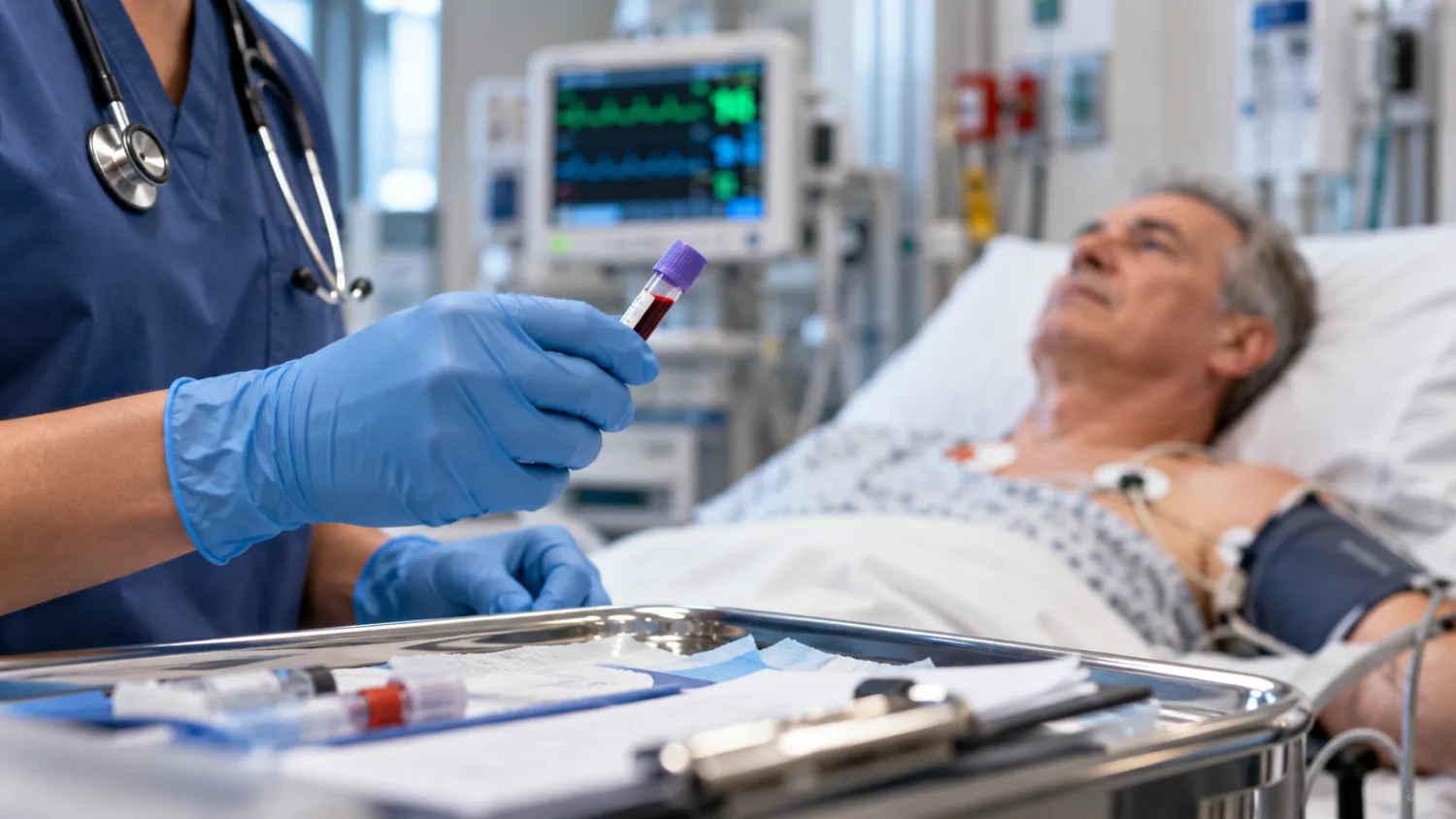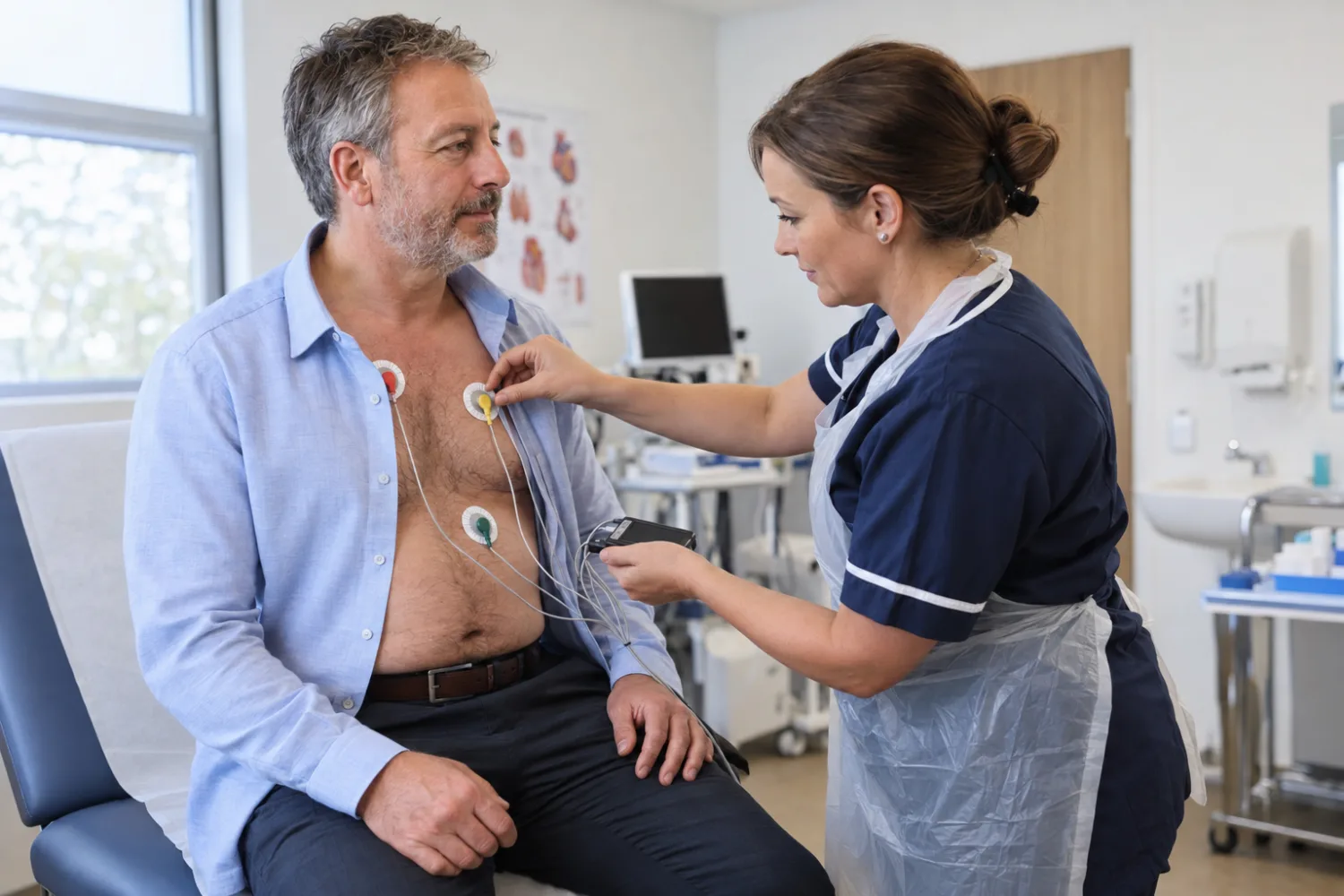
Private blood tests in the UK can cost anything from around £30–£50 for a simple single-marker test to several hundred pounds for a larger health screen. Some premium clinic-based health assessments can cost much more, especially if they include a consultation, physical examination, ECG, body measurements, urine tests, lifestyle review or advanced panels.
That price range can be confusing. One website may offer a vitamin D test for less than a private GP appointment, while another clinic may charge several hundred pounds for a “complete health check”. Some tests can be done at home with a finger-prick sample. Others need a venous blood draw from a clinic, pharmacy, hospital or phlebotomist. Some prices include a doctor’s comment; others only provide a lab report with reference ranges.
This guide explains what private blood tests usually cost in the UK, why prices vary, what is normally included, which tests are commonly worth paying for, and what to check before booking. It also explains when private testing can be useful — and when it is safer to speak to a GP instead.
Important: Prices change often and vary by provider, clinic location, sample type and whether clinical interpretation is included. Use the figures in this article as broad UK guide ranges, not fixed quotes. Always check the provider’s current price and what is included before booking.
How much does a private blood test cost in the UK?
Private blood test costs depend on the test, sample method, clinic, provider and level of clinical support. A simple home test can be relatively inexpensive, while a same-day clinic appointment with a large panel and doctor review can cost several hundred pounds.
As a broad guide, UK private blood test prices often fall into these ranges:
| Type of private blood test | Typical UK cost range | What it may include |
|---|---|---|
| Single-marker home test | About £30–£60 | One marker such as ferritin, vitamin D, B12, HbA1c or cholesterol, often by finger-prick sample. |
| Basic blood test panel | About £40–£100 | A small group of markers, such as cholesterol profile, liver function, kidney function or thyroid screen. |
| Standard health screen | About £70–£180 | Multiple markers covering blood count, liver, kidney, cholesterol, diabetes risk and sometimes vitamins. |
| Advanced health panel | About £150–£350 | Larger panel with hormones, vitamins, inflammation, metabolic markers or more detailed interpretation. |
| Private GP blood test route | Often test cost plus consultation fee | Private GP appointment, test selection, venous sample and follow-up discussion may be charged separately. |
| Premium health assessment | About £250–£700+ | Blood tests plus consultation, examination, cardiovascular checks, lifestyle review and sometimes ECG or urine tests. |
For example, some private providers advertise individual blood tests from around £39–£49, while larger comprehensive panels can start from around £245 and rise depending on biomarker count and GP consultation options. The cheapest option is not always the best option, because sample quality, interpretation and follow-up matter.
If you are considering private testing because you already have an abnormal result, see What to Do After Abnormal Private Blood Test Results.
Why do private blood test prices vary so much?
Two tests with similar names can have very different prices because they are not always the same product. The cost is affected by the number of markers, the type of sample, where it is collected, how fast results are returned and whether a clinician reviews them.
Main factors that affect private blood test costs include:
- Number of markers: A single ferritin test costs less than a 60-marker health screen.
- Sample type: Finger-prick home kits are often cheaper than venous blood tests, but not suitable for every marker.
- Clinic location: Central London and hospital-based services may cost more than online home testing.
- Phlebotomy fee: Some providers charge extra for taking a venous sample.
- Doctor review: Some reports include a clinician comment; others charge extra for GP review.
- Speed: Same-day or next-day results may cost more.
- Laboratory used: Accredited laboratory processing and specialist tests can cost more.
- Follow-up support: Some packages include a call, video consultation or written advice.
- Brand and setting: A private hospital, private GP clinic, pharmacy, home testing company and premium wellness clinic may price differently.
The most important question is not simply “How many markers do I get for the money?” A huge panel can look good value, but may produce confusing borderline results if the tests are not clinically relevant. A smaller targeted test with proper interpretation may be more useful.
Common private blood test prices by test type
The prices below are broad guide ranges. They are useful for planning, but always check the exact provider cost before booking.
Full blood count
A private full blood count, often shortened to FBC, commonly costs around £40–£70 as a standalone test, although it may be cheaper as part of a larger panel. It checks red blood cells, white blood cells, haemoglobin and platelets.
It may be used for tiredness, infection concerns, anaemia symptoms, bruising, inflammation clues or general screening. See Full Blood Count Results Explained.
Ferritin and iron tests
Ferritin alone may cost around £30–£60 privately. Iron panels that include ferritin, serum iron, transferrin saturation and related markers may cost more, often around £50–£120 depending on the provider.
Ferritin is commonly tested for fatigue, hair shedding, heavy periods, restless legs and suspected iron deficiency. If your ferritin is low but haemoglobin is normal, see Low Ferritin but Normal Haemoglobin. For a broader guide, see Iron, Ferritin and Anaemia Blood Test Results Explained.
Vitamin D blood test
Vitamin D tests often cost around £35–£70 privately. They are commonly sold as home finger-prick kits or included in fatigue, bone health and wellness panels.
Vitamin D deficiency is common in the UK, but not everyone needs repeated private testing. The result is most useful when it changes management, such as confirming deficiency, guiding supplementation or monitoring higher-risk people. See Vitamin D Blood Test Results Explained.
B12 and folate tests
B12 or active B12 tests often cost around £35–£60 as a single marker. B12 and folate combined may cost more, often around £50–£100 depending on whether ferritin or full blood count is included.
These tests may be relevant for fatigue, pins and needles, mouth ulcers, memory symptoms, anaemia patterns, vegan diets, gut conditions or medication effects. See B12 and Folate Blood Test Results Explained.
Thyroid blood tests
A basic thyroid test checking TSH may cost around £30–£60. A fuller thyroid profile with TSH, free T4, free T3 and antibodies may cost around £70–£150 or more.
Private thyroid testing is popular, but interpretation can be tricky. More markers do not always mean a clearer answer. Symptoms, medication, pregnancy status, supplements such as biotin and previous results all matter. See Thyroid Blood Test Results Explained.
Cholesterol and heart risk tests
A private cholesterol test may cost around £30–£70. A more detailed cardiovascular panel with cholesterol fractions, HbA1c, inflammation markers and other risk markers may cost £80–£200+.
A cholesterol result is most useful when interpreted with overall cardiovascular risk, including age, blood pressure, smoking, diabetes, kidney disease and family history. See Cholesterol Blood Test Results Explained, Blood Pressure Chart Explained and Cardiovascular Risk: The Complete Guide.
HbA1c and blood sugar tests
HbA1c testing often costs around £30–£60 privately. It may be included in diabetes risk, weight, cardiovascular or general health panels.
HbA1c reflects average blood sugar over the previous two to three months and can help identify diabetes or prediabetes risk. It should be interpreted with symptoms and risk factors. See HbA1c and Blood Sugar Results Explained.
Liver and kidney function tests
Basic liver or kidney panels commonly cost around £40–£80 each privately, although they are often included in larger health screens.
Kidney tests may include creatinine, eGFR, urea and electrolytes. Liver tests may include ALT, AST, ALP, GGT, bilirubin, albumin and protein. See Kidney Blood Test Results Explained, U&E Blood Test Results Explained, Liver Function Test Results Explained and ALT, AST, ALP and GGT Liver Results Explained.
Calcium and bone profile
A private calcium or bone profile may cost around £40–£90 as a small panel, though it may be included in broader health screens. A standard bone profile may include calcium, adjusted calcium, albumin, phosphate and alkaline phosphatase. Vitamin D and parathyroid hormone are often separate tests.
See Calcium and Bone Profile Blood Test Results Explained.
Inflammation markers
CRP and ESR are common inflammation markers. A single CRP or ESR may cost around £30–£60 privately, while inflammation markers may also be included in larger panels.
They can show inflammation but usually cannot identify the cause on their own. See CRP and Inflammation Blood Test Results Explained and ESR Blood Test Results Explained.
Hormone and fertility blood tests
Hormone tests vary widely. A single testosterone, progesterone or FSH test may cost around £35–£80, while larger female hormone, menopause or fertility panels may cost £100–£300+ depending on markers and review.
Timing is very important for hormone tests. A result may be misleading if taken on the wrong cycle day or while using hormonal contraception or HRT. See Female Hormone Blood Test Results Explained, Fertility Blood Tests Explained, Menopause Blood Tests Explained and Testosterone Blood Test Results Explained.
Allergy and coeliac blood tests
Targeted allergy blood tests may cost around £40–£100 for a small number of allergens. Large allergy panels can cost significantly more. Coeliac blood tests may cost around £50–£120 depending on whether tTG-IgA, total IgA, EMA or other markers are included.
Allergy tests and coeliac tests answer different questions. Wheat allergy is not the same as coeliac disease. See Allergy Blood Test Results Explained and Coeliac Blood Test Results Explained.
Home blood test kits vs clinic blood tests
One of the biggest price differences is whether the test is done at home or in a clinic.
Home finger-prick blood tests
Home finger-prick tests are often cheaper and convenient. You order a kit, collect a small blood sample from your finger, post it to a laboratory and receive results online.
They can work well for some markers, but they are not ideal for every test. Some samples fail because there is not enough blood, the blood clots, the sample is delayed, or the collection technique affects the result. Finger-prick sampling can also be difficult for people with poor circulation or needle anxiety.
Home kits are often suitable for:
- some vitamin tests
- cholesterol checks
- HbA1c
- some hormone tests
- some ferritin and iron-related tests
But a venous sample may be better if the result is clinically important, the test requires more blood, previous finger-prick tests failed, or results do not match symptoms.
Clinic venous blood tests
Venous blood tests are taken from a vein by a trained phlebotomist, nurse, doctor or healthcare assistant. They often cost more because you are paying for the appointment, staff time, clinic overheads and sample handling.
Venous tests may be more appropriate for:
- larger panels
- tests needing more blood
- repeat confirmation of abnormal home results
- tests where sample quality matters more
- people who struggle with finger-prick kits
- urgent or clinically significant results
Some online providers let you choose between finger-prick, clinic venous collection or a mobile phlebotomy visit. Check whether phlebotomy is included or charged separately.
What is usually included in the price?
Private blood test prices are not always like-for-like. Before booking, check exactly what the price includes.
A private test may include:
- the test kit or clinic appointment
- blood sample collection
- laboratory processing
- online results dashboard
- reference ranges
- automated comments
- doctor or clinician review
- repeat sample if the first one fails
- follow-up call or consultation
- prescription or referral letter, if needed
Many providers do not include all of these. A low headline price may only include laboratory testing, while clinical interpretation or phlebotomy is extra.
Possible extra costs
Look for extra charges such as:
- phlebotomy fee
- clinic appointment fee
- private GP consultation fee
- postage fee
- failed sample replacement fee
- doctor review add-on
- same-day results fee
- prescription fee
- follow-up blood test cost
- specialist referral cost
This is especially important if you are comparing a £39 home test with a £120 clinic test. The clinic test may include a venous sample and professional collection, while the home test may not include clinical review. Or the clinic price may exclude the consultation and become more expensive than it first appears.
Are private blood tests worth it?
Private blood tests can be worth it when they answer a clear question, are interpreted properly and lead to a sensible next step. They are less useful when they are used as a broad “MOT” without symptoms, risk assessment or follow-up.
Private testing may be useful if:
- you want a faster result for a non-urgent issue
- you are monitoring a known marker with clinician guidance
- you need a test not easily available through your GP
- you want a baseline health check and understand its limits
- you have fatigue, heavy periods or deficiency symptoms and want targeted testing
- you want to check cholesterol, HbA1c or vitamin D as part of prevention
- you are using a private GP, clinic or specialist
Private testing may be less useful if:
- you have urgent symptoms that need medical assessment
- you are using tests to avoid seeing a doctor
- you order large panels without knowing what you will do with the results
- you are likely to become anxious over borderline results
- you plan to start supplements or medication without clinical advice
- you need diagnosis, referral or treatment rather than screening
Private tests can provide information, but they do not replace diagnosis. A blood report is not the same as a clinical assessment.
NHS blood tests vs private blood tests
NHS blood tests are free at the point of use when clinically indicated. A GP or specialist requests tests based on symptoms, medical history, examination and guidelines. Results are interpreted in the context of your NHS record, and follow-up can be arranged if needed.
Private blood tests are paid for directly. They may be faster and easier to access, but you may be responsible for arranging follow-up. Your NHS GP may consider private results, but they may also repeat tests through the NHS before acting on them, especially if the sample method, timing or clinical reason is unclear.
| Question | NHS blood test | Private blood test |
|---|---|---|
| Cost to patient | Free at point of use when clinically needed | Paid directly by you |
| Speed | Varies by urgency and local access | Often faster for non-urgent self-pay testing |
| Test choice | Clinician decides based on need | You may choose tests or packages yourself |
| Interpretation | Usually interpreted by NHS clinician | Varies: may be automated, clinician-reviewed or paid add-on |
| Follow-up | Can be arranged through NHS pathways | You may need to book GP or specialist follow-up separately |
If you are ill, have red-flag symptoms, or need diagnosis rather than screening, speak to a GP or appropriate urgent service rather than relying on private testing.
For broader context, see Private Health Check Cost in the UK, Private GP Services in the UK: Costs and What to Expect and NHS vs Private Healthcare.
How to choose a private blood test provider
A good provider should make pricing, sample type, limitations and follow-up clear. Be cautious if a provider makes exaggerated claims, recommends very large panels for everyone, or sells supplements directly based on borderline results.
Before booking, check:
- What exact markers are included? Do not rely only on package names such as “wellness panel”.
- Is it finger-prick or venous? Some tests are better with venous blood.
- Is phlebotomy included? A low price may not include sample collection.
- Which laboratory processes the sample? Look for clear laboratory standards and accreditation information.
- Are reference ranges shown? You need ranges to interpret results.
- Is clinician review included? Automated comments may not be enough for abnormal results.
- What happens if the sample fails? Check whether you pay again.
- How fast are results? Most routine results may be quick, but specialist markers can take longer.
- Can you download a full PDF report? This helps if you need to share results with a GP.
- Is follow-up available? If not, you need a plan for abnormal results.
Be careful with huge panels
Large panels can look good value because they include many biomarkers. But every extra marker increases the chance of a borderline or mildly abnormal result that may not be clinically important. This can lead to anxiety, repeat testing and extra cost.
More data is not always better. A targeted panel chosen for your symptoms or risk factors is often more useful than a broad panel chosen because it has the most markers.
Be careful with “normal” results too
A normal private blood test does not rule out every condition. Some symptoms need examination, imaging, stool tests, urine tests, ECG, blood pressure checks, referrals or repeat testing over time.
For example, normal blood tests do not rule out all cancers, endometriosis, bowel disease, heart rhythm problems, asthma, sleep apnoea, gallstones or neurological conditions.
When private testing is not the right first step
Private blood tests are not suitable as the first step for serious or urgent symptoms.
Seek medical advice promptly rather than booking a private blood test if you have:
- chest pain
- severe shortness of breath
- stroke-like symptoms
- fainting or collapse
- severe abdominal pain
- black stools or vomiting blood
- blood in stool with weight loss or bowel changes
- unexplained rapid weight loss
- persistent fever or night sweats
- a new lump
- severe headache or new neurological symptoms
- confusion, severe weakness or dehydration
- thoughts of self-harm or feeling unsafe
If you are unsure how urgent your symptoms are, use NHS 111, contact your GP surgery or seek emergency help depending on severity.
How to avoid wasting money on private blood tests
The best way to avoid wasting money is to start with the question, not the test.
Ask yourself:
- What symptom, risk or condition am I trying to understand?
- Will this test change what I do next?
- Is the test appropriate for my age, sex, symptoms and medication?
- Does it need fasting?
- Does it need a morning sample?
- Does it need a specific menstrual cycle day?
- Is a finger-prick sample reliable enough?
- Will a clinician explain abnormal results?
- Could my GP arrange this if clinically needed?
- What will I do if the result is abnormal?
For example, if you are tired, a random 80-marker panel may not be the best first step. A more targeted set might include full blood count, ferritin, B12, folate, vitamin D, thyroid function, HbA1c, liver and kidney function depending on symptoms. If you have heavy periods, ferritin may be especially relevant. If you have gut symptoms, coeliac testing may matter. If you have weight loss or night sweats, you should speak to a GP rather than relying on self-testing.
For symptom-led articles, see Fatigue: Why Am I Always Tired?, Unexplained Weight Loss, Night Sweats: Common Causes and When to See a GP and Muscle Cramps: Causes and What Helps.
Frequently asked questions
How much does a private blood test cost in the UK?
A simple private blood test may cost around £30–£60. Small panels often cost around £40–£100, standard health screens may cost around £70–£180, and larger panels or clinic-based assessments can cost £150–£700+ depending on what is included.
What is the cheapest private blood test?
The cheapest private blood tests are usually single-marker home kits, such as ferritin, vitamin D, B12, HbA1c or cholesterol. They often start from around £30–£40, but check whether postage, phlebotomy or clinician review is included.
Are private blood tests accurate?
They can be accurate if the sample is collected properly, processed by a reliable laboratory and interpreted correctly. Some home finger-prick samples fail or are less suitable for certain markers, so sample method matters.
Is a venous blood test better than a finger-prick test?
Venous blood is often better for larger panels, clinically important results or tests needing more sample volume. Finger-prick tests can be convenient and suitable for some markers, but they are more vulnerable to collection issues.
Do private blood test prices include a doctor?
Not always. Some include clinician comments, some include automated reports, and others charge extra for a GP consultation or doctor review. Always check before booking.
Can I take private blood test results to my NHS GP?
Yes, you can share them with your GP. However, your GP may repeat tests through the NHS before acting on them, especially if the result is unexpected, the sample method is unclear, or the test was not clinically indicated.
Can I get blood tests privately without a GP referral?
Yes, many providers allow self-referral for private blood tests. Some private hospitals or specialist tests may require a private GP or consultant request.
How fast do private blood test results come back?
Many routine private blood test results come back within 24–72 hours after the laboratory receives the sample. Specialist tests may take longer.
Are private blood tests worth it?
They can be worth it if the test answers a clear question, is interpreted properly and leads to a sensible next step. They are less useful when ordered as large panels without symptoms, risk assessment or follow-up.
What private blood tests are useful for tiredness?
Depending on symptoms, useful tests may include full blood count, ferritin, B12, folate, vitamin D, thyroid function, HbA1c, liver function and kidney function. A GP review is important if fatigue is severe, persistent or linked with weight loss, fever or other symptoms.
How much does a private thyroid blood test cost?
A basic thyroid test may cost around £30–£60. A fuller thyroid panel with free T4, free T3 and antibodies may cost around £70–£150 or more.
How much does a private vitamin D blood test cost?
Vitamin D tests often cost around £35–£70 privately, depending on whether it is a home kit, clinic sample or part of a larger panel.
How much does a private ferritin test cost?
Ferritin tests often cost around £30–£60 privately. More detailed iron panels may cost more, especially if they include full blood count, B12, folate or transferrin saturation.
How much does a private cholesterol test cost?
A private cholesterol test may cost around £30–£70. More detailed cardiovascular panels can cost £80–£200+ depending on markers and clinical review.
How much does a private hormone blood test cost?
Single hormone tests may cost around £35–£80. Larger hormone, fertility or menopause panels may cost £100–£300+ depending on the number of markers and whether interpretation is included.
Can private blood tests diagnose disease?
Blood tests can support diagnosis, but they rarely diagnose everything by themselves. Symptoms, examination, medical history, imaging, repeat testing or specialist assessment may still be needed.
What should I do if my private blood test is abnormal?
Read the full report, check how abnormal the result is, look for sample issues, contact the provider for interpretation and speak to your GP if the result is significant, unexplained or linked with symptoms.
Should I buy the biggest blood test panel?
Not automatically. Large panels can create confusing borderline results. A targeted test chosen for your symptoms or risk factors is often more useful than the biggest package.
Can private blood tests miss problems?
Yes. Normal blood tests do not rule out every condition. Some problems need examination, scans, ECG, stool tests, urine tests, specialist assessment or monitoring over time.
When should I not use a private blood test first?
Do not use private testing as the first step for urgent symptoms such as chest pain, severe breathlessness, stroke symptoms, severe abdominal pain, black stools, collapse, confusion, severe weakness or suspected serious illness.