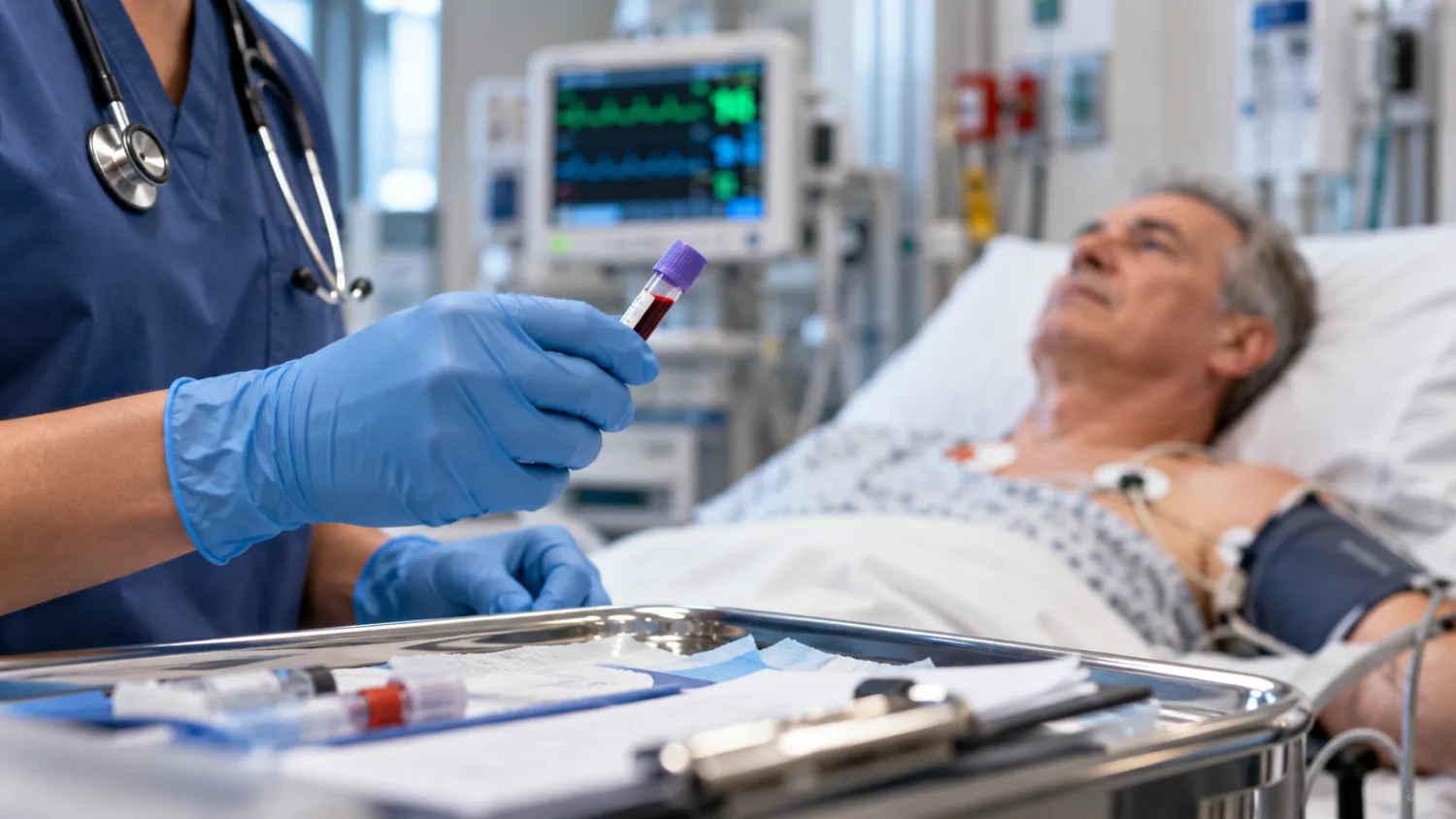
Low ferritin with normal haemoglobin is one of the most common blood test patterns people struggle to understand. You may be told that you are “not anaemic” because your haemoglobin is normal, but your ferritin is low. At the same time, you may feel exhausted, dizzy, weak, breathless on stairs, mentally foggy, cold, restless at night, or notice hair shedding.
This can feel confusing because many people associate iron problems only with anaemia. In reality, iron deficiency can exist before anaemia develops. Ferritin reflects stored iron. Haemoglobin reflects the oxygen-carrying protein in red blood cells. Your haemoglobin can stay within range while your iron stores are already low.
This guide explains what low ferritin but normal haemoglobin means, why it happens, what symptoms it may cause, when it needs investigation, how it differs from iron deficiency anaemia, and what to ask your GP or clinician.
Important: This article is for general information only and should not replace medical advice. Low ferritin should be interpreted with your symptoms, age, sex, menstrual history, diet, pregnancy status, medicines, inflammation markers, full blood count and any possible blood loss. Do not take high-dose iron long term without medical advice.
What does low ferritin but normal haemoglobin mean?
Low ferritin but normal haemoglobin usually means your iron stores are low, but you have not yet developed anaemia. This is often called iron deficiency without anaemia, non-anaemic iron deficiency or low iron stores without anaemia.
Ferritin is a protein that stores iron. When your body needs iron, it can draw on ferritin stores. Haemoglobin is the iron-containing protein in red blood cells that carries oxygen around the body.
In early iron deficiency, ferritin often falls first. Haemoglobin may remain normal for a while because your body prioritises making red blood cells. If iron stores continue to fall and the cause is not corrected, haemoglobin may eventually drop too. That is when iron deficiency anaemia develops.
So a normal haemoglobin does not automatically mean your iron status is healthy. It means you are not anaemic according to that haemoglobin range at that moment.
If you want a broader guide to the full pattern, see Iron, Ferritin and Anaemia Blood Test Results Explained and Full Blood Count Results Explained.
Ferritin vs haemoglobin: why they can tell different stories
Ferritin and haemoglobin are related, but they are not the same test.
| Blood test | What it shows | Why it matters |
|---|---|---|
| Ferritin | Your stored iron | Often falls before haemoglobin drops. |
| Haemoglobin | Oxygen-carrying protein in red blood cells | Low haemoglobin means anaemia is present. |
| MCV | Average size of red blood cells | Can become low in iron deficiency, but may be normal early on. |
| MCH | Average haemoglobin content per red blood cell | Can fall in iron deficiency before or alongside anaemia. |
| Transferrin saturation | How much circulating iron transport capacity is being used | Can help when ferritin is unclear, especially with inflammation. |
Ferritin is often the earliest clue that iron stores are becoming depleted. Haemoglobin may only fall later. That is why some people have symptoms of iron deficiency while their full blood count still looks “normal”.
This does not mean every symptom is caused by low ferritin. Tiredness, dizziness, hair shedding and brain fog can have many causes. But low ferritin should not be dismissed simply because haemoglobin has not dropped.
What ferritin level is considered low?
Ferritin reference ranges vary between laboratories. Your result should always be compared with the range on your own report and interpreted with your symptoms.
As a general guide:
- Ferritin below 15 micrograms/L is often considered strongly suggestive of depleted iron stores.
- Ferritin below 30 micrograms/L is commonly used as a practical threshold for iron deficiency in many adult settings.
- Ferritin between 30 and 50 micrograms/L may still be relevant in some symptomatic people, especially if there are ongoing losses or other iron markers are abnormal.
- Ferritin may appear normal or high during inflammation, even when usable iron is low.
The important point is that ferritin is not just “normal” or “abnormal” in isolation. A ferritin of 12, 18, 25 or 35 may be interpreted differently depending on whether you have heavy periods, pregnancy, fatigue, restless legs, coeliac disease, inflammatory disease, recent infection, kidney disease or abnormal CRP.
If your ferritin is high rather than low, see High Ferritin Blood Test Results Explained.
Can low ferritin cause symptoms if haemoglobin is normal?
Yes, it can. Some people with low ferritin but normal haemoglobin have symptoms. Others feel well and only discover low ferritin during routine testing.
Possible symptoms of low ferritin can include:
- tiredness or low energy
- reduced exercise tolerance
- feeling breathless on exertion
- dizziness or light-headedness
- headaches
- brain fog or poor concentration
- cold hands and feet
- restless legs
- hair shedding or thinning
- brittle nails
- palpitations
- low mood or irritability
- craving ice or unusual substances, known as pica
These symptoms are not specific. For example, fatigue can also be linked with thyroid disease, low B12 or folate, vitamin D deficiency, sleep problems, depression, anxiety, diabetes, chronic inflammation, menopause, pregnancy, infection or many other causes.
If tiredness is your main symptom, you may also find Fatigue: Why Am I Always Tired?, Thyroid Blood Test Results Explained, B12 and Folate Blood Test Results Explained and Vitamin D Blood Test Results Explained useful.
Common causes of low ferritin with normal haemoglobin
Low ferritin means iron stores are low. The next question is why. The cause matters because simply taking iron without understanding the reason can miss ongoing blood loss, absorption problems or other conditions.
Heavy periods
Heavy menstrual bleeding is one of the most common reasons for low ferritin in women and people who menstruate. Haemoglobin may remain normal for a long time, especially if the body is still able to keep up with red blood cell production.
Signs that periods may be heavy include:
- needing to change pads or tampons very frequently
- flooding through clothes or bedding
- passing clots
- periods lasting more than 7 days
- needing double protection
- avoiding activities because of bleeding
- feeling exhausted, dizzy or weak during or after periods
Heavy bleeding can be linked with fibroids, adenomyosis, polyps, endometriosis, perimenopause, contraception, bleeding disorders or sometimes no obvious cause. See Heavy Periods: Causes, Tests and Treatment, Fibroids: Symptoms, Heavy Bleeding and Treatment and Endometriosis: Symptoms, Diagnosis and Treatment.
Pregnancy and after childbirth
Iron needs increase during pregnancy. Blood loss during birth and the demands of recovery can also reduce iron stores after childbirth. Someone may have normal haemoglobin but low ferritin, especially if iron stores were low before pregnancy.
Low ferritin after childbirth can contribute to fatigue, poor stamina and feeling physically depleted, although postnatal tiredness often has several causes, including sleep deprivation and recovery from birth.
Not getting enough iron from food
Low dietary iron can contribute, especially in people who eat little red meat, follow vegetarian or vegan diets, have restricted diets, low appetite, eating disorders, digestive problems or high training demands.
Iron from animal sources, called haem iron, is usually absorbed more easily than non-haem iron from plant foods. Plant-based diets can still provide iron, but they need planning. Beans, lentils, tofu, fortified cereals, nuts, seeds, leafy greens and dried fruit can help, especially when eaten with vitamin C-rich foods.
Coeliac disease or poor absorption
Coeliac disease can reduce iron absorption and may cause low ferritin even before obvious anaemia develops. Some people with coeliac disease have digestive symptoms such as bloating or diarrhoea. Others mainly have fatigue, low iron, mouth ulcers or vitamin deficiencies.
It is important not to start a gluten-free diet before coeliac testing unless advised, because testing is less reliable if you are not eating gluten. See Coeliac Blood Test Results Explained and Coeliac Disease: Symptoms, Testing and Treatment.
Digestive blood loss
Blood loss from the digestive tract can lower ferritin. This may happen with stomach ulcers, inflammation, polyps, bowel cancer, inflammatory bowel disease, haemorrhoids, diverticular disease, some medicines or other causes.
In men and postmenopausal women, low ferritin is more likely to need assessment for possible gastrointestinal blood loss, even when haemoglobin is still normal. The urgency depends on age, symptoms, ferritin level and other results.
Symptoms that should be checked include blood in stool, black stools, unexplained weight loss, persistent abdominal pain, change in bowel habit, difficulty swallowing, persistent indigestion, vomiting blood or unexplained anaemia. Related guides include Blood in Stool, Stomach Ulcers: Causes, Symptoms, H. pylori and Treatment, Colonoscopy: Preparation, Procedure and Sedation and Gastroscopy: When It’s Needed and What It Shows.
Medication-related causes
Some medicines can contribute to iron deficiency by increasing bleeding risk or affecting the stomach. These may include aspirin, anti-inflammatory medicines such as ibuprofen or naproxen, anticoagulants, antiplatelet medicines and some long-term stomach acid-reducing medicines in selected cases.
Do not stop prescribed medication without medical advice. If you have low ferritin and take medicines that may increase bleeding risk, tell your GP.
Frequent blood donation
Regular blood donation can reduce iron stores. Haemoglobin is usually checked before donation, but ferritin may not always be part of routine screening. Some regular donors develop low ferritin while haemoglobin remains within donation thresholds.
If you donate blood often and your ferritin is low, ask for advice about donation frequency, diet, iron replacement and monitoring.
Endurance exercise
Endurance athletes and highly active people may have increased iron needs and losses. Contributing factors may include sweating, gastrointestinal microbleeding, foot-strike haemolysis, low intake, menstrual losses and inflammation from heavy training.
Low ferritin can affect performance, stamina and recovery even before anaemia is present.
Inflammation and misleading ferritin results
Ferritin is also an acute phase reactant, which means it can rise during inflammation, infection, liver disease or other illness. This can sometimes hide iron deficiency. In other words, ferritin may look normal or high even when usable iron is low.
If inflammation is suspected, doctors may look at CRP, ESR, transferrin saturation and the full clinical picture. See CRP and Inflammation Blood Test Results Explained and ESR Blood Test Results Explained.
What other blood tests help interpret low ferritin?
Ferritin is important, but it should not be the only result considered. A fuller picture often includes a full blood count and iron studies.
Full blood count
A full blood count checks haemoglobin, red blood cells, MCV, MCH, white blood cells and platelets. In early iron deficiency, haemoglobin may still be normal, but MCV or MCH may start to drift lower.
Platelets can sometimes rise in iron deficiency, although this has many possible causes.
Transferrin saturation
Transferrin saturation shows how much of the iron-carrying protein transferrin is carrying iron. Low transferrin saturation can support iron deficiency, especially when ferritin is unclear because of inflammation.
Serum iron and transferrin
Serum iron can vary during the day and is less useful alone. Transferrin or total iron-binding capacity can help show whether the body is trying to carry more iron because stores are low.
CRP and ESR
CRP and ESR help identify inflammation. This matters because ferritin can be falsely reassuring when inflammation is present.
B12, folate and vitamin D
Low ferritin may occur alongside other deficiencies, especially in people with restricted diets, heavy periods, pregnancy, gut absorption problems or coeliac disease.
Coeliac blood tests
If low ferritin is unexplained, coeliac disease may be considered. Testing usually needs you to be eating gluten at the time.
Kidney, liver and thyroid tests
These may be checked if symptoms are broad, if inflammation is suspected, or if other blood results are abnormal. See Kidney Blood Test Results Explained, Liver Function Test Results Explained and Thyroid Blood Test Results Explained.
When low ferritin needs medical investigation
Low ferritin is not just a number to “top up”. The cause should be considered, especially if the result is very low, recurrent, unexplained or linked with symptoms.
You should speak to a GP or clinician if:
- your ferritin is low and you do not know why
- you have persistent fatigue, dizziness, breathlessness, palpitations or poor exercise tolerance
- you have heavy periods or bleeding between periods
- you are pregnant, trying to conceive or recently gave birth
- you are male or postmenopausal and ferritin is low
- you have blood in stool, black stools or unexplained bowel changes
- you have unexplained weight loss, night sweats or persistent abdominal pain
- you have low ferritin despite taking iron
- you cannot tolerate oral iron
- your ferritin keeps falling again after treatment
- you have a history of coeliac disease, inflammatory bowel disease or stomach surgery
Low ferritin in someone with obvious heavy periods may still need treatment and sometimes gynaecology assessment. Low ferritin in someone without an obvious source of blood loss may need a broader search for the cause.
If you have new or severe symptoms, do not wait for repeat private testing. Speak to a clinician.
Treatment: how low ferritin is usually corrected
Treatment depends on the ferritin level, symptoms, cause, pregnancy status, tolerance of iron and whether anaemia is present. The aim is usually to restore iron stores and treat the reason they became low.
Dietary iron
Diet can help maintain iron stores, but diet alone may not be enough if ferritin is very low or there is ongoing blood loss.
Iron-rich foods include:
- red meat
- poultry and fish
- eggs
- beans, lentils and chickpeas
- tofu and tempeh
- fortified breakfast cereals
- pumpkin seeds and sesame seeds
- nuts
- leafy green vegetables
- dried apricots and raisins
Vitamin C can improve absorption of plant-based iron. Tea, coffee and calcium supplements can reduce iron absorption if taken at the same time as iron-rich meals or iron tablets.
Oral iron tablets or liquid iron
Oral iron is commonly used for low ferritin. Examples include ferrous sulfate, ferrous fumarate or ferrous gluconate. Some people tolerate one form better than another.
Side effects can include constipation, diarrhoea, nausea, stomach pain, dark stools and reflux. Taking iron on alternate days or with food may improve tolerance for some people, but you should follow your clinician’s advice.
Do not take iron tablets at the same time as levothyroxine, some antibiotics, calcium supplements or certain other medicines unless a clinician or pharmacist has advised you on timing, because iron can interfere with absorption.
How long does ferritin take to improve?
Ferritin often takes weeks to months to recover. Haemoglobin may remain normal throughout if anaemia never developed. Symptoms may improve gradually, but the timeline varies.
Many clinicians continue iron for a period after haemoglobin normalises in iron deficiency anaemia to replenish stores. In low ferritin without anaemia, the plan depends on the cause, target ferritin, symptoms and tolerance.
When IV iron may be considered
Intravenous iron is not usually the first step for everyone with low ferritin and normal haemoglobin. It may be considered in selected situations, such as intolerance of oral iron, poor absorption, ongoing blood loss, inflammatory bowel disease, late pregnancy, significant symptoms, severe deficiency or when rapid replenishment is needed.
IV iron should be arranged through appropriate medical pathways because it has risks and needs monitoring.
Treating the cause
If heavy periods are causing low ferritin, iron may help temporarily, but the ferritin may fall again unless bleeding is managed. If coeliac disease is causing poor absorption, a gluten-free diet after diagnosis is central. If gut blood loss is the cause, that needs investigation and treatment.
Replacing iron without dealing with the cause can lead to repeated low ferritin.
Low ferritin in specific situations
The meaning of low ferritin depends heavily on who has the result.
Women and people who menstruate
Heavy or frequent periods are a common explanation, but they should not be dismissed as “normal” if they affect life or cause low ferritin. Treatments for heavy bleeding may include hormonal options, tranexamic acid, anti-inflammatory medicines where appropriate, an intrauterine system, investigation for fibroids or other gynaecological causes, or referral if needed.
Low ferritin may also overlap with perimenopause, when bleeding can become heavier or more irregular. See Menopause Blood Tests Explained and Female Hormone Blood Test Results Explained.
Men and postmenopausal women
Low ferritin in men and postmenopausal women deserves careful assessment because menstrual blood loss is not the explanation. Digestive blood loss, poor absorption, diet, medication and other medical causes may need consideration.
This does not mean the cause is always serious, but it should be discussed with a GP rather than self-treating long term.
Children and teenagers
Low ferritin in children and teenagers may be linked with growth, diet, heavy periods in teenage girls, restricted eating, gut symptoms, coeliac disease or other causes. Symptoms can include tiredness, poor concentration, restless sleep or reduced exercise tolerance.
Children should not be given adult iron doses without medical advice.
Pregnancy and fertility
Iron stores matter before and during pregnancy. Low ferritin can worsen fatigue and may increase the chance of developing anaemia later in pregnancy. If you are pregnant or trying to conceive and ferritin is low, ask your midwife, GP or fertility clinician what replacement and monitoring are appropriate.
For related testing, see Fertility Blood Tests Explained.
Athletes and active people
Low ferritin can affect stamina, recovery and performance even when haemoglobin is normal. The cause may include low intake, menstrual losses, gastrointestinal losses, heavy training and inadequate recovery.
A sports clinician, GP or dietitian may help if low ferritin is recurrent.
Private ferritin results: what to do next
Ferritin is commonly included in private health checks, women’s health panels, fatigue panels, hair loss panels and sports performance blood tests. If your private test shows low ferritin but normal haemoglobin, avoid two mistakes: ignoring it completely, or starting high-dose iron indefinitely without knowing why it is low.
Check your report for:
- the ferritin number and reference range
- haemoglobin
- MCV and MCH
- platelet count
- CRP or ESR
- B12 and folate
- thyroid function
- coeliac screening if relevant
- whether iron studies such as transferrin saturation were included
If ferritin is low, share the full report with your GP if you have symptoms, if the ferritin is very low, if you are male or postmenopausal, if there are bowel symptoms, if periods are heavy, or if it keeps happening.
For a wider step-by-step approach, see What to Do After Abnormal Private Blood Test Results.
How to read low ferritin with normal haemoglobin step by step
If you have your result in front of you, use this order:
- Check ferritin. How low is it compared with the lab range?
- Check haemoglobin. If normal, you are not anaemic by that measure, but iron stores may still be low.
- Check MCV and MCH. These may show early red cell changes from iron deficiency.
- Check CRP or ESR. Inflammation can make ferritin harder to interpret.
- Look for blood loss. Heavy periods, gut symptoms, blood in stool, frequent donation or medicines may matter.
- Think about absorption. Coeliac disease, stomach surgery, inflammatory bowel disease or long-term gut symptoms may be relevant.
- Review diet and pregnancy status. Iron needs vary by life stage and intake.
- Ask whether treatment is needed. Diet, oral iron, further tests or referral may be appropriate.
- Ask when to recheck. Ferritin usually needs monitoring if treatment is started or the cause is unclear.
The bottom line is that low ferritin with normal haemoglobin usually means iron stores are low before anaemia has developed. It can still matter, especially if you have symptoms or ongoing blood loss.
A normal haemoglobin should not automatically close the conversation. The key questions are: how low is ferritin, why is it low, are you symptomatic, and what follow-up is needed?
Frequently asked questions
Can ferritin be low if haemoglobin is normal?
Yes. Ferritin can fall before haemoglobin drops. This is often called iron deficiency without anaemia or non-anaemic iron deficiency.
Does normal haemoglobin mean I am not iron deficient?
No. Normal haemoglobin means you are not anaemic according to that result, but you can still have low iron stores if ferritin is low.
What ferritin level is low?
Reference ranges vary, but ferritin below 15 micrograms/L is often strongly suggestive of depleted iron stores, and below 30 micrograms/L is commonly used as a practical threshold for iron deficiency in adults.
Can low ferritin cause tiredness?
Yes, low ferritin can contribute to tiredness in some people, even without anaemia. However, fatigue has many possible causes, so other results and symptoms should be considered.
Can low ferritin cause hair loss?
Low ferritin may contribute to hair shedding in some people, although hair loss can also be caused by thyroid disease, stress, illness, hormones, genetics, nutrition and scalp conditions.
Can low ferritin cause breathlessness?
It can contribute to reduced exercise tolerance or breathlessness on exertion in some people, but breathlessness can also have heart, lung, anxiety, fitness, anaemia and other causes. New or severe breathlessness should be assessed.
Can low ferritin cause restless legs?
Low iron stores are associated with restless legs in some people. Ferritin may be checked when restless legs symptoms are present.
Why is my ferritin low but full blood count normal?
This can happen in early iron deficiency. Ferritin reflects stored iron and may fall before haemoglobin, MCV or MCH become abnormal.
What causes low ferritin with normal haemoglobin?
Common causes include heavy periods, pregnancy, low dietary iron, coeliac disease, poor absorption, digestive blood loss, frequent blood donation, endurance exercise and some medicines.
Should I take iron tablets for low ferritin?
Sometimes, but you should ask a clinician or pharmacist, especially if you are pregnant, male, postmenopausal, have gut symptoms, take other medicines or have abnormal kidney or liver results.
How long does ferritin take to rise?
Ferritin often takes weeks to months to improve. The timeline depends on the cause, dose, absorption, tolerance and whether blood loss continues.
Can ferritin stay low despite iron tablets?
Yes. Possible reasons include poor absorption, not taking iron consistently, taking it with foods or medicines that block absorption, ongoing blood loss, incorrect diagnosis or inflammation.
Can inflammation affect ferritin?
Yes. Ferritin can rise during inflammation, infection or liver disease. This means ferritin may look normal even when iron availability is low.
Should men with low ferritin see a GP?
Yes. Low ferritin in men should usually be discussed with a GP because menstrual blood loss is not the explanation and other causes may need assessment.
Should postmenopausal women with low ferritin see a GP?
Yes. Low ferritin after menopause should be reviewed because ongoing menstrual loss is no longer expected. Digestive blood loss or absorption problems may need consideration.
Can heavy periods cause low ferritin without anaemia?
Yes. Heavy periods can gradually deplete iron stores while haemoglobin remains normal for some time.
Can coeliac disease cause low ferritin?
Yes. Coeliac disease can reduce iron absorption and may cause low ferritin with or without anaemia.
Can I improve ferritin through diet alone?
Diet can help, but it may not be enough if ferritin is very low, symptoms are significant, absorption is poor or blood loss continues.
When is low ferritin urgent?
Low ferritin itself is usually not an emergency, but urgent help is needed if you have chest pain, severe breathlessness, fainting, black stools, heavy bleeding, severe weakness or symptoms suggesting significant blood loss.
What should I ask my GP?
Ask how low your ferritin is, whether your full blood count shows early iron changes, what may be causing it, whether you need iron treatment, whether further tests are needed, and when ferritin should be rechecked.