Coeliac disease is a long-term autoimmune condition caused by a reaction to gluten. When someone with coeliac disease eats gluten, their immune system attacks the lining of the small bowel. Over time this damages the gut and makes it harder to absorb nutrients properly.
Because of that, coeliac disease is not just about bloating or an upset stomach. It can affect energy levels, iron levels, bone health, fertility, weight, and general wellbeing. Some people have obvious digestive symptoms. Others mainly feel tired, anaemic or unwell without realising the gut is the root cause.
This guide explains the common symptoms of coeliac disease, how testing works in the UK, why you should not start a gluten-free diet too early, what treatment involves, and what long-term health issues may matter if the condition is missed or poorly controlled.
If you also have broader digestive symptoms and want an overview first, see Digestive Health: Symptoms, Common Conditions and Treatments. If your symptoms overlap with bloating or altered bowel habit, you may also find these useful: Bloating: Common Causes, Relief and When to Worry and IBS (Irritable Bowel Syndrome): Symptoms, Diagnosis and Treatment.
What is coeliac disease?
Coeliac disease is an autoimmune condition triggered by gluten, a protein found in wheat, barley and rye. In people with coeliac disease, eating gluten causes inflammation and damage in the small intestine. This affects the body’s ability to absorb nutrients from food properly.
That is why coeliac disease can cause much more than bowel symptoms alone. It may show up as iron deficiency, tiredness, mouth ulcers, poor growth, bone weakness or repeated digestive trouble that never seems fully explained.
It is important to understand that coeliac disease is not the same as a simple food intolerance, and it is not the same as choosing to avoid gluten for lifestyle reasons. It is a medical condition that needs proper diagnosis and lifelong management.
Common symptoms of coeliac disease
Symptoms vary a lot. Some people have classic digestive symptoms. Others have subtle or non-digestive symptoms for years before diagnosis.
Common digestive symptoms include:
- diarrhoea
- bloating
- stomach pain or cramps
- excess wind
- indigestion
- constipation in some people
- greasy, pale or foul-smelling stools
- nausea
Common non-digestive symptoms can include:
- tiredness or fatigue
- iron deficiency anaemia
- vitamin B12 or folate deficiency
- unexplained weight loss
- mouth ulcers
- itchy skin rash called dermatitis herpetiformis
- bone pain or weakened bones
- fertility or pregnancy-related problems in some people
- poor growth or delayed puberty in children
Real-life examples:
A person in their 30s may keep having bloating, loose stools and tiredness, but assume it is just stress or IBS. Another person may barely have digestive symptoms at all, yet repeatedly show low iron on blood tests. Someone else may feel unwell after meals for years, keep cutting out random foods, and only later discover the real issue is coeliac disease.
This variation is one reason coeliac disease is missed so often.
When should coeliac disease be suspected?
Coeliac disease should be considered if you have ongoing digestive symptoms, unexplained tiredness, iron deficiency anaemia, persistent bloating, repeated diarrhoea, weight loss, mouth ulcers, or a long history of “sensitive digestion” that has never properly made sense.
It may also be considered if you have a close family member with coeliac disease or if symptoms keep getting labelled as IBS without improvement.
A common mistake is assuming that because symptoms are not dramatic, coeliac disease is unlikely. Mild or moderate symptoms can still cause long-term nutritional and health effects if the condition goes undiagnosed.
Coeliac disease vs gluten intolerance vs IBS
These are often confused.
Coeliac disease is an autoimmune disease. Gluten damages the lining of the small bowel, even if symptoms are mild.
Non-coeliac gluten sensitivity is a less clearly defined condition in which people feel better off gluten but do not have the same autoimmune damage seen in coeliac disease.
IBS is a functional bowel disorder that can cause bloating, diarrhoea, constipation and pain, but it does not damage the bowel in the same way coeliac disease does.
This distinction matters because the consequences are different. Someone with coeliac disease needs proper diagnosis and lifelong strict treatment, not just a vague sense that “bread doesn’t agree with me”.
Do not start a gluten-free diet before testing
This is one of the most important points in the whole guide.
If you think you may have coeliac disease, do not stop eating gluten before you are tested. The blood tests and biopsy look for your body’s reaction to gluten. If you reduce or cut out gluten first, test results may become falsely negative or less clear.
Many people feel tempted to go gluten-free as soon as they suspect the problem. That is understandable, especially if symptoms are unpleasant. But doing that too early can delay or even prevent a proper diagnosis.
If you are waiting for testing, keep eating a normal gluten-containing diet unless a clinician specifically advises otherwise.
How coeliac disease is tested in the UK
Testing usually starts with a GP.
Blood tests
The first step is usually a blood test looking for antibodies linked to coeliac disease. In adults and older children, the main first-line blood test is typically tissue transglutaminase antibodies along with total IgA, because some people have IgA deficiency and need different blood test interpretation.
If the antibody test is positive, the next step is usually referral to a specialist.
Biopsy
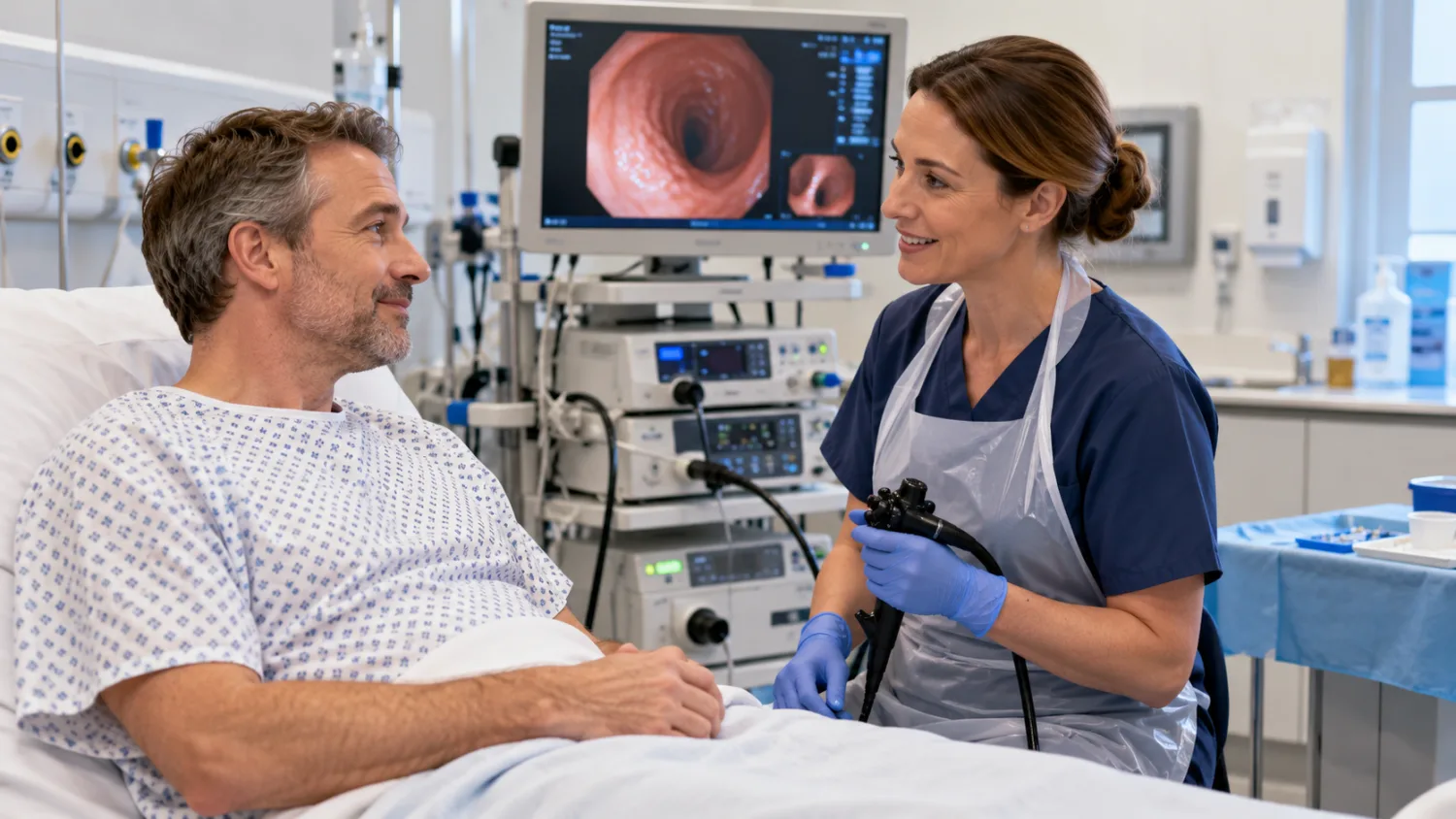
In most adults, diagnosis is usually confirmed with an endoscopy and small bowel biopsy. A thin flexible camera is passed through the mouth into the upper digestive tract, and tiny samples are taken from the small intestine. These can show the characteristic damage caused by coeliac disease.
The idea of biopsy sounds daunting, but it is a routine investigation and is often the clearest way to confirm the diagnosis properly.
How much gluten should you be eating before tests?
Different sources explain this slightly differently, but the key message is consistent: you should still be eating gluten regularly before blood tests and any biopsy. Coeliac UK advises gluten in more than one meal each day for at least six weeks before testing if you have already reduced it.
If you have already gone gluten-free or mostly gluten-free, tell your GP before testing rather than guessing what to do next.
What happens after diagnosis?
The treatment for coeliac disease is a strict lifelong gluten-free diet. This is not usually a short trial or temporary reset. Removing gluten allows the lining of the gut to heal and reduces the risk of ongoing nutrient deficiency and longer-term complications.
For many people, symptoms improve significantly once gluten is fully removed. Some feel better within weeks. Others improve more gradually, especially if the gut has been damaged for a long time before diagnosis.
What foods contain gluten?
Gluten is found in:
- wheat
- barley
- rye
This means it can be present in foods such as bread, pasta, many cereals, cakes, pastries, biscuits, beer, battered foods, breadcrumbs, and many processed products where gluten is used as an ingredient.
It is not always obvious. Gluten can appear in sauces, soups, gravies, ready meals and snacks. That is why label reading becomes so important after diagnosis.
What can people with coeliac disease eat?
Many foods are naturally gluten-free, including:
- fruit and vegetables
- meat, fish and eggs
- milk and many dairy products
- rice
- potatoes
- beans and pulses
- corn
- some oats labelled gluten-free
There are also many gluten-free alternatives now available, including breads, pasta, crackers, flours and snacks. But gluten-free does not automatically mean healthier. Some processed gluten-free foods are still high in sugar, fat or salt, so the goal is still a balanced diet, not just avoidance of gluten.
Cross-contamination: the part many people underestimate
One of the hardest parts of treatment is not just avoiding obvious gluten. It is avoiding accidental contamination.
This can happen through:
- shared toasters
- breadcrumbs on worktops
- shared butter or spreads
- kitchen utensils used for both regular and gluten-free foods
- restaurant meals prepared in the same space as gluten-containing foods
Someone can be very careful about not eating bread or pasta but still keep having symptoms because of low-level contamination at home or when eating out.
Will symptoms go away straight away?
Not always. Some people feel dramatically better within a few weeks. Others take several months to improve.
Reasons recovery may take longer include:
- the gut needs time to heal
- there may still be hidden gluten exposure
- iron or vitamin deficiency may take time to correct
- another digestive issue may also be present, such as lactose intolerance or IBS
Untreated coeliac disease can temporarily increase the chance of lactose intolerance because the damaged gut lining may struggle to digest lactose properly. Some people find dairy symptoms settle once the gut heals.
Long-term health risks if coeliac disease is missed or untreated
Untreated or poorly controlled coeliac disease can lead to important health problems over time. These may include:
- iron deficiency anaemia
- vitamin B12 or folate deficiency anaemia
- malnutrition
- reduced bone density or osteoporosis
- ongoing fatigue
- fertility or pregnancy-related issues in some people
- a small increased risk of certain rare cancers and lymphomas
It is important to keep this in perspective. Most people with coeliac disease will not develop serious complications, especially if they are diagnosed and treated properly. But this is exactly why getting the diagnosis right matters. It is not just about avoiding bloating.
Monitoring and follow-up
After diagnosis, follow-up matters. This may include repeat blood tests, review of symptoms, checking whether the gluten-free diet is working, and watching for deficiencies or bone health issues where relevant.
Dietitian support is often extremely helpful. A good dietitian can help people avoid hidden gluten, build a nutritionally balanced gluten-free diet, and manage practical issues such as shopping, travel, school meals or eating out.
Living well with coeliac disease
Being diagnosed can feel overwhelming at first. Many people go through a phase of frustration, label-reading fatigue and worry about social eating. That is normal.
What often helps is moving from panic to routine:
- learning which foods are naturally safe
- reading labels carefully
- asking clear questions in restaurants
- keeping a few reliable gluten-free staples at home
- getting proper support rather than relying on internet myths
A gluten-free diet can absolutely become normal daily life, but it usually takes time and confidence.
What to avoid
- starting a gluten-free diet before testing
- assuming mild symptoms mean it cannot be coeliac disease
- treating a positive blood test as “good enough” without proper follow-up
- assuming gluten-free processed foods are automatically healthy
- forgetting about cross-contamination
- ignoring ongoing symptoms after diagnosis
If you still feel unwell after going gluten-free, do not just assume “it takes time” forever. Hidden gluten exposure, lactose intolerance, IBS or another condition may be contributing, and it is worth getting reviewed.
When to see a GP
Book a GP appointment if you have:
- ongoing bloating or diarrhoea
- persistent tummy pain
- unexplained tiredness or anaemia
- weight loss without trying
- repeated mouth ulcers
- a family history of coeliac disease
- digestive symptoms that keep getting labelled as IBS without proper testing
You should also speak to a GP if you have already gone gluten-free and now want proper testing, because the testing plan may need to be handled carefully.
Frequently asked questions
Can you have coeliac disease without diarrhoea?
Yes. Some people mainly have bloating, tiredness, anaemia, mouth ulcers or other non-classic symptoms.
Can I just try a gluten-free diet and see if I feel better?
Not before testing if coeliac disease is a possibility. Going gluten-free too early can make diagnosis harder.
Is coeliac disease the same as gluten intolerance?
No. Coeliac disease is an autoimmune disease with bowel damage and longer-term health implications if untreated.
Do I need to avoid gluten forever?
If you have confirmed coeliac disease, treatment is usually a lifelong strict gluten-free diet.
Why do I still feel bloated after going gluten-free?
The gut may still be healing, you may still be getting hidden gluten, or another problem such as lactose intolerance or IBS may also be present.
Final thoughts
Coeliac disease is often missed because the symptoms can be vague, varied or mistaken for other digestive problems. But it is a serious and important diagnosis because untreated disease can affect nutrition, energy, bone health and more.
The most important steps are simple: think of coeliac disease when symptoms fit, do not go gluten-free before testing, get properly diagnosed, and treat it seriously once confirmed. For many people, that diagnosis finally explains years of symptoms and opens the door to feeling much better.
For official information, see the NHS guide to coeliac disease, the NHS diagnosis page, NICE guidance on coeliac disease, and Coeliac UK diagnosis advice.