Diverticular disease is a common bowel condition, especially in older adults. It happens when small pouches, called diverticula, form in the wall of the large bowel and start causing symptoms such as lower abdominal pain, bloating or changes in bowel habit. Diverticulitis is different: it means one or more of those pouches have become inflamed, and sometimes infected, which can cause more severe pain, fever and the need for medical treatment.
Many people have diverticula without knowing it and never need treatment. Others have a long stop-start pattern of bowel symptoms that can easily be confused with IBS, constipation or “just a sensitive stomach”. The important part is recognising when symptoms are mild and manageable, when diet may help, and when the pattern suggests acute diverticulitis or a complication that needs urgent medical care.
This guide explains the difference between diverticulosis, diverticular disease and diverticulitis, what symptoms to look for, what diet advice usually makes sense, how treatment works in the UK, and when symptoms should not be ignored.
If you want a broader overview first, see Digestive Health: Symptoms, Common Conditions and Treatments. If your symptoms overlap with bloating or constipation, these may also help: Bloating: Common Causes, Relief and When to Worry and Constipation in Adults: Causes, Remedies, Laxatives and When to Seek Help.
What is the difference between diverticulosis, diverticular disease and diverticulitis?
Diverticulosis means the pouches are present but not causing symptoms. Diverticular disease means those pouches are associated with symptoms such as lower abdominal pain, bloating or bowel habit change. Diverticulitis means inflammation of a pouch, sometimes with infection, and this is usually more painful and more medically significant.
This distinction matters because treatment is not the same. Someone with asymptomatic diverticulosis may need no specific treatment at all, while someone with diverticulitis may need pain relief, review within 48 hours, antibiotics in some cases, or hospital treatment if the illness is more severe.
What symptoms can diverticular disease cause?
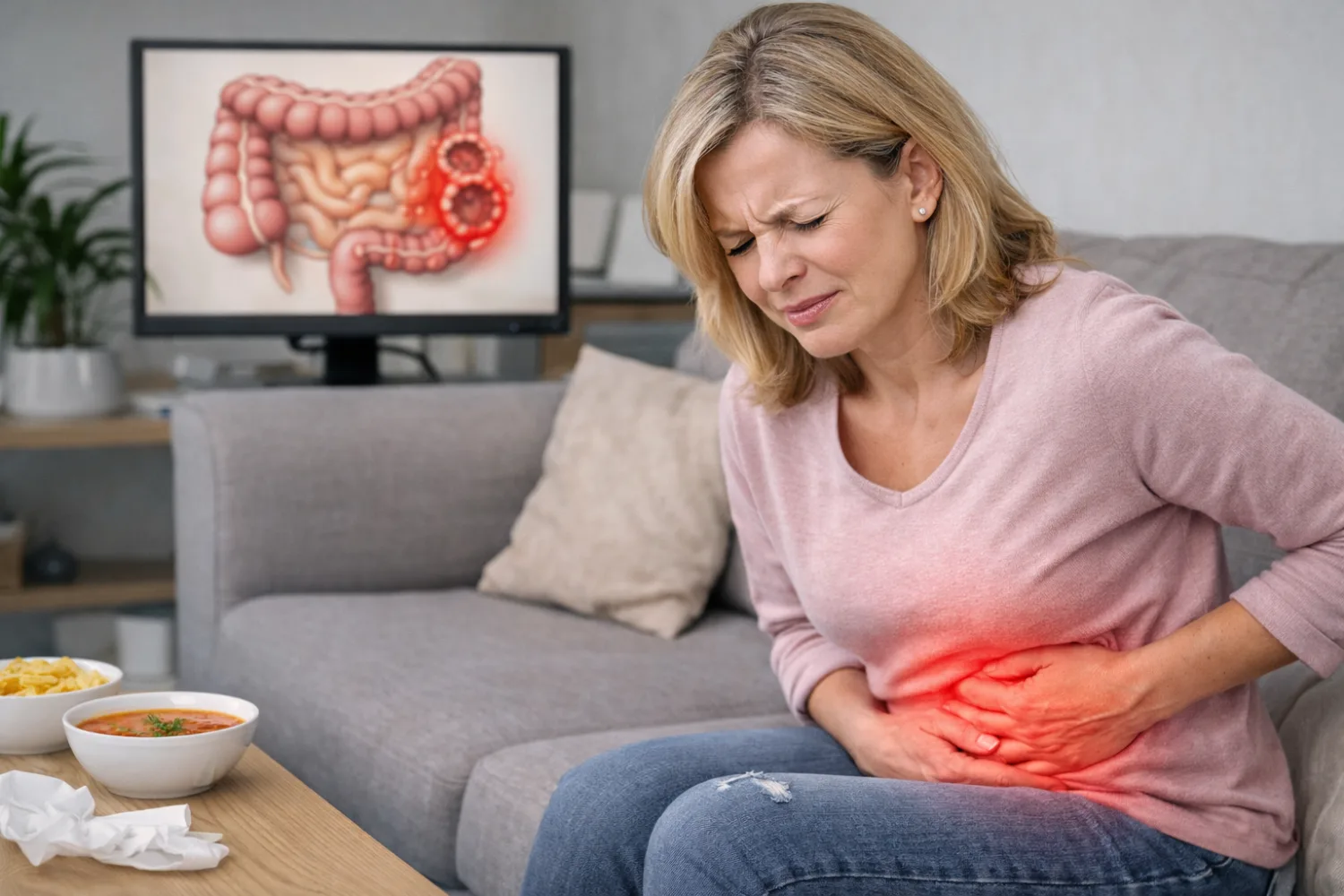
The most common symptom is lower abdominal pain, often on the left side, though the exact location can vary. Some people also get bloating, constipation, diarrhoea, or a stop-start pattern of bowel symptoms that comes and goes over time.
Real-life example: someone in their 50s or 60s notices a recurring ache in the lower left side of the abdomen, worse on some days than others, together with bloating and irregular bowel habit. They may feel fine for a while, then have another flare of discomfort that makes them think they have “a touch of IBS” or constipation again. That kind of pattern can fit diverticular disease, although other causes always need to be considered too.
NICE notes that symptoms can overlap with conditions such as IBS, colitis and bowel cancer, which is one reason persistent or changing symptoms should not just be self-diagnosed indefinitely.
What symptoms suggest diverticulitis instead?
Diverticulitis usually causes more acute symptoms. These may include:
- more constant or more severe lower abdominal pain
- tenderness when the abdomen is pressed
- fever
- feeling generally unwell
- nausea
- a noticeable change in bowel habit
Not everyone gets all of these symptoms, but the overall pattern is usually more like an inflammatory flare than ordinary bloating or constipation. Some people can be treated at home if symptoms are mild and uncomplicated. Others need hospital assessment, especially if pain is severe, symptoms are worsening, or complications are suspected.
What causes diverticular disease?
Doctors do not think there is one single cause. Age is a major factor, because diverticula become more common over time. Constipation and straining are also thought to play a role, and low fibre intake is often discussed because it may contribute to constipation and harder stools. Some NHS dietetic sources also note links with long-term regular use of painkillers such as ibuprofen or aspirin in some patients.
That said, not everyone with diverticula has symptoms, and not everyone with symptoms has the same triggers. Some people are more troubled by constipation. Others mainly get bloating or intermittent pain.
Can diverticular disease cause bleeding?
Yes. Diverticular disease can sometimes cause bleeding from the bowel. This bleeding is often painless, and in many cases it stops on its own, but heavy or ongoing bleeding can need urgent assessment and sometimes hospital treatment.
Do not assume visible bleeding is always “just piles”, especially if it is a new symptom or if you also feel weak, dizzy or unwell.
Diet and diverticular disease
Diet advice is one of the most confusing parts of this condition because the right approach can differ depending on whether you are between flare-ups or in the middle of one.
When symptoms are stable
For many people with diverticular disease, a diet with enough fibre and fluid is helpful, particularly if constipation is part of the problem. Fibre can help stool stay softer and easier to pass, which may reduce straining. NHS and NICE-linked materials commonly support increasing fibre gradually and keeping fluids up.
Practical example: someone who barely drinks water, lives on processed snacks and is often constipated may notice fewer symptoms once they eat more regularly, increase fluids and improve fibre gradually rather than relying only on occasional laxatives.
During a flare of diverticulitis or when symptoms are more active
During an acute flare, some NHS patient leaflets advise a temporary low-fibre or bland diet to rest the bowel until symptoms settle, then a return to a more normal or higher-fibre pattern afterwards. This is one reason people can get mixed messages: the advice for day-to-day prevention is not always the same as advice during an acute episode.
In plain English: when things are calm, constipation prevention usually matters. When the bowel is inflamed and painful, a short-term simpler diet may sometimes be advised.
What foods should you avoid?
There is no universal “diverticular disease diet” that fits everyone. Old advice about always avoiding nuts, seeds and similar foods is not a rule for everyone. What matters more is how your own bowel behaves, whether constipation is an issue, and whether you are in a flare.
What usually makes more sense is to avoid foods that clearly worsen your symptoms during active flares, rather than creating a long list of permanent bans without a good reason. If you are repeatedly bloated or uncomfortable, it may help to keep a short food and symptom diary rather than guessing.
How is diverticular disease treated?
For non-acute diverticular disease, treatment often focuses on symptom control. NHS guidance lists options such as paracetamol for pain, bulk-forming laxatives where constipation or stool irregularity is part of the picture, and antispasmodics for cramping. If symptoms persist or do not respond, NICE advises thinking about other possible causes and investigating further where needed.
This is important because not every lower abdominal pain or bowel change in someone with diverticula is automatically caused by diverticular disease. Sometimes the real issue may be IBS, constipation, colitis or another condition.
How is diverticulitis treated?
Treatment depends on how severe it is. Mild uncomplicated diverticulitis may sometimes be managed at home with pain relief, clear safety-net advice and a review within about 48 hours if symptoms are not worsening. NICE-linked prescribing guidance shows that antibiotics may be used for suspected or confirmed uncomplicated diverticulitis in some adults, but not every mild case is treated in exactly the same way.
If symptoms are more severe, or if there are concerns about complications, hospital treatment may be needed. This can include stronger pain control, fluids, imaging and intravenous antibiotics.
NHS and related guidance generally favour paracetamol for pain. Some sources advise avoiding NSAIDs such as ibuprofen during diverticulitis because they may increase the risk of perforation, and opioids are also not ideal where possible.
How is diverticular disease diagnosed in the UK?
Diagnosis starts with the symptom pattern and examination. If a GP suspects acute diverticulitis, further tests may be needed depending on the severity and the person’s overall condition. NICE covers investigations and referral pathways for adults with suspected diverticular disease, especially where symptoms are persistent, severe or overlap with possible cancer symptoms.
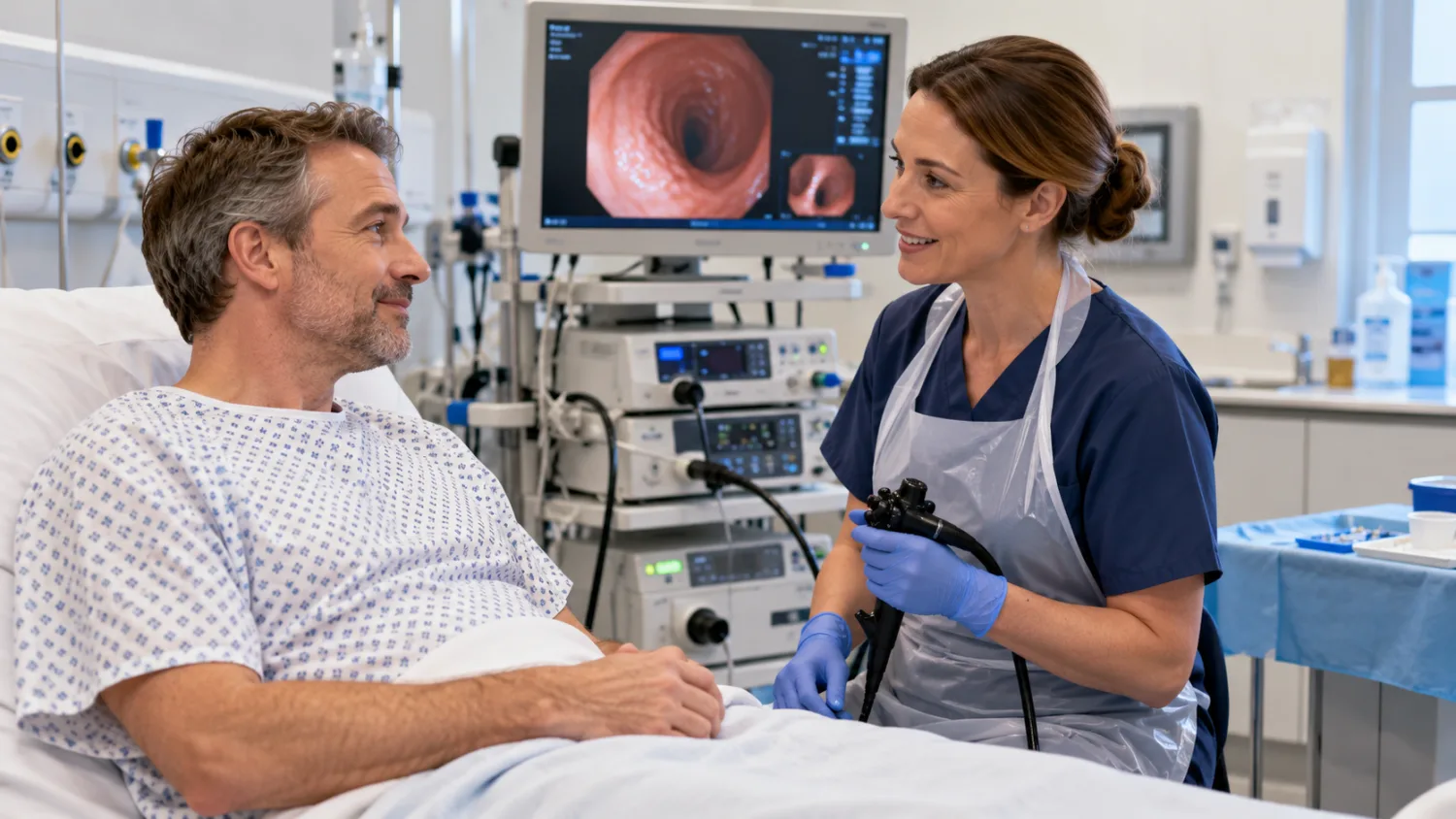
In practice, tests may include blood tests and scans during an acute illness, while colonoscopy or other bowel investigations may be used later or when the diagnosis is uncertain. NICE’s evidence review lists CT, MRI, ultrasound, sigmoidoscopy and colonoscopy among the investigated tools, depending on the clinical situation.
When might surgery be needed?
Most people do not need surgery. But surgery may be considered if diverticulitis is severe, keeps coming back, or causes complications such as abscess, perforation, fistula or bowel narrowing. The decision depends on the overall pattern, not just one episode.
For many patients, the bigger issue is not surgery but getting the right diagnosis, managing bowel habit better, and knowing when a flare needs medical review rather than home treatment.
When should you see a GP?
See a GP if you have ongoing lower abdominal pain, repeated bloating, recurring bowel habit change, or symptoms that keep returning. Also book an appointment if you think you are having flares of diverticular disease but have never actually been assessed.
If the symptoms are not improving with basic measures, or if the pattern is changing, it is worth getting checked rather than simply assuming it is constipation or IBS again. NICE also advises that if someone meets criteria for a suspected cancer pathway, they should be referred that way rather than treated as routine diverticular disease.
When should you seek urgent help?
Seek urgent medical advice if you have:
- severe or worsening abdominal pain
- fever and feeling very unwell
- persistent vomiting
- heavy rectal bleeding
- a swollen abdomen
- symptoms of dehydration
- symptoms that are rapidly deteriorating
NHS and hospital patient information advise urgent assessment or NHS 111/GP review where symptoms suggest acute diverticulitis needing hospital treatment.
Frequently asked questions
Is diverticular disease the same as diverticulitis?
No. Diverticular disease refers to symptoms related to diverticula. Diverticulitis means inflammation, sometimes infection, of one or more diverticula.
Can diverticular disease cause both constipation and diarrhoea?
Yes. Some people get constipation, some diarrhoea, and some alternate between the two.
Should I eat more fibre?
Often yes in the longer term, especially if constipation is part of the problem, but during an acute flare a temporary lower-fibre approach may be advised.
Do all cases of diverticulitis need antibiotics?
No. Management depends on severity and whether the diverticulitis is uncomplicated, but antibiotics are still used in some cases and NICE has specific antimicrobial guidance.
Can diverticular disease be mistaken for IBS?
Yes. NICE specifically notes that symptoms can overlap with IBS, colitis and malignancy.
Final thoughts
Diverticular disease is common and often manageable, but it is not something to reduce to one-line advice like “just eat more fibre”. The right approach depends on whether you have no symptoms, day-to-day diverticular symptoms, or a more acute episode of diverticulitis.
If symptoms are mild and stable, bowel habit, fibre and fluids often matter most. If pain becomes more constant, fever appears, or you start feeling significantly unwell, that is a different picture and needs proper medical attention. The key is not panic, but recognising when the condition has moved from manageable digestive discomfort into something more acute.