A gastroscopy is a common test used to look inside the upper part of the digestive system. It can help investigate symptoms such as persistent indigestion, acid reflux, swallowing problems, nausea, vomiting, unexplained anaemia, weight loss, upper abdominal pain or signs of bleeding.
Many people feel anxious before a gastroscopy because the test involves passing a thin flexible camera through the mouth and down into the stomach. That worry is understandable. But the procedure is usually quick, often taking only a few minutes, and you can usually choose options to make it more comfortable, such as throat spray, sedation, or sometimes both.
This guide explains what a gastroscopy is, when it may be needed, what it can show, how to prepare, what happens during the procedure, sedation choices, biopsy results, recovery, risks, and when to seek help afterwards.
Quick answer: A gastroscopy is an upper endoscopy test that uses a thin flexible camera to look at the oesophagus, stomach and first part of the small bowel. It can help diagnose reflux damage, ulcers, inflammation, coeliac disease, bleeding, narrowing, Barrett’s oesophagus and cancer. The test is usually quick, and you may be offered throat spray, sedation, or both.
What is a gastroscopy?
A gastroscopy is a medical procedure that looks inside the upper digestive tract. It is also called an upper GI endoscopy, upper gastrointestinal endoscopy or simply an endoscopy.
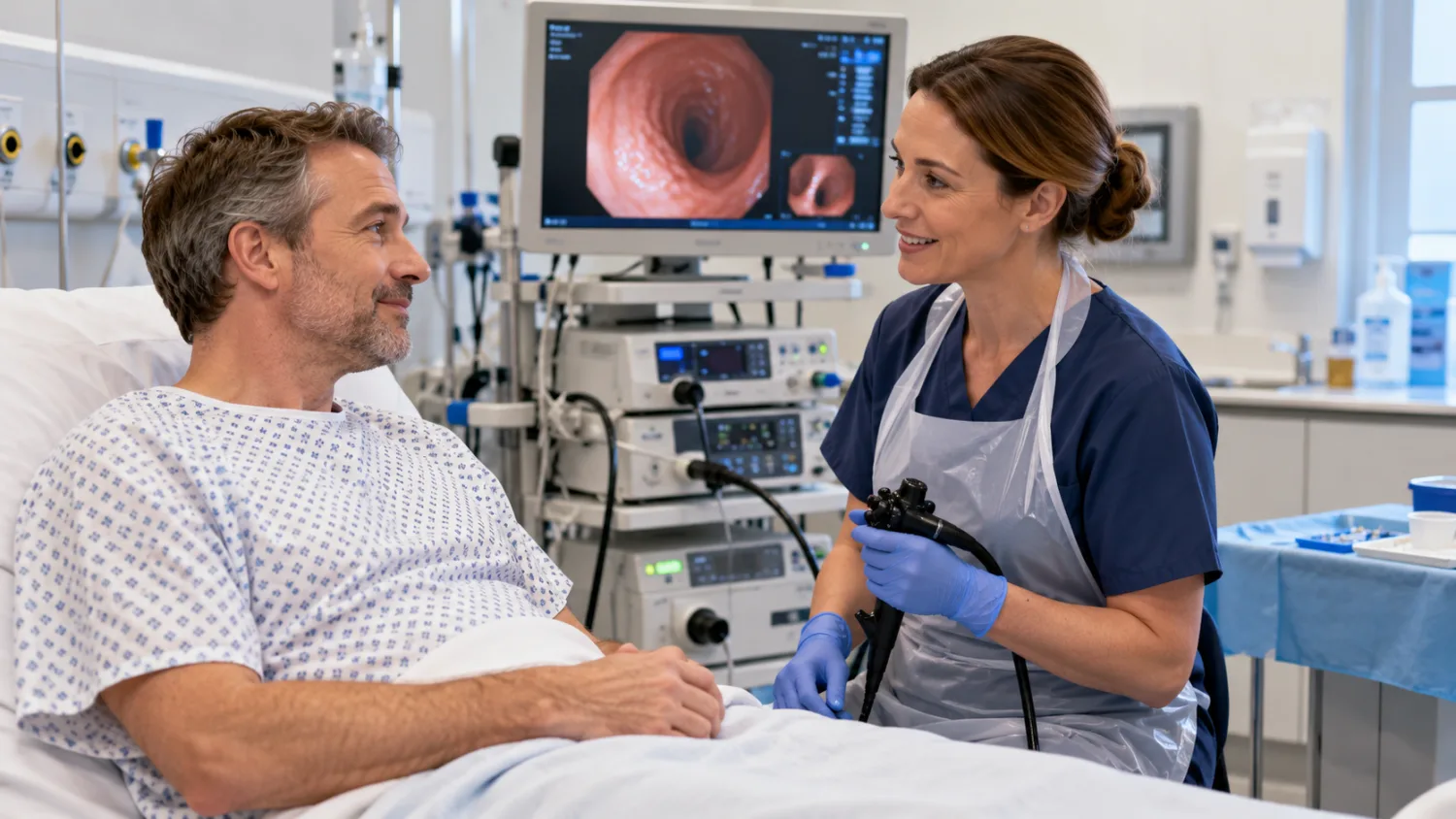
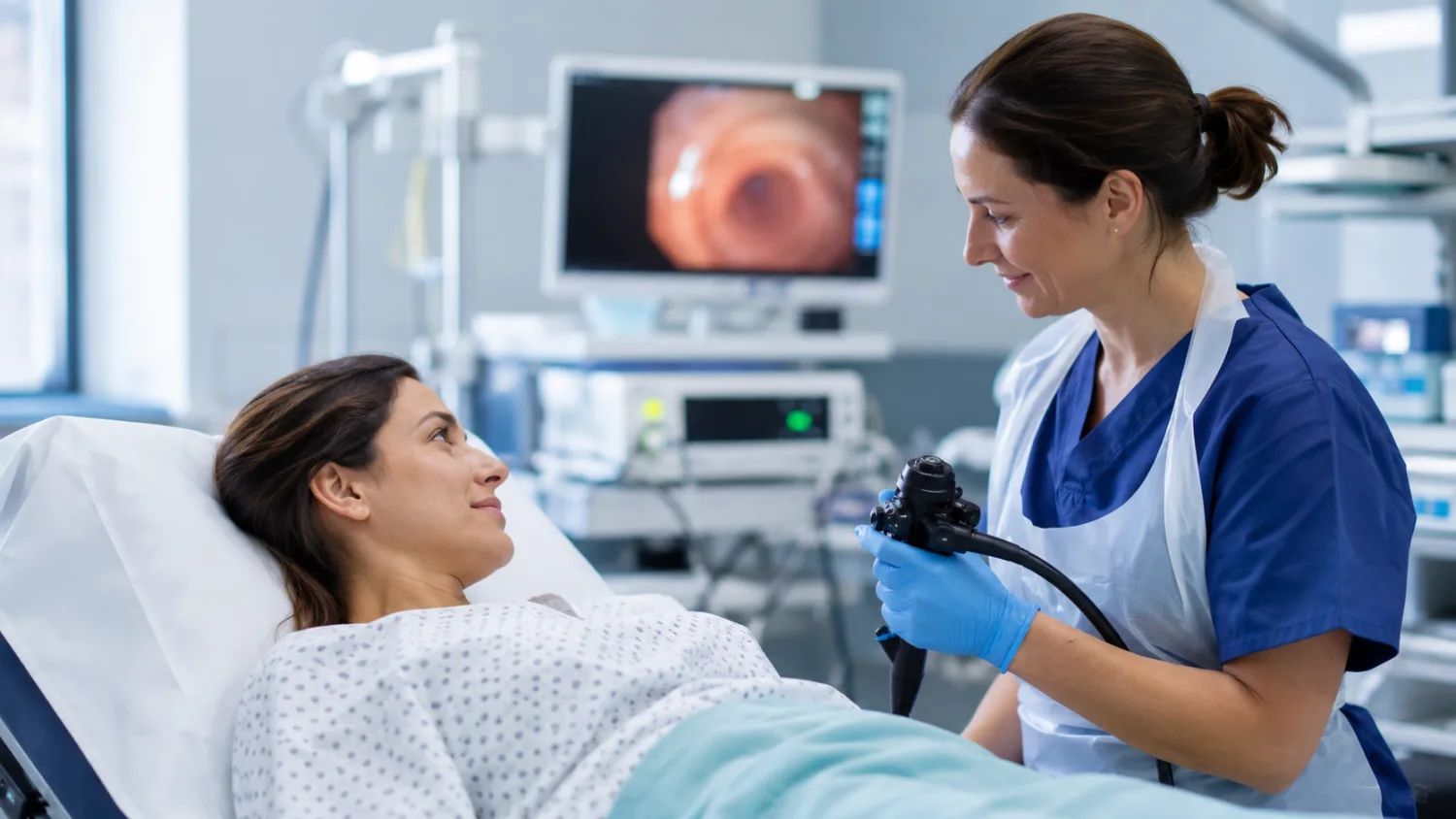
During the test, a doctor or specialist endoscopist passes a thin, flexible tube with a camera and light at the end through your mouth, down your throat, into the oesophagus, stomach and the first part of the small bowel, called the duodenum.
The camera sends live images to a screen. This allows the endoscopy team to look closely at the lining of the upper gut. They may also take small tissue samples, called biopsies, or treat some problems during the procedure.
The NHS has a patient guide to gastroscopy, including why it is done, how to prepare and what happens on the day.
Which parts of the body does gastroscopy look at?
A gastroscopy examines the upper digestive tract. This usually includes:
- Oesophagus: the food pipe that carries food from your mouth to your stomach.
- Stomach: where food is mixed with acid and digestive juices.
- Duodenum: the first part of the small intestine, just beyond the stomach.
A gastroscopy does not examine the whole bowel. If doctors need to look at the large bowel, a different test called a colonoscopy is used. You can read our guide to colonoscopy preparation, procedure, sedation and what to expect.
When is a gastroscopy needed?
A gastroscopy may be recommended when symptoms suggest a problem in the oesophagus, stomach or duodenum, especially if symptoms are persistent, severe, unexplained or linked with red flags.
Common reasons include:
- persistent indigestion or upper abdominal discomfort
- long-term acid reflux or heartburn
- difficulty swallowing
- pain when swallowing
- food getting stuck
- persistent nausea or vomiting
- vomiting blood
- black, tarry stools
- unexplained iron deficiency anaemia
- unexplained weight loss
- suspected stomach ulcer
- suspected coeliac disease
- monitoring Barrett’s oesophagus
- checking abnormal scan or blood test findings
- removing a swallowed object in some emergency cases
- treating bleeding or narrowing in selected cases
If your symptoms are mainly lower bowel symptoms, such as blood in the stool, long-term diarrhoea, a change in bowel habit or lower abdominal pain, a colonoscopy or other bowel test may be more appropriate. Related guides include blood in stool, abdominal pain by location and digestive health symptoms.
What symptoms may lead to gastroscopy?
Many upper digestive symptoms are common and not always serious. Heartburn after a large meal, occasional indigestion or mild nausea does not automatically mean you need a camera test. But a gastroscopy may be considered if symptoms are persistent, severe, recurrent, worsening or associated with warning signs.
Symptoms that may lead to referral include:
- heartburn that does not improve with treatment
- regurgitation of acid or food
- upper abdominal pain or burning
- feeling full very quickly when eating
- persistent bloating with upper gut symptoms
- unexplained nausea or vomiting
- swallowing difficulty
- pain behind the breastbone when swallowing
- unexplained fatigue linked with anaemia
- unintentional weight loss
If acid reflux is your main concern, see our guide to heartburn, acid reflux and GORD. If tiredness or anaemia is part of the picture, our guides to fatigue, full blood count results and iron, ferritin and anaemia blood test results may also help.
What can a gastroscopy show?
A gastroscopy can show changes in the lining of the oesophagus, stomach and duodenum. It can find inflammation, ulcers, bleeding, narrowing, abnormal tissue, growths, infection and other changes.
Possible findings include:
- Oesophagitis: inflammation of the oesophagus, often due to reflux.
- Gastritis: inflammation of the stomach lining.
- Duodenitis: inflammation in the first part of the small bowel.
- Stomach ulcers: open sores in the stomach lining.
- Duodenal ulcers: ulcers in the duodenum.
- Hiatus hernia: when part of the stomach pushes up through the diaphragm.
- Barrett’s oesophagus: changes in the lower oesophagus linked with long-term reflux.
- Coeliac disease changes: flattening or inflammation in the duodenum, confirmed with biopsies.
- Narrowing or strictures: areas where the oesophagus has become narrowed.
- Bleeding points: such as ulcers, inflamed areas or abnormal blood vessels.
- Cancer: gastroscopy can help diagnose oesophageal or stomach cancer and take biopsies.
If you are being investigated for ulcers, see our guide to stomach ulcers, H. pylori and treatment. If coeliac disease is being considered, see coeliac disease symptoms, testing and treatment.
Can gastroscopy diagnose cancer?
Gastroscopy can help diagnose cancers of the oesophagus or stomach. If the endoscopist sees an abnormal area, they can take biopsies so the tissue can be examined in a laboratory.
Most people who have gastroscopy do not have cancer. However, it is an important test when there are red flag symptoms such as difficulty swallowing, unexplained weight loss, persistent vomiting, vomiting blood, black stools or unexplained iron deficiency anaemia.
If cancer is found, the next steps usually include specialist referral, further scans, staging tests and discussion by a multidisciplinary team. The aim is to understand the exact diagnosis and treatment options.
Gastroscopy for acid reflux and GORD
Many people with acid reflux do not need gastroscopy. Reflux is often diagnosed from symptoms and treated with lifestyle changes and medicines. But gastroscopy may be recommended if symptoms are persistent despite treatment, if swallowing is difficult, if there is bleeding, weight loss, anaemia or if Barrett’s oesophagus is suspected.
Gastroscopy can show whether reflux has damaged the oesophagus. It can also look for ulcers, narrowing, inflammation, Barrett’s changes or other causes of symptoms.
Gastroscopy for stomach ulcers and H. pylori
Stomach ulcers and duodenal ulcers can cause upper abdominal pain, indigestion, nausea, bloating, feeling full quickly, vomiting or bleeding. Common causes include H. pylori infection and anti-inflammatory medicines such as ibuprofen or naproxen.
During gastroscopy, ulcers can be seen directly. Biopsies may be taken to check for H. pylori or to make sure a stomach ulcer is not cancerous. If bleeding is found, treatment may sometimes be done during the procedure.
Gastroscopy for coeliac disease
Coeliac disease is an autoimmune condition triggered by gluten. It can cause diarrhoea, bloating, abdominal pain, fatigue, mouth ulcers, anaemia, weight loss or nutrient deficiencies, although symptoms vary widely.
Blood tests are often used first, but a gastroscopy with biopsies from the duodenum may be needed to confirm the diagnosis in many adults. It is important not to start a gluten-free diet before testing unless your doctor advises it, because removing gluten can make tests falsely normal.
Gastroscopy for swallowing problems
Difficulty swallowing, also called dysphagia, is one of the most important reasons for gastroscopy. It can feel like food sticks in the throat or chest, or that swallowing is painful or slow.
Possible causes include reflux-related narrowing, inflammation, eosinophilic oesophagitis, motility problems, strictures, rings, webs or cancer. Gastroscopy helps look directly at the oesophagus and may allow biopsies or treatment such as stretching a narrowing in selected cases.
Difficulty swallowing should be discussed with a GP promptly, especially if it is new, worsening, associated with weight loss, or affecting solid foods.
Preparing for a gastroscopy
Preparation for gastroscopy is usually simpler than preparation for colonoscopy because the bowel does not need to be emptied. However, your stomach needs to be empty so the endoscopist can see clearly and so the risk of vomiting or aspiration is reduced.
You will usually be told not to eat for several hours before the test. You may be allowed clear fluids until a certain time. Exact fasting instructions vary, so follow the instructions from your hospital or clinic.
If you do not follow fasting instructions, the procedure may need to be delayed or cancelled for safety reasons.
What about medicines before gastroscopy?
Most medicines can be continued, but some need special instructions. Do not stop prescribed medicines unless your doctor or endoscopy unit tells you to.
Tell the endoscopy team in advance if you take:
- blood thinners, such as warfarin, apixaban, rivaroxaban, edoxaban, dabigatran or clopidogrel
- aspirin or other antiplatelet medicines
- diabetes medicines, including insulin
- GLP-1 medicines, such as semaglutide or tirzepatide
- iron tablets
- medicines for reflux or stomach acid
- steroids or immunosuppressants
- opioid painkillers
If you take diabetes medicines, fasting may affect your blood sugar. You should receive specific instructions. If you take GLP-1 medicines for diabetes or weight management, tell the endoscopy unit because these medicines can slow stomach emptying and may affect fasting or sedation planning.
Should you stop acid reflux medicine before gastroscopy?
Sometimes you may be asked to stop proton pump inhibitors, such as omeprazole, lansoprazole or esomeprazole, before gastroscopy or before H. pylori testing. This is not always necessary and depends on the reason for the test.
Do not stop acid reflux medicine unless your doctor or endoscopy unit tells you to. If you are unsure, ask in advance. Stopping medication without advice can make symptoms worse and may not be needed.
What to tell the endoscopy team
Before the test, the team needs to know about your health, medicines and any previous problems with procedures or sedation.
Tell them if you:
- are pregnant or might be pregnant
- have heart, lung, kidney or liver disease
- have diabetes
- have sleep apnoea
- have swallowing problems
- have had previous reactions to sedation or anaesthetic
- have allergies
- take blood thinners
- have a pacemaker or implanted heart device
- have had upper gut surgery
- have loose teeth, crowns, dentures or dental bridges
- have severe anxiety, trauma history or communication needs
If you need an interpreter, extra support, accessible information or reasonable adjustments, tell the unit before the appointment.
What happens when you arrive?
When you arrive at the endoscopy unit, a nurse will usually check your details, medical history, allergies and medicines. They will confirm when you last ate or drank. Your blood pressure, pulse and oxygen levels may be checked.
You will be asked to sign a consent form after the procedure, benefits and risks have been explained. This is your opportunity to ask questions. You can ask about throat spray, sedation, biopsies, results and aftercare.
If you are having sedation, a small cannula will usually be placed in a vein in your hand or arm. You may be asked to remove dentures or glasses before the procedure.
Throat spray, sedation or both?
For gastroscopy, you may be offered:
- Local anaesthetic throat spray: this numbs the back of the throat and can reduce gagging.
- Conscious sedation: medicine through a vein to help you feel relaxed and drowsy.
- Both throat spray and sedation: some units offer both depending on patient preference and clinical suitability.
- No sedation or spray: some people choose to have the test without either.
The NHS explains that people may be offered local anaesthetic spray to numb the throat, sedation through a small tube in the arm to help them relax, or sometimes both.
There is no single best choice for everyone. Throat spray may allow quicker recovery and no sedation restrictions. Sedation may be better if you are very anxious or have struggled with endoscopy before. The endoscopy team can help you choose.
What does throat spray feel like?
Throat spray is a local anaesthetic sprayed onto the back of the throat. It can taste bitter or unpleasant. It makes the throat feel numb and may make swallowing feel strange for a short time.
The numbness helps reduce gagging and makes it easier to pass the endoscope. Because your throat is numb, you will usually be told not to eat or drink until the numbness has worn off, to reduce the risk of choking.
What does sedation feel like?
Conscious sedation makes you relaxed and drowsy. It is not the same as a general anaesthetic. You are not usually fully unconscious, but you may remember very little of the procedure.
If you have sedation, you will need someone to take you home. You should not drive, drink alcohol, operate machinery, sign important documents or make major decisions for 24 hours afterwards. Some hospitals also advise that a responsible adult stays with you for a period after discharge.
British Society of Gastroenterology sedation guidance emphasises that patients should understand sedation options, including no sedation, and the balance between comfort and risk.
What happens during the gastroscopy?
You will usually lie on your left side. A plastic mouth guard is placed between your teeth to protect your mouth and the endoscope. This does not stop you breathing.
The endoscopist gently passes the endoscope through your mouth and down your throat. You may be asked to swallow as it passes. This can feel odd and may make you gag, but it should not block your breathing.
Air or carbon dioxide may be used to gently inflate the stomach so the lining can be seen clearly. This can cause bloating or burping. Saliva may collect in your mouth, and a nurse may use suction to clear it.
The endoscopist examines the oesophagus, stomach and duodenum. Biopsies may be taken if needed. If treatment is needed, such as stopping bleeding or stretching a narrowing, this may be done during the procedure in selected cases.
Can you breathe during a gastroscopy?
Yes. The endoscope goes into the food pipe, not the windpipe. You can breathe during the procedure. Many people worry about choking, but the team will monitor you and talk you through what is happening.
If you are anxious, tell the team before the test starts. Slow breathing, focusing on the nurse’s instructions and knowing the procedure is usually short can help.
How long does a gastroscopy take?
The procedure itself often takes around 5 to 15 minutes. It may take longer if biopsies are taken, treatment is performed, or the examination is technically difficult.
You will be in the endoscopy unit longer than the procedure time because of admission checks, consent, preparation, recovery and discharge advice. If you have sedation, recovery takes longer.
Are biopsies painful?
No. Biopsies taken during gastroscopy are usually not painful. They are tiny samples from the lining of the oesophagus, stomach or duodenum. You may not even know they have been taken.
Biopsies can help diagnose:
- H. pylori infection
- coeliac disease
- gastritis
- Barrett’s oesophagus
- eosinophilic oesophagitis
- infection
- pre-cancerous or cancerous changes
Results usually take longer than the immediate endoscopy report because samples need laboratory analysis.
Can gastroscopy treat problems?
Yes, in some cases. Gastroscopy is often diagnostic, but it can also be therapeutic.
Possible treatments during gastroscopy include:
- stopping bleeding from an ulcer or blood vessel
- removing certain small growths or polyps
- stretching a narrowed oesophagus
- placing a stent in selected cases
- removing a swallowed object
- placing feeding tubes in certain circumstances
If treatment is planned or likely, the team should explain the extra risks and aftercare.
What happens after gastroscopy?
After the procedure, you will rest in a recovery area. If you had throat spray only, you may be able to go home sooner once the numbness has worn off. If you had sedation, nurses will monitor you until you are awake enough to leave safely.
You may have:
- a sore throat
- bloating
- burping
- mild nausea
- sleepiness if sedated
- a slightly hoarse voice for a short time
These symptoms usually settle quickly. You should receive written aftercare instructions before going home.
When can you eat and drink afterwards?
If you had throat spray, you should not eat or drink until the numbness has worn off and the team says it is safe. This is usually because swallowing may be affected temporarily.
If you had sedation without throat spray, you may usually drink and eat once you are fully awake and the team confirms it is safe. Start gently if your throat or stomach feels unsettled.
Follow the instructions given by your endoscopy unit, especially if biopsies or treatment were performed.
Can you drive after a gastroscopy?
If you had sedation, you must not drive for 24 hours. You will need someone to collect you and take you home. Sedation can affect reaction time, judgement and memory even if you feel awake.
If you had throat spray only and no sedation, you may not have the same restrictions, but local policies vary. Ask your endoscopy unit before the procedure if you need to drive later.
When will you get results?
Some results may be explained before you leave. You may be told whether the oesophagus, stomach and duodenum looked normal, whether ulcers or inflammation were seen, and whether biopsies were taken.
Biopsy results usually take longer. Timing varies by hospital, but it may take one to several weeks. Ask before you leave:
- What did the gastroscopy show?
- Were biopsies taken?
- When will biopsy results be available?
- Who will contact me?
- Do I need a follow-up appointment?
- Should I start, stop or change any medicine?
If you are waiting for results, our guides to how to understand medical test results, how to understand scan results and how to understand blood test results may help.
What if the gastroscopy is normal?
A normal gastroscopy can be reassuring. It may rule out ulcers, cancer, severe inflammation and obvious structural problems. But it does not always mean symptoms are imaginary or unimportant.
Possible next considerations may include:
- functional indigestion
- non-erosive reflux disease
- IBS or gut-brain interaction symptoms
- gallbladder problems
- food intolerance
- medication side effects
- anxiety or stress-related gut symptoms
- motility problems
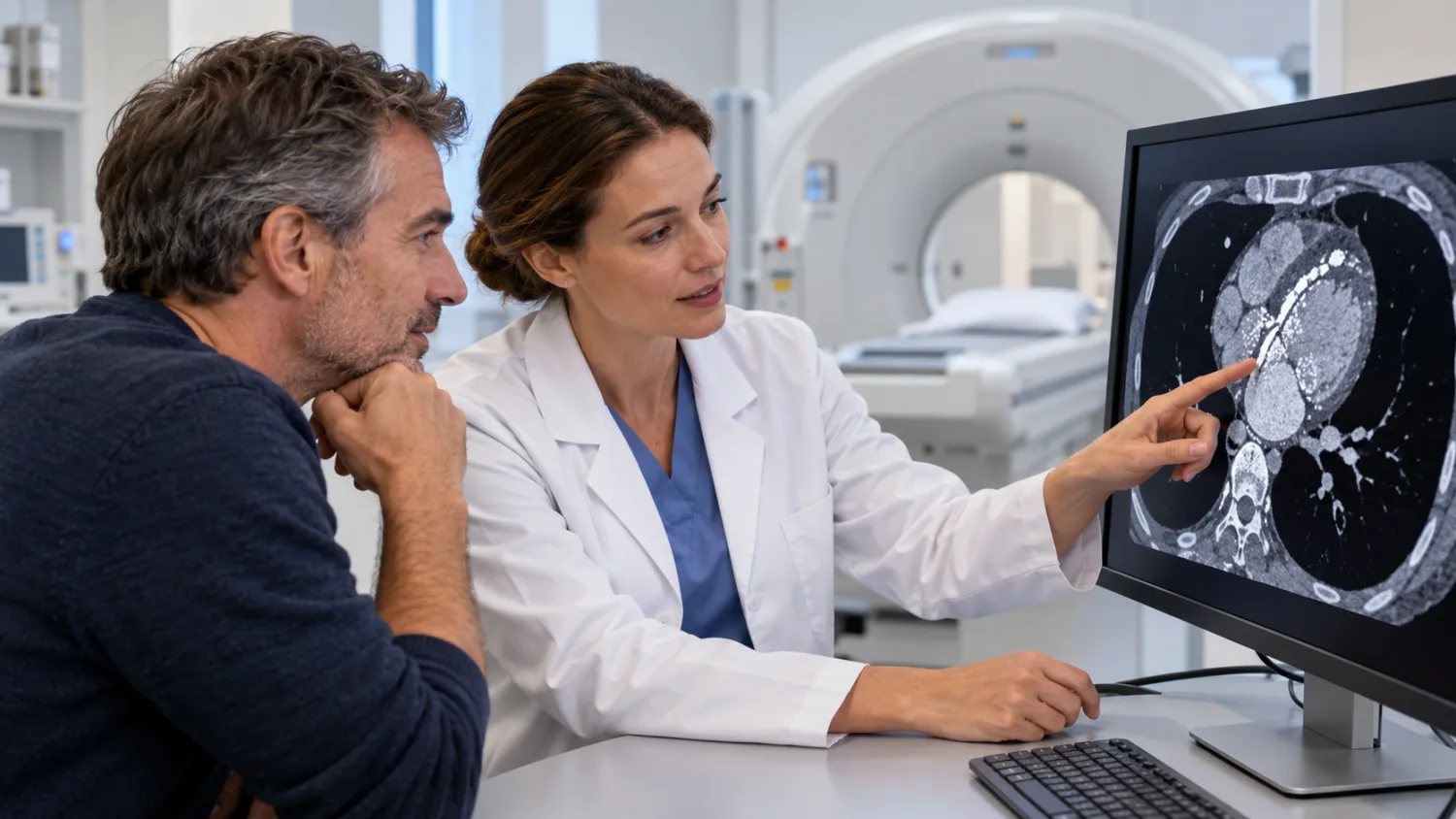
Depending on symptoms, further tests such as blood tests, stool tests, ultrasound, CT scan, pH monitoring or colonoscopy may be considered.
What are the risks of gastroscopy?
Gastroscopy is generally safe, but all medical procedures have some risks. Serious complications are rare.
Possible risks include:
- sore throat or hoarseness
- bloating or burping
- minor bleeding after biopsy
- reaction to sedation
- aspiration, where stomach contents enter the lungs
- damage to teeth, crowns, bridges or dentures
- bleeding, especially if treatment is performed
- perforation, meaning a tear in the oesophagus, stomach or duodenum
- infection, rarely
Risks are higher if the procedure involves treatment, such as stretching a narrowing, stopping bleeding or removing a growth. Your team should explain your individual risk before you consent.
When to seek help after gastroscopy
Mild sore throat, bloating and burping are common. But some symptoms need urgent medical advice.
Contact the endoscopy unit, NHS 111 or seek urgent help if you develop:
- severe chest pain
- severe or worsening abdominal pain
- difficulty breathing
- fever or chills
- vomiting blood
- black, tarry stools
- persistent vomiting
- difficulty swallowing that is new or worsening
- fainting or severe weakness
- heavy bleeding
Call 999 if symptoms are severe, you collapse, have severe breathing difficulty, severe chest pain or significant bleeding.
Gastroscopy versus colonoscopy
Gastroscopy and colonoscopy are both endoscopy tests, but they examine different parts of the digestive system.
- Gastroscopy: looks at the oesophagus, stomach and duodenum. It is used for upper digestive symptoms such as reflux, swallowing problems, ulcers, vomiting or upper abdominal pain.
- Colonoscopy: looks at the large bowel. It is used for lower bowel symptoms such as blood in stool, bowel habit change, diarrhoea, suspected IBD, polyps or bowel cancer screening.
Sometimes both tests are done, especially if someone has unexplained anaemia, weight loss, bleeding or symptoms that could come from more than one part of the digestive tract.
Gastroscopy and private healthcare
Some people choose private gastroscopy because of waiting times, insurance cover, or referral from a private GP or gastroenterologist. Private gastroscopy should still include proper assessment, consent, safe sedation practice, biopsy handling, aftercare and clear results follow-up.
Before booking privately, ask:
- Who will perform the procedure?
- Is the endoscopist experienced and accredited?
- What sedation options are available?
- Are biopsies included in the price?
- Are pathology fees included?
- What happens if treatment is needed?
- What happens if a complication occurs?
- Who explains the results?
- Will your GP receive a copy?
- What follow-up is included?
If you are comparing NHS and private options, see NHS vs private healthcare in the UK, private GP services in the UK and how hospital referrals work.
How to make gastroscopy easier
A gastroscopy can feel intimidating, but preparation and communication can make it easier.
Helpful tips include:
- read your appointment instructions in advance
- follow fasting instructions carefully
- ask early about blood thinners, diabetes medicines or GLP-1 medicines
- arrange an escort if you plan to have sedation
- tell the team if you are anxious or have had a bad experience before
- ask about throat spray, sedation or both
- remove dentures if asked
- wear comfortable clothing
- focus on slow breathing during the test
- remember the procedure is usually short
If you have severe anxiety, panic attacks, trauma history, autism, learning disability or communication needs, tell the endoscopy unit beforehand. They may be able to make adjustments.
Common worries before gastroscopy
“Will I choke?”
The endoscope goes into the food pipe, not the windpipe. You can breathe during the procedure. The mouth guard and endoscope may feel strange, but they do not stop breathing.
“Will I gag?”
You may gag, especially when the tube first passes the throat. Throat spray, sedation, calm breathing and following the nurse’s instructions can help.
“Will it hurt?”
Gastroscopy is usually uncomfortable rather than painful. You may feel pressure, gagging, bloating or burping. Tell the team if you are struggling.
“Will I remember it?”
If you have sedation, you may remember little or nothing. Some people remember parts of the test. Throat spray alone does not affect memory.
“Can I stop the test?”
Yes. You can signal if you are struggling. The team can pause, support you, or stop if needed.
Final thoughts
A gastroscopy is a useful test for investigating upper digestive symptoms and checking the oesophagus, stomach and duodenum. It can show reflux damage, ulcers, inflammation, coeliac disease changes, bleeding, narrowing, Barrett’s oesophagus and cancer. It can also allow biopsies or treatment in some cases.
The test is usually quick. Preparation mainly involves fasting, checking medication instructions and deciding whether to have throat spray, sedation or both. If you have sedation, you will need someone to take you home and must avoid driving and important tasks for 24 hours.
Seek urgent advice after gastroscopy if you develop severe chest or abdominal pain, breathing difficulty, fever, vomiting blood, black stools, persistent vomiting, fainting or worsening swallowing problems.
For official guidance, see the NHS guide to gastroscopy, NHS information on what happens on the day, and Guy’s and St Thomas’ guidance on after gastroscopy.
This article is for general information only and should not replace medical advice. Always follow the instructions from your hospital, endoscopy unit or clinician, especially about fasting, medicines, sedation and aftercare.
Frequently asked questions
What is a gastroscopy?
A gastroscopy is a test that uses a thin flexible camera to look inside the oesophagus, stomach and first part of the small bowel. It is also called an upper GI endoscopy.
Why would I need a gastroscopy?
You may need a gastroscopy for persistent indigestion, reflux, swallowing problems, vomiting, upper abdominal pain, unexplained anaemia, weight loss, suspected ulcers, suspected coeliac disease or signs of bleeding.
Is gastroscopy painful?
It is usually uncomfortable rather than painful. You may gag or feel bloated. Throat spray and sedation can make the test easier.
How long does a gastroscopy take?
The procedure itself often takes around 5 to 15 minutes. You will be in the endoscopy unit longer because of checks, consent, recovery and discharge advice.
Are you asleep for a gastroscopy?
Usually not fully asleep. Many people have throat spray, conscious sedation, or both. Sedation makes you relaxed and drowsy but is not the same as a general anaesthetic.
Can you breathe during a gastroscopy?
Yes. The endoscope goes into the food pipe, not the windpipe. You can breathe throughout the procedure.
Do I need to fast before a gastroscopy?
Yes. Your stomach needs to be empty. You will be given instructions about when to stop eating and drinking. Follow your endoscopy unit’s instructions exactly.
Can biopsies be taken during gastroscopy?
Yes. Tiny tissue samples may be taken from the oesophagus, stomach or duodenum. Biopsies are usually not painful and can help diagnose conditions such as H. pylori, coeliac disease, inflammation, Barrett’s oesophagus or cancer.
When will I get results?
You may be told the initial findings before you leave. Biopsy results take longer because samples need laboratory analysis. Ask the endoscopy unit when and how you will receive results.
Can I drive after gastroscopy?
If you had sedation, you must not drive for 24 hours and need someone to take you home. If you had throat spray only, restrictions may be different, but follow local advice.
What can I eat after gastroscopy?
If you had throat spray, wait until the numbness has worn off and the team says it is safe. After that, most people can eat and drink normally, unless they are given different instructions.
What are the risks of gastroscopy?
Gastroscopy is generally safe. Possible risks include sore throat, bloating, minor bleeding after biopsy, sedation reaction, aspiration, dental damage, bleeding or, rarely, a tear in the digestive tract.
When should I seek help after gastroscopy?
Seek urgent advice if you develop severe chest pain, severe abdominal pain, breathing difficulty, fever, vomiting blood, black stools, persistent vomiting, fainting or worsening swallowing problems.
Is gastroscopy the same as colonoscopy?
No. Gastroscopy looks at the upper digestive tract: oesophagus, stomach and duodenum. Colonoscopy looks at the large bowel. Some people may need both depending on symptoms.
Can gastroscopy diagnose acid reflux?
Gastroscopy can show damage or inflammation caused by reflux and can identify complications such as narrowing or Barrett’s oesophagus. However, some people have reflux symptoms with a normal gastroscopy.