A change in bowel habits means that something about your usual pattern of going to the toilet has become noticeably different. You may be opening your bowels more or less often, passing looser or harder stools, experiencing greater urgency, or feeling that you have not emptied your bowel completely.
Most short-lived bowel changes are caused by everyday factors such as diet, stress, travel, medicines or a minor infection. However, a change that is persistent, unexplained or accompanied by other symptoms should not simply be attributed to “a sensitive stomach”. Conditions including irritable bowel syndrome, constipation, coeliac disease, inflammatory bowel disease and, less commonly, bowel cancer can all affect bowel habits.
The important question is not whether your bowel pattern matches someone else’s. It is whether it has changed from what is normal for you.
What counts as a change in bowel habits?
There is no single bowel routine that is normal for everyone. Some healthy adults open their bowels more than once a day, while others go only a few times a week. Stool consistency, timing and frequency can also vary with meals, activity, hormones, medicines and stress.
A change in bowel habits may involve:
- going to the toilet more frequently than usual;
- going less often than usual;
- new or persistent diarrhoea;
- new or worsening constipation;
- alternating between loose stools and constipation;
- greater urgency or difficulty reaching the toilet in time;
- straining more than usual;
- feeling that your bowel has not emptied completely;
- needing to return to the toilet soon after a bowel movement;
- waking during the night to pass stool;
- a noticeable change in stool colour, shape or consistency;
- mucus or blood in the stool; or
- new difficulty controlling wind or bowel movements.
A single unusual bowel movement is rarely significant on its own. Changes become more important when they continue, repeatedly return, have no obvious explanation or occur alongside warning symptoms.
The NHS includes softer stools, diarrhoea, constipation and going more or less often than usual among bowel changes that should be discussed with a GP when they are persistent or unusual for you. These symptoms have many possible causes and do not automatically mean cancer, but they should not be ignored.
How long should a bowel change last before you seek help?
A brief change lasting a day or two often has an identifiable explanation. You may have eaten differently, travelled, consumed more alcohol, experienced stress, started a medicine or picked up a stomach infection.
What matters is whether your normal bowel pattern returns.
Arrange a GP appointment when a change:
- continues for around three weeks;
- keeps returning without a clear explanation;
- is becoming progressively worse;
- is disrupting sleep, work or everyday activities;
- begins suddenly and remains different from your established pattern; or
- occurs with bleeding, weight loss, anaemia, persistent pain or another concerning symptom.
You do not need to wait three weeks when symptoms are severe or worrying. Contact a GP sooner if you have blood in your stool, unexplained weight loss, increasing abdominal pain, a lump, persistent tiredness or a strong family history of bowel disease.
It is also important to seek advice if a bowel change begins later in life. A new pattern should be assessed rather than automatically labelled as IBS, particularly when you have not previously experienced similar symptoms.
Common causes of a change in bowel habits
Bowel habits respond to many different influences. Sometimes the cause is temporary and harmless; in other cases, investigations are needed to identify an underlying condition.
Dietary changes
Eating substantially more or less fibre can alter both the frequency and consistency of stools. A sudden increase in bran, vegetables, pulses or fibre supplements may cause bloating, wind and more frequent bowel movements. A diet low in fibre and fluids can contribute to harder stools and constipation.
Large amounts of coffee, alcohol, artificial sweeteners or high-fat food can cause looser stools in some people. Food intolerance may also contribute, although symptoms alone cannot reliably identify which food is responsible.
Stress and changes in routine
The bowel and brain communicate closely. Stress, anxiety, poor sleep and changes in routine can speed up or slow down bowel movement. Some people develop urgency or diarrhoea before stressful events, while others become constipated.
Stress-related symptoms are real physical symptoms, but stress should not be used to dismiss a new or persistent bowel change without considering other explanations.
Infections
Viral or bacterial gastroenteritis can cause diarrhoea, cramps, nausea and vomiting. Symptoms often improve within several days, although bowel habits may remain unsettled for longer. Occasionally, an infection appears to trigger longer-term IBS-type symptoms.
Seek medical advice if diarrhoea is severe, bloody, associated with dehydration or high temperature, or continues beyond the expected recovery period. Our guide to diarrhoea and vomiting in adults explains self-care and warning signs in more detail.
Medicines and supplements
Many medicines can affect the bowel. Opioid painkillers, some antacids, iron tablets and certain antidepressants can cause constipation. Antibiotics, metformin, magnesium-containing products and some laxatives may cause diarrhoea.
Weight-loss medicines can also alter digestion and may cause nausea, diarrhoea or constipation, particularly when treatment starts or the dose increases.
Do not stop prescribed medicine without advice. A pharmacist or GP can review whether a medicine may be contributing and whether the dose, timing or preparation could be adjusted.
Hormonal changes
Menstruation, pregnancy and menopause can affect bowel habits. Some people develop looser stools around a period, while pregnancy commonly causes constipation. Hormonal changes can influence bowel movement, fluid balance, stress and food tolerance.
Reduced activity, illness or travel
Being less active, spending time in hospital, changing time zones, eating unfamiliar food or delaying toilet visits can all disrupt an established routine. Constipation is particularly common after surgery, illness or periods of reduced mobility.
Digestive conditions that can change bowel habits
When bowel changes persist, doctors consider the whole pattern rather than one symptom in isolation. Pain, bloating, bleeding, weight change, family history and test results all help narrow down the possible causes.
Irritable bowel syndrome
Irritable bowel syndrome, or IBS, commonly causes abdominal pain, bloating and changes in stool frequency or consistency. Some people mainly experience diarrhoea, others mainly constipation, and some alternate between the two.
IBS symptoms often fluctuate and may improve after opening the bowels. Urgency, mucus and a feeling of incomplete emptying can also occur. However, IBS does not normally cause visible bleeding, unexplained weight loss, anaemia or a persistent fever. Those symptoms need separate assessment.
Constipation and faecal loading
Constipation does not only mean going infrequently. It may also involve hard stools, straining, discomfort or incomplete emptying. In some cases, liquid stool leaks around a build-up of hard stool, producing what appears to be diarrhoea. This is known as overflow.
Read more about causes, laxatives and warning signs in our guide to constipation in adults.
Coeliac disease
Coeliac disease is an immune reaction to gluten that damages the small intestine. It can cause diarrhoea, constipation, bulky or greasy stools, bloating, weight loss, fatigue and nutrient deficiencies. Some people have mild or atypical symptoms.
Do not start a gluten-free diet before testing, because removing gluten can make coeliac blood tests and biopsies less reliable. Our article on coeliac disease symptoms and testing explains the diagnostic process.
Inflammatory bowel disease
Inflammatory bowel disease, or IBD, includes Crohn’s disease and ulcerative colitis. Possible symptoms include persistent diarrhoea, blood or mucus in the stool, abdominal pain, urgency, weight loss and fatigue.
IBD is different from IBS. IBD involves inflammation and may cause physical damage to the digestive tract. Stool calprotectin testing, blood tests, colonoscopy and imaging may be used during investigation. See our guide to Crohn’s disease and ulcerative colitis.
Diverticular disease
Diverticula are small pouches that develop in the wall of the large bowel. Some people with diverticular disease experience lower abdominal discomfort, bloating, constipation, diarrhoea or alternating bowel habits.
If a pouch becomes inflamed or infected, known as diverticulitis, pain is usually more persistent and may occur with fever or feeling unwell. You can read more in our guide to diverticular disease and diverticulitis.
Food intolerance and malabsorption
Lactose intolerance, bile acid malabsorption and problems absorbing nutrients can cause frequent loose stools, urgency, bloating and wind. Greasy, pale, floating or difficult-to-flush stools may suggest poor fat digestion and should be discussed with a clinician, especially when accompanied by weight loss.
Thyroid and other medical conditions
An underactive thyroid can contribute to constipation, while an overactive thyroid may cause more frequent bowel movements or diarrhoea. Diabetes, neurological conditions, pelvic-floor dysfunction and some gynaecological conditions can also affect bowel function.
This is why assessment may extend beyond the digestive system, particularly when other symptoms point towards a wider medical cause.
Could a change in bowel habits be bowel cancer?
Bowel cancer can cause a persistent and unexplained change in bowel habits. This may mean passing looser stools, going more frequently, developing constipation that is unusual for you, or repeatedly feeling that you still need to open your bowels after you have been.
Other possible symptoms include:
- blood in the stool or bleeding from the bottom;
- persistent abdominal pain;
- a lump or swelling in the abdomen;
- unexplained weight loss;
- reduced appetite;
- unusual tiredness, breathlessness or weakness caused by anaemia; and
- symptoms of bowel obstruction, such as severe pain, swelling, vomiting and inability to pass stool or wind.
These symptoms are more often caused by non-cancerous conditions. Haemorrhoids, fissures, IBS, infection, diverticular disease and inflammatory bowel disease can produce overlapping symptoms. Nevertheless, the cause cannot be confirmed from symptoms alone.
Bowel cancer can affect younger adults as well as older people. Age changes the statistical likelihood, but it should not be used to dismiss persistent symptoms. Bowel Cancer UK advises seeking medical advice for persistent, unexplained bowel changes, particularly when they occur with bleeding, weight loss, tiredness or abdominal pain.
Visible blood should always be taken seriously, even when you think it may be caused by piles. Our guide to blood in stool explains what different types of bleeding may mean and when to seek urgent help.
Does stool shape or colour matter?
Stool naturally varies in shape and colour. What you eat, how quickly food moves through the bowel, medicines and hydration can all affect its appearance.
Narrow or ribbon-like stools
An occasional narrow stool is not usually concerning. Stool shape can change with constipation, muscle spasm or incomplete emptying. A persistent and unexplained change in stool shape, particularly alongside bleeding, pain, weight loss or increasing difficulty passing stool, should be discussed with a GP.
Stool shape alone cannot diagnose or exclude bowel cancer.
Black stools
Iron tablets and certain foods can darken stool. However, black, sticky or tar-like stool can indicate bleeding higher in the digestive tract and needs urgent medical advice, especially if you feel faint, weak or unwell.
Red blood
Bright red blood may come from haemorrhoids or an anal fissure, particularly when it appears on toilet paper. It can also come from the rectum or lower bowel. Recurrent bleeding, blood mixed through the stool or bleeding with a bowel-habit change should be assessed.
Pale, greasy or floating stools
Pale or clay-coloured stools may occur when insufficient bile reaches the bowel. Greasy, oily, foul-smelling or difficult-to-flush stools can suggest poor fat absorption. Seek medical advice if these changes persist, particularly with jaundice, dark urine, weight loss or upper abdominal pain.
Mucus in the stool
A small amount of mucus can occur with constipation or IBS. Larger or recurring amounts may be associated with infection, inflammation or another bowel condition. Mucus accompanied by blood, pain, fever, weight loss or persistent diarrhoea should be investigated.
When should you see a GP?
Contact your GP when a new bowel change persists, keeps returning or cannot be explained by a temporary change in diet, routine or illness.
Seek an appointment promptly if you also have:
- blood in your stool or bleeding from your bottom;
- unexplained weight loss;
- persistent or worsening abdominal pain;
- a lump or swelling in your abdomen;
- marked tiredness, weakness or breathlessness;
- symptoms that wake you repeatedly at night;
- ongoing diarrhoea;
- fever or signs of inflammation;
- a family history of bowel cancer, polyps, coeliac disease or inflammatory bowel disease;
- a previous history of bowel polyps or bowel disease; or
- a bowel change that begins later in life.
Ask for another review if symptoms continue despite a normal initial test. A test result should be interpreted alongside your symptoms and medical history. Persistent or worsening symptoms may still require further investigation.
When to seek urgent help
Call 999 or attend A&E if you have severe or rapidly worsening abdominal pain, collapse, confusion, vomiting blood, black tar-like stools with weakness or dizziness, or heavy bleeding.
Urgent assessment is also needed when abdominal pain and swelling occur with repeated vomiting and an inability to pass stool or wind, as this can indicate bowel obstruction.
What happens at a GP appointment?
Your GP will usually begin by clarifying exactly what has changed. It can help to describe your bowel pattern before the symptoms began and how it differs now.
You may be asked:
- when the change started;
- whether it is constant or intermittent;
- how frequently you now open your bowels;
- whether stools are harder, softer or watery;
- whether you have urgency or incomplete emptying;
- whether there is blood or mucus;
- whether you have abdominal or rectal pain;
- whether you have lost weight unintentionally;
- whether your appetite has changed;
- which medicines and supplements you take;
- whether you have recently travelled or taken antibiotics; and
- whether close relatives have bowel disease or bowel cancer.
The examination may include feeling your abdomen. Depending on your symptoms, the clinician may suggest a rectal examination. This is brief and can help identify bleeding, a mass, impacted stool, haemorrhoids or another problem near the rectum.
Be direct about your symptoms. Bowel problems are routine medical issues, and describing what has changed clearly is more useful than trying to make the symptoms sound less embarrassing.
Which tests may be used?
Not everyone with a bowel change needs every test. Investigations are chosen according to your age, symptoms, family history, examination and the suspected cause.
Blood tests
Blood tests may look for anaemia, inflammation, infection, thyroid problems, coeliac disease, liver abnormalities or nutritional deficiencies. Iron-deficiency anaemia can sometimes result from gradual bleeding in the digestive tract, even when blood is not visible.
FIT stool test
The faecal immunochemical test, usually called FIT, checks a small stool sample for tiny amounts of human blood. It is commonly used in UK primary care to help assess people with possible bowel-cancer symptoms.
NICE recommends offering quantitative FIT to people with an unexplained change in bowel habit. The result helps clinicians decide what should happen next, but it is not interpreted in isolation.
A low or negative result makes bowel cancer less likely, but no test is perfect. Ongoing, worsening or strongly concerning symptoms still need follow-up.
Faecal calprotectin
Calprotectin is a marker of inflammation measured in stool. It may help distinguish inflammatory bowel disease from non-inflammatory conditions such as IBS. Infection and some medicines can also raise the result, so it must be interpreted in context.
Tests for infection
A stool sample may be checked for bacteria, parasites or other infections when diarrhoea follows travel, antibiotic treatment, contaminated food or contact with someone who has similar symptoms.
Colonoscopy
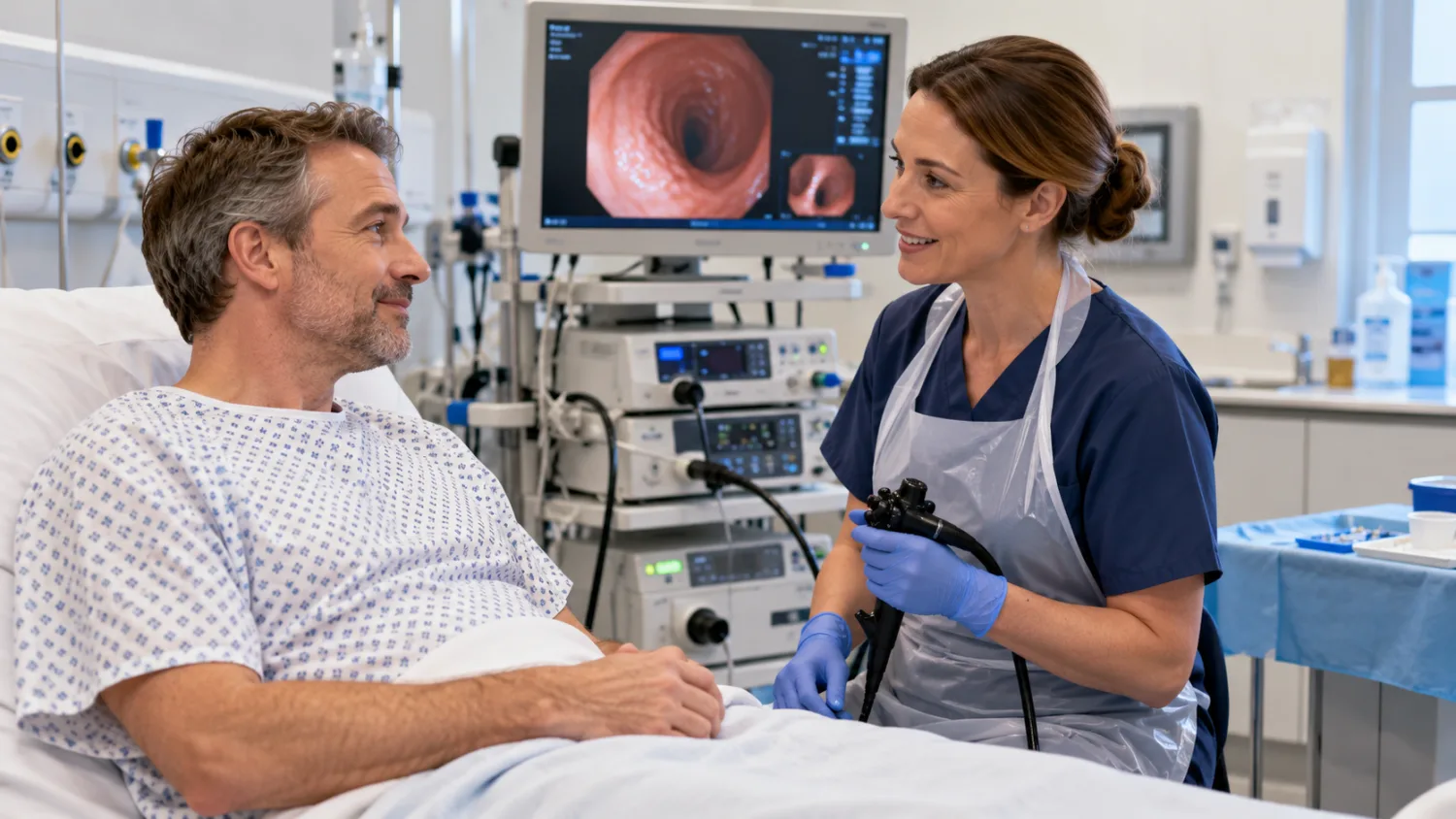
A colonoscopy uses a flexible camera to examine the inside of the large bowel. It can identify inflammation, polyps, diverticular disease, bleeding and cancer. Small tissue samples can be taken, and many polyps can be removed during the procedure.
Our detailed guide to colonoscopy preparation, sedation and results explains what happens before, during and after the test.
Scans
CT colonography, CT scanning, MRI or ultrasound may be used in selected circumstances. The appropriate investigation depends on which part of the digestive system needs assessment and whether an endoscopic procedure is suitable.
What can you do while monitoring the change?
When symptoms are mild and there are no warning signs, a few practical steps may help you understand the pattern. They should not replace medical assessment when symptoms persist.
Keep a symptom diary
For one or two weeks, record:
- how often you open your bowels;
- stool consistency;
- urgency, straining or incomplete emptying;
- blood or mucus;
- pain and bloating;
- foods and drinks;
- medicines or supplements;
- stress, travel or changes in routine; and
- any weight or appetite changes.
This can make a GP appointment more productive and help distinguish a one-off disturbance from a recurring pattern.
Avoid extreme dietary restriction
Do not remove multiple food groups based on symptoms alone. Restrictive diets can produce nutritional deficiencies and may make it harder to diagnose coeliac disease or another condition.
Make one manageable change at a time. Eat regular meals, drink enough fluid and adjust fibre gradually rather than suddenly. The best fibre approach depends on whether diarrhoea, constipation or bloating is the dominant problem.
Review medicines with a pharmacist
A pharmacist can check whether a medicine or supplement commonly affects the bowel. They can also advise on short-term constipation or diarrhoea treatments when self-care is appropriate.
Do not rely on home intolerance tests
Commercial food-intolerance panels, particularly IgG tests, do not reliably explain most bowel symptoms. If food appears to trigger symptoms, discuss a structured assessment with a GP or registered dietitian rather than unnecessarily excluding many foods.
Why persistent symptoms deserve follow-up
A change in bowel habits is a description, not a diagnosis. In many cases, the cause is manageable and non-serious. The value of seeking help is not only to rule out cancer; it is also to identify treatable problems such as constipation, coeliac disease, inflammatory bowel disease, infection, thyroid dysfunction or medicine side effects.
Do not be falsely reassured simply because symptoms come and go. IBS and many non-serious conditions fluctuate, but important conditions can also produce intermittent symptoms. Equally, do not assume that every unusual bowel movement is a sign of serious disease.
The most useful approach is to notice your normal pattern, recognise a genuine change and seek assessment when that change is persistent, unexplained or accompanied by warning signs.
Frequently asked questions
What is considered a normal bowel habit?
Normal varies widely. Some adults open their bowels several times a day, while others go a few times a week. A healthy pattern is generally one that is comfortable, established for you and does not involve persistent pain, bleeding, urgency or excessive straining.
Is going to the toilet more often always diarrhoea?
No. Frequency and consistency are different. You may pass formed stools more frequently without having diarrhoea. Diarrhoea usually refers to stools becoming loose or watery, although urgency and increased frequency often occur at the same time.
Can stress cause a change in bowel habits?
Yes. Stress can speed up or slow down bowel movement and may worsen IBS, diarrhoea, constipation and bloating. However, persistent symptoms or warning signs should not automatically be blamed on stress.
Can constipation cause occasional loose stools?
Yes. Liquid stool can sometimes pass around hard stool retained in the bowel. This is known as overflow diarrhoea. It is more likely in people with long-standing constipation, reduced mobility or certain neurological conditions.
Does narrow stool mean bowel cancer?
Not necessarily. Stool can become temporarily narrow because of constipation, bowel spasm or incomplete emptying. A persistent unexplained change in shape should be assessed, especially when accompanied by bleeding, pain, weight loss or worsening constipation.
Should I worry if my bowel habits alternate between constipation and diarrhoea?
This pattern can occur with IBS, dietary changes, medicines or constipation with overflow. It can also occur with other bowel conditions. Arrange a GP review if it is new, persistent, unexplained or associated with bleeding, weight loss, night-time symptoms or significant pain.
Can haemorrhoids cause a change in bowel habits?
Haemorrhoids can cause bleeding, itching, discomfort and a sensation of incomplete emptying, but they do not usually explain a persistent change in stool frequency or consistency. Do not assume that all bleeding or bowel changes are caused by piles without assessment.
Will a negative FIT result rule out bowel cancer?
A negative or low FIT result makes bowel cancer less likely, but it does not provide an absolute guarantee. Your GP should consider the result alongside your symptoms, examination and other findings. Return for review if symptoms persist, worsen or new warning signs appear.
Can I have IBS if my symptoms have only just started?
IBS is usually diagnosed from a characteristic pattern of symptoms after considering other possible causes. A new bowel change, especially later in life or with warning signs, should be assessed before it is labelled as IBS.
When is a bowel change an emergency?
Seek emergency help for severe or rapidly worsening abdominal pain, heavy bleeding, collapse, vomiting blood, black tar-like stools with weakness or dizziness, or abdominal swelling and vomiting with an inability to pass stool or wind.