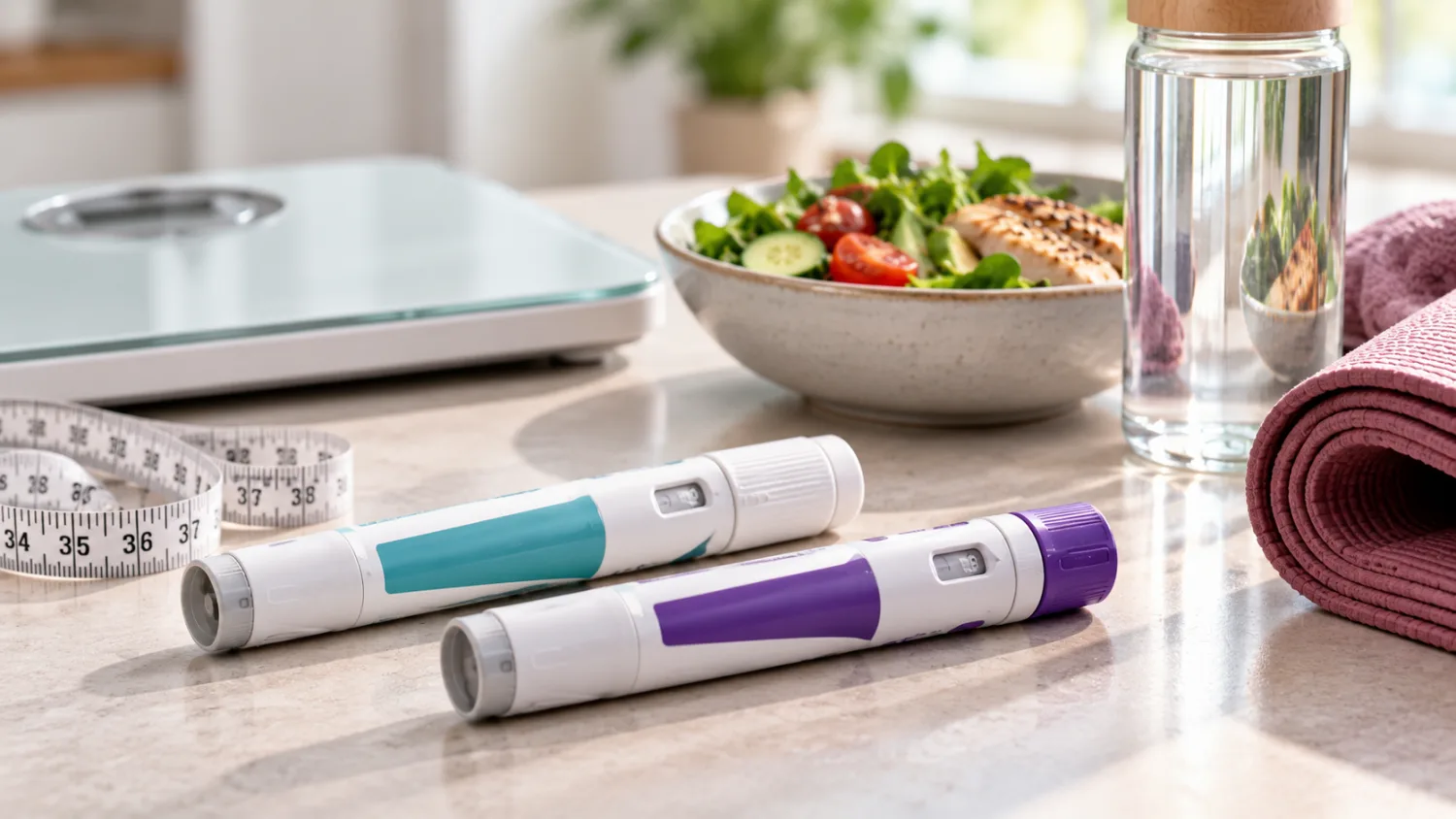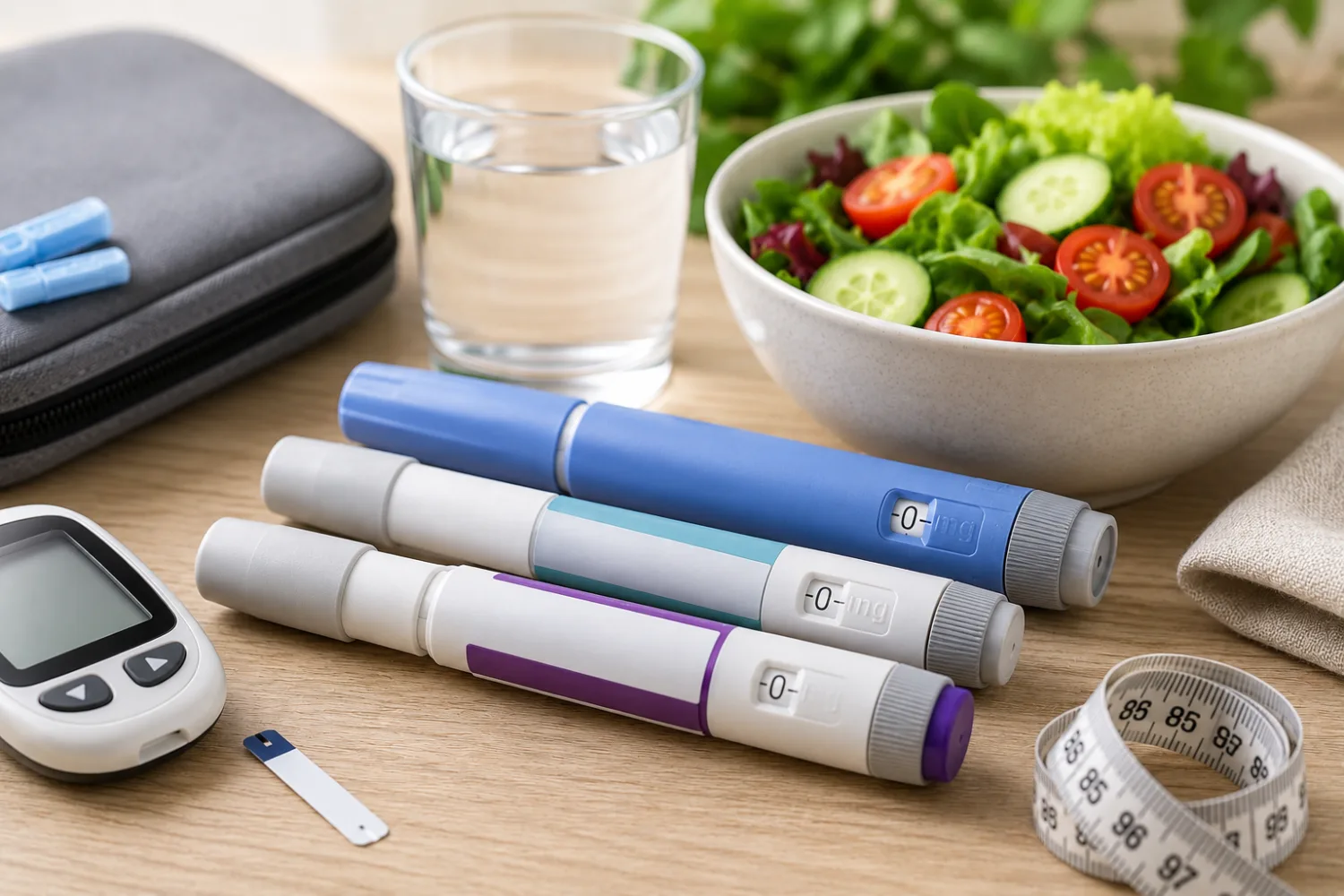
Weight loss injections are now one of the most talked-about treatments in healthcare. Names such as Ozempic, Wegovy and Mounjaro appear in news stories, social media posts, online pharmacies and private weight loss adverts. But they are not all the same, and they are not only “slimming jabs”. Some of these medicines were developed for type 2 diabetes. Others are licensed for weight management. Some are used in both areas under different brand names, doses or prescribing rules.
The link between weight loss injections and diabetes is important because type 2 diabetes is closely connected with insulin resistance and excess weight for many people. Losing weight can improve blood sugar control, lower HbA1c and sometimes help type 2 diabetes go into remission. Medicines that reduce appetite and support weight loss may therefore help some people with type 2 diabetes, but they are not suitable for everyone.
This guide explains how weight loss injections work, how they relate to type 2 diabetes, the difference between Ozempic, Wegovy and Mounjaro, how NHS and private access works in the UK, possible side effects, and when to speak to a GP, pharmacist or diabetes specialist.
For a deeper look at remission, read Can Type 2 Diabetes Be Reversed Through Weight Loss?. For a wider overview, see Diabetes Explained: Symptoms, Types, Tests and Treatment in the UK.
Why diabetes and weight loss are connected
Type 2 diabetes often develops when the body becomes resistant to insulin. Insulin is the hormone that helps glucose move from the blood into cells. When insulin resistance develops, the pancreas has to produce more insulin to keep blood glucose under control. Over time, it may struggle to keep up, and blood sugar rises.
For many people with type 2 diabetes, excess weight, especially around the abdomen, contributes to insulin resistance. Fat stored around the liver and pancreas can affect how the body handles glucose and how well insulin-producing cells work. This is one reason why weight loss can improve blood sugar control.
Weight loss can help by:
- improving insulin sensitivity
- reducing glucose released by the liver
- lowering HbA1c
- reducing blood pressure
- improving cholesterol and triglycerides
- reducing fatty liver risk
- improving sleep apnoea and mobility in some people
Some people with type 2 diabetes can achieve remission after significant weight loss. Remission usually means HbA1c is below the diabetes range without glucose-lowering medication for a sustained period. It is not the same as a permanent cure, because diabetes can return if blood sugar rises again.
For related guidance, see How Weight Loss Really Works, Diabetes and Diet: What to Eat and What to Avoid and Understanding Your Diabetes Blood Test Results from Your GP.
What are weight loss injections?
Most modern weight loss injections work by mimicking gut hormones involved in appetite, fullness and blood sugar regulation. The best-known group is called GLP-1 receptor agonists. Tirzepatide, sold as Mounjaro, works on both GLP-1 and GIP pathways, so it is sometimes described as a dual GIP/GLP-1 receptor agonist.
These medicines can:
- reduce appetite
- help people feel fuller for longer
- reduce food cravings for some people
- slow stomach emptying
- improve blood sugar control in type 2 diabetes
- support weight loss when combined with diet and lifestyle changes
They are usually injected once a week, although specific dosing depends on the medicine. Some are also available or being developed in tablet form, but the best-known current weight loss treatments are injections.
These medicines are not simply cosmetic weight loss products. The MHRA says GLP-1 medicines are licensed to treat specific medical disorders and should only be used if someone is overweight or diabetic, not for aesthetic or cosmetic weight loss.
Ozempic, Wegovy and Mounjaro: what is the difference?
The names are confusing because the same active ingredient can sometimes be used in different brands for different purposes.
Ozempic
Ozempic contains semaglutide. It is used for type 2 diabetes. It helps improve blood glucose control and may also lead to weight loss in some people. However, Ozempic is not the same as Wegovy, and it should not be treated as a general weight loss product.
Wegovy
Wegovy also contains semaglutide, but it is licensed for weight management at specific doses and under specific rules. NHS England says Wegovy is taken once weekly and can only be prescribed through specialist weight management services on the NHS.
Mounjaro
Mounjaro contains tirzepatide. It is used for type 2 diabetes and is also being rolled out as a weight management medicine in the NHS pathway for eligible people. Tirzepatide works on both GIP and GLP-1 receptors, which is different from semaglutide.
In simple terms:
- Ozempic: semaglutide, used for type 2 diabetes
- Wegovy: semaglutide, used for weight management
- Mounjaro: tirzepatide, used for type 2 diabetes and weight management under specific criteria
The right medicine depends on your diagnosis, BMI, HbA1c, other health conditions, medication history, side effects, NHS eligibility and whether the goal is diabetes control, weight management, or both.
If you want more detail on these medicines, read GLP-1: What It Actually Does, Ozempic for Weight Loss in the UK, Mounjaro vs Wegovy and How to Get Mounjaro on the NHS.
How these injections help type 2 diabetes
GLP-1 and GIP/GLP-1 medicines can help type 2 diabetes in two main ways: improving blood sugar control and supporting weight loss.
They can help the body release insulin when glucose is high, reduce glucagon, slow stomach emptying and reduce appetite. In practical terms, this may mean lower HbA1c, fewer glucose spikes after meals, reduced hunger and weight loss.
For some people with type 2 diabetes, these medicines may be added when metformin and lifestyle changes are not enough, or when weight loss is an important treatment goal. They may also be considered where cardiovascular, kidney or weight-related risks influence treatment choices.
However, they are not a replacement for diabetes care. People using them still need:
- HbA1c monitoring
- kidney function checks
- blood pressure review
- cholesterol assessment
- diet and activity support
- foot checks and eye screening where appropriate
- medication review if blood sugar changes quickly
If you take insulin or sulfonylureas, starting a GLP-1 or tirzepatide medicine may increase the chance of low blood sugar unless other medication is adjusted. This is why diabetes medicines should be reviewed by a clinician.
For medicine background, read Metformin Explained.
Can weight loss injections reverse type 2 diabetes?
Weight loss injections may help some people achieve type 2 diabetes remission, especially if they lead to significant sustained weight loss. But they do not “cure” diabetes by themselves.
Remission usually means blood glucose has returned below the diabetes range without glucose-lowering medication for a sustained period. If someone is still taking a diabetes medicine that lowers glucose, it may be more accurate to say their diabetes is well controlled rather than in remission.
These medicines can support weight loss, but long-term results depend on what happens after weight is lost. If appetite returns, treatment stops, weight is regained or old eating patterns return, blood sugar can rise again.
Weight loss injections work best as part of a wider plan that includes:
- food changes that can be maintained
- regular physical activity
- strength exercises to preserve muscle
- sleep and stress support
- medical monitoring
- long-term weight maintenance planning
They may be a powerful tool, but they are not a standalone solution. The aim should be better metabolic health, not just a lower number on the scales.
Who may be suitable for weight loss injections?
Suitability depends on the medicine, licence, NHS criteria, BMI, weight-related conditions, diabetes status and personal medical history.
Weight loss injections may be considered for people who:
- are living with obesity, or overweight with weight-related health conditions
- have type 2 diabetes where weight loss and glucose control are both important
- have tried diet and lifestyle changes without enough benefit
- meet NHS or private prescribing criteria
- can attend monitoring and follow-up
- understand side effects and limitations
They may not be suitable for people with certain medical histories, including some pancreatic, gallbladder, stomach, endocrine or eating disorder concerns. Pregnancy, breastfeeding or plans for pregnancy also need careful discussion because these medicines are generally not used during pregnancy.
Suitability is not only about BMI. A safe prescriber should ask about your health history, medicines, diabetes status, symptoms, mental health, eating behaviour, pregnancy risk, kidney function and previous side effects.
Be cautious with online services that only ask a few questions and do not arrange proper follow-up. These are prescription medicines, not wellness supplements.
NHS access in the UK
NHS access depends on which medicine is being prescribed and whether the goal is diabetes treatment or weight management.
For type 2 diabetes, GLP-1 or GIP/GLP-1 medicines may be prescribed under diabetes treatment guidance when clinically appropriate. This is separate from using them purely for weight management.
For weight management, NHS access is more restricted. NICE recommends semaglutide, sold as Wegovy, for weight management only under specific criteria, alongside a reduced-calorie diet and increased physical activity, and within a specialist weight management service.
Tirzepatide, sold as Mounjaro, has also been recommended by NICE for managing overweight and obesity in adults under specific criteria. NHS England says introducing Mounjaro into the weight management pathway requires new services and training, and that NICE agreed a phased introduction. NHS England states that 220,000 patients will be prioritised over the first three years of a 12-year rollout, based on clinical need.
This means not everyone who meets broad weight-loss interest will be able to get these medicines quickly on the NHS. Access can depend on local pathways, eligibility, specialist services, clinical priority and capacity.
For general weight treatment access, read Can You Get Weight Loss Treatment on the NHS?.
Private prescriptions and online clinics
Many people access weight loss injections privately because NHS access is limited or slow. Private clinics and online pharmacies may prescribe medicines such as Wegovy or Mounjaro if someone meets criteria and it is clinically appropriate.
Private access can be faster, but it also puts more responsibility on the patient to choose a safe provider. A responsible private service should:
- check your BMI and weight-related conditions
- ask about diabetes, pregnancy, medical history and medicines
- explain side effects and warning signs
- check for contraindications
- provide clear dosing instructions
- offer follow-up and monitoring
- tell you when to contact your GP or emergency services
- encourage sharing relevant information with your NHS GP
Be wary of websites selling injections without proper assessment, unusually cheap products, social media sellers, “research use only” products or medicines offered without a prescription. Counterfeit or incorrectly stored medicines can be dangerous.
If you have diabetes, it is especially important that private treatment is communicated to your NHS GP or diabetes team. Starting a weight loss injection may affect blood glucose and medication needs.
Useful related guides include Are Online Weight Loss Jabs Safe?, Private GP Services in the UK: Costs and NHS vs Private Healthcare.
Side effects and safety warnings
The most common side effects of GLP-1 and GIP/GLP-1 medicines affect digestion. They are often worse when starting treatment or after dose increases.
Common side effects can include:
- nausea
- vomiting
- diarrhoea
- constipation
- stomach pain
- reflux or indigestion
- reduced appetite
- feeling full quickly
- fatigue or dizziness
More serious but less common concerns include dehydration, gallbladder problems, pancreatitis, worsening reflux, severe constipation, and low blood sugar if combined with certain diabetes medicines.
In January 2026, the MHRA strengthened warnings about acute pancreatitis, including rare necrotising and fatal cases, for GLP-1 receptor agonists and dual GLP-1/GIP receptor agonists. It advises stopping treatment immediately if pancreatitis is suspected and not restarting if pancreatitis is confirmed.
Seek urgent medical advice if you develop:
- severe or persistent stomach pain
- stomach pain spreading to the back
- persistent vomiting
- signs of dehydration
- yellowing of the skin or eyes
- severe constipation or inability to keep fluids down
- symptoms of low blood sugar if you use insulin or sulfonylureas
Do not ignore severe symptoms because you assume they are “normal side effects”. Mild nausea can be common; severe ongoing pain or vomiting is different.
What happens if you stop?
Stopping weight loss injections can lead to increased appetite and weight regain for some people. This is not simply a lack of willpower. These medicines affect appetite pathways, and when they are stopped, hunger signals may change again.
This is why long-term planning matters. Before starting, it is worth asking:
- How long might I be expected to use this medicine?
- What happens if I cannot afford it privately long term?
- What support is available for diet and behaviour change?
- How will my diabetes medication be reviewed?
- What is the plan if side effects are difficult?
- How will weight maintenance be supported?
If your blood sugar improves while using a weight loss injection, do not assume you can stop other diabetes medicines without review. Your HbA1c, glucose readings, kidney function, medication list and risk of hypos all matter.
For long-term maintenance, see How to Keep Weight Off After Losing It.
When to speak to a GP, pharmacist or diabetes team
You should speak to a healthcare professional before starting weight loss injections if you have diabetes, prediabetes, kidney disease, gallbladder problems, pancreatitis history, severe digestive symptoms, pregnancy plans or complex medication needs.
This is especially important if you take:
- insulin
- sulfonylureas such as gliclazide
- blood pressure medicines
- diuretics
- warfarin or medicines needing close monitoring
- other diabetes medicines that may need adjustment
Speak to your GP or diabetes nurse if your blood glucose falls much lower than usual, you have hypos, you cannot eat properly, you are vomiting, or your weight is dropping too quickly.
Also ask for advice if you are using a private prescription. Your NHS GP should know about medicines that may affect diabetes control, kidney function, dehydration risk and other prescriptions.
For testing and monitoring, read Diabetes Screening: Who Should Get Tested and When? and Private Health Check Cost in the UK.
Frequently asked questions
Are weight loss injections diabetes medicines?
Some are. Ozempic is used for type 2 diabetes. Wegovy is semaglutide licensed for weight management. Mounjaro is tirzepatide and is used for type 2 diabetes and weight management under specific criteria.
What is the difference between Ozempic and Wegovy?
Both contain semaglutide, but they are licensed and prescribed differently. Ozempic is used for type 2 diabetes, while Wegovy is used for weight management under specific criteria.
What is Mounjaro?
Mounjaro contains tirzepatide, a medicine that acts on GIP and GLP-1 pathways. It can be used for type 2 diabetes and, under specific criteria, for weight management.
Can weight loss injections reverse type 2 diabetes?
They may help some people achieve remission if they lead to significant sustained weight loss and blood sugar falls below the diabetes range without glucose-lowering medication. They do not permanently cure diabetes.
Can I take weight loss injections if I have type 1 diabetes?
People with type 1 diabetes should not use these medicines unless advised and monitored by a specialist. Type 1 diabetes requires insulin, and weight loss medicines do not replace insulin.
Can I take Mounjaro or Wegovy with metformin?
Some people may take these medicines with metformin, but this should be decided by a clinician. Medication choice depends on HbA1c, weight, kidney function, side effects and other health risks.
Do weight loss injections cause low blood sugar?
They do not usually cause low blood sugar on their own, but the risk can increase if they are used with insulin or sulfonylureas. Diabetes medication may need adjustment.
What are the common side effects?
Common side effects include nausea, vomiting, diarrhoea, constipation, stomach pain, reflux, reduced appetite and feeling full quickly. Side effects are often worse during dose increases.
What side effects are urgent?
Severe or persistent stomach pain, pain spreading to the back, persistent vomiting, dehydration, yellowing of the skin or eyes, or symptoms of pancreatitis need urgent medical advice.
Can I get weight loss injections on the NHS?
Some people can, but access is restricted. Wegovy is usually through specialist weight management services, while Mounjaro for weight management is being phased into NHS pathways for eligible people with greatest clinical need.
Are private online weight loss injections safe?
They can be safe if prescribed by a regulated provider after proper assessment and follow-up. Avoid sellers offering prescription injections without medical checks, social media sellers or unusually cheap products.
Will I regain weight if I stop injections?
Some people regain weight after stopping because appetite may return. Long-term diet, activity, behaviour support and follow-up are important before and after treatment.