Diabetes screening means checking whether your blood sugar is higher than it should be, even if you do not feel obviously unwell. This matters because type 2 diabetes and prediabetes can develop slowly. Some people have symptoms such as thirst, tiredness or peeing more often, but many people have no clear symptoms at all.
Screening can help find raised blood sugar earlier, when lifestyle changes, monitoring and treatment can make the biggest difference. It can also show whether someone is in the prediabetes range, sometimes called non-diabetic hyperglycaemia, where the risk of type 2 diabetes is higher but progression is not inevitable.
This guide explains who should consider diabetes screening in the UK, what tests are used, how often testing may be needed, what happens after an abnormal result, and when symptoms should be checked urgently.
For a wider guide to diabetes blood results, see Understanding Your Diabetes Blood Test Results from Your GP. If you want the bigger picture, read Diabetes Explained: Symptoms, Types, Tests and Treatment in the UK.
What diabetes screening means
Diabetes screening is not the same as treating diabetes. It is a way of finding out whether your blood glucose is in a healthy range, in the prediabetes range, or in the diabetes range.
Screening is most often used to look for type 2 diabetes or prediabetes. Type 2 diabetes can be silent for a long time, so people may not know they have it until a blood test is done. Screening is also used during pregnancy to check for gestational diabetes in people with risk factors.
Type 1 diabetes is different. It is an autoimmune condition and often develops more quickly. It is not usually found through routine risk-based screening in the same way as type 2 diabetes. If type 1 diabetes is suspected because symptoms are sudden, severe or associated with weight loss or ketones, this needs prompt medical assessment rather than routine screening.
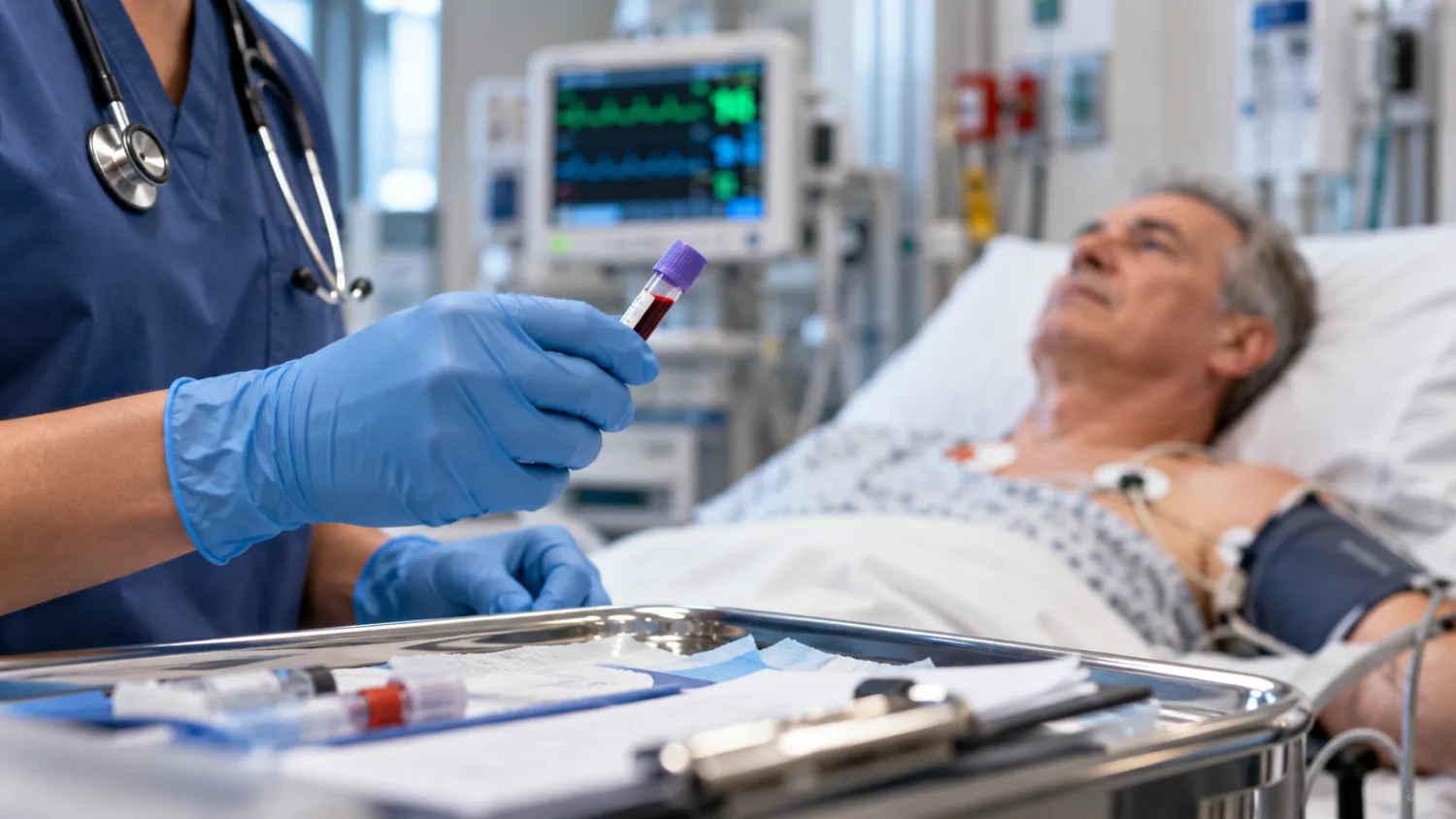
Screening usually involves a blood test such as HbA1c or fasting blood glucose. In pregnancy, an oral glucose tolerance test is commonly used when screening is recommended.
Who should consider diabetes screening?
You should consider diabetes screening if you have symptoms of diabetes, risk factors for type 2 diabetes, a history of prediabetes, previous gestational diabetes, or other conditions linked with insulin resistance.
Common symptoms that should prompt testing include:
- peeing more often than usual, especially at night
- feeling very thirsty
- feeling unusually tired
- blurred vision
- unexplained weight loss
- recurrent thrush or genital itching
- slow-healing cuts or wounds
- recurrent urine, skin or gum infections
- numbness, tingling or burning in the feet or hands
If you have these symptoms, testing should not be delayed just because you are young, not overweight or generally healthy. Diabetes can affect different people in different ways. Sudden symptoms, especially with weight loss, may suggest type 1 diabetes and need faster assessment.
You may also be offered or advised to have screening if you are at higher risk of type 2 diabetes because of your age, family history, ethnicity, weight, waist size or other health conditions. Diabetes UK says type 2 diabetes risk increases with age, and risk is higher from age 40 in white adults and from age 25 in people from African-Caribbean, Black African, Chinese or South Asian backgrounds. Having a parent, brother, sister or child with diabetes can also increase risk. Diabetes UK explains type 2 diabetes risk factors here.
Risk factors that make testing more important
Screening is more important if you have several risk factors together. Type 2 diabetes is not caused by one thing alone. It usually develops because of a combination of insulin resistance, genetics, age, body weight, activity levels and wider metabolic health.
You may be at higher risk if you:
- are over 40, or over 25 if you are from a higher-risk ethnic background
- have a parent, brother, sister or child with type 2 diabetes
- are living with overweight or obesity
- carry more weight around your waist
- have high blood pressure
- have high cholesterol
- have had prediabetes or a previous raised HbA1c result
- have had gestational diabetes during pregnancy
- have polycystic ovary syndrome, especially with weight gain or insulin resistance
- have fatty liver disease
- have obstructive sleep apnoea
- are physically inactive
- smoke or have other cardiovascular risk factors
Diabetes risk often overlaps with heart and circulation risk. If you have high blood pressure, raised cholesterol, abdominal weight gain or fatty liver disease, checking blood sugar is often part of a sensible wider health review.
Useful related guides include High Blood Pressure: Symptoms, Causes and Treatment, High Cholesterol: Causes and Treatment, Cardiovascular Risk Explained, PCOS and Weight Gain and Sleep, Snoring, Sleep Apnoea and Weight.
What tests are used to screen for diabetes?
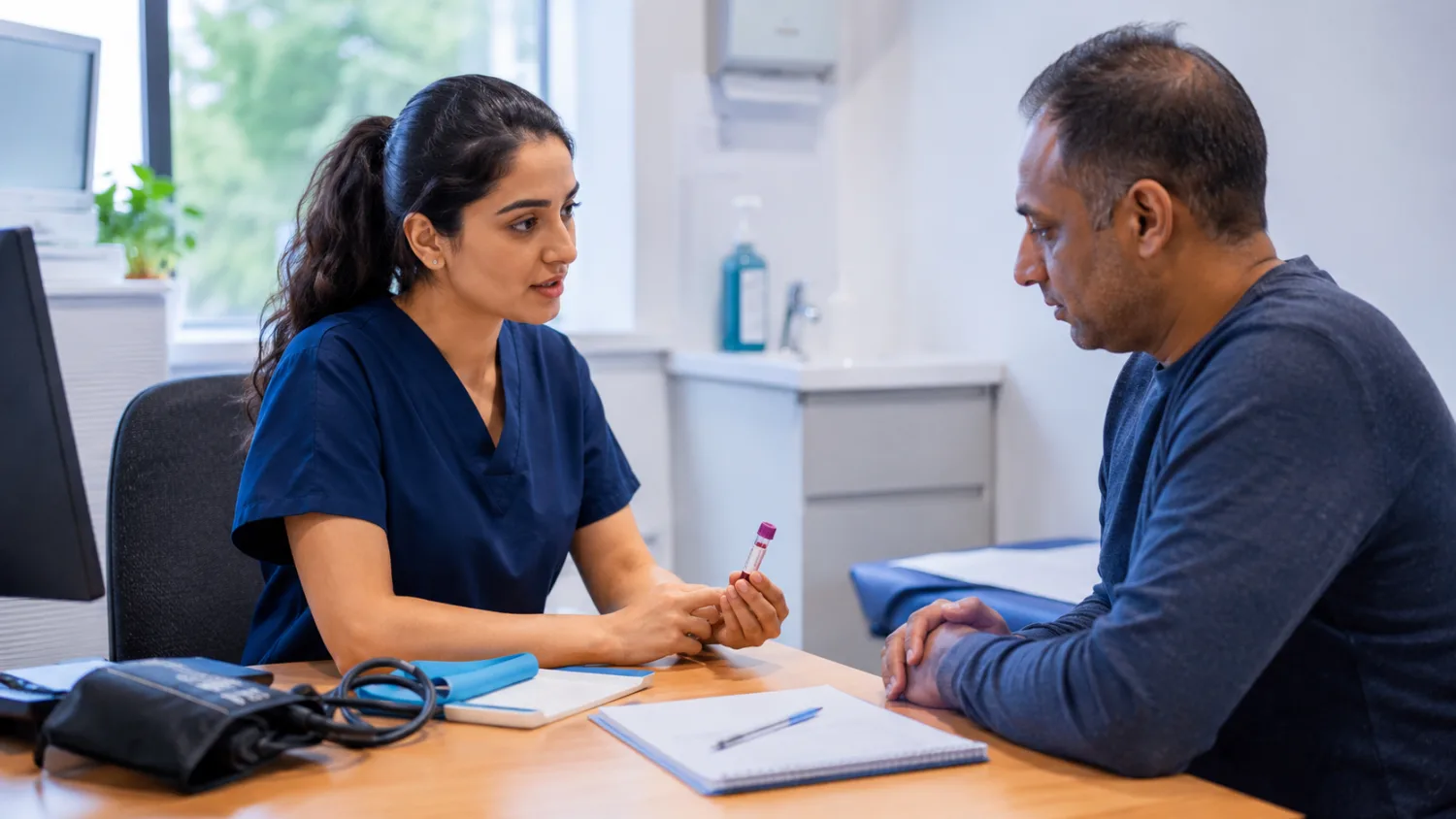
The main tests used to screen for diabetes or prediabetes are HbA1c and glucose tests. Your GP or clinician will choose the most appropriate test depending on your symptoms, pregnancy status, medical history and whether type 1 diabetes is a concern.
HbA1c
HbA1c is a blood test that reflects your average blood glucose over roughly the previous two to three months. It is commonly used to screen for and diagnose type 2 diabetes and prediabetes.
In the UK, HbA1c is usually reported in mmol/mol. Common ranges are:
- Below 42 mmol/mol: usually below the prediabetes range
- 42 to 47 mmol/mol: commonly described as prediabetes or non-diabetic hyperglycaemia
- 48 mmol/mol or above: commonly in the diabetes range, although diagnosis may need confirmation and clinical interpretation
NICE guidance on type 2 diabetes prevention describes HbA1c of 42 to 47 mmol/mol, or fasting plasma glucose of 5.5 to 6.9 mmol/L, as indicating high risk. NICE also advises that people with a high risk score should be offered a venous blood test such as HbA1c or fasting plasma glucose. You can read NICE guidance on type 2 diabetes prevention here.
Fasting blood glucose
Fasting blood glucose measures your blood sugar after you have not eaten for a set period, usually overnight. It shows how your body manages glucose when food is not recently affecting the result.
Random blood glucose
Random blood glucose can be taken at any time. It may be useful if you have symptoms of diabetes and blood sugar is clearly high.
Oral glucose tolerance test
An oral glucose tolerance test, or OGTT, checks how your body handles glucose after a glucose drink. It is commonly used in pregnancy when screening for gestational diabetes is recommended.
For more detail on results, read HbA1c and Blood Sugar Results Explained and How to Understand Blood Test Results.
When HbA1c may not be the right test
HbA1c is useful, but it is not suitable for every situation. Sometimes another test is needed because HbA1c may be misleading or because diabetes could be developing too quickly for HbA1c to show the full picture.
HbA1c may not be the best test in:
- children and young people where diabetes is suspected
- pregnancy or suspected gestational diabetes
- suspected type 1 diabetes
- recent symptoms that have developed quickly
- anaemia or recent significant blood loss
- some haemoglobin conditions
- some kidney conditions
- recent blood transfusion
- some situations where red blood cell turnover is abnormal
If symptoms are sudden or severe, clinicians may use blood glucose and ketone testing rather than relying only on HbA1c. NICE CKS notes that HbA1c should not be used to diagnose diabetes in children and young people under 18, and there are other situations where it should not be used alone. NICE CKS explains diagnosis considerations here.
This is why private blood test results should be interpreted carefully. An HbA1c result may look reassuring even when symptoms need further assessment, or it may look abnormal for reasons that need context.
Diabetes screening through the NHS Health Check
In England, the NHS Health Check is offered to eligible adults aged 40 to 74 who do not already have certain conditions. It is designed to assess risk of heart disease, stroke, kidney disease, type 2 diabetes and dementia.
The check may include questions about your health and family history, measurements such as blood pressure and BMI, and blood tests depending on your risk. If your risk of type 2 diabetes is raised, you may be offered further testing such as HbA1c or fasting glucose.
An NHS Health Check is not the only route to diabetes testing. If you have symptoms of diabetes or significant risk factors, you can speak to your GP even if you are not due a health check or are outside the usual age range.
If you are considering paying for a private health check, make sure you understand what is included and how abnormal results will be followed up. A test result is only useful if someone can interpret it properly and help you decide what to do next.
Useful related guides include Private Health Check Cost in the UK, Private GP Services in the UK: Costs and What to Do After Abnormal Private Blood Test Results.
Screening in pregnancy: gestational diabetes
Gestational diabetes is diabetes that develops during pregnancy. It usually improves after the baby is born, but it needs careful management because it can affect pregnancy, birth and the baby’s health. It also increases the mother’s future risk of type 2 diabetes.
You may be offered screening for gestational diabetes if you have risk factors such as:
- previous gestational diabetes
- a BMI of 30 or above
- a previous baby weighing 4.5kg or more at birth
- a parent or sibling with diabetes
- South Asian, Black, African-Caribbean or Middle Eastern family background
The main screening test is usually an oral glucose tolerance test. NHS guidance says the OGTT is usually done between 24 and 28 weeks of pregnancy. If you have had gestational diabetes before, you may be offered an OGTT earlier in pregnancy and again at 24 to 28 weeks if the first test is normal. NHS guidance on gestational diabetes explains this in more detail.
If you are pregnant and have thirst, frequent urination, tiredness or other symptoms, speak to your midwife or GP. Some symptoms overlap with normal pregnancy, but risk factors and test results help decide whether screening is needed.
How often should you be tested?
How often you should be tested depends on your risk, symptoms and previous results.
If your blood sugar is normal and you have no major risk factors, you may only need testing as part of routine health checks or if symptoms develop.
If you are at higher risk of type 2 diabetes, your GP may recommend repeat testing. NICE advises that people at high risk should usually be offered a blood test at least once a year, preferably using the same type of test. This helps track whether blood glucose is improving, stable or moving towards diabetes.
If you have prediabetes, repeat HbA1c testing is often used to monitor progress. Lifestyle changes can improve blood sugar over months, so repeat testing usually looks at longer-term trends rather than daily fluctuations.
If you already have diabetes, HbA1c is usually checked more often. Many people with type 2 diabetes have HbA1c checked every three to six months until stable, then around every six months once treatment and results are stable, although this can vary.
If you have symptoms of diabetes, do not wait for an annual review. Arrange testing sooner.
For more on prediabetes follow-up, read What Is Prediabetes and Can It Be Reversed?.
What happens if your screening result is abnormal?
An abnormal screening result does not always mean you definitely have diabetes, but it should be followed up. Your GP may repeat the test, arrange a different test, check symptoms, review risk factors and look at other results such as cholesterol, kidney function and blood pressure.
If your HbA1c is in the prediabetes range, you may be advised to make lifestyle changes, lose weight if appropriate, increase activity and attend a diabetes prevention programme. You may also have repeat testing to monitor whether your result improves.
If your HbA1c is in the diabetes range, your GP will usually confirm the diagnosis and discuss next steps. This may include lifestyle advice, medication, blood pressure and cholesterol management, kidney checks, urine ACR testing, eye screening and foot checks.
If symptoms are sudden or type 1 diabetes is possible, the response may be more urgent. Blood glucose and ketones may be checked, and same-day assessment may be needed.
Do not ignore abnormal private test results. Share them with your NHS GP, especially if HbA1c, fasting glucose, kidney function, cholesterol or urine results are abnormal. Private screening can be helpful, but diabetes care needs proper follow-up.
When to seek urgent help instead of routine screening
Screening is for people who are well enough to wait for routine testing. It is not suitable when symptoms suggest possible emergency diabetes complications.
Seek urgent medical advice if you or someone else has diabetes symptoms with:
- vomiting or severe nausea
- stomach pain
- deep, fast or unusual breathing
- confusion, drowsiness or difficulty staying awake
- severe dehydration
- fruity-smelling breath
- rapid unexplained weight loss
- high blood glucose with ketones, if testing is available
These symptoms can suggest diabetic ketoacidosis, also known as DKA. DKA is more common in type 1 diabetes and needs urgent medical assessment. If symptoms are severe, call 999 or go to A&E.
Children and young people with sudden thirst, frequent urination, bedwetting after previously being dry, weight loss or severe tiredness should be assessed promptly. Do not wait for routine screening.
For symptom guidance, read What Are the Early Signs of Type 2 Diabetes? and Type 1 vs Type 2 Diabetes: What’s the Difference?.
Frequently asked questions
Who should be screened for diabetes?
People with diabetes symptoms or risk factors should consider testing. Risk factors include family history, higher waist size, overweight or obesity, high blood pressure, high cholesterol, previous gestational diabetes, PCOS, certain ethnic backgrounds and previous prediabetes.
What symptoms mean I should get tested for diabetes?
Symptoms include peeing more often, feeling very thirsty, unusual tiredness, blurred vision, unexplained weight loss, recurrent thrush, slow-healing wounds and repeated infections. Sudden or severe symptoms need prompt medical advice.
What is the main screening test for type 2 diabetes?
HbA1c is commonly used because it shows average blood glucose over the previous two to three months. Fasting blood glucose may also be used.
What HbA1c result means prediabetes?
In the UK, an HbA1c of 42 to 47 mmol/mol is commonly described as prediabetes or non-diabetic hyperglycaemia.
What HbA1c result means diabetes?
An HbA1c of 48 mmol/mol or above is commonly in the diabetes range. Diagnosis should be confirmed and interpreted by a clinician, especially if you have no symptoms or if HbA1c may be unreliable.
Can I get diabetes screening through the NHS?
Yes. Your GP can arrange testing if you have symptoms or risk factors. Eligible adults in England may also be offered an NHS Health Check, which can assess risk of type 2 diabetes and other long-term conditions.
How often should I be tested if I have prediabetes?
Many people with prediabetes or high risk are advised to have repeat blood testing at least once a year, though your GP may recommend sooner testing depending on your result and symptoms.
Should I use a private diabetes test?
Private testing can be useful if you want faster results or a broader health check, but abnormal results need proper follow-up. Share results with your NHS GP so they can be interpreted in context.
Do children need diabetes screening?
Children are not usually screened in the same way as adults for type 2 diabetes risk unless there are specific concerns. However, symptoms such as sudden thirst, frequent urination, weight loss, bedwetting or severe tiredness should be assessed promptly because type 1 diabetes can develop quickly.
Is gestational diabetes screening offered to everyone?
Screening is usually offered to pregnant women with risk factors such as previous gestational diabetes, BMI of 30 or above, a previous large baby, a close family history of diabetes or certain ethnic backgrounds. The main test is usually an oral glucose tolerance test.
Can diabetes screening be normal even if I have symptoms?
Sometimes a test may not explain symptoms, or a particular test may not be suitable. If symptoms continue, ask your GP whether repeat testing or a different test is needed.
When is diabetes testing urgent?
Testing is urgent if symptoms are severe or develop quickly, especially with vomiting, stomach pain, confusion, drowsiness, dehydration, deep breathing, fruity-smelling breath or rapid weight loss. These may suggest diabetic ketoacidosis and need urgent medical assessment.