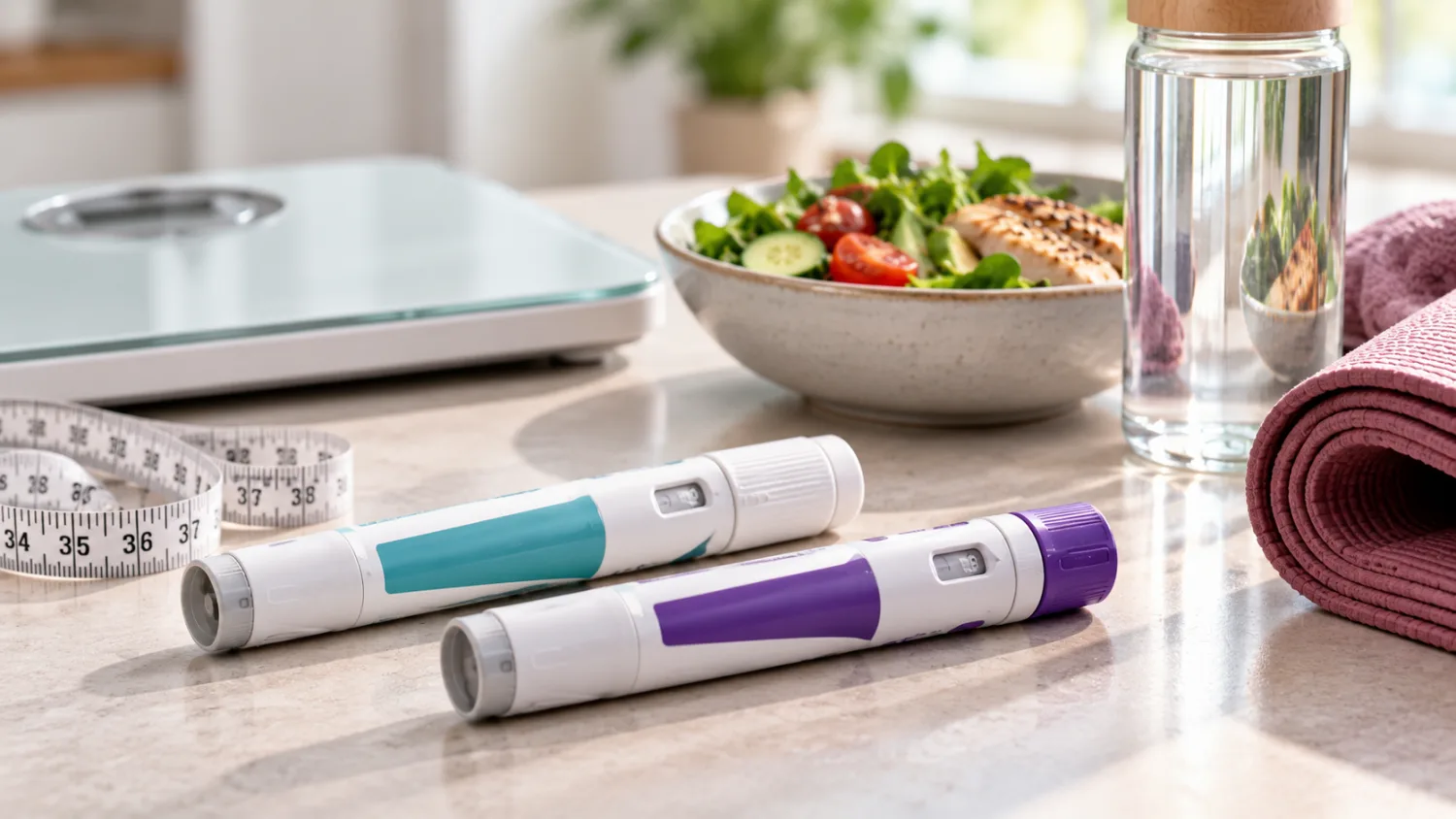
Weight loss injections have become one of the most talked-about medical weight loss options in the UK. For some people, they can be life-changing. For others, the monthly cost can be a shock, especially when treatment may need to continue for many months or longer.
The short answer is that private weight loss injections in the UK commonly cost from around £80 to more than £300 per month, depending on the medicine, dose, provider, consultation model and whether follow-up support is included. Mounjaro is usually more expensive than Wegovy at higher doses, while starter doses and promotional offers may look cheaper at first.
But the real cost is not only the pen. You may also need a consultation, prescription review, delivery, blood tests, lifestyle support, dose reviews and follow-up appointments. For some people, NHS access may be possible, but eligibility is limited and rollout is phased.
This guide explains what weight loss injections cost in the UK, what affects the price, how Mounjaro and Wegovy compare, what hidden costs to consider, and how to avoid unsafe or fake products.
Quick answer: how much do weight loss injections cost privately?
Private prices change often, but as a broad UK guide:
| Medicine | Typical private monthly cost | Notes |
|---|---|---|
| Mounjaro | About £140 to £340+ per month | Usually cheaper at lower starter doses and more expensive at higher doses. |
| Wegovy injection | About £80 to £300+ per month | Price varies by dose, provider and whether discounts are included. |
| Ozempic | Often £150 to £250+ per month privately, where available | Ozempic is licensed for type 2 diabetes, not specifically for weight loss. Wegovy contains the same active ingredient, semaglutide, but is licensed for weight management. |
| Saxenda | Often £150 to £250+ per month | An older daily injection. Less commonly discussed now because weekly options are widely used. |
The cheapest advertised price is not always the cheapest overall treatment. Some providers include online assessment, prescribing, follow-up and delivery. Others may charge separately or offer less support. For a safer overview of treatment options, see our guide to weight loss injections in the UK.
Why prices vary so much
Weight loss injection prices vary because you are usually paying for a package, not just the medicine. Two providers may advertise the same drug at different prices because the service behind it is different.
The main factors are:
- The medication: Mounjaro, Wegovy, Ozempic and Saxenda are not priced the same.
- The dose: Higher doses often cost more, especially with Mounjaro and Wegovy maintenance doses.
- The provider: Online pharmacies, high-street pharmacies, private GPs and specialist weight loss clinics may price differently.
- Consultation model: Some services are mainly online questionnaires. Others include clinician appointments, coaching or regular check-ins.
- Delivery: Cold-chain delivery may be included or charged separately.
- Monitoring: Some patients may need blood tests, blood pressure checks or GP follow-up.
- Discounts: Starter discounts can make the first month look cheaper than the true long-term cost.
This is why it helps to compare the monthly cost at your likely ongoing dose, not just the first pen. Weight loss treatment is rarely a one-month purchase. Many people use these medicines for several months, and some may use them longer under medical supervision.
Mounjaro cost in the UK
Mounjaro is the brand name for tirzepatide. It works on GLP-1 and GIP receptors, which are involved in appetite, fullness and blood sugar regulation. In the UK, it is used for type 2 diabetes and, when appropriate, for weight management.
Privately, Mounjaro is usually sold as a monthly supply. The price commonly increases as the dose increases.
| Mounjaro dose | Typical private monthly price range | How it is usually used |
|---|---|---|
| 2.5mg | About £140 to £200+ | Starting dose, usually used to help the body adjust. |
| 5mg | About £150 to £240+ | Early treatment dose after the starter period. |
| 7.5mg | About £170 to £260+ | Intermediate dose if increased by the prescriber. |
| 10mg | About £190 to £290+ | Higher dose used when clinically suitable. |
| 12.5mg | About £210 to £310+ | Higher intermediate dose. |
| 15mg | About £230 to £340+ | Highest commonly used Mounjaro dose. |
Some providers advertise lower prices than these ranges, especially during promotions. Others may charge more if they include more detailed clinical support. For example, large online doctor and pharmacy services list Mounjaro as a private prescription treatment, with prices varying by dose and provider. You can compare this with your own provider’s current price, but always check whether the consultation, prescription, delivery and follow-up are included.
If you are deciding between Mounjaro and Wegovy, read our comparison: Mounjaro vs Wegovy: which weight loss injection is better?
Wegovy cost in the UK
Wegovy is the brand name for semaglutide when licensed for weight management. It is taken as a weekly injection. It contains the same active ingredient as Ozempic, but Ozempic and Wegovy are not the same product and are licensed differently.
Wegovy prices can vary widely. Starter doses may be advertised from around £80 to £150 per month, while higher maintenance doses can cost £170 to £300 or more per month depending on the provider.
| Wegovy dose | Typical private monthly price range | How it is usually used |
|---|---|---|
| 0.25mg | About £80 to £170 | Starter dose. |
| 0.5mg | About £100 to £180 | Early dose escalation. |
| 1mg | About £110 to £190 | Intermediate dose. |
| 1.7mg | About £125 to £220 | Higher dose before maintenance. |
| 2.4mg | About £170 to £290+ | Common maintenance dose. |
The first month of Wegovy can look cheaper than Mounjaro, especially if a provider discounts the starter dose. However, a fair comparison should look at the dose you are likely to stay on long term, not just the starting price.
For more background on semaglutide, Ozempic and Wegovy, see our guide to Ozempic for weight loss in the UK.
Ozempic, Saxenda and newer weight loss tablets
Ozempic is often searched alongside weight loss injections, but it is important to understand the difference. Ozempic is licensed for type 2 diabetes. Some people may lose weight while using it, but Wegovy is the semaglutide product licensed for weight management.
This matters because a reputable UK prescriber should consider licensing, medical suitability, supply, diabetes status and safety. If your main goal is weight loss, a provider may discuss Wegovy, Mounjaro or another licensed option rather than Ozempic.
Saxenda, a daily injection containing liraglutide, is still relevant but has become less prominent as weekly GLP-1 medicines have become more widely used. It may still be suitable for some people, but many private weight loss services now focus more on weekly injections.
There is also growing interest in oral GLP-1 medicines. In 2026, a daily Wegovy tablet became available privately in the UK through some pharmacies, offering a non-injection option for some patients. However, this article focuses mainly on injections. Tablet availability, dose rules and NHS access may differ, so patients should check with a regulated provider and avoid buying from unverified sellers.
To understand how GLP-1 medicines work, read GLP-1: what it actually does.
Can you get weight loss injections on the NHS?
Some people can access weight loss injections through the NHS, but it is not as simple as asking your GP for Mounjaro or Wegovy. Eligibility depends on the medicine, BMI, weight-related health conditions, local services and national rollout rules.
The NHS says tirzepatide, sold as Mounjaro, has been recommended by NICE for eligible adults living with obesity who also have weight-related health problems. NHS England is using a phased rollout, meaning access is not available to everyone at once. You can read the NHS England overview here: NHS England: weight management injections.
NICE guidance on tirzepatide for managing overweight and obesity is available here: NICE TA1026: tirzepatide for managing overweight and obesity.
In practice, NHS access may involve referral to a specialist weight management service, local eligibility checks and waiting times. Some people may qualify eventually but not immediately. Others may not meet the criteria and may choose to explore private treatment instead.
For a fuller explanation, see Can you get weight loss treatment on the NHS? and How to get Mounjaro on the NHS.
The hidden costs people forget
When comparing prices, many people look only at the monthly pen cost. That is understandable, but it can be misleading. Safe weight loss treatment should include proper checks before treatment starts and monitoring while you are using it.
Possible extra costs include:
- Initial consultation: Some providers include this. Private GP or clinic appointments may cost extra.
- Follow-up reviews: Dose increases should be reviewed. Ongoing prescribing should not feel automatic.
- Blood tests: Some people may need checks such as HbA1c, kidney function, liver function, cholesterol or thyroid tests.
- Blood pressure checks: Useful if you have high blood pressure or cardiovascular risk.
- Dietitian support: Helpful if you struggle to eat enough protein, have side effects, diabetes, PCOS or a history of disordered eating.
- Delivery: Some providers include cold delivery; others charge extra.
- Sharps disposal: You may need a sharps bin or local disposal arrangement.
- New clothes or body composition support: Not medical costs, but common real-life expenses during major weight loss.
Blood tests are not needed for everyone in the same way, but they can be useful when weight gain, fatigue, diabetes risk, thyroid symptoms or medication safety need to be assessed. Your clinician may suggest checking HbA1c, kidney function, liver function or thyroid markers depending on your situation.
Useful related guides include HbA1c and blood sugar results explained, thyroid blood test results explained and private blood test costs in the UK.
Are cheaper weight loss injections safe?
A lower price does not automatically mean a provider is unsafe. Some regulated pharmacies can offer competitive pricing because they operate at scale. But very cheap offers, social media sellers and “no prescription needed” websites should be treated as serious warning signs.
In the UK, GLP-1 medicines such as semaglutide and tirzepatide are prescription-only medicines. A safe provider should ask medical questions, check your BMI and health history, consider contraindications, explain side effects, give clear dosage instructions and provide a route for follow-up.
The Medicines and Healthcare products Regulatory Agency has warned the public about fake and illegally sold weight loss medicines. The MHRA says products sold through unregulated websites or social media may be fake, contaminated, incorrectly dosed or unsafe. You can read the official warning here: MHRA warning on illegal online weight loss medicines.
A safe UK provider should usually be one of the following:
- a registered pharmacy;
- a regulated online doctor service;
- a private GP or medical clinic;
- a specialist weight management clinic;
- an NHS service, if you are eligible.
You can check pharmacy registration through the General Pharmaceutical Council register. If a clinic is offering medical services, you may also want to check whether it is regulated by the Care Quality Commission in England, or the relevant healthcare regulator in Scotland, Wales or Northern Ireland.
For more practical buying advice, see Are online weight loss jabs safe?
How to compare providers properly
The best provider is not always the cheapest, and the most expensive provider is not always the best. A good comparison should look at the total service, not just the headline monthly price.
Before paying, ask these questions:
- Is the provider properly registered? Check the pharmacy or clinic registration.
- Is a real medical assessment required? Be cautious if you can buy without health questions.
- Is the medicine licensed and supplied in original packaging? Avoid “compounded” or suspicious versions.
- Is the price for one month or something else? Some listings can be confusing.
- Does the price include consultation and prescribing? If not, ask what is extra.
- Does the price include delivery? Cold delivery may matter.
- What happens if you get side effects? You should know how to contact the provider.
- How are dose increases handled? Dose escalation should be clinically reviewed.
- Is there support for nutrition and weight maintenance? Medication alone is rarely the whole plan.
- What is the cancellation or refund policy? This matters if your medication is delayed, unsuitable or out of stock.
It is also worth asking what happens when you reach your target weight. A good weight management service should talk about long-term maintenance, not just monthly pens. Our guide to how to keep weight off after losing it explains why this stage matters.
How much might a full year cost?
A year of private weight loss injections can cost far more than people expect. If you pay £150 per month, that is £1,800 per year before any extra checks or consultations. If you pay £250 per month, that is £3,000 per year. At £300 per month, it is £3,600 per year.
A realistic private-treatment budget might look like this:
| Monthly treatment cost | Approximate annual cost |
|---|---|
| £100 per month | £1,200 per year |
| £150 per month | £1,800 per year |
| £200 per month | £2,400 per year |
| £250 per month | £3,000 per year |
| £300 per month | £3,600 per year |
This does not mean everyone needs a year of treatment. It also does not mean everyone should stop after a few months. The right duration depends on your health, response, side effects, goals and prescriber’s advice.
What matters is planning ahead. If you can only afford the first two or three months, ask your prescriber what the plan would be if you need to stop. Weight regain can happen when treatment stops, especially if appetite returns and habits have not been built around maintenance.
Is it worth paying privately?
For some people, private treatment may be worth considering. For others, it may be too expensive, unsuitable or unnecessary.
Private treatment may be more appealing if:
- you meet clinical criteria but cannot currently access NHS treatment;
- you have obesity-related health risks and want structured medical support;
- you have tried lifestyle changes alone and need additional help;
- you can afford ongoing treatment without financial strain;
- you are using a regulated provider with proper monitoring.
It may be less suitable if:
- you are buying mainly because of social media pressure;
- you have a history of eating disorders and have not discussed this with a clinician;
- you are pregnant, trying to conceive or breastfeeding;
- you cannot afford follow-up or safe ongoing supply;
- you are tempted by unregulated sellers because official providers feel expensive.
It is also important to remember that these medicines work best as part of a wider plan. Protein intake, fibre, sleep, activity, side-effect management and long-term habits all matter. If you are not losing weight as expected, the answer is not always “increase the dose”. Our guide Why am I not losing weight? explains other reasons weight loss can stall.
FAQ
How much is Mounjaro per month in the UK?
Private Mounjaro commonly costs from around £140 per month at lower doses to more than £300 per month at higher doses. Prices vary by provider, dose, delivery, consultation model and discounts.
How much is Wegovy per month in the UK?
Private Wegovy injections commonly cost from around £80 to £300 or more per month. Starter doses may be cheaper, while maintenance doses usually cost more.
Are weight loss injections cheaper on the NHS?
If you are eligible and can access treatment through the NHS, you would usually pay standard NHS prescription charges in England unless exempt. In Scotland, Wales and Northern Ireland, prescription charging rules differ. However, NHS access is limited and depends on eligibility, local services and phased rollout.
Can my GP prescribe Mounjaro or Wegovy for weight loss?
Some NHS access may involve specialist weight management services rather than a simple GP prescription. A GP can advise on local pathways, eligibility and referral options. Private GPs and regulated online providers may also prescribe when clinically appropriate.
Why does the first month look cheaper?
The first month is often a starter dose. Some providers also use introductory discounts. The long-term monthly cost may increase as the dose rises, so it is important to check the price for later doses before starting.
Is Ozempic cheaper than Wegovy?
Not necessarily. Prices vary, and Ozempic is licensed for type 2 diabetes rather than weight loss. If your main goal is weight management, a clinician may discuss medicines licensed for weight loss, such as Wegovy or Mounjaro, instead.
Do I need blood tests before weight loss injections?
Not everyone needs the same tests, but blood tests can be useful if you have diabetes risk, thyroid symptoms, kidney or liver concerns, fatigue, PCOS, cardiovascular risk or unexplained weight changes. Your prescriber should advise based on your medical history.
Can I buy weight loss injections without a prescription?
No. In the UK, GLP-1 weight loss medicines are prescription-only. Avoid websites, social media sellers or beauty clinics offering injections without a proper medical assessment and prescription.
Are cheap weight loss injections online safe?
Some regulated online pharmacies offer competitive prices, but very cheap offers can be risky. Check that the provider is properly registered, asks medical questions, supplies UK-regulated medicine and offers follow-up support.
How long do people stay on weight loss injections?
It varies. Some people use them for several months, while others may need longer-term treatment under medical supervision. Stopping can lead to appetite returning and possible weight regain, so it is important to plan maintenance early.
Does private health insurance cover weight loss injections?
Many private health insurance policies do not routinely cover obesity medication for weight loss, but cover can vary. Some policies may cover related conditions, diagnostics or specialist consultations. Check your policy wording or speak to your insurer before assuming treatment is covered.
What is the cheapest safe way to get weight loss injections?
The cheapest safe route is usually through a regulated provider that includes a proper assessment, prescription, UK-regulated medicine and follow-up support. NHS treatment may be cheaper if you qualify, but access is limited. Avoid unregulated sellers, even if they appear much cheaper.