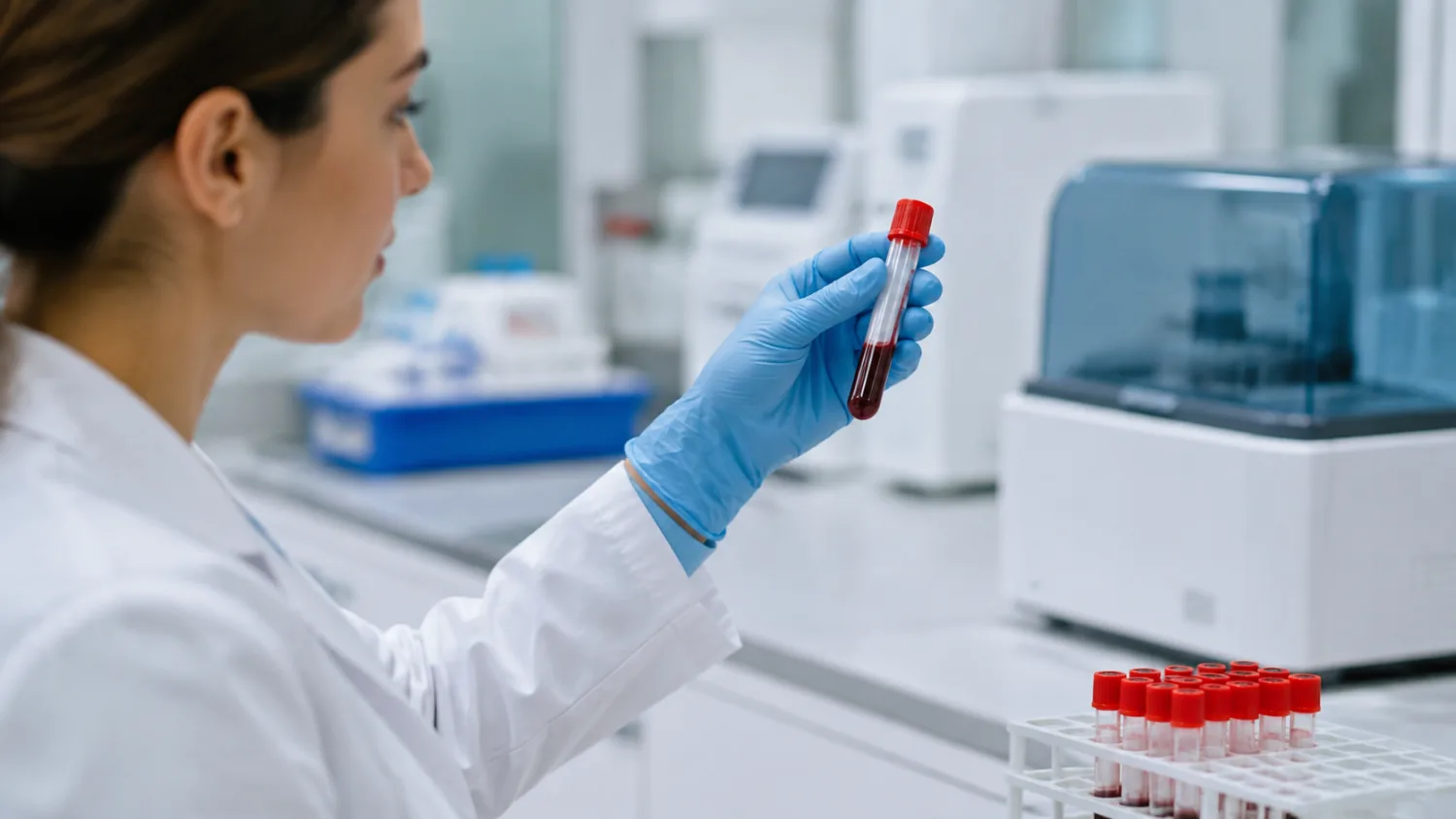
Whether you need to fast before a blood test depends entirely on what is being measured. Some tests are specifically designed to assess your blood after a period without food, while many common blood tests can be taken after eating normally.
This distinction matters because fasting unnecessarily can make the appointment uncomfortable and, for some people, potentially unsafe. On the other hand, eating before a test that genuinely requires fasting may affect the result and mean that the sample has to be repeated.
The safest rule is simple: do not fast unless your clinician, blood-test request form or private testing provider has instructed you to do so.
Tests such as a full blood count, HbA1c, thyroid function, ferritin, vitamin B12 and vitamin D usually do not require fasting. A fasting glucose test, an oral glucose tolerance test and certain specialised tests do. Cholesterol testing sometimes requires fasting, but most people having a routine cholesterol check are no longer asked to avoid food.
This guide explains which blood tests usually require fasting, how long to fast, whether you can drink coffee or take medicines, and what to do if you accidentally eat before your appointment.
Important: Always follow the preparation instructions supplied with your specific test. Requirements can differ according to the marker, laboratory method and reason for testing. Contact the clinic or provider before the appointment if the instructions are missing or unclear.
What does fasting before a blood test mean?
Fasting means consuming no food and usually no drinks other than plain water for a specified period before your blood sample is collected.
For many fasting tests, the required period is between eight and twelve hours. Some laboratories or specialist tests may give different instructions, so do not assume that the same fasting period applies to every test.
During a conventional fast, you would normally avoid:
- Food of any kind
- Tea and coffee, including black coffee
- Fruit juice
- Milk
- Fizzy drinks
- Energy drinks
- Flavoured or vitamin water
- Alcohol
- Sweets, mints and lozenges
- Chewing gum
Plain water is usually allowed and is often helpful because good hydration can make it easier to collect blood. However, follow your individual instructions if you have been told to limit fluids for another medical reason.
NHS guidance on preparing for blood tests explains that some tests require people not to eat or drink anything other than water for a period beforehand. The person arranging the test should tell you whether this applies.
Fasting does not mean avoiding food for as long as possible. Extending the fast well beyond the instructed period can also affect your metabolism and may make you feel faint, dehydrated or unwell.
Why does eating affect some blood-test results?
After you eat, nutrients are digested, absorbed and carried through the bloodstream. This can temporarily alter several measurements.
A meal may influence:
- Blood glucose
- Insulin
- Triglycerides
- Certain gut hormones
- Some metabolic measurements
- The appearance and quality of the sample
The size and composition of the meal matter. A large meal rich in fat or carbohydrate may have a greater effect than a small snack, but even seemingly minor foods or drinks can invalidate a test that was specifically requested in the fasting state.
Fasting creates a more standardised testing condition. This makes it easier to compare your result with diagnostic thresholds, laboratory ranges or previous fasting measurements.
However, standardisation is not necessary for every marker. Many blood components are sufficiently stable after ordinary food intake, or the test is designed to reflect a longer period rather than what you ate that morning.
For example, HbA1c reflects average blood glucose over approximately the previous two to three months. Eating breakfast immediately before the sample does not meaningfully change that longer-term measurement.
This is why fasting for every blood test is unnecessary and can sometimes make preparation more complicated than it needs to be.
Which blood tests usually require fasting?
Only particular tests routinely require a period without food. Even within these categories, the exact instructions may vary.
Fasting blood glucose
A fasting plasma glucose test measures the amount of glucose in your blood after you have not eaten for a specified period, commonly at least eight hours.
It may be used to help assess:
- Possible diabetes
- Prediabetes
- Impaired fasting glucose
- Episodes of suspected low blood sugar
- Other metabolic or endocrine problems
This test is specifically defined by the fasting state. Eating beforehand means that the result can no longer be interpreted as a fasting glucose.
A fasting glucose test is different from HbA1c and a random glucose test. Our guide to HbA1c and blood sugar results explains how the measurements differ.
Oral glucose tolerance test
An oral glucose tolerance test, or OGTT, examines how your body handles a measured glucose drink.
The test usually involves:
- Fasting overnight
- Having an initial blood sample collected
- Drinking a glucose solution
- Waiting for a specified period
- Having one or more further samples collected
The NHS commonly uses glucose tolerance testing during pregnancy to investigate gestational diabetes. It may also be used in other situations where glucose regulation needs more detailed assessment.
Preparation is particularly important. Eating, drinking something other than water, smoking, exercising during the waiting period or failing to finish the glucose drink may make the result unreliable.
Follow the exact instructions supplied by the hospital or clinic rather than general internet advice.
Some lipid and triglyceride tests
A lipid profile measures fats in the blood, commonly including:
- Total cholesterol
- HDL cholesterol
- Non-HDL cholesterol
- LDL cholesterol
- Triglycerides
Most people do not need to fast for a routine cholesterol test. The NHS states that although some people may be asked not to eat for up to twelve hours, most routine cholesterol testing can be performed without fasting.
Fasting may still be requested when:
- A previous triglyceride result was particularly high
- The clinician wants a formal fasting lipid profile
- A non-fasting result was difficult to interpret
- A specialist is investigating a lipid disorder
- The laboratory has given test-specific instructions
Our guide to cholesterol blood-test results explains LDL, HDL, non-HDL cholesterol and triglycerides in more detail.
Some specialised metabolic and hormone tests
Selected specialist tests may require fasting because food influences the marker directly or because the laboratory needs a standardised sample.
Examples can include some tests involving:
- Insulin
- C-peptide
- Gut hormones
- Growth hormone assessment
- Certain amino acids
- Specialised metabolic investigations
These are not tests for which you should guess the preparation. The specialist, clinic or laboratory should provide clear instructions covering fasting time, permitted drinks, medicines and activity.
Which blood tests usually do not require fasting?
Many of the blood tests most commonly requested in primary care or included in private health panels can usually be taken after eating normally.
This includes several tests frequently ordered for tiredness, hair loss, general health and nutritional concerns.
Full blood count
A full blood count measures red blood cells, white blood cells and platelets. It is used to assess problems including anaemia, infection and certain blood disorders.
Fasting is not usually required. You can generally eat and drink normally unless the same appointment includes another test that does require fasting.
Read our guide to full blood count results for an explanation of haemoglobin, MCV, white cells and platelets.
HbA1c
HbA1c estimates average blood glucose over the preceding two to three months. Because it reflects longer-term glucose exposure, fasting is not normally needed.
This is one reason HbA1c is convenient for diabetes screening and monitoring. It does not require the person to attend first thing in the morning after an overnight fast.
Thyroid function tests
TSH, free T4 and free T3 usually do not require fasting.
However, timing and medicines may still matter. If you take levothyroxine, the clinician or provider may advise you to collect the sample before your morning dose or to use the same timing each time so that repeat results are comparable.
Biotin supplements can interfere with some thyroid laboratory methods. Tell the clinic or testing provider if you take high-dose biotin, particularly products marketed for hair, skin and nails.
Our thyroid blood-test guide explains TSH, free T4 and free T3 results.
Ferritin and iron studies
Ferritin does not usually require fasting. It reflects stored iron, although inflammation and other conditions can affect the result.
Some laboratories may request a morning fasting sample for a complete iron profile because serum iron can vary with food intake and time of day. Follow the instructions for the exact combination being measured.
If you are investigating hair shedding, our guide to blood tests for hair loss explains how ferritin, full blood count, thyroid function and other markers may be used.
Vitamin B12 and folate
Vitamin B12 and folate testing generally does not require fasting, although the provider may have particular instructions for a combined nutritional panel.
Supplements can affect the results. Ideally, diagnostic testing should be performed before beginning high-dose replacement unless treatment is urgently needed.
Read our guide to vitamin B12 and folate results.
Vitamin D
Vitamin D testing does not normally require fasting. Eating shortly before the sample should not prevent measurement of your 25-hydroxyvitamin D level.
Our vitamin D blood-test guide explains deficiency, insufficiency and repeat testing.
Liver function tests
Standard liver function tests usually do not require fasting. These may include ALT, ALP, bilirubin, albumin and GGT.
Alcohol, medicines, recent illness and strenuous exercise can influence some liver markers, even though fasting itself may not be required.
Our guide to liver function test results explains the common markers and patterns.
Kidney function and electrolytes
Creatinine, eGFR, urea, sodium and potassium usually do not require fasting. Hydration, recent meat intake, supplements, medicines and intense exercise may still affect selected results.
Our guide to kidney blood-test results explains creatinine, eGFR and other kidney markers.
CRP and ESR
Inflammation markers such as CRP and ESR generally do not require fasting.
These tests are non-specific. A raised result can occur with infection, inflammatory disease, injury and numerous other conditions, while a normal result cannot exclude every illness.
PSA
A PSA blood test does not normally require fasting. Preparation may instead involve avoiding activities or procedures that can temporarily influence PSA, depending on the advice provided.
Our guide to PSA blood-test results explains age, benign causes of a raised PSA and common follow-up.
Can you drink water, coffee or tea while fasting?
Plain water
Plain water is usually permitted during a fasting blood test and is often encouraged.
Being adequately hydrated can:
- Reduce the chance of feeling unwell
- Make veins easier to access
- Help with finger-prick collection
- Reduce concentration effects caused by dehydration
Drink a normal amount rather than deliberately consuming an unusually large volume just before the test.
Coffee
Coffee is normally not allowed during a fasting period—even when it is black and contains no sugar or milk.
Caffeine and other compounds in coffee can affect metabolism, hormones and selected blood-test results. Adding milk, cream or sugar clearly breaks the fast as well.
Wait until after the sample unless your instructions explicitly state otherwise.
Tea
Tea is generally excluded during a conventional fasting blood test, including black, green and herbal tea.
Even without milk or sugar, tea is not the same as plain water. Follow the strictest interpretation unless the provider has specifically permitted it.
Diet drinks and flavoured water
Sugar-free drinks may contain caffeine, sweeteners, acids, flavourings or other ingredients. They should not normally be consumed during a fasting period.
The same applies to flavoured water, electrolyte drinks and vitamin water unless the clinic has told you they are permitted.
Alcohol
Alcohol is not permitted during a fast and may influence results beyond the immediate fasting period.
Depending on the amount consumed and the tests being performed, alcohol may affect:
- Triglycerides
- Glucose
- Liver enzymes
- Hydration
- Uric acid
Some providers recommend avoiding alcohol for at least 24 hours before particular panels. Follow the instructions supplied with your test.
Can you take medicines and supplements before a blood test?
Do not stop a prescribed medicine simply because you are fasting. In most cases, medicines should be continued, but the correct approach depends on the drug, the test and whether the medicine needs to be taken with food.
The person arranging the test should tell you if:
- A dose needs to be delayed
- The sample must be collected before the morning dose
- The medicine must be taken at an exact time
- A drug level is being measured
- A supplement may interfere with the assay
Medicines that must be taken with food
Contact the clinic if your morning medicine must be taken with food but you have been instructed to fast. Do not skip an important dose or take it on an empty stomach without advice.
The appointment may need to be timed differently, or the clinician may provide specific instructions for that medicine.
Diabetes medicines and insulin
Fasting can be particularly important—and potentially risky—for people who use insulin or medicines that lower blood glucose.
You may require individual instructions about:
- Whether to take the usual dose
- Whether to delay breakfast
- How to recognise and treat low blood sugar
- What to bring to the appointment
- Whether fasting is safe at all
Do not alter insulin or diabetes medication without guidance from the healthcare team arranging the test.
Thyroid medication
Levothyroxine can temporarily influence free T4 after a dose. Some clinicians prefer the blood sample to be collected before the daily tablet, particularly when monitoring treatment.
The most important factor is consistency. Samples collected under similar conditions are easier to compare over time.
Iron supplements
Iron supplements can temporarily influence serum iron measurements. If a full iron profile is being performed, the provider may give specific instructions about the timing of the dose.
Do not discontinue prescribed iron for several days without being told to do so. Ferritin and haemoglobin are interpreted differently from a short-term serum iron measurement.
Biotin
Biotin, also called vitamin B7, is frequently included in supplements marketed for hair, skin and nail growth.
High-dose biotin can interfere with some laboratory immunoassays and may produce falsely high or falsely low results. Thyroid tests are a well-recognised example, but other assays can also be affected.
The Medicines and Healthcare products Regulatory Agency has warned about biotin interference with thyroid testing. Tell the clinician or provider how much biotin you take and follow their advice about whether it should be paused.
Other supplements
Disclose vitamins, minerals, herbal products, sports supplements and hormone products before testing. Relevant examples include:
- Vitamin B12
- Folate
- Vitamin D
- Creatine
- DHEA
- Testosterone products
- High-dose vitamin C
- Calcium
- Magnesium
Stopping a supplement immediately before the test does not necessarily remove its effect, particularly when it has already changed the body’s stores.
Do exercise, smoking and other activities affect fasting tests?
Preparing for a blood test involves more than avoiding breakfast. Activity and habits shortly before the sample can influence certain markers.
Exercise
Strenuous exercise can temporarily alter:
- Creatine kinase
- AST and ALT
- Creatinine
- White blood cells
- CRP and other inflammation markers
- Blood glucose
- Lactate
- Some hormone measurements
A routine walk is unlikely to cause major problems, but a hard gym session, long run or competitive event shortly before testing may produce unrepresentative results.
When the purpose is to establish a normal baseline, avoid unusually intense exercise for the period stated in your instructions.
Smoking and vaping
Fasting instructions commonly advise avoiding smoking, vaping and nicotine products on the morning of the test.
Nicotine can affect cardiovascular and metabolic responses, while smoking may influence several blood measurements over both the short and long term.
Chewing gum
Chewing gum is normally not allowed during a strict fast, including sugar-free gum. It can stimulate digestive processes and may contain sweeteners or other ingredients.
Stress and rushing
Acute stress can influence hormones, heart rate, blood pressure and sometimes glucose.
Try to arrive with enough time to sit quietly before the sample. This is particularly useful when blood pressure, glucose or hormone markers are being assessed.
Sleep
Poor sleep can affect glucose regulation, cortisol, testosterone and other measurements. One bad night does not necessarily invalidate a routine test, but it should be considered when interpreting results that are sensitive to sleep and time of day.
How should you prepare for a fasting blood test?
Most fasting tests are easiest to complete in the morning. You can eat your usual evening meal, begin the fast at the instructed time and have the sample collected before breakfast.
A practical preparation plan might look like this:
- Read the instructions several days before the appointment.
- Confirm how many hours you need to fast.
- Check whether medicines and supplements should be taken as usual.
- Eat normally the day before unless told otherwise.
- Avoid an unusually heavy or fatty final meal.
- Begin fasting at the stated time.
- Drink plain water normally.
- Avoid alcohol and unusually strenuous exercise.
- Take the test in the morning where possible.
- Bring food to eat after the sample if appropriate.
Do not change your normal diet before an oral glucose tolerance test
Some people try to reduce carbohydrates before glucose testing in the hope of improving the result. This can make the test less representative and may interfere with interpretation.
Hospitals commonly advise maintaining your usual diet and activity before an OGTT, then fasting for the instructed period immediately before the appointment.
Stay hydrated
Drink plain water as permitted. Dehydration can make venous collection more difficult and may contribute to dizziness.
For a home finger-prick test, being warm and hydrated can also help blood flow. Follow the kit’s collection instructions carefully.
Tell staff if you are prone to fainting
Let the phlebotomist know if you have previously fainted during blood collection or when fasting. The sample may be taken while you are lying down.
Bring something to eat afterwards
If you have fasted overnight, bring a snack or plan to eat soon after the sample. This is particularly important if you are prone to dizziness, are travelling some distance or have several appointments that morning.
What if you accidentally eat or drink before the test?
Do not conceal it. Tell the clinic, phlebotomist or private provider exactly what you consumed and when.
The appropriate response depends on the test.
You may be advised to:
- Continue because fasting was not actually required
- Have the sample collected but record that it was non-fasting
- Interpret only the markers that are unaffected
- Rebook the fasting test
- Repeat one part of the panel later
Do not assume that one sip of coffee, a mint or a small snack is irrelevant. It may not affect every marker, but it means the test was not performed under the requested fasting conditions.
Equally, do not cancel a large panel automatically. Many components may remain valid even if one fasting measurement cannot be interpreted.
If you are using a home kit, contact the provider before collecting the sample. Once the sample has been posted, repeating it may involve additional time and expense.
Do private and home blood tests have different fasting rules?
The biological reason for fasting is the same whether the test is arranged through the NHS or ordered privately. However, private panels can combine many markers with different preparation requirements.
For example, one panel might include:
- A full blood count, which does not usually require fasting
- HbA1c, which does not usually require fasting
- Thyroid function, which does not usually require fasting
- Triglycerides, for which fasting may sometimes be requested
- Testosterone, which may require a morning sample
- Iron markers that may have time-of-day instructions
The provider should supply one set of preparation instructions covering the entire panel. Do not apply the instructions from one individual marker while ignoring the rest.
Check whether the sample must be collected in the morning
Morning collection may be recommended because:
- You have fasted overnight
- The marker changes during the day
- The sample must reach the laboratory quickly
- Weekend postal delays need to be avoided
Check the postage instructions
Some home samples must be posted on the day of collection and should not be collected before weekends or bank holidays.
A correctly fasted sample can still become unusable if it spends too long in transit or is collected in the wrong tube.
Check whether finger-prick collection is suitable
Large panels may require more blood than is easy to collect through a finger prick. A venous appointment may provide a more reliable sample.
Our guide to finger-prick versus venous blood tests explains the advantages and limitations of each method.
Choose the test before worrying about fasting
Do not select a panel merely because it is described as fasting or non-fasting. First decide what you need to investigate.
Our guide to choosing a private blood test explains how to compare targeted tests, comprehensive health panels and collection methods.
Frequently asked questions
Do all blood tests require fasting?
No. Most routine blood tests do not require fasting. You should avoid food only when your clinician, request form or testing provider specifically instructs you to fast.
How long should I fast before a blood test?
Many fasting tests require between eight and twelve hours without food, but the exact period depends on the test. Follow your own instructions rather than choosing a fasting time yourself.
Can I drink water before a fasting blood test?
Plain water is usually allowed and can make blood collection easier. Avoid flavoured water, vitamin drinks and electrolyte drinks unless the clinic has specifically permitted them.
Can I drink black coffee before a fasting blood test?
No. Black coffee is normally excluded during a fasting period, even when it contains no milk or sugar. Drink only plain water unless your instructions say otherwise.
Can I drink tea before a fasting blood test?
Tea is generally not allowed, including black tea, green tea and herbal tea. Wait until after the sample.
Can I brush my teeth before a fasting blood test?
Yes, you can generally brush your teeth, but avoid swallowing toothpaste or mouthwash. Do not use sweetened chewing gum or mints afterwards.
Can I take my medication while fasting?
Most prescribed medicines should be taken as usual, but there are important exceptions. Ask the clinician or provider when a medicine must be taken with food, affects the test or is itself being monitored. Never stop essential medication without advice.
Do I need to fast for a cholesterol blood test?
Most people do not need to fast for a routine cholesterol test. Fasting may be requested for a formal fasting lipid profile, very high triglycerides or a specialist lipid investigation.
Do I need to fast for an HbA1c test?
No. HbA1c reflects average blood glucose over the previous two to three months, so you can generally eat and drink normally before the sample.
Do I need to fast for a thyroid blood test?
Fasting is not usually required. However, the timing of levothyroxine and use of biotin supplements may matter, so follow the instructions given by your clinician or provider.
Do I need to fast for ferritin or iron tests?
Ferritin alone usually does not require fasting. A complete iron profile may have morning or fasting instructions because serum iron varies with food intake and time of day.
Do I need to fast for a full blood count?
No. A full blood count normally does not require fasting unless another test being taken at the same appointment does.
What happens if I eat before a fasting blood test?
Tell the clinic or provider. Some results may still be valid, while the fasting measurement may need to be rescheduled or interpreted as non-fasting. Do not claim that you fasted when you did not.
Can fasting make you feel faint during a blood test?
Yes. Hunger, dehydration, anxiety and the sight of blood can contribute to dizziness or fainting. Drink plain water as permitted, tell the phlebotomist about previous fainting and eat after the sample.
Where can I order a private blood test?
Private providers offer both fasting and non-fasting tests using home finger-prick kits or venous clinic appointments. Check the included markers, collection method and preparation instructions before ordering.
A range of private blood tests can be viewed through Medichecks via All Health and Care. Use the code ALLHEALTH10 at checkout for an additional discount.
This is an affiliate link, which means All Health and Care may receive a commission if you make a purchase, at no additional cost to you. Follow the preparation instructions supplied with the test you select; fasting unnecessarily or failing to fast when required can both reduce the usefulness of your results.