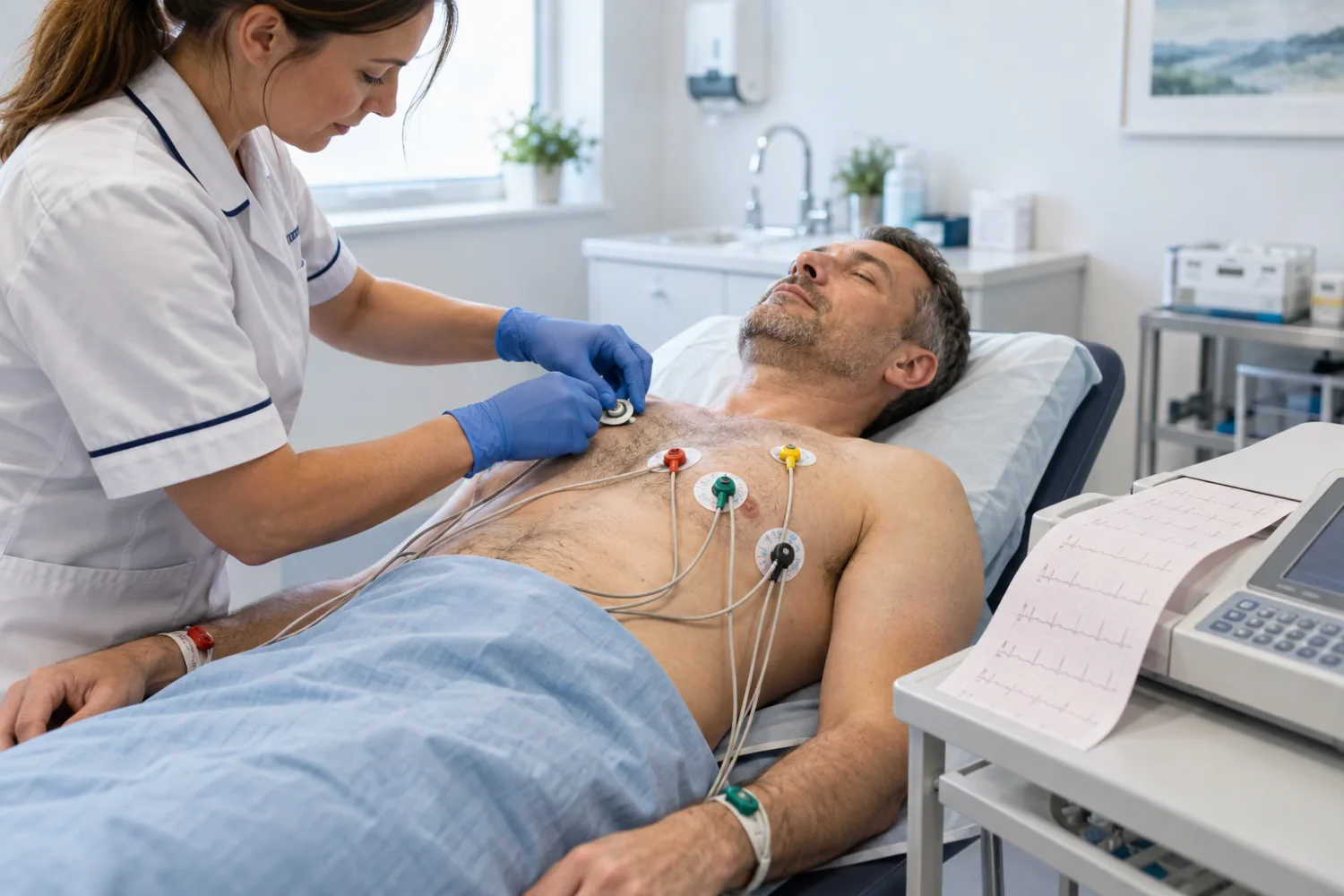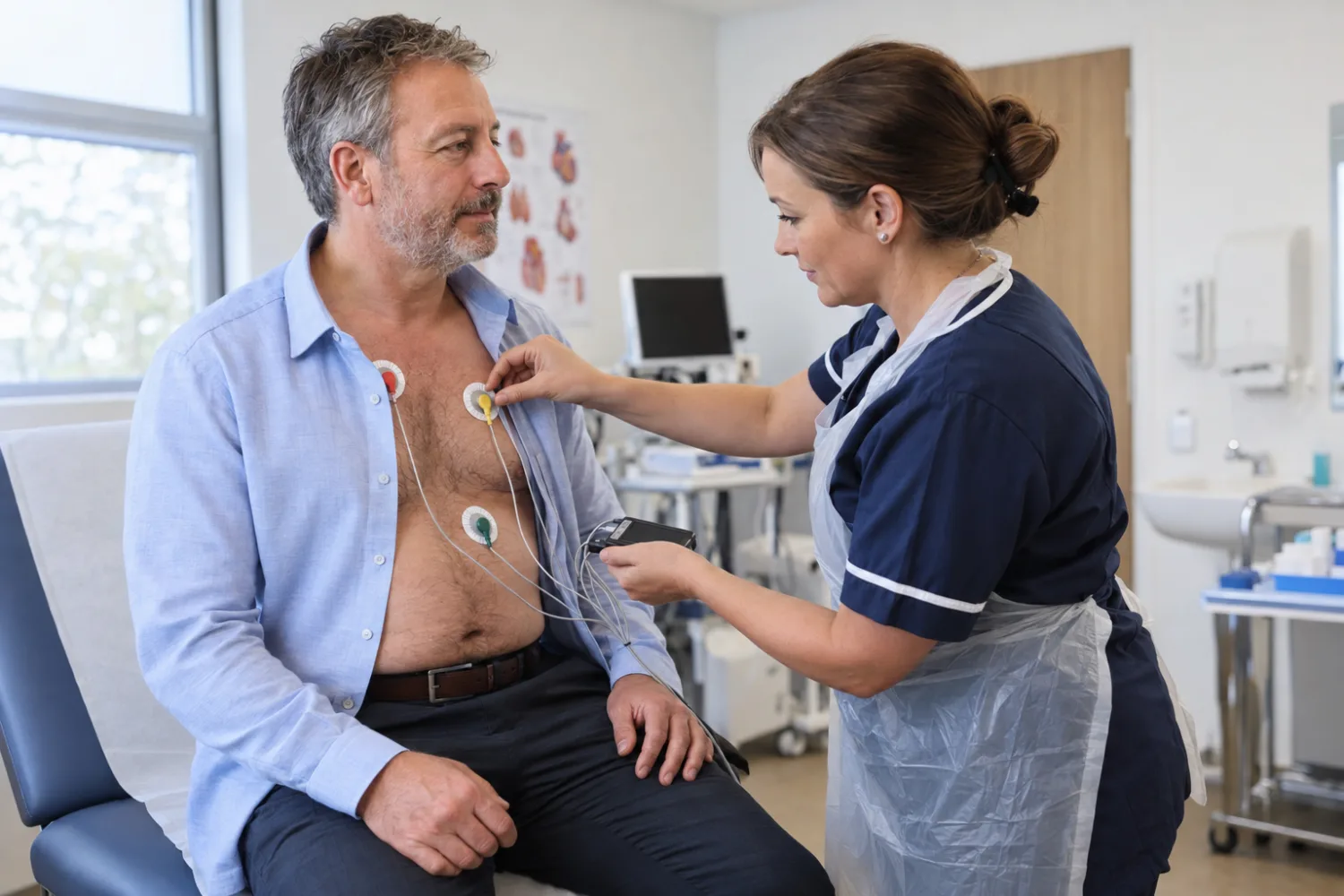
Most heart attacks and strokes do not come out of nowhere.
In many cases, risk builds quietly over time through a mixture of high blood pressure, unhealthy cholesterol, smoking, diabetes, excess weight, poor sleep, low activity, and family history. That may sound worrying, but there is also a very practical upside: many of the most important risk factors can be improved.
You do not need to become perfect overnight. You do not need to live on salad, buy expensive supplements, or follow dramatic social media health trends. What lowers risk most reliably is usually much simpler than that: know your numbers, stop smoking if you smoke, improve your diet, move more, manage your weight, control blood pressure, treat diabetes properly, take medication when it is genuinely needed, and act quickly on warning symptoms.
This guide explains how to reduce your risk of heart attack and stroke in a realistic UK context, what matters most, what tends to get overlooked, what to avoid, and when to seek medical help.
Why heart attack and stroke risk often goes unnoticed
One of the biggest problems with cardiovascular disease is that the risk factors themselves often do not cause obvious symptoms.
You can have high blood pressure and feel completely fine. You can have high cholesterol and feel completely fine. You can be gradually developing type 2 diabetes, carrying too much abdominal weight, sleeping badly and becoming more inactive year by year, all without a single dramatic warning sign.
That is why prevention matters so much. It is easier to lower risk before a major event than to recover after one.
If you want the full overview of how these factors fit together, read our complete guide to cardiovascular risk.
The most important ways to lower your risk
Not every risk factor carries equal weight, and not every intervention matters equally. The biggest gains usually come from dealing with the fundamentals properly.
1. Control high blood pressure
If there is one risk factor people most often underestimate, it is high blood pressure.
It is common, often silent, and strongly linked to both heart attack and stroke. In the UK, proper diagnosis usually involves more than a single clinic reading. Home blood pressure monitoring or ambulatory blood pressure monitoring may be used to confirm whether blood pressure is persistently raised.
For many people, lowering blood pressure is one of the single most important things they can do to protect their long-term health.
That may involve:
- losing weight if needed
- reducing salt intake
- cutting back on alcohol
- being more active
- improving sleep
- taking medication consistently if prescribed
Our guide to high blood pressure explains readings, home monitoring and treatment in more detail.
2. Take cholesterol seriously, but not in isolation
High cholesterol does not usually cause symptoms either, but it can contribute to the build-up of fatty deposits inside arteries over time. That process, known as atherosclerosis, is central to many heart attacks and some strokes.
The mistake many people make is focusing only on one cholesterol number while ignoring the wider picture. A mildly raised cholesterol level in a low-risk person is not the same as the same level in someone who also smokes, has high blood pressure and has type 2 diabetes.
Risk is cumulative. Several moderate problems together can matter more than one dramatic result on its own.
To understand the numbers properly, see our guide to high cholesterol.
3. Stop smoking
Smoking remains one of the clearest and most preventable drivers of cardiovascular disease. It damages blood vessels, increases inflammation, raises clot risk and makes existing artery disease more dangerous.
People sometimes talk themselves into thinking smoking is “balanced out” by other healthy habits such as exercise or decent diet. It is not. A physically active smoker still carries far more cardiovascular risk than a non-smoker with otherwise similar health.
If you smoke, stopping is one of the strongest steps you can take for both heart attack and stroke prevention.
4. Move more, even if you are starting from a low base
Exercise helps more than many people realise. It improves blood pressure, weight control, insulin sensitivity, sleep, stress resilience and general cardiovascular fitness. It also helps lower stroke risk through several pathways at once.
You do not need extreme training. The most effective exercise plan is often the one you will actually keep doing.
Good starting points include:
- brisk walking most days
- cycling or swimming
- gym sessions two or three times a week
- regular strength work
- breaking up long periods of sitting
If you have been very inactive, start smaller than your ambition suggests. Consistency beats intensity.
5. Improve your diet without becoming obsessive
The best heart-health diets are usually not fashionable. They are steady, balanced and sustainable.
In general, risk is lower with eating patterns built mostly around vegetables, fruit, beans, pulses, whole grains, nuts, seeds, fish and healthier unsaturated fats, while cutting down on heavily processed foods, excess salt, sugary drinks and frequent high-saturated-fat meals.
That does not mean every meal needs to be ideal. It means your overall pattern should improve.
Practical changes that often help include:
- cooking at home more often
- reducing takeaway meals
- choosing higher-fibre breakfasts
- cutting back on processed meat
- being more careful with snacks, pastries and convenience foods
- using less salt and more herbs, spices and simple seasoning
6. Lose excess weight, especially around the waist
Not all weight-related risk is about appearance or BMI alone. Carrying excess fat around the waist is particularly associated with high blood pressure, insulin resistance, raised triglycerides and higher cardiovascular risk.
Even modest weight loss can improve several risk factors at the same time. You do not need dramatic transformation for health benefits to begin.
Crash diets are rarely the answer. A slower, more sustainable approach is usually more useful than losing weight rapidly and regaining it.
7. Check for diabetes and take it seriously
Type 2 diabetes and prediabetes are closely linked with cardiovascular disease. Raised blood sugar can damage blood vessels and often travels with other problems such as excess weight, raised blood pressure and unhealthy cholesterol levels.
If you are at risk of diabetes, have a family history, are overweight, or have already had borderline results, it is worth getting checked rather than assuming you would notice symptoms.
Good diabetes care is not only about glucose. It is also about protecting the heart, brain, kidneys and circulation.
8. Sleep better and do not ignore sleep apnoea
Sleep is often underestimated in cardiovascular prevention. Poor sleep affects appetite, blood pressure, energy levels, weight and metabolic health. Obstructive sleep apnoea can also contribute directly to raised blood pressure and broader cardiovascular risk.
If you snore heavily, stop breathing in sleep, wake unrefreshed or feel excessively sleepy in the daytime, that is worth discussing with a clinician.
9. Drink less alcohol if it is creeping up
Alcohol often slips under the radar because it is normalised. But higher intake can contribute to raised blood pressure, weight gain, poor sleep, arrhythmias and unhealthy eating patterns.
Many people think they only drink “socially” while consuming far more than they realise across a typical week.
10. Take prescribed medication properly
There is a strong temptation to see medication as optional if you feel well. That is exactly where many preventable heart attacks and strokes begin.
If you have been prescribed blood pressure treatment, a statin, diabetes medication or an anticoagulant for a condition such as atrial fibrillation, the aim is often to reduce future risk before you feel any different. These medicines do not always produce a sensation of improvement, because they are often preventing harm rather than treating discomfort.
If side effects occur, the answer is usually to review the treatment, not simply stop it without discussion.
Real-life examples of risk reduction
“My blood pressure was only a bit high, so I ignored it”
Tom is 54, works at a desk, drinks more than he used to, and finds he is often too tired to exercise. His blood pressure is repeatedly raised, but because he feels normal he puts off doing anything about it.
What would help: confirming readings properly, reducing alcohol, losing some weight, walking daily, and taking blood pressure treatment if advised.
What to avoid: assuming there is no risk because there are no symptoms.
“I thought stroke was something that happened to other people”
Helen is 49, smokes, has migraines, rarely checks her blood pressure and has a family history of early vascular disease. She feels “too young” to worry seriously.
What would help: smoking cessation, blood pressure checks, lifestyle improvement and a proper cardiovascular review.
What to avoid: treating age as a guarantee of protection.
“I improved my diet, but my cholesterol was still high”
Imran loses weight and starts eating better, but his cholesterol remains raised because of inherited risk and his wider risk profile.
What would help: keeping the healthy habits, but also discussing whether medication is appropriate.
What to avoid: deciding lifestyle has “failed” and giving up altogether.
What matters most for stroke prevention specifically?
Many of the same measures that reduce heart attack risk also reduce stroke risk. But some deserve extra emphasis.
High blood pressure is especially important. It is one of the biggest preventable stroke risk factors. Smoking, diabetes, excess alcohol, inactivity and atrial fibrillation also matter greatly.
Stroke prevention is not only about arteries narrowing. In some people, blood clots form because of rhythm problems such as atrial fibrillation and then travel to the brain. That is why palpitations, irregular heartbeat and unexplained episodes of dizziness or breathlessness should not always be dismissed.
The Stroke Association and the NHS both emphasise lifestyle change and blood pressure control as key parts of prevention.
What should you avoid if you want to lower risk?
There are some very common mistakes that quietly keep risk high.
- Waiting for symptoms. High blood pressure and high cholesterol are often silent.
- Trying to fix everything with supplements. Supplements rarely replace proven risk reduction.
- Following extreme diets. Unsustainable eating plans usually collapse.
- Doing too much too soon. Overhauls that are impossible to maintain often fail.
- Stopping medicines without review. Especially blood pressure tablets, statins and anticoagulants.
- Ignoring family history. A strong family pattern of early heart disease can matter a great deal.
- Thinking “not overweight” means “low risk”. Genetics, smoking, diabetes and blood pressure still count.
How to know your real risk
Many people need more than generic advice. They need to know what applies to them.
In UK practice, clinicians often look at the whole picture rather than one isolated result. That may include:
- blood pressure
- cholesterol profile
- blood sugar or HbA1c
- weight and waist size
- smoking status
- family history
- kidney function
- overall cardiovascular risk estimation
NICE guidance supports formal cardiovascular risk assessment in appropriate adults without established CVD, often using QRISK3 as part of a broader conversation about prevention. You can read more in the NICE cardiovascular risk guideline.
When to speak to a GP or clinician
Book a routine appointment if:
- your blood pressure has been high on more than one occasion
- your cholesterol is raised
- you smoke and have not had a proper cardiovascular review for some time
- you have diabetes, prediabetes or kidney disease
- you have a strong family history of early heart disease or stroke
- you are getting exertional chest discomfort, breathlessness or palpitations
If access is difficult, our guide on how to get a GP appointment quickly in the UK may help.
When to call 999
Risk reduction is usually a long-term process. But some symptoms are not prevention issues anymore. They may be emergencies.
Call 999 urgently if there are signs of possible heart attack or stroke, including:
- persistent chest pain, pressure or heaviness
- pain spreading to the arm, jaw, neck or back
- sudden facial droop, arm weakness or speech difficulty
- sudden severe breathlessness
- collapse or severe new confusion
Do not wait to see if these symptoms pass.
A practical step-by-step plan
- Check your blood pressure properly.
- Get your cholesterol and blood sugar checked if appropriate.
- Stop smoking if you smoke.
- Start moving more every week, even if it is only brisk walking at first.
- Improve the overall quality of your diet rather than chasing perfection.
- Lose excess weight gradually if needed.
- Review your alcohol intake honestly.
- Take sleep and snoring seriously.
- Follow through with medication if it is prescribed for a good reason.
- Learn the warning signs of heart attack and stroke and act fast if they happen.
Key takeaways
Reducing your risk of heart attack and stroke is usually not about one dramatic intervention. It is about dealing properly with the factors that matter most: blood pressure, cholesterol, smoking, diabetes, weight, exercise, diet, sleep and medication adherence.
You do not need to do everything at once. But you do need to start. Small, consistent changes made early are often far more powerful than big intentions that never last.
The most useful mindset is not fear. It is realism. Know your risk, act on what can be changed, and do not wait for a major event to be your first warning sign.