Low blood pressure means the pressure of blood moving through the arteries is lower than expected. For some people, this is completely normal and causes no problems. For others, it can lead to dizziness, blurred vision, weakness, falls or fainting—particularly when standing up.
A reading below 90/60 mmHg is often described as low blood pressure, or hypotension. However, a single low number does not automatically mean something is wrong. A fit, healthy person may naturally have readings in this range and feel perfectly well, while someone whose pressure has fallen suddenly from their usual level may become seriously unwell even if the reading does not appear dramatically low.
The most important questions are whether symptoms are present, whether the pressure has changed suddenly and whether there is an underlying cause such as dehydration, blood loss, infection, a heart problem or medication.
Call 999 if low blood pressure or faintness occurs with chest pain, severe breathlessness, confusion, cold or clammy skin, blue or grey lips, heavy bleeding, vomiting blood, black stools, signs of a stroke, collapse or difficulty waking the person.
Seek urgent medical advice if dizziness or fainting is new, repeatedly happens, causes a fall, occurs during exercise, or is accompanied by a racing or irregular heartbeat, fever, persistent vomiting, severe diarrhoea or reduced urination.
What counts as low blood pressure?
Blood pressure is recorded using two numbers:
- systolic pressure, the upper number, measures pressure when the heart contracts;
- diastolic pressure, the lower number, measures pressure while the heart relaxes between beats.
A reading of 120/80 mmHg means the systolic pressure is 120 and the diastolic pressure is 80.
In general patient guidance, a blood pressure below 90/60 mmHg is considered low. This threshold is useful, but it is not a rigid boundary between healthy and unhealthy pressure.
A reading of 88/58 mmHg may be normal for one person and produce no symptoms. A reading of 105/65 mmHg might represent a significant fall for someone whose usual pressure is much higher, particularly if they feel faint or unwell.
Blood pressure changes naturally throughout the day. It can be influenced by:
- body position;
- sleep;
- meals;
- temperature;
- exercise;
- hydration;
- stress and pain;
- medicines;
- the accuracy of the measuring technique.
A single home reading should therefore be interpreted alongside symptoms and repeated measurements.
Is low blood pressure always unhealthy?
No. Some people naturally have low readings without dizziness, fainting or an underlying medical problem. In this situation, treatment may not be necessary.
Low pressure becomes more important when it:
- causes symptoms;
- has fallen suddenly;
- leads to falls or blackouts;
- reflects dehydration, bleeding or serious illness;
- prevents important medicines from being used safely;
- reduces blood flow to vital organs.
For comparison with elevated readings, see our blood pressure chart and guide to what the numbers mean.
What are the symptoms of low blood pressure?
Many people with low blood pressure have no symptoms. When symptoms do occur, they usually reflect a temporary reduction in blood flow to the brain or other organs.
Possible symptoms include:
- dizziness or light-headedness;
- feeling faint;
- blurred, dimmed or tunnel vision;
- weakness;
- unsteadiness;
- nausea;
- fatigue;
- difficulty concentrating;
- confusion, particularly in older adults;
- fainting or briefly losing consciousness.
Symptoms often become more noticeable:
- after getting out of bed;
- after standing for a long time;
- after a hot bath or shower;
- during hot weather;
- after exercise;
- after a large meal;
- during dehydration or illness;
- after starting or increasing certain medicines.
What does a low-blood-pressure episode feel like?
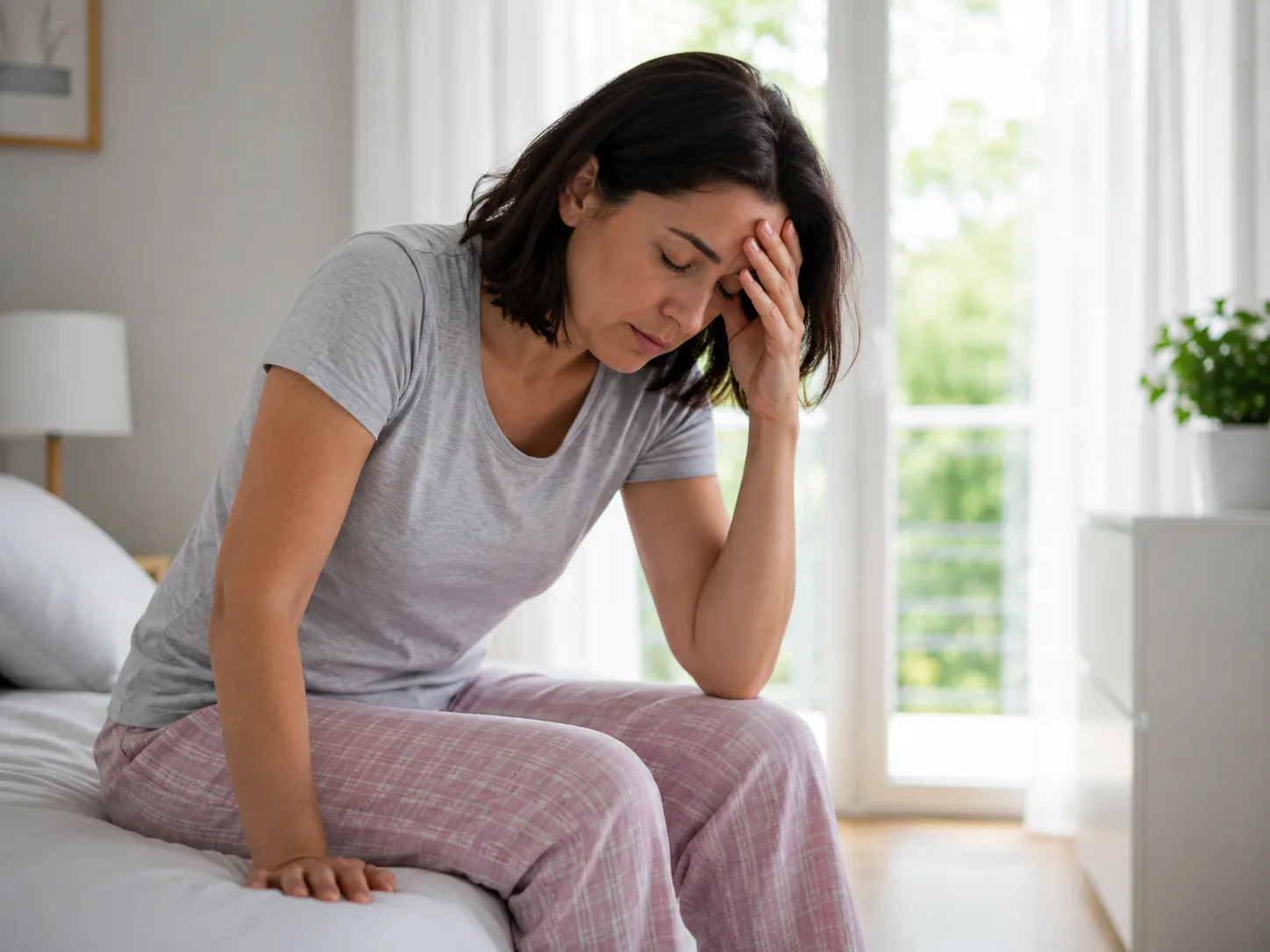
Some people describe a wave of light-headedness, fading vision or a sensation that the room is becoming distant. They may feel hot, sweaty, nauseated or suddenly weak.
If the person sits or lies down promptly, symptoms may improve as blood flow to the brain recovers. Trying to walk through the episode increases the risk of falling.
Can low blood pressure cause headaches?
Headache can occur alongside dehydration, illness or postural symptoms, but it is not one of the most specific signs of hypotension. Persistent or severe headaches need assessment for other causes.
Can it cause tiredness?
Low pressure can contribute to fatigue, but tiredness is extremely common and has many possible explanations, including anaemia, thyroid disease, poor sleep, vitamin deficiency, infection and medication effects.
New or persistent tiredness should not automatically be blamed on a slightly low blood pressure reading.
Postural hypotension: when pressure falls on standing
Postural hypotension, also called orthostatic hypotension, means blood pressure falls after moving from lying or sitting to an upright position.
When you stand, gravity causes some blood to collect in the legs and abdomen. Normally, the nervous system responds quickly by narrowing blood vessels and adjusting the heart rate so that enough blood continues to reach the brain.
In postural hypotension, this response is delayed or insufficient. Symptoms can appear within seconds or minutes of standing.
A commonly used clinical definition is a fall within three minutes of standing of at least:
- 20 mmHg in systolic pressure; or
- 10 mmHg in diastolic pressure.
The diagnosis is not based on the numbers alone. Doctors consider whether the change reproduces the person’s usual symptoms.
Typical symptoms of postural hypotension
These may include:
- dizziness when getting out of bed or standing from a chair;
- vision going grey, dark or blurred;
- weak or wobbly legs;
- feeling unsteady;
- fainting;
- falls without a clear trip;
- neck or shoulder aching in some people;
- difficulty thinking clearly while upright.
Symptoms may be worse first thing in the morning, after meals, in warm rooms or after alcohol.
Who is more likely to develop it?
Postural hypotension becomes more common with age, but younger people can also be affected. Risk is increased by:
- dehydration;
- prolonged bed rest;
- frailty;
- diabetes affecting the nerves;
- Parkinson’s disease and related conditions;
- some heart conditions;
- medicines that lower blood pressure or affect the nervous system;
- autonomic nervous-system disorders.
Postural hypotension is strongly associated with falls, so recurring symptoms should be assessed rather than accepted as an unavoidable part of ageing.
Is postural hypotension the same as POTS?
No. The symptoms can overlap, but they are not the same diagnosis.
Postural hypotension is defined primarily by a significant drop in blood pressure after standing. In postural tachycardia syndrome, or POTS, the main measurable change is an excessive rise in heart rate while upright, usually without the sustained blood-pressure fall that defines orthostatic hypotension.
Some people can have features of both, and specialist assessment may be needed when symptoms are persistent.
Common causes of low blood pressure
Low blood pressure can develop for many reasons. Sometimes several factors act together—for example, an older person taking blood-pressure medicine may become symptomatic during hot weather or a stomach illness.
Dehydration
When the body loses more fluid than it takes in, the volume of circulating blood falls. This can reduce blood pressure.
Common causes include:
- vomiting;
- diarrhoea;
- fever and sweating;
- hot weather;
- intense exercise;
- not drinking enough;
- diuretic medicines;
- conditions causing excessive urination.
Other signs of dehydration may include thirst, dry mouth, dark urine, reduced urination, tiredness and headache.
Our guide to dehydration symptoms in adults and children explains when fluid loss requires medical help.
Medicines
Many medicines can lower blood pressure directly or make postural symptoms more likely. These include:
- medicines prescribed for high blood pressure;
- diuretics or water tablets;
- beta blockers;
- alpha blockers;
- nitrates used for angina;
- some antidepressants and antipsychotics;
- medicines used for Parkinson’s disease;
- some erectile-dysfunction medicines;
- opioid painkillers;
- sedatives and sleeping medicines.
The risk can increase when several medicines are combined, a dose is changed, the person loses weight or kidney function changes.
Do not stop prescribed medication suddenly. Some heart medicines, steroids and psychiatric medicines can cause serious problems if withdrawn abruptly. Ask a GP, pharmacist or prescribing specialist to review the treatment.
Pregnancy
Blood pressure often falls during pregnancy because the circulation expands and hormones relax blood vessels. Mild low readings can be normal, particularly during the first and second trimesters.
Dizziness can also be worsened by dehydration, anaemia, overheating or lying flat later in pregnancy, when the womb can compress a major vein.
Severe dizziness, fainting, bleeding, abdominal pain, breathlessness or a racing heartbeat should be assessed promptly.
Prolonged bed rest and deconditioning
After illness, surgery or a long period in bed, the cardiovascular system and leg muscles may become less effective at returning blood to the heart when standing.
Gradual mobilisation, physiotherapy and medication review may be needed, particularly in older or frail adults.
After eating
Some people develop postprandial hypotension, meaning blood pressure falls after a meal as more blood is directed towards the digestive system.
It is more common in older adults and people with autonomic disorders. Large meals, high-carbohydrate meals and alcohol can make symptoms more noticeable.
Blood loss
Bleeding reduces circulating blood volume and can cause a dangerous fall in blood pressure.
Blood loss may be obvious after an injury, but internal bleeding can be less visible. Warning signs include:
- vomiting blood;
- black, tar-like stools;
- heavy vaginal bleeding;
- blood in the stool;
- severe abdominal pain;
- pale, cold or clammy skin;
- a rapid heartbeat;
- faintness or collapse.
Suspected major bleeding is an emergency.
Medical conditions that can cause hypotension
Persistent or unexplained low blood pressure may reflect a condition affecting the heart, hormones, blood, nervous system or immune response.
Heart problems
Blood pressure can fall if the heart cannot pump enough blood effectively. Possible causes include:
- a very slow heart rate;
- a rapid or irregular rhythm;
- heart attack;
- heart-valve disease;
- heart failure;
- inflammation affecting the heart.
Low pressure with chest pain, severe breathlessness, sweating, collapse or a new irregular heartbeat requires urgent assessment.
Anaemia
Anaemia reduces the blood’s ability to carry oxygen and may cause dizziness, weakness, breathlessness and palpitations. The blood pressure itself may be normal or low depending on the cause and severity.
Iron deficiency can develop gradually through heavy periods, dietary deficiency or hidden bleeding from the digestive tract.
See our guide to iron, ferritin and anaemia blood-test results.
Hormonal and endocrine conditions
Low blood pressure can occur with:
- adrenal insufficiency, including Addison’s disease;
- an underactive thyroid;
- severe thyroid dysfunction;
- low blood sugar;
- some pituitary disorders.
Adrenal insufficiency may cause fatigue, weight loss, nausea, abdominal symptoms, salt craving and skin darkening. An adrenal crisis can cause vomiting, severe weakness, confusion, collapse and dangerously low blood pressure.
Diabetes and autonomic nerve damage
Long-standing diabetes can damage the nerves that regulate heart rate and blood-vessel constriction. This can lead to postural hypotension, digestive symptoms, bladder problems and altered sweating.
Blood sugar that is too low can also cause sweating, trembling, dizziness, confusion and collapse, although this is not the same as hypotension.
Parkinson’s disease and neurological conditions
Conditions affecting the autonomic nervous system can interfere with the body’s ability to control blood pressure.
Postural hypotension is particularly associated with Parkinson’s disease, multiple system atrophy and some peripheral neuropathies. Medicines used to treat neurological symptoms may add to the problem.
Severe infection and sepsis
In severe infection, blood vessels may widen and fluid can move out of the circulation, causing blood pressure to fall. This can impair blood flow to the brain, kidneys and other organs.
Warning signs of sepsis may include:
- confusion or unusual drowsiness;
- very fast breathing;
- blue, grey, pale or blotchy skin;
- feeling extremely unwell;
- very high or low temperature;
- not passing urine;
- collapse.
Suspected sepsis requires emergency help.
Severe allergic reaction
Anaphylaxis can cause sudden widening of blood vessels and a dangerous fall in blood pressure.
Possible symptoms include swelling of the lips or tongue, wheezing, breathing difficulty, widespread hives, vomiting, faintness and collapse.
Use an adrenaline auto-injector immediately if one has been prescribed, call 999 and state that you suspect anaphylaxis.
When is low blood pressure an emergency?
A naturally low reading without symptoms is usually not an emergency. A sudden fall in pressure associated with serious illness can be life-threatening.
Call 999 if low blood pressure or faintness occurs with:
- chest pain or pressure;
- severe breathing difficulty;
- signs of a stroke, such as facial weakness, arm weakness or speech difficulty;
- heavy bleeding;
- vomiting blood or passing black stools;
- collapse or difficulty waking;
- confusion or severe drowsiness;
- cold, pale, clammy or blotchy skin;
- blue or grey lips;
- suspected anaphylaxis;
- signs of severe infection or sepsis.
Contact NHS 111 or seek an urgent clinical assessment if:
- you faint for the first time;
- fainting happens repeatedly;
- you fall or injure yourself because of dizziness;
- symptoms occur during exercise;
- you have a racing, very slow or irregular heartbeat;
- you are unable to keep fluids down;
- vomiting or diarrhoea is persistent;
- you are passing much less urine;
- symptoms began after a medicine change;
- you are pregnant and repeatedly dizzy or faint;
- you have diabetes, heart disease or adrenal disease;
- the symptoms are getting worse.
When should recurring mild symptoms be discussed with a GP?
Arrange a routine appointment if you frequently become dizzy on standing, have unexplained fatigue, repeatedly record readings below 90/60 mmHg or feel that low pressure is affecting work, driving, exercise or daily life.
Recurring postural symptoms are particularly important in older adults because of the risk of falls and fractures.
Our guide to fainting and blackouts explains other causes of transient loss of consciousness and the tests that may be used.
How is low blood pressure investigated?
The purpose of assessment is not simply to confirm a low reading. It is to understand when it occurs, whether it causes symptoms and why.
A clinician may ask about:
- your usual blood-pressure readings;
- whether symptoms happen after standing, meals or exercise;
- fainting, falls and injuries;
- fluid intake, vomiting, diarrhoea or bleeding;
- heart symptoms;
- pregnancy possibility;
- medical conditions;
- prescribed medicines, supplements and alcohol;
- recent weight loss or illness.
Lying and standing blood pressure
If postural hypotension is suspected, blood pressure may be measured after resting while lying or sitting and then repeated after standing.
The pulse may also be checked because the heart-rate response provides useful clues. A substantial increase in heart rate can suggest dehydration or another orthostatic condition, while an inadequate response may point towards autonomic dysfunction or medication effects.
ECG and heart monitoring
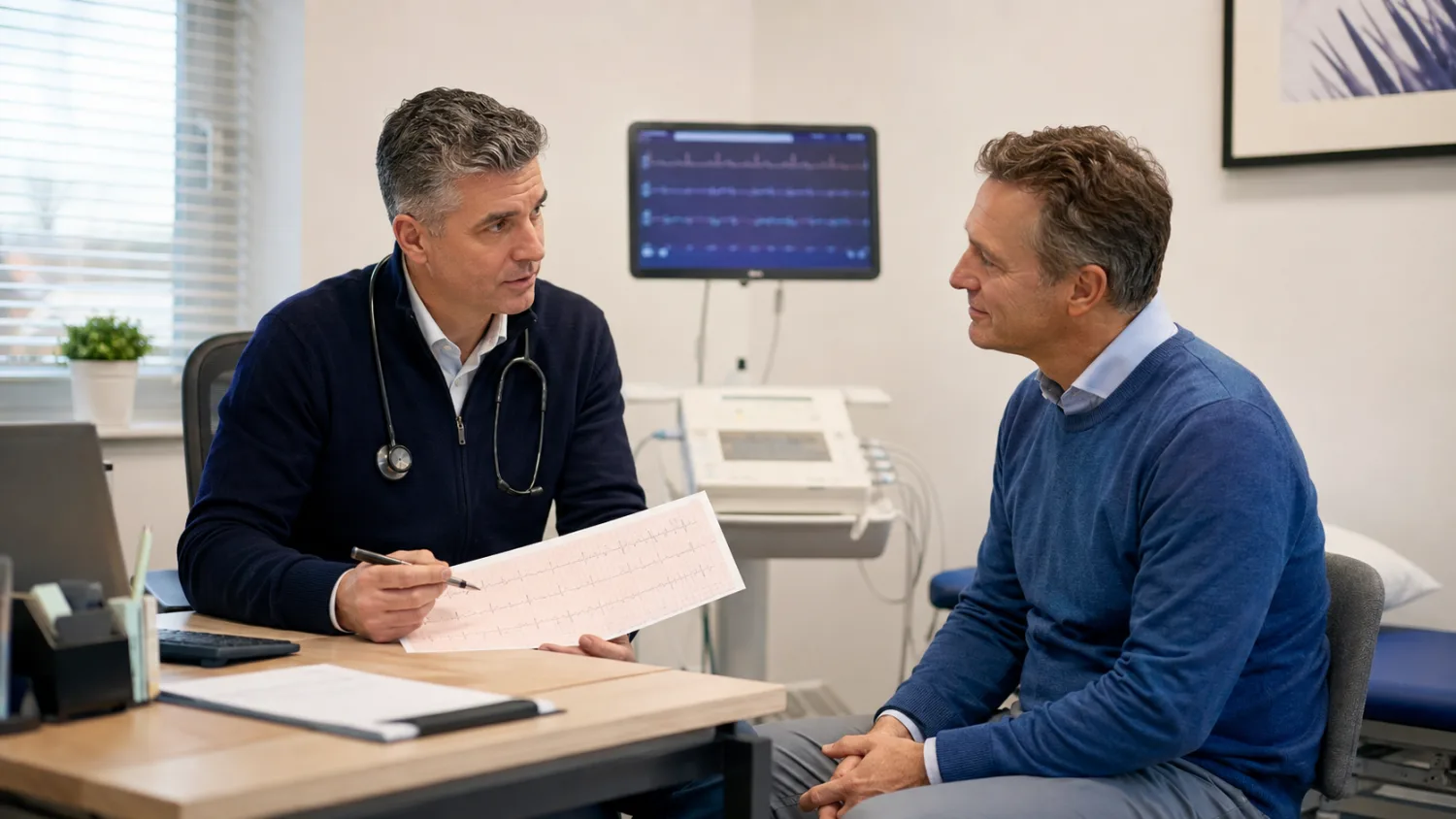
An electrocardiogram, or ECG, records the heart’s electrical activity. It may identify a slow rhythm, fast rhythm, conduction problem or signs of heart disease.
If symptoms are intermittent, longer monitoring may be arranged using a portable device worn for one or more days.
Our guide to ECG results explains what common terms on a report can mean.
Blood tests
Depending on the history, tests may include:
- full blood count for anaemia or infection;
- kidney function and electrolytes;
- blood glucose or HbA1c;
- thyroid function;
- liver tests;
- cortisol when adrenal insufficiency is suspected;
- iron, vitamin B12 or folate tests;
- tests for inflammation or infection.
Other tests
Further investigations may include:
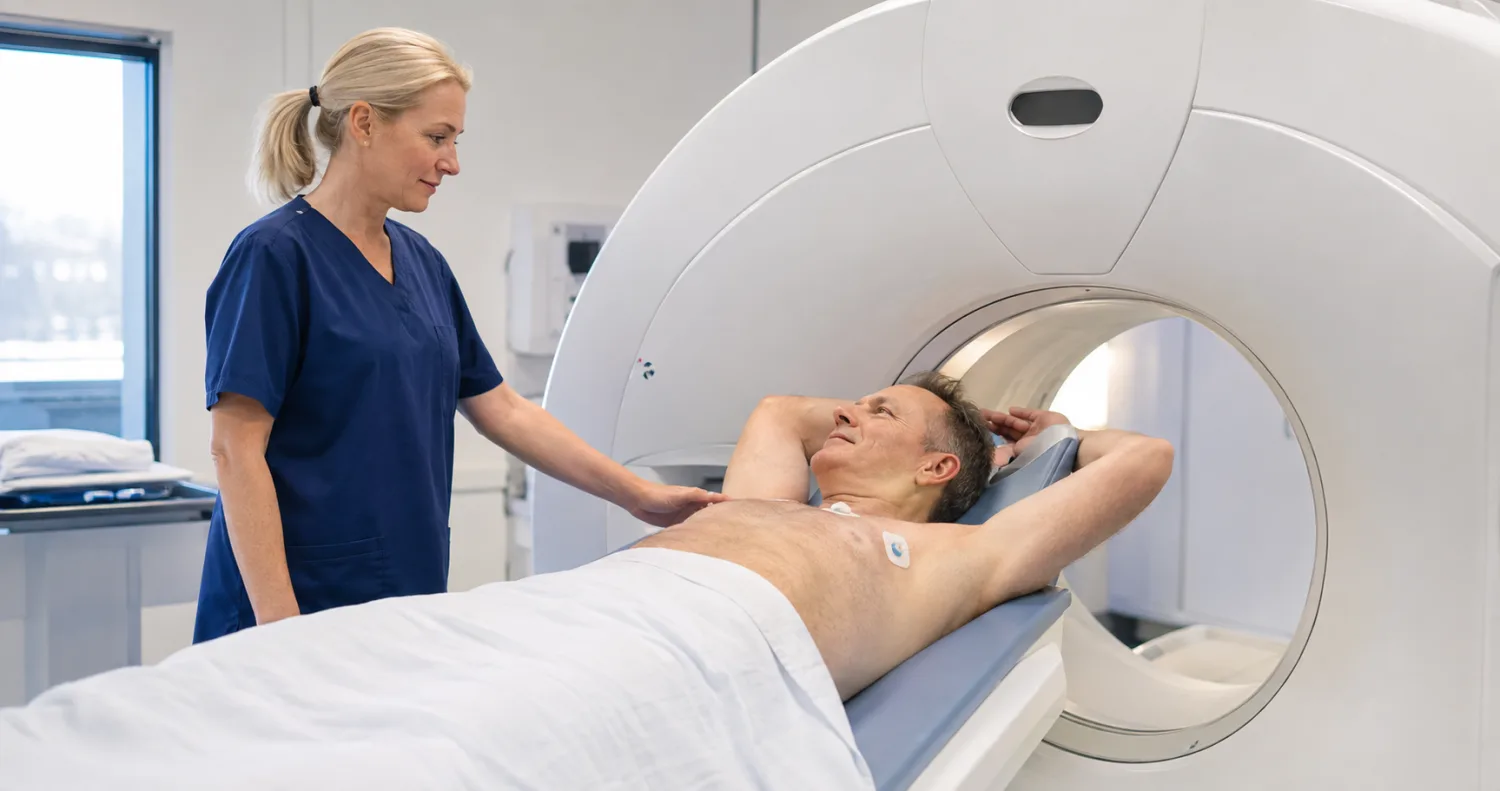
- an echocardiogram to assess the heart’s structure and pumping function;
- a tilt-table test for unexplained postural symptoms or blackouts;
- autonomic-function testing;
- assessment for internal bleeding;
- review by cardiology, neurology or endocrinology.
A home blood-pressure diary can be useful, but it should record symptoms, position and timing—not just isolated numbers.
How is low blood pressure treated?
Treatment depends on the cause. A low reading that causes no symptoms may need no treatment.
When symptoms are present, management may involve:
- correcting dehydration;
- treating infection or blood loss;
- reviewing medicines;
- managing anaemia or hormonal disease;
- changing meal patterns;
- using compression garments;
- physical techniques to improve circulation;
- specialist medication in selected cases.
Medication review
A GP may adjust the dose, timing or combination of medicines contributing to symptoms.
This does not necessarily mean abandoning important treatment for high blood pressure, heart failure or another condition. The goal is to balance protection from the underlying disease against dizziness, falls and excessive pressure reduction.
Never make major dose changes without clinical advice.
Fluids
Drinking enough fluid can improve symptoms caused by dehydration or postural hypotension.
However, people with heart failure, advanced kidney disease or another condition requiring fluid restriction should ask their clinical team how much to drink.
Salt
Increasing salt can raise blood pressure by helping the body retain fluid, but it is not safe or appropriate for everyone.
Extra salt may worsen heart failure, kidney disease, swelling or high blood pressure while lying down. It should therefore be discussed with a clinician rather than adopted automatically.
Compression garments
Waist-high compression stockings or abdominal compression can reduce blood pooling in the legs and abdomen.
Knee-high stockings may be less effective for some forms of postural hypotension because a substantial amount of blood pools higher in the legs and abdominal circulation.
Compression garments must fit correctly and may be unsuitable for people with significant arterial disease or certain skin problems.
Medicines that increase blood pressure
Specialist medicines are sometimes used when symptoms remain disabling despite treating the cause and using non-drug measures.
Options may include midodrine or fludrocortisone in selected patients. These require monitoring because they can cause side effects, including high blood pressure while lying down, fluid retention or changes in blood salts.
Medication to raise pressure is not commonly required for ordinary asymptomatic low readings.
Practical ways to manage postural symptoms
Simple measures can reduce dizziness and falls, particularly while a cause is being investigated.
Stand up in stages
When getting out of bed:
- move your feet and ankles before sitting up;
- sit on the edge of the bed for a moment;
- stand while holding a stable surface;
- wait until you feel steady before walking.
Avoid jumping up quickly after lying or sitting for a long time.
Act quickly when symptoms begin
If you feel faint:
- stop walking;
- sit or lie down immediately;
- raise your legs if possible;
- avoid stairs and hard-edged furniture;
- drink water when dehydration is possible and fluids are safe for you.
Do not try to push through the episode.
Use physical counter-pressure manoeuvres
Some people can temporarily improve circulation by:
- crossing and tightly squeezing the legs;
- clenching the buttocks and abdominal muscles;
- making fists;
- rocking onto the toes;
- marching the feet while seated.
These techniques are intended to reduce symptoms long enough to sit or lie down safely, not to replace medical assessment.
Avoid common triggers
Symptoms may improve by reducing:
- prolonged standing;
- very hot baths and showers;
- overheated rooms;
- excess alcohol;
- large heavy meals;
- sudden position changes;
- dehydration during exercise or hot weather.
Consider smaller meals
If symptoms occur after eating, smaller and more frequent meals may help. Some people are more affected by large high-carbohydrate meals.
Do not make highly restrictive dietary changes without advice, particularly if you are older, underweight or at risk of malnutrition.
Make falls less dangerous
Recurring dizziness warrants practical safety planning. Consider:
- good lighting at night;
- removing loose rugs and trip hazards;
- keeping a phone nearby;
- using a handrail;
- sitting to dress or shower when necessary;
- reviewing eyesight, footwear and walking aids.
A person who has fallen, become unable to rise or sustained a head injury needs appropriate medical assessment.
How to check blood pressure accurately at home
Home monitoring can help identify patterns, but inaccurate technique can create misleading low readings.
For a seated measurement:
- avoid exercise, smoking and caffeine for around 30 minutes beforehand where possible;
- empty your bladder;
- sit quietly for at least five minutes;
- keep your back supported;
- place both feet flat on the floor;
- support the arm at heart level;
- use the correct cuff size on bare skin;
- remain still and do not talk;
- take two readings about one minute apart.
An upper-arm monitor validated for clinical accuracy is generally preferable to an unvalidated wrist or finger device.
Checking for a postural drop
A clinician may ask you to compare lying and standing readings. Because standing while dizzy carries a fall risk, do not attempt this alone if you have previously fainted, are unsteady or have significant symptoms.
Where it is safe and specifically advised:
- rest lying down for several minutes;
- record blood pressure and pulse;
- stand with support nearby;
- repeat the measurements at the advised times;
- record symptoms as well as the numbers.
Stop and sit or lie down immediately if you become faint.
When can a reading be falsely low?
Inaccurate readings may result from:
- a cuff that is too large or positioned incorrectly;
- the arm hanging below heart level;
- movement or talking;
- an irregular heartbeat;
- a weak battery or faulty monitor;
- measuring immediately after standing, exercise or a hot shower;
- poor circulation in the arm.
Our guide to home blood-pressure monitoring covers equipment and measurement technique in more detail.
Frequently asked questions about low blood pressure
Is 90/60 mmHg dangerously low?
Not necessarily. It is commonly used as the threshold for hypotension, but some healthy people naturally have readings around or below this level. Symptoms, sudden change and the underlying cause determine how concerning it is.
What blood pressure is too low to be safe?
There is no single emergency number that applies to everyone. A reading is concerning when it is associated with fainting, confusion, chest pain, breathlessness, major bleeding, severe infection or signs that organs are not receiving enough blood.
Is 100/60 mmHg low?
It is at the lower end of the usual range but may be normal, especially in a younger or physically active person. Recurring dizziness or fainting should still be assessed.
Why do I feel dizzy when I stand up?
A temporary fall in blood pressure is one possibility. Dehydration, medication, anaemia, autonomic disorders and prolonged bed rest can contribute. Inner-ear conditions and other causes of dizziness may feel similar.
Can low blood pressure cause fainting?
Yes. If blood flow to the brain falls temporarily, a person can lose consciousness. Fainting also has other causes, including abnormal heart rhythms and reflex faints, so new or repeated episodes should be assessed.
Can dehydration lower blood pressure?
Yes. Fluid loss reduces circulating blood volume and can cause dizziness, rapid heartbeat and low pressure, particularly when standing.
Can low iron cause low blood pressure?
Iron-deficiency anaemia can cause dizziness, weakness, breathlessness and palpitations. Blood pressure may be normal or low depending on severity and whether there is ongoing blood loss.
Can stress cause low blood pressure?
Acute stress more commonly raises blood pressure, but pain, fear or emotional distress can trigger a reflex faint in some people, causing the heart rate and blood pressure to drop temporarily.
Can eating lower blood pressure?
Yes. Blood pressure can fall after meals, particularly in older adults and people with autonomic dysfunction. Smaller meals may reduce symptoms.
Can hot weather make hypotension worse?
Yes. Heat widens blood vessels and increases fluid loss through sweating. This can make dizziness and postural symptoms more likely.
Does drinking coffee help?
Caffeine may temporarily raise blood pressure in some people, but responses vary. It can disturb sleep, worsen palpitations and is not a reliable treatment for an underlying condition.
Should I eat more salt?
Only after discussing it with a clinician. Extra salt may help selected people with postural hypotension but can be harmful in heart failure, kidney disease, swelling or high blood pressure.
Does low blood pressure mean the heart is weak?
Usually not. Many healthy people naturally have low readings. Heart disease is one possible cause when hypotension occurs with breathlessness, chest pain, swelling, exercise intolerance or abnormal heart rhythms.
Can low blood pressure cause a stroke?
Ordinary stable low blood pressure is not a common cause of stroke. A profound sudden fall during shock, major bleeding or cardiac arrest can reduce blood flow to the brain and other organs. Stroke symptoms require emergency help regardless of the blood-pressure reading.
Should I stop my blood-pressure tablets?
No. Contact the prescribing clinician if readings are repeatedly low or symptoms began after a medicine change. Sudden withdrawal can cause the pressure to rebound or worsen the condition being treated.
Can low blood pressure affect driving?
Dizziness, fainting or unpredictable blackouts can make driving unsafe. Stop driving during active symptoms and seek medical advice. Specific DVLA rules may apply depending on the cause and whether consciousness has been lost.
Is low blood pressure common in pregnancy?
Mildly lower readings are common during pregnancy. Fainting, persistent dizziness, bleeding, abdominal pain, breathlessness or a racing heartbeat should be assessed rather than assumed to be normal.
When should I call NHS 111?
Contact NHS 111 for new or worsening dizziness, repeated fainting, significant dehydration, an irregular heartbeat, symptoms after a medication change or low blood pressure accompanied by illness. Call 999 for collapse, chest pain, severe breathlessness, major bleeding, confusion, stroke symptoms or suspected sepsis.