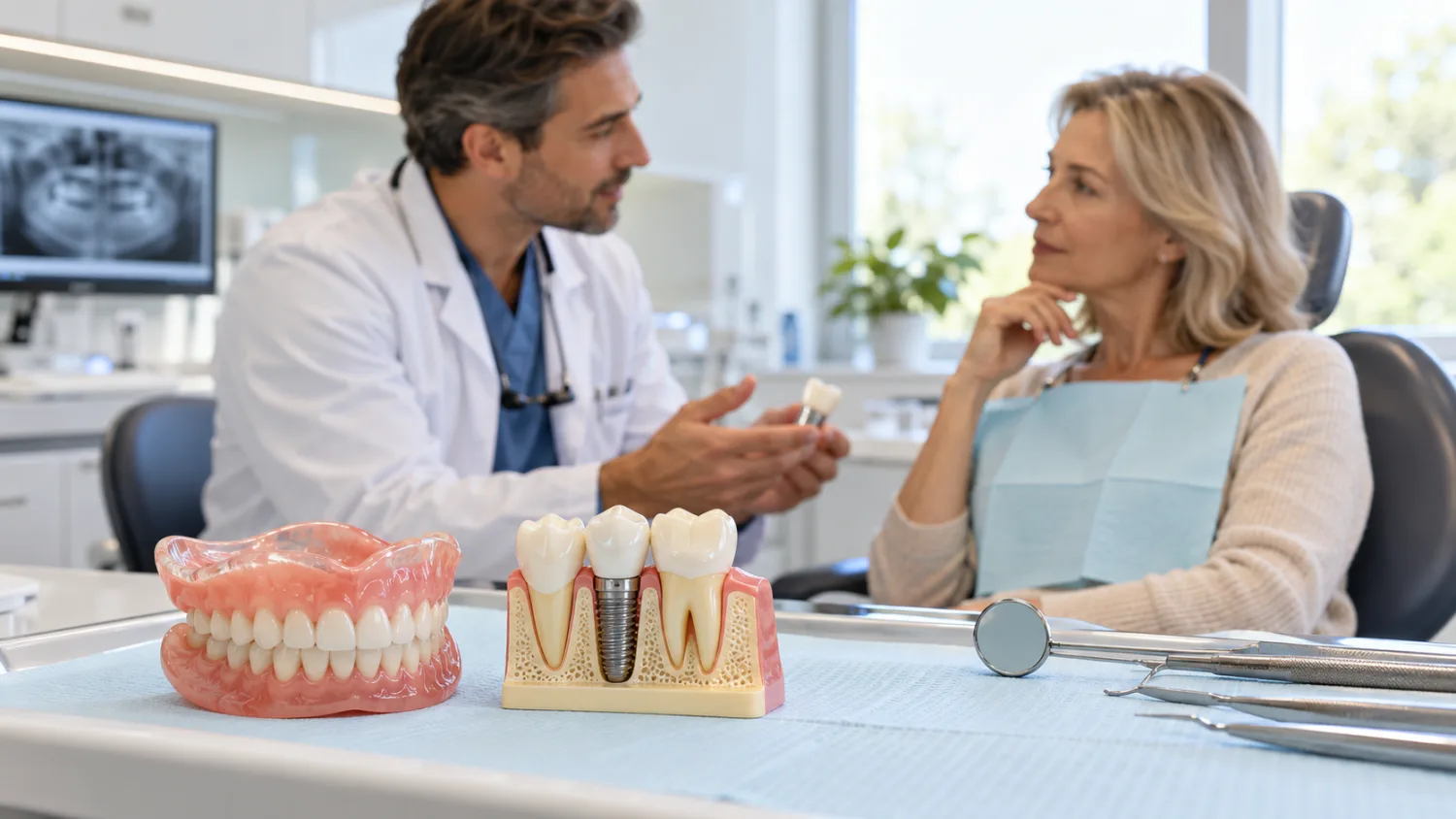
A swollen face from a tooth should always be taken seriously. Dental swelling can be caused by an abscess, infected tooth, gum infection, wisdom tooth problem, broken tooth, lost filling, failed crown or trauma. Sometimes the swelling is mild and localised. Sometimes it can spread quickly and become dangerous.
The key question is whether the swelling is limited and stable, or whether it is spreading, affecting breathing, swallowing, speech, eyesight or mouth opening. A dental infection can occasionally spread into deeper spaces of the face, jaw, throat or neck. That is why facial swelling linked to a tooth should not be ignored.
This guide explains what a swollen face from a tooth can mean, when to call 999 or go to A&E, when to contact NHS 111 or an emergency dentist, what treatment may involve, and how dentists treat the underlying cause.
If your swelling followed a damaged tooth or dental restoration, you may also find our guides to Broken Tooth: What to Do and Lost Filling or Crown: What to Do useful. For related problems, see Dental Abscess: Symptoms and Treatment, Toothache: Causes, Relief and When to See a Dentist and Dental Emergencies: What Counts as Urgent?.
Quick summary
- A swollen face from a tooth may be caused by a dental abscess or spreading infection.
- Call 999 or go to A&E if swelling affects breathing, speaking or swallowing, if there is lots of swelling in the mouth, a swollen or painful eye, sudden eyesight problems, or difficulty opening your mouth.
- Contact a dentist urgently or use NHS 111 if you have facial swelling, severe dental pain, fever, pus, bad taste, worsening symptoms or cannot get a dental appointment.
- Do not go to a GP expecting dental treatment. Dental infections usually need dental care, such as drainage, root canal treatment or extraction.
- Antibiotics may help spreading infection, but they often do not cure the cause unless the tooth is treated.
- In England, urgent NHS dental treatment is £27.90 from 1 April 2026. Band 2 treatment, such as fillings, root canal treatment or extractions, is £76.60.
- Do not try to drain an abscess yourself.
- Do not ignore swelling that is spreading, severe or associated with feeling unwell.
When is a swollen face from a tooth an emergency?
A swollen face from a tooth becomes an emergency when there are signs the infection may be spreading or affecting important areas such as the airway, throat, eye or deep spaces of the mouth.
The NHS says to call 999 or go to A&E if you have a suspected dental abscess and are finding it hard to breathe, speak or swallow; have a swollen or painful eye or sudden eyesight problems; have a lot of swelling in your mouth; or are finding it hard to open your mouth. The NHS also advises not to drive yourself to A&E in this situation. You can read the NHS dental abscess guidance here.
Call 999 or go to A&E urgently if you have:
- Difficulty breathing.
- Difficulty swallowing saliva, food or drinks.
- Difficulty speaking because of swelling.
- Swelling under the jaw, in the floor of the mouth or spreading into the neck.
- A lot of swelling inside the mouth.
- Difficulty opening your mouth.
- A swollen, painful or red eye.
- Sudden changes in vision.
- Rapidly worsening facial swelling.
- Severe facial trauma.
- Confusion, collapse or feeling extremely unwell.
These symptoms can indicate a serious infection that needs urgent medical assessment, not just a routine dental appointment.
When should you contact an emergency dentist or NHS 111?
If the swelling is not affecting breathing, swallowing, speech, eyesight or mouth opening, you may still need urgent dental care. Dental swelling usually means there is infection or inflammation that needs assessment.
Contact your dentist urgently, or use NHS 111 if you cannot access a dentist, if you have:
- Swelling of the cheek, gum, jaw or face.
- Severe toothache.
- Throbbing pain.
- Pus or a bad taste in the mouth.
- A gum boil or pimple-like swelling.
- Fever or feeling unwell.
- Pain when biting.
- A broken tooth with swelling.
- A lost filling or crown followed by pain or swelling.
- Wisdom tooth swelling or difficulty opening your mouth.
- Symptoms getting worse despite pain relief.
The NHS says that if you need emergency or urgent dental care, you can get advice from NHS 111 or contact a dentist and ask for an appointment. The NHS explains how to find urgent dental care here.
What causes facial swelling from a tooth?
Facial swelling from a tooth is often caused by infection. The infection may start inside the tooth, around the gum, around a wisdom tooth, or under an old filling or crown.
Common causes include:
- Dental abscess: a collection of pus caused by bacterial infection.
- Tooth decay: deep decay can reach the nerve and cause infection.
- Broken tooth: bacteria can enter through a crack or fracture.
- Lost filling or crown: exposed tooth structure can decay or become infected.
- Failed root canal treatment: infection can persist or return around the root.
- Gum abscess: infection in the gum or around a tooth.
- Wisdom tooth infection: inflammation or infection around a partly erupted wisdom tooth.
- Trauma: an injured tooth can later become infected.
Sometimes a dental infection starts with toothache. Sometimes swelling appears after the pain has reduced, because the infection has drained into the surrounding tissues. Less pain does not always mean the problem is improving.
What is a dental abscess?
A dental abscess is a collection of pus caused by infection. It may form at the tip of the tooth root, in the gum, or around the tissues supporting a tooth.
Symptoms may include:
- Severe throbbing toothache.
- Swollen gum, cheek, jaw or face.
- Pain spreading to the ear, jaw or neck.
- Bad taste in the mouth.
- Pus.
- Sensitivity to hot or cold.
- Pain when biting.
- Fever or feeling unwell.
- Difficulty opening the mouth if swelling is significant.
NHS Inform says that if a dental abscess infection spreads, you may develop a high temperature and feel generally unwell; in severe cases, you may find it hard to fully open your mouth and have difficulty swallowing or breathing. NHS Inform has guidance on dental abscesses here.
Why dental swelling can become dangerous
Teeth and gums are close to the jaw, cheek, floor of the mouth, throat, sinuses and eye area. If infection spreads beyond the tooth, swelling can move into facial spaces. In rare cases, this can threaten the airway or spread towards the eye, neck or bloodstream.
Warning signs of a more serious spread include:
- Swelling spreading quickly over hours.
- Swelling under the chin or jaw.
- Tongue being pushed up.
- Difficulty swallowing saliva.
- Breathing changes.
- Voice changes.
- Difficulty opening the mouth.
- Eye swelling or vision symptoms.
- High fever or feeling very unwell.
These symptoms need emergency assessment.
Should you go to a GP for facial swelling from a tooth?
A GP cannot provide dental treatment such as draining a dental abscess, removing a tooth, placing a filling or performing root canal treatment. Dental swelling usually needs a dentist or oral surgery service.
Use a dentist, urgent dental service or NHS 111 for dental problems. Go to A&E or call 999 if there are emergency warning signs such as breathing, swallowing, mouth-opening or eye symptoms.
Will antibiotics fix a swollen face from a tooth?
Antibiotics may be needed if infection is spreading, there is facial swelling, fever, systemic illness or high-risk features. However, antibiotics alone often do not cure the dental cause.
The source of infection may need dental treatment such as:
- Drainage of the abscess.
- Root canal treatment.
- Extraction of the infected tooth.
- Treatment of gum infection.
- Cleaning around an infected wisdom tooth.
- Definitive repair of a broken tooth, lost filling or failed crown.
Antibiotics can reduce bacterial spread, but if the infected nerve, abscess pocket or damaged tooth remains untreated, symptoms can return.
What should you do while waiting for urgent dental care?
These steps may help while you arrange care, but they are not a substitute for urgent assessment if swelling is significant.
- Contact a dentist or NHS 111 for advice.
- Take pain relief such as paracetamol or ibuprofen if suitable for you.
- Follow the instructions on the medicine packet.
- Use a cold compress on the outside of the cheek if it helps comfort.
- Keep your head slightly elevated if swelling is uncomfortable.
- Drink fluids.
- Eat soft foods if chewing is painful.
- Keep the area clean with gentle brushing.
- Do not smoke or vape, especially if an extraction or surgery may be needed.
Do not:
- Try to cut, squeeze or drain the swelling yourself.
- Put aspirin directly on the gum.
- Use leftover antibiotics.
- Delay care because pain tablets are helping.
- Apply heat to a rapidly swelling face unless a clinician advises it.
- Ignore breathing, swallowing, eye or mouth-opening symptoms.
How dentists treat swelling from a tooth
Treatment depends on the cause, severity and whether the infection is localised or spreading.
Examination and X-rays
The dentist will examine your mouth and face, check the tooth, gums and swelling, and may take X-rays to find the source of infection.
Drainage
If pus has collected, drainage may be needed. This may involve opening the tooth, draining through the gum, or referring for oral surgery if the infection is more complex.
Root canal treatment
If the infection started inside the tooth and the tooth can be saved, root canal treatment may be used to remove infected nerve tissue, disinfect the canals and seal the tooth.
Read more: Root Canal Treatment Explained.
Extraction
If the tooth cannot be saved, removing it may be the safest way to remove the source of infection. Replacement options can be discussed later once infection has settled.
Treatment of gum infection
If the swelling comes from a gum abscess or periodontal problem, treatment may involve cleaning, drainage and longer-term gum care.
Wisdom tooth treatment
If swelling is linked to a wisdom tooth, treatment may involve cleaning around the tooth, antibiotics if needed, drainage, or removal if problems are severe or recurrent.
Hospital or oral surgery referral
Severe infections, deep swelling, airway risk, eye involvement, complex wisdom teeth or high-risk medical situations may need referral to hospital or an oral and maxillofacial surgery team.
Swollen face after a broken tooth
A broken tooth can allow bacteria to enter the nerve space or root area. If swelling develops after a tooth breaks, it may mean infection has started or spread.
Warning signs include:
- Increasing pain after the break.
- Swelling of the gum or cheek.
- Bad taste or pus.
- Pain when biting.
- Tooth darkening.
- Fever or feeling unwell.
A broken tooth with swelling should be assessed urgently. Treatment may involve drainage, root canal treatment or extraction. Read more: Broken Tooth: What to Do.
Swollen face after a lost filling or crown
If a filling or crown falls out, the tooth underneath may be exposed. Decay, leakage, fracture or nerve infection can lead to swelling.
This is more urgent if there is:
- Throbbing pain.
- Swelling in the gum or face.
- Bad taste or pus.
- Fever.
- Pain when biting.
- A crown that came off because the tooth underneath broke.
Do not simply glue a crown back on if there is swelling. The tooth needs proper assessment. Read more: Lost Filling or Crown: What to Do.
Swollen face from a wisdom tooth
Wisdom tooth swelling is often caused by pericoronitis, which is inflammation or infection around a partly erupted tooth. Food and bacteria can become trapped under a gum flap.
Seek urgent advice if wisdom tooth swelling is associated with:
- Difficulty opening your mouth.
- Swelling spreading into the cheek or jaw.
- Fever.
- Bad taste or pus.
- Difficulty swallowing.
- Repeated infections.
Wisdom tooth infection may need cleaning, antibiotics in selected cases, drainage or removal.
Swollen face after dental treatment
Mild swelling can be normal after some dental procedures, especially surgical extractions or wisdom tooth removal. But swelling that is worsening, spreading or associated with fever may suggest infection or another complication.
Contact your dentist or oral surgery service if swelling after dental treatment:
- Gets worse after the first few days.
- Is associated with fever.
- Comes with pus or bad taste.
- Causes increasing pain.
- Makes it hard to open your mouth.
- Spreads towards the eye or neck.
- Affects swallowing or breathing.
Can tooth swelling go down by itself?
Sometimes swelling may reduce temporarily, especially if pus drains into the mouth. But this does not mean the infection is cured. The source may still be present inside the tooth, gum or bone.
Dental swelling that comes and goes often returns unless the cause is treated. Recurrent swelling is a strong reason to see a dentist.
Can pain stop even if infection is still present?
Yes. A tooth can hurt badly when the nerve is inflamed, then feel better when the nerve dies or the abscess drains. This can be misleading. Infection may still be present and can spread.
Do not use pain relief as the only measure of seriousness. Swelling, fever, bad taste, pus and spreading symptoms matter.
NHS care and costs for a swollen face from a tooth
In England, NHS urgent dental treatment costs £27.90 from 1 April 2026. Band 2 treatment costs £76.60 and includes items such as fillings, root canal treatment and extractions. Band 3 costs £332.10 and includes more complex custom-made work such as crowns, dentures and bridges. The NHS says the dental professional should tell you the cost before treatment starts. You can check NHS dental treatment costs here.
If you need urgent dental care, contact your regular dentist first if you have one. If you cannot access a dentist, use NHS 111. If there are emergency red flags such as difficulty breathing or swallowing, go to A&E or call 999.
Private costs for swollen face dental treatment in the UK
Private costs vary depending on the treatment needed, location and complexity.
| Treatment | Typical private UK cost range | Notes |
|---|---|---|
| Emergency dental appointment | Approximately £60 to £200+ | X-rays, prescriptions or treatment may cost extra. |
| X-ray | Approximately £10 to £80+ | May be included in some emergency fees. |
| Abscess drainage or temporary treatment | Approximately £80 to £300+ | Depends on complexity and whether further treatment is needed. |
| Extraction | Approximately £100 to £350+ | Surgical extraction may cost more. |
| Root canal treatment | Approximately £300 to £1,100+ | Molars usually cost more than front teeth. |
| Wisdom tooth removal | Approximately £150 to £800+ | Impacted or surgical removal costs more. |
| New crown after root canal treatment | Approximately £500 to £1,200+ | May be needed for a weakened back tooth. |
These are broad guide prices only. Ask what is included and whether you are paying for emergency stabilisation only or definitive treatment.
What should be included in an urgent dental assessment?
If you are paying privately, ask what the emergency appointment includes.
- Assessment of swelling and symptoms.
- Dental examination.
- X-rays if needed.
- Diagnosis of the likely source.
- Pain relief advice.
- Drainage or temporary treatment if appropriate.
- Prescription if clinically needed.
- Plan for definitive treatment.
- Clear instructions on what to do if swelling worsens.
- Follow-up arrangements.
What questions should you ask the dentist?
If you have facial swelling from a tooth, ask:
- What is causing the swelling?
- Is this a dental abscess?
- Is the infection localised or spreading?
- Do I need antibiotics?
- Does the abscess need drainage?
- Can the tooth be saved?
- Do I need root canal treatment or extraction?
- What warning signs mean I should call 999 or go to A&E?
- What should I do if swelling gets worse overnight?
- What will the treatment cost?
- Will I need follow-up?
Red flags to watch out for
Be cautious if a provider:
- Only gives antibiotics without explaining the dental cause.
- Does not tell you what to do if swelling worsens.
- Does not assess breathing, swallowing, mouth opening or eye symptoms.
- Does not explain whether the tooth needs drainage, root canal treatment or extraction.
- Dismisses significant swelling as “just toothache”.
- Does not provide clear follow-up advice.
How to reduce the risk of dental swelling
Not all dental infections can be prevented, but many start from untreated decay, gum disease, broken teeth or failed restorations.
- Brush twice daily with fluoride toothpaste.
- Clean between teeth daily.
- Attend regular dental check-ups.
- Treat tooth decay early.
- Do not ignore broken teeth.
- Replace lost fillings or crowns promptly.
- Seek care for repeated wisdom tooth swelling.
- Manage gum disease with dentist or hygienist support.
- Avoid using teeth to crack hard foods or open packets.
- Wear a sports mouthguard for contact sports.
Final thoughts
A swollen face from a tooth is a warning sign. It may be a local dental abscess that needs urgent dental treatment, or it may be a spreading infection that needs emergency medical care.
Call 999 or go to A&E if swelling affects breathing, swallowing, speaking, eyesight, mouth opening, or if there is a lot of swelling in the mouth. For urgent dental swelling without those emergency signs, contact a dentist or use NHS 111.
Antibiotics may be needed in some cases, but the dental cause often still needs treatment. The safest approach is to get the swelling assessed quickly and to treat the source, not just the symptoms.
For more patient-friendly dental guides, visit our Dental Health & Dentistry section.
Frequently asked questions about swollen face from a tooth
Is a swollen face from a tooth an emergency?
It can be. Call 999 or go to A&E if swelling affects breathing, speaking, swallowing, eyesight, mouth opening or there is a lot of swelling inside the mouth. Otherwise, contact a dentist urgently or use NHS 111.
Can a dental abscess cause facial swelling?
Yes. A dental abscess is one of the most common causes of swelling in the cheek, gum, jaw or face linked to a tooth.
When should I call 999 for tooth swelling?
Call 999 if you have difficulty breathing, swallowing or speaking, severe swelling in the mouth or neck, eye swelling or vision changes, or you feel seriously unwell.
Should I go to A&E for a tooth abscess?
Go to A&E if there are emergency warning signs such as breathing or swallowing problems, eye involvement, severe mouth swelling or difficulty opening your mouth. Otherwise, urgent dental care is usually the right route.
Can NHS 111 help with dental swelling?
Yes. NHS 111 can advise you and direct you to urgent dental care if you cannot access a dentist.
Will antibiotics cure a swollen face from a tooth?
Antibiotics may help control spreading infection, but they often do not cure the dental cause. The tooth may still need drainage, root canal treatment or extraction.
Can a tooth infection spread?
Yes. Dental infections can spread into the face, jaw, mouth, throat, neck or around the eye. Severe spread can be dangerous.
What does dental swelling feel like?
It may feel like puffiness, tightness, tenderness, throbbing, warmth or pressure in the gum, cheek, jaw or face.
What causes facial swelling from a tooth?
Common causes include dental abscess, deep decay, broken tooth, lost filling or crown, gum infection, wisdom tooth infection or failed root canal treatment.
Can a broken tooth cause facial swelling?
Yes. Bacteria can enter through a broken tooth and infect the nerve or root area, causing swelling.
Can a lost filling cause swelling?
Yes. If decay or nerve infection develops after a filling is lost, swelling can occur.
Can a crown falling off cause swelling?
Yes. A crown may fall off because of decay or fracture underneath. If the tooth becomes infected, swelling can develop.
Can wisdom teeth cause face swelling?
Yes. Infected or inflamed wisdom teeth can cause swelling in the gum, jaw or cheek, especially if the tooth is partly erupted.
Can tooth swelling go away on its own?
It may reduce temporarily, especially if pus drains, but the infection often remains. Dental assessment is still needed.
What should I do while waiting for a dentist?
Contact a dentist or NHS 111, use suitable pain relief, keep the area clean, avoid chewing on the affected side and seek emergency help if breathing, swallowing, eye or mouth-opening symptoms develop.
Should I put heat on dental swelling?
Do not apply heat to rapidly worsening swelling unless a clinician advises it. Use urgent dental advice instead.
Can I drain a dental abscess myself?
No. Do not try to cut, squeeze or drain an abscess yourself. This can worsen infection or cause injury.
What will a dentist do for facial swelling?
They will assess the source, take X-rays if needed, and may drain the infection, prescribe antibiotics if appropriate, perform root canal treatment or remove the tooth.
How much does urgent NHS dental care cost?
In England, urgent NHS dental treatment costs £27.90 from 1 April 2026, unless you are exempt from charges.
How much does private treatment cost?
Private emergency appointments often cost around £60 to £200+, with extra costs for X-rays, drainage, root canal treatment or extraction.
Can tooth swelling come back after antibiotics?
Yes. If the dental source is not treated, swelling can return after antibiotics finish.
Is facial swelling after dental treatment normal?
Mild swelling can be normal after some procedures, but swelling that worsens, spreads, causes fever or affects swallowing, breathing, eye symptoms or mouth opening should be assessed urgently.
Can a dental abscess make you feel ill?
Yes. Fever, tiredness, feeling generally unwell and swollen glands can occur if infection is spreading.
Can a tooth infection affect the eye?
Rarely, dental infection can spread towards the eye area. A swollen or painful eye or sudden eyesight problems need urgent emergency care.
Can a swollen face from a tooth be life-threatening?
Rarely, yes. Dental infections can become dangerous if they spread and affect the airway, throat, eye or deep neck spaces. This is why emergency red flags matter.