Dental pain can be frightening, especially when it starts suddenly, gets worse overnight or happens when your usual dentist is closed. If you need help today, one of the first questions is often simple: how much will an emergency dentist cost?
The answer depends on whether you can access urgent NHS dental care or need to book privately. NHS urgent dental treatment in England has a fixed charge for most adults who pay for NHS dental care. Private emergency dentist fees vary much more, and the first appointment fee may not include the treatment needed to fix the problem.
This guide explains same-day emergency dentist costs in the UK, what NHS urgent dental care may cover, what private emergency appointments usually cost, what treatments may be charged separately, and how to avoid being surprised by the final bill.
What counts as a dental emergency?
A dental emergency is not just “a dental problem that is annoying”. It usually means you have symptoms that need urgent assessment because there may be infection, trauma, uncontrolled pain, bleeding or a risk of the problem getting worse quickly.
Common reasons to seek urgent dental help include severe toothache, facial or gum swelling, a suspected dental abscess, a knocked-out adult tooth, a broken tooth with pain, bleeding after dental treatment that will not stop, severe pain after an extraction, or trauma to the mouth, jaw or teeth.
Some dental problems are urgent but not immediately life-threatening. For example, a lost filling, mild tooth sensitivity or a small chip may need prompt care, but they may not need the same response as facial swelling or a knocked-out tooth. Our guides to toothache, dental abscess and dental emergencies explain warning signs in more detail.
You should call 999 or go to emergency care if swelling affects breathing, swallowing or the eye area, if there is serious facial trauma, heavy uncontrolled bleeding, suspected broken jaw, loss of consciousness, or signs of a severe spreading infection. For most dental pain, you need a dentist rather than a GP, because GPs cannot provide dental treatment.
How much does an NHS emergency dentist cost?
In England, urgent NHS dental treatment currently costs £27.90 for adults who are not exempt from NHS dental charges. This urgent treatment charge is designed to cover urgent care needed to deal with the immediate problem, such as pain relief, temporary repair, treatment of infection, a temporary filling, draining an abscess or removing a tooth if clinically necessary.
If you need a full course of treatment after the urgent problem is stabilised, a separate NHS charge may apply depending on what is needed. For example, fillings, extractions and root canal treatment usually fall under Band 2, currently £76.60 in England. More complex treatment such as crowns, dentures and bridges usually falls under Band 3, currently £332.10.
The NHS Business Services Authority also lists current England dental charges as Band 1 £27.90, Band 2 £76.60 and Band 3 £332.10, with Band 2 covering treatment such as fillings, root canal treatment and extractions.
Charges and rules differ in Scotland, Wales and Northern Ireland, and some people qualify for free or reduced-cost NHS dental care. If you are unsure whether you need to pay, check before treatment starts or ask the practice to explain your options.
Can you get a same-day NHS emergency dentist appointment?
Sometimes, but it depends on your symptoms, local availability and whether you already have a dentist. If you are registered with or regularly attend a dental practice, contact them first. Many practices keep some capacity for urgent problems, although this varies.
If you cannot contact your dentist, do not have one, or need urgent help outside normal hours, NHS guidance says you can call 111 or use 111 online. You should be offered urgent dental treatment within 24 hours or 7 days depending on symptoms. If you have knocked out an adult tooth, NHS guidance says you should be offered emergency dental care within 1 hour or as soon as possible.
NHS urgent appointments may not always be at your usual practice. You may be directed to an urgent dental care centre or another practice offering urgent slots. Guy’s and St Thomas’ NHS emergency dental service, for example, says patients should call NHS 111 and that a dental nurse will assess them by phone and offer an appointment if needed.
If you need to search locally, the NHS “Find a dentist” service lets you look for dentists accepting new patients or offering urgent care in England.
How much does a private emergency dentist cost?
Private emergency dentist costs vary significantly by location, practice, time of day and the treatment needed. A same-day private emergency appointment may cost around £50 to £180 for the consultation alone, although some clinics charge less and some charge more, especially in London or for out-of-hours appointments.
The appointment fee often covers assessment, diagnosis and advice. It may not include X-rays, temporary treatment, fillings, extraction, root canal treatment, prescriptions or follow-up care. This is where costs can rise quickly.
For example, one Bupa Dental Care London price list shows a private emergency appointment at £132 and a complex X-ray at £123, while another Bupa practice lists private tooth extraction from £200 and surgical extraction from £395. These are individual clinic examples, not national fixed prices, but they show why it is important to ask what is included before booking.
Some independent private practices advertise lower emergency consultation prices, while others charge higher fees but may include more time or treatment planning. A low “emergency appointment” fee does not always mean the total visit will be cheap. Always ask what happens if treatment is needed on the day.
What private emergency treatment may cost
Private emergency dentistry is usually priced item by item. You may pay for the emergency consultation, X-rays, the treatment itself, prescriptions, temporary repair and follow-up appointments separately.
Typical private emergency dental costs may include:
- Emergency consultation: often around £50 to £180, depending on clinic and location.
- Small X-ray: sometimes included, sometimes around £10 to £40 or more.
- Panoramic or complex X-ray: often more expensive than a small X-ray.
- Temporary filling or dressing: may be charged separately from the consultation.
- Private filling: may range from around £80 to £350 or more depending on size and material.
- Private extraction: often from around £120 to £300 for a simple extraction, with surgical extraction costing more.
- Root canal treatment: often several hundred pounds, especially for molars.
- Crown after emergency treatment: usually a separate larger cost if the tooth needs long-term protection.
These are broad guide prices, not guaranteed fees. Private practices set their own prices, and costs can vary greatly. For fuller examples across common treatments, see our guide to private dentist prices in the UK.
If a tooth is cracked, broken or infected, the emergency visit may only stabilise the problem. You may then need planned treatment such as a filling, crown, root canal treatment, extraction, bridge, denture or implant. Our guides to fillings, dental crowns and root canal treatment explain those options in more detail.
NHS vs private emergency dentist: which is better?
NHS urgent dental care is usually the cheapest option if you can access it. The fixed urgent treatment charge in England makes it especially useful for pain, infection, temporary treatment and clinically necessary urgent care.
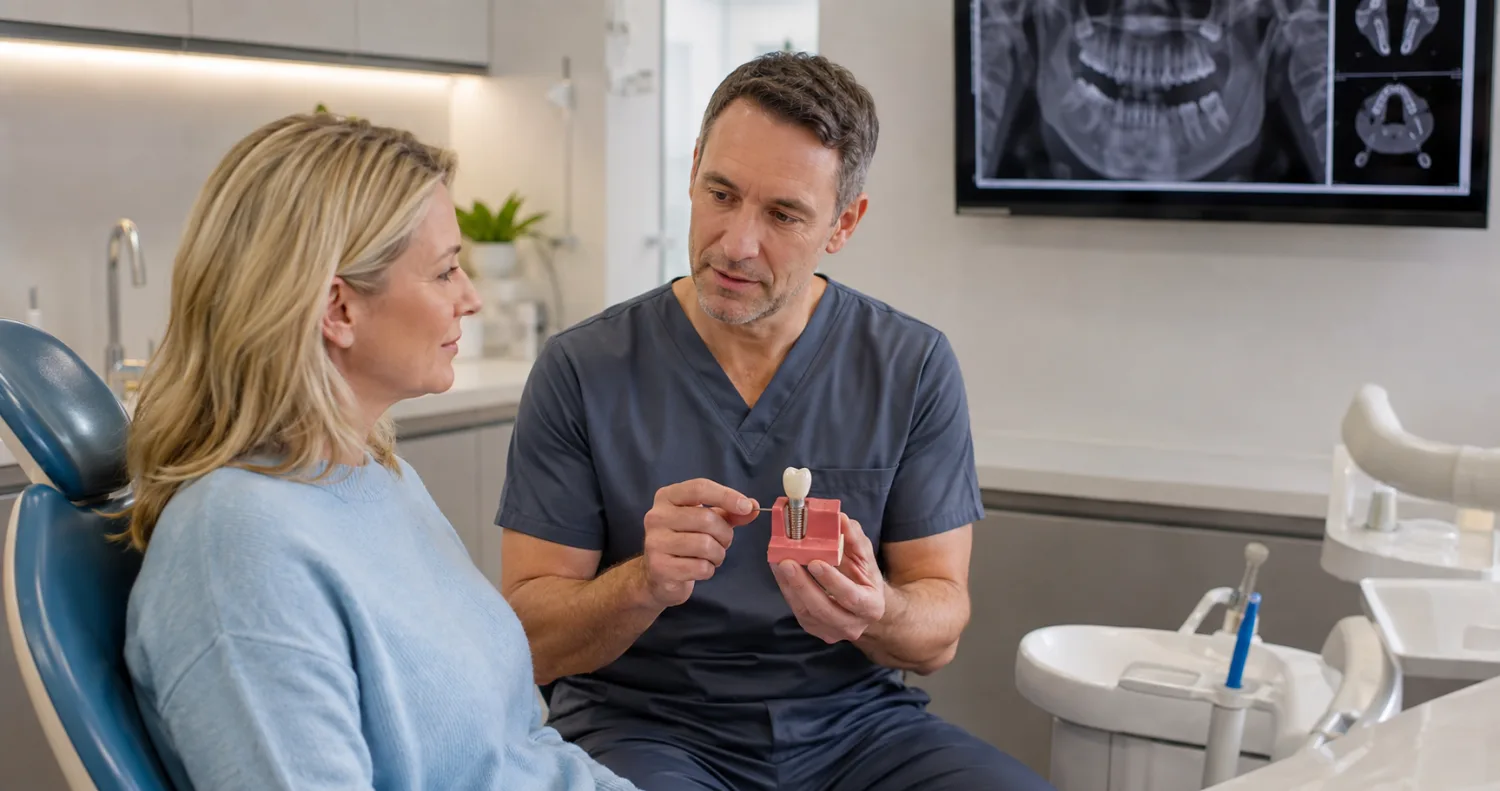
Private emergency dentistry may be useful if you need faster access, cannot find an NHS urgent appointment, want a longer appointment, need treatment at a specific time, or prefer to attend a particular private clinic. Private care may also offer more choice around materials, cosmetic repairs or longer-term treatment planning.
The trade-off is cost. Private emergency care can become expensive if the appointment leads to X-rays, treatment and follow-up work. This does not mean private treatment is bad value, but it does mean you should ask for clear prices.
In practice, the best option depends on urgency, symptoms, availability and budget. If you have facial swelling, severe pain or a knocked-out tooth, speed matters. If symptoms are less severe, you may have more time to compare fees and options.
What questions to ask before booking privately
Before booking a private same-day emergency dentist, ask what the initial fee includes. This is the simplest way to avoid surprise costs.
Useful questions include:
- How much is the emergency appointment?
- Does that include X-rays if needed?
- Does it include temporary treatment or only assessment?
- What are your prices for a temporary filling, extraction or prescription?
- Will I get a written estimate before treatment?
- Is there an extra charge for evenings, weekends or bank holidays?
- If the tooth needs root canal treatment or a crown later, what are the likely costs?
- Do you offer payment plans, and are there credit checks or interest charges?
Also ask whether the practice can actually treat the likely problem on the day. Some clinics may offer same-day assessment but not complex treatment. For example, a practice may be able to dress a painful tooth but refer you elsewhere for surgical extraction or specialist root canal treatment.
If cost is a major concern, say so before treatment begins. A good dentist should explain urgent short-term options as well as longer-term ideal treatment.
What can an emergency dentist do on the day?
An emergency dentist’s first aim is to diagnose the problem and make you safe and more comfortable. The exact treatment depends on the cause.
For toothache, they may examine the tooth, take an X-ray, adjust the bite, place a temporary filling, treat decay, dress the tooth, prescribe medication if appropriate, begin root canal treatment, or remove the tooth if it cannot be saved.
For a dental abscess, treatment may involve draining infection, opening the tooth, extracting the tooth, pain relief advice or antibiotics if there are signs of spreading infection. Antibiotics alone are not usually a full solution because the source of infection often needs dental treatment.
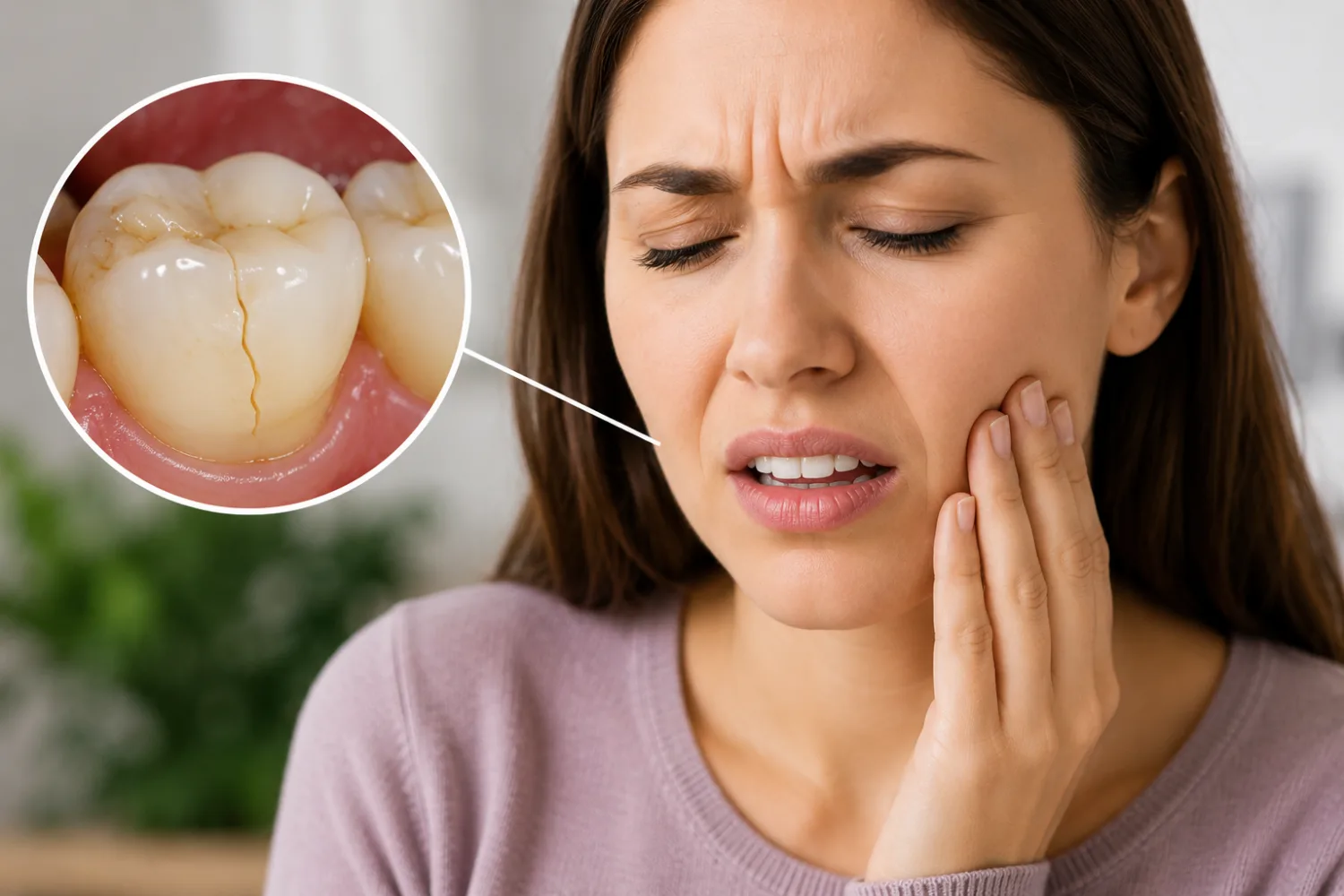
For a broken or cracked tooth, treatment may involve smoothing sharp edges, temporary repair, bonding, a filling, crown planning, root canal assessment or extraction if the crack is severe. If your issue is pain when biting or a suspected crack, see our guide to cracked tooth syndrome.
For a knocked-out adult tooth, emergency care is time-critical. The dentist may try to reimplant and splint the tooth if appropriate. Our guide to knocked-out tooth first aid explains what to do immediately before you reach the dentist.
Emergency dentist costs by problem
The same symptom can have different costs because the underlying problem may be different. “Toothache” might be a small cavity, a deep infection, a cracked tooth, gum infection, wisdom tooth problem or sinus-related pain.
Here is how costs often vary by problem:
- Severe toothache: may need examination, X-ray, temporary dressing, filling, root canal treatment or extraction.
- Dental abscess: may need drainage, root canal treatment, extraction or medication as part of care.
- Broken tooth: may need smoothing, temporary repair, filling, bonding, crown or extraction.
- Lost filling or crown: may need temporary repair, recementing, a new filling, new crown or further treatment if decay is present.
- Wisdom tooth pain: may need cleaning, medication, X-rays, extraction or referral for surgical removal.
- Knocked-out tooth: may need urgent reimplantation, splinting, X-rays and later root canal treatment.
The emergency appointment may only be the first step. This is especially true for root canal treatment, crowns, implants, dentures and bridges. The dentist should explain what is urgent today and what can be planned later.
If your problem is a lost restoration, our guide to lost fillings and crowns explains what to do before you are seen. If the tooth is badly broken, see broken tooth: what to do.
Can you spread the cost of emergency dental treatment?
Some private dental practices offer payment plans or finance for larger treatment plans, but this is less common for small emergency appointments. Emergency consultations and temporary treatment often need to be paid on the day.
For larger treatment, such as root canal treatment, crowns, implants or multiple extractions, a practice may offer staged payments, 0% finance or third-party credit. Always check the total cost, interest rate, missed payment rules and whether a credit check is required.
Dental insurance and dental payment plans may help some people, but they often have exclusions, waiting periods, annual limits or rules around emergency treatment. If you already have a policy, check whether emergency care, out-of-hours treatment, temporary repairs or private treatment are covered before assuming the insurer will pay.
If you are considering ongoing cover, see our guides to dental insurance in the UK and dental payment plans.
How to reduce the chance of emergency dental costs
Not every dental emergency can be prevented, but many expensive urgent problems start as smaller issues. Regular check-ups help dentists catch decay, gum disease, cracked fillings and failing crowns before they become painful. If you have not had a check-up for a while, our guide to dental check-ups explains what to expect.
Do not ignore early warning signs. Sensitivity, bleeding gums, food trapping, pain when biting, a rough edge, bad taste, swelling or a loose filling should be checked before they turn into weekend emergencies.
Good daily care also matters. Brush twice daily with fluoride toothpaste, clean between teeth, reduce frequent sugar intake, avoid chewing hard objects, wear a sports mouthguard for contact sports, and ask about a night guard if you grind your teeth.
If you have a history of dental abscesses, broken teeth, gum disease, dry mouth or many old fillings, you may be at higher risk of emergency treatment. In that case, prevention and planned dentistry are usually cheaper than waiting for pain.
When not to wait because of cost
Cost worries are real, but some dental symptoms should not be delayed. Infection, trauma and severe swelling can become serious.
Seek urgent advice if you have facial swelling, fever, severe worsening pain, pus, a bad taste with swelling, difficulty opening your mouth, difficulty swallowing, bleeding that will not stop, a knocked-out adult tooth, or trauma affecting the jaw or face.
NHS guidance on dental abscess advises asking for an urgent dentist appointment or getting help from NHS 111, and says not to go to a GP surgery because GPs cannot provide dental treatment.
Call 999 or go to emergency care if swelling affects breathing, swallowing or the eye area, or if you feel severely unwell with signs of spreading infection.
If you are unsure whether your symptoms are urgent, it is better to ask for advice than to wait until the problem becomes harder and more expensive to treat.
FAQ
How much is an emergency dentist on the NHS?
In England, urgent NHS dental treatment currently costs £27.90 for adults who pay NHS dental charges. This covers urgent care to deal with the immediate problem. Further treatment may involve another NHS band charge depending on what is needed.
How much is a private emergency dentist?
A private emergency appointment may cost around £50 to £180 for the consultation, although prices vary. X-rays, treatment, prescriptions, fillings, extraction or root canal treatment may cost extra.
Can I get an NHS emergency dentist appointment today?
Sometimes. Contact your usual dentist first if you have one. If you cannot get help, call NHS 111 or use 111 online. Depending on symptoms, urgent dental care may be offered within 24 hours or 7 days.
What if I have knocked out an adult tooth?
This is a dental emergency. NHS guidance says emergency dental care should be offered within 1 hour or as soon as possible. Put the tooth back in the socket if you can, or keep it in milk, and get urgent dental help immediately.
Does an emergency dentist appointment include treatment?
Not always. On the NHS, urgent care covers treatment needed to deal with the immediate problem. Privately, the appointment fee may cover assessment only, with X-rays and treatment charged separately.
Will antibiotics fix a dental emergency?
Not usually on their own. Antibiotics may help some spreading infections, but dental infections often need treatment to remove the source, such as drainage, root canal treatment or extraction.
Can I go to A&E for toothache?
Most toothache needs a dentist, not A&E. Use NHS 111 if you need urgent dental help and cannot access a dentist. Go to emergency care or call 999 for serious swelling, breathing or swallowing problems, heavy bleeding, serious trauma or severe illness.
Is private emergency dental treatment worth it?
It may be worth it if you need faster access, cannot find NHS urgent care, need a specific appointment time, or want more treatment choice. The main downside is cost, so ask for clear prices before treatment starts.
Can an emergency dentist remove a tooth on the same day?
Sometimes, yes, if extraction is clinically appropriate and safe. Complex or surgical extractions may need referral or a longer appointment.
Can an emergency dentist do a root canal on the same day?
They may be able to start root canal treatment or place a dressing to relieve pain, but full root canal treatment may need one or more planned appointments depending on the tooth and complexity.
What should I ask before booking a private emergency dentist?
Ask the appointment fee, whether X-rays are included, whether treatment is included, what common emergency treatments cost, whether there are out-of-hours fees, and whether you will receive a written estimate before treatment.
How can I avoid emergency dental bills?
Regular check-ups, early treatment of small problems, good home care, fluoride toothpaste, interdental cleaning, avoiding hard objects, and wearing a mouthguard for sport can all reduce the risk of urgent dental treatment.