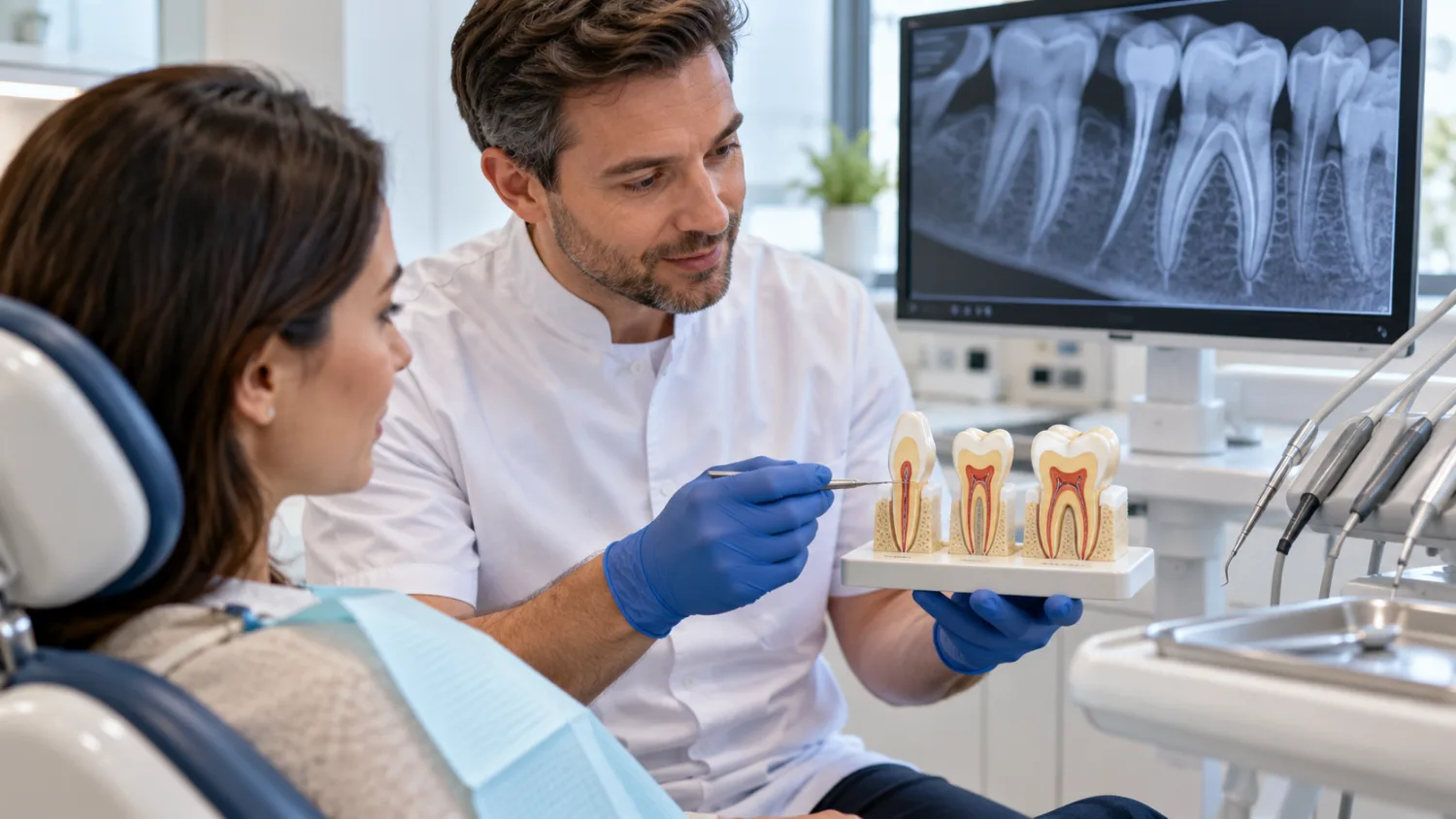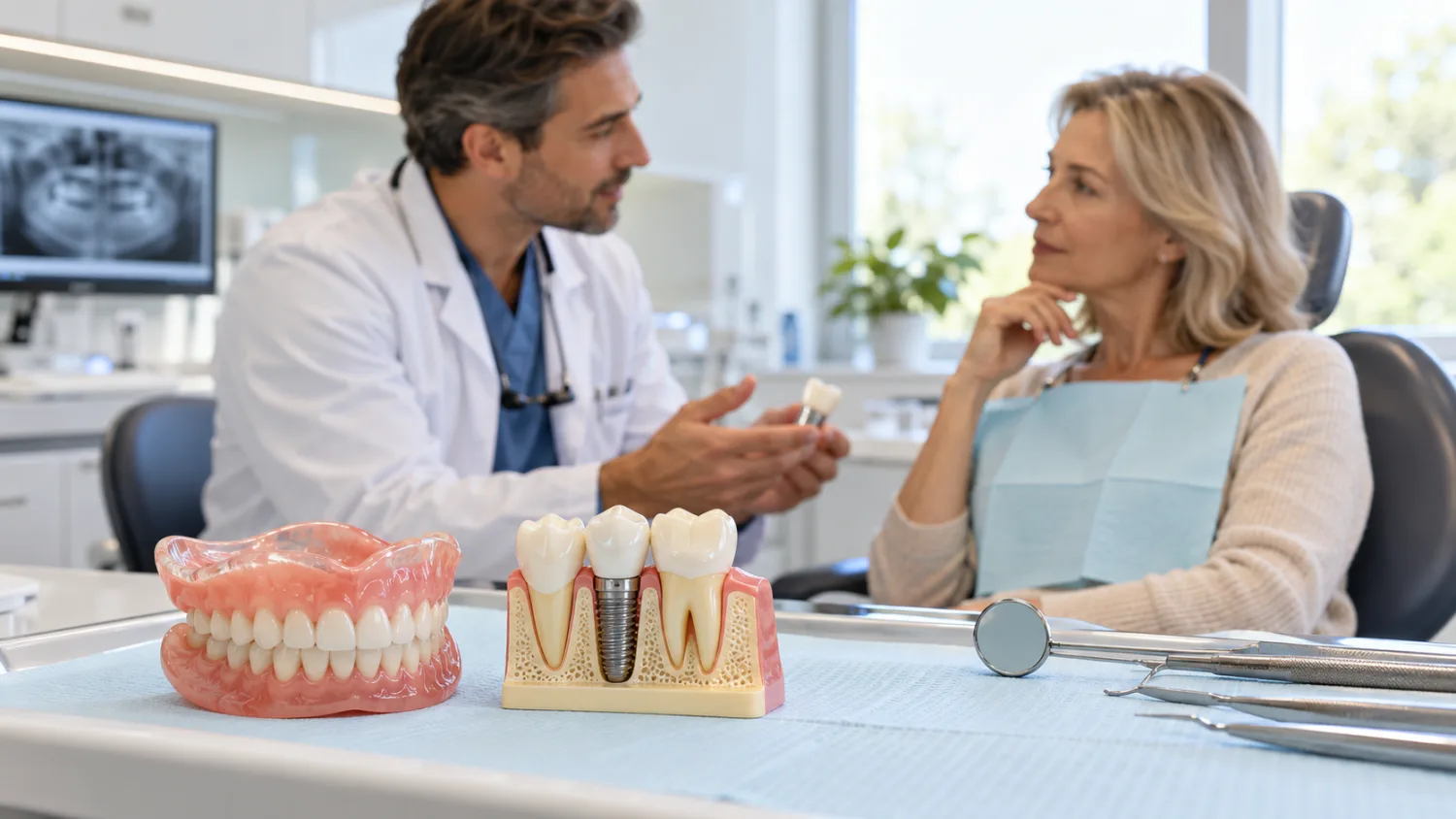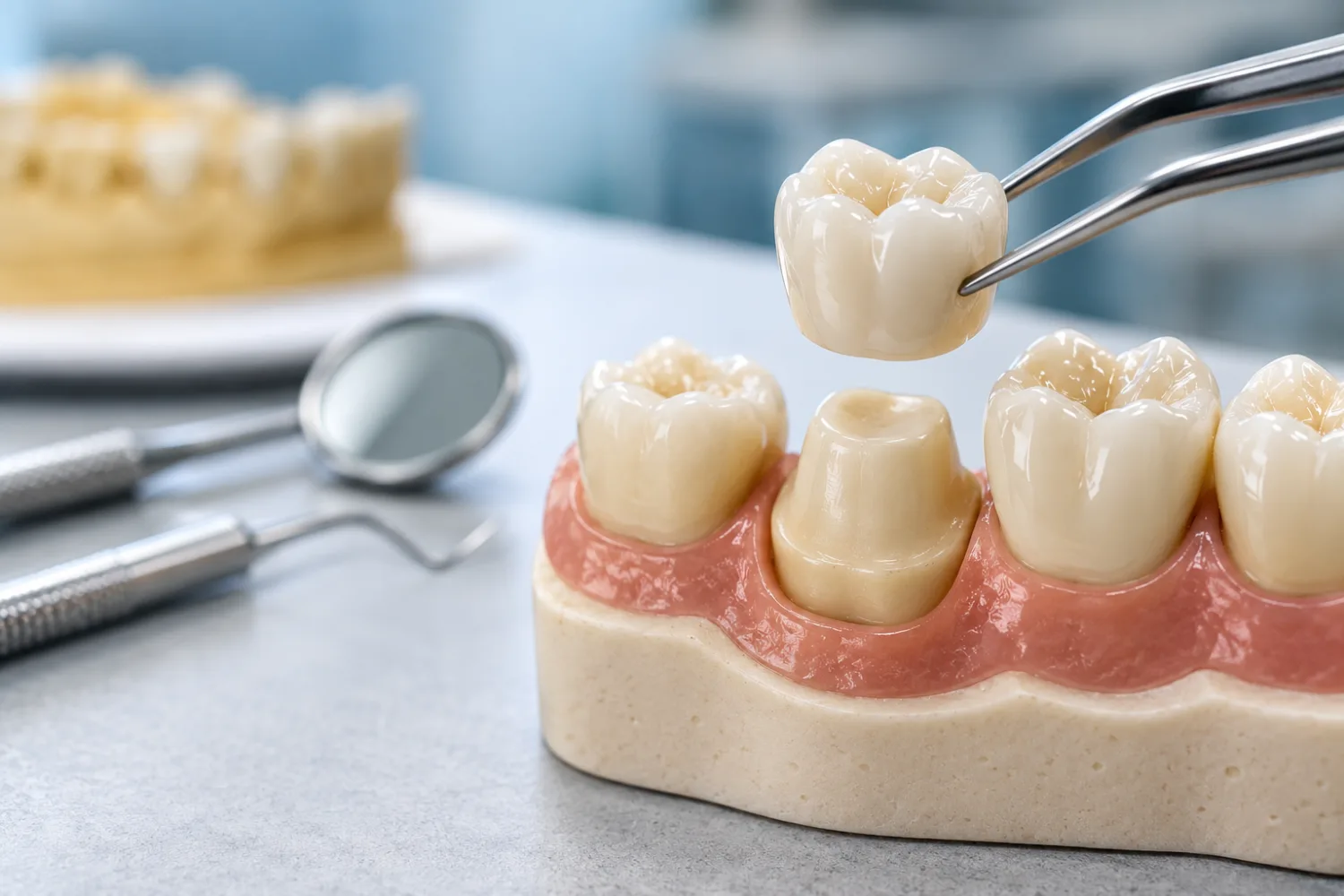
A dental crown is one of the most common ways to repair and protect a damaged tooth. If a tooth is cracked, heavily filled, badly worn, root-filled or too broken down for a normal filling, your dentist may recommend a crown to cover and strengthen it.
Crowns can be very useful, but they are also more involved than a simple filling. They usually require tooth preparation, impressions or digital scans, laboratory work and future maintenance. A crown can protect a tooth for many years, but it is not indestructible and it does not make the tooth immune to decay or gum problems.
This guide explains what dental crowns are, when they are needed, the different types of crowns, how much crowns cost in the UK, whether crowns are available on the NHS, what the procedure involves, how long crowns last, the risks, and what alternatives may be worth considering.
If you are comparing dental practices before treatment, you may also find our guide to what makes a good dental practice helpful. For related dental problems, see our guides to root canal treatment, tooth decay, private dentist prices in the UK and veneers in the UK.
Quick summary
- A dental crown is a cap that covers a damaged, weakened or heavily restored tooth.
- Crowns may be used after root canal treatment, large fillings, cracks, fractures, severe wear or major tooth damage.
- NHS crowns in England fall under Band 3 treatment, which is £332.10 from 1 April 2026.
- Private crowns in the UK often cost around £500 to £1,200+ per tooth, depending on material, clinic and complexity.
- Common crown materials include metal, porcelain-fused-to-metal, ceramic, zirconia and gold.
- A crown usually takes two appointments, although some clinics offer same-day crowns using digital technology.
- Crowns can last 10 to 15 years or longer, but they may chip, loosen, wear, decay at the edges or need replacement.
- Alternatives may include fillings, onlays, veneers, root canal treatment, extraction, bridges or implants, depending on the tooth.
What is a dental crown?
A dental crown is a custom-made cover that fits over a tooth. It is sometimes called a “cap”. The crown covers the visible part of the tooth above the gumline and is shaped to look and function like a natural tooth.
A crown may be used to protect a weak tooth, restore a broken tooth, cover a heavily filled tooth, strengthen a root-filled tooth, improve the shape of a tooth or form part of a bridge or implant restoration.
NHS information describes a crown as a type of cap that completely covers a real tooth. The NHS also explains that crowns are usually available on the NHS when clinically necessary, unlike treatments such as teeth whitening, implants and veneers, which are generally exceptions. You can read more on the NHS dental treatments page.
When might you need a dental crown?
A crown may be recommended when a tooth needs more protection than a normal filling can provide. The aim is usually to preserve the tooth and reduce the risk of further fracture.
Common reasons for needing a crown include:
- A large filling that has weakened the remaining tooth.
- A tooth that has cracked or fractured.
- A back tooth that has had root canal treatment.
- Severe tooth wear from grinding, acid erosion or bite problems.
- A broken tooth that cannot be restored reliably with a filling alone.
- A tooth with a large area of decay after the decay has been removed.
- A misshapen tooth that needs restoring for function or appearance.
- A tooth used to support a dental bridge.
- A dental implant that needs a crown attached to it.
Crowns are common, but they should still be carefully justified. A good dentist should explain why a filling, onlay or other option is not enough before recommending a crown.
Are dental crowns available on the NHS?
Yes, dental crowns are usually available on the NHS when they are clinically necessary. In England, crowns fall under NHS Band 3 treatment. From 1 April 2026, Band 3 is £332.10. Band 3 includes all items in Bands 1 and 2, plus treatments such as crowns, inlays, onlays, dentures and bridges. You can check current charges on the NHS dental treatment costs page.
NHS crowns are intended to restore teeth where there is a clinical need. They are not usually provided purely for cosmetic preference. The material used may depend on the tooth, clinical need, NHS availability and your dentist’s judgement.
If you are offered a private crown at a mixed NHS/private practice, ask:
- Is a crown clinically necessary?
- Is an NHS crown available for this tooth?
- What crown material would be used on the NHS?
- Why is a private crown being recommended?
- What are the differences in cost, appearance, strength and lifespan?
How much does a dental crown cost privately in the UK?
Private dental crowns in the UK often cost around £500 to £1,200+ per tooth. Some crowns may cost less, and premium cosmetic or specialist crowns may cost more.
The cost depends on the material, the clinic, the dentist’s experience, the dental laboratory, the tooth position, the condition of the tooth and whether extra work is needed.
| Crown type | Typical private UK cost range | Common use |
|---|---|---|
| Metal crown | Approximately £500 to £900+ | Often used for back teeth where strength matters more than appearance. |
| Porcelain-fused-to-metal crown | Approximately £550 to £1,000+ | Used for strength with a tooth-coloured outer layer. |
| All-ceramic crown | Approximately £650 to £1,200+ | Often used for visible teeth where appearance is important. |
| Zirconia crown | Approximately £650 to £1,200+ | Strong tooth-coloured option used for front or back teeth. |
| Gold crown | Approximately £700 to £1,300+ | Durable option for back teeth; cost depends partly on gold price. |
| Same-day CAD/CAM crown | Approximately £600 to £1,200+ | Made digitally in the clinic, often fitted in one visit. |
| Implant crown | Often £800 to £1,500+ for the crown part | Attached to a dental implant; not the same as the full implant cost. |
These are broad guide prices only. Always ask for a personalised written quote, especially if you need root canal treatment, a post, core build-up, temporary crown or gum treatment first.
Why do private crown prices vary?
Crown prices vary because a crown is not just a product. It is a clinical procedure involving diagnosis, tooth preparation, scans or impressions, temporary protection, laboratory work, fitting and aftercare.
Prices may vary because of:
- Material: ceramic, zirconia, porcelain-fused-to-metal, metal and gold all have different costs.
- Tooth position: front teeth may need more aesthetic work; back teeth need strong bite resistance.
- Complexity: broken, root-filled or heavily decayed teeth may need extra rebuilding.
- Laboratory quality: skilled technicians and high-quality ceramics cost more.
- Digital technology: some clinics use digital scans and same-day milling systems.
- Dentist experience: cosmetic or specialist restorative work may cost more.
- Location: private fees are often higher in London and larger cities.
- Aftercare: reviews, adjustments or guarantees may be included or separate.
What should be included in a crown quote?
Before agreeing to a private crown, ask what is included. A clear quote should explain:
- Consultation and assessment.
- X-rays, if needed.
- Tooth preparation.
- Core build-up, if needed.
- Post, if needed.
- Temporary crown.
- Digital scan or impression.
- Laboratory-made crown or same-day crown production.
- Fitting appointment.
- Adjustment appointment, if needed.
- Review appointment.
- What happens if the crown feels high, comes loose or chips.
Some quotes may not include root canal treatment, gum treatment, tooth extraction, whitening, night guards or future maintenance. Ask before treatment starts.
Types of dental crowns
There are several types of dental crowns. The best option depends on the tooth, bite, appearance, budget and clinical situation.
Metal crowns
Metal crowns are strong and durable. They are often used for back teeth where appearance is less important. They require less removal of tooth structure than some other crown types and can be very long-lasting.
The main downside is appearance. Metal crowns are not tooth-coloured, so many patients prefer them only for molars that are not visible when smiling.
Gold crowns
Gold crowns are a type of metal crown. They are highly durable, gentle on opposing teeth and often perform well on back teeth. Despite the name, dental gold is usually an alloy rather than pure gold.
Gold crowns are not tooth-coloured and can be expensive, but they remain a strong option for people who prioritise function and longevity over appearance.
Porcelain-fused-to-metal crowns
Porcelain-fused-to-metal crowns, often called PFM crowns, have a metal base covered with tooth-coloured porcelain. They combine strength with a more natural appearance than metal alone.
They have been widely used for many years. However, the porcelain can chip, and a dark line may sometimes appear near the gum if the gum recedes.
All-ceramic crowns
All-ceramic crowns are made entirely from tooth-coloured ceramic material. They are often used for front teeth because they can look very natural.
They may not always be the strongest choice for heavy grinding or very high bite forces, depending on the ceramic used and the clinical situation.
Zirconia crowns
Zirconia crowns are strong tooth-coloured crowns. They can be used for both front and back teeth and are popular because they combine durability with acceptable aesthetics.
Highly translucent zirconia can look more natural than older opaque zirconia, but the best material depends on the tooth and the desired result.
Resin crowns
Resin crowns are usually used as temporary crowns rather than long-term final restorations. They are less durable than ceramic or metal crowns and may wear or fracture more easily.
Same-day crowns
Some private clinics offer same-day crowns using digital scans and in-practice milling technology. Instead of taking impressions and waiting for a dental laboratory, the crown is designed and made during the appointment.
Same-day crowns can be convenient, but they are not suitable for every case. Complex aesthetic front teeth, very difficult bites or specialist cases may still benefit from laboratory-made crowns.
Which crown material is best?
There is no single best crown material for everyone. The right material depends on the tooth, bite, appearance, budget and clinical need.
| Priority | Often considered | Why |
|---|---|---|
| Maximum strength for a back tooth | Gold, metal or zirconia | These materials are strong and suitable for heavy chewing forces. |
| Natural appearance for a front tooth | All-ceramic or aesthetic zirconia | These can be made to look more like natural enamel. |
| Balanced strength and appearance | Zirconia or porcelain-fused-to-metal | Useful where both durability and tooth colour matter. |
| Lower-cost private option | Varies by clinic | Ask what material is being used and what the limitations are. |
| NHS clinically necessary crown | Depends on tooth and clinical judgement | Your dentist should explain what is available and appropriate. |
A good dentist should explain why they recommend a particular crown material for your tooth.
Dental crown vs filling
A filling repairs part of a tooth. A crown covers and protects the tooth more extensively.
A filling may be enough if the cavity or break is small to moderate and there is plenty of strong tooth remaining. A crown may be needed if the tooth is badly weakened, cracked, root-filled or heavily restored.
Crowns usually require more tooth preparation than fillings. That is why dentists should not recommend a crown if a simpler filling would be reliable.
Dental crown vs onlay
An onlay is a custom-made restoration that covers part of the tooth, often including one or more biting surfaces. It is sometimes used when a filling is not strong enough but a full crown may remove more tooth than necessary.
Onlays can be made from ceramic, composite or metal. They may be a more conservative alternative to a crown in suitable cases.
Dental crown vs veneer
A veneer usually covers the front surface of a tooth. A crown covers most or all of the visible tooth.
Veneers are usually used for cosmetic changes to front teeth, while crowns are usually used when a tooth needs strength and protection. Crowns require more tooth reduction than veneers in many cases.
If you are comparing cosmetic options, read: Veneers in the UK: Composite vs Porcelain, Cost and Risks.
Dental crown vs implant crown
A normal dental crown sits on a natural tooth. An implant crown sits on a dental implant, which is an artificial root placed in the jawbone.
If your tooth can be saved, a crown may be part of saving it. If the tooth cannot be saved and is removed, an implant crown may be one possible way to replace it.
Implant treatment is much more involved and usually costs significantly more. Read more: Dental Implants in the UK: Costs, Procedure, Risks and Alternatives.
The dental crown procedure: step by step
The crown process usually takes two appointments, although same-day crowns may be possible at some clinics.
1. Examination and diagnosis
The dentist examines the tooth, checks your bite and may take X-rays. They will assess whether the tooth is suitable for a crown or whether another treatment is needed first.
Important questions include:
- Is the tooth alive or root-filled?
- Is there decay under an old filling?
- Is the tooth cracked?
- Is there enough tooth structure left?
- Is the gum healthy?
- Is the bite putting too much pressure on the tooth?
2. Discussion of options and costs
Your dentist should explain why a crown is recommended, what material is suitable, what the alternatives are and what it will cost. The General Dental Council says dental professionals must obtain valid consent before treatment, explaining relevant options and possible costs.
You can read the GDC standard on consent here: GDC Standards: Obtain valid consent.
3. Numbing the tooth
Local anaesthetic is usually used before crown preparation, unless the tooth has already had root canal treatment and no anaesthetic is needed. The aim is to keep the appointment comfortable.
4. Tooth preparation
The dentist reshapes the tooth so the crown can fit over it. The amount removed depends on the crown material, tooth condition and bite.
If a tooth is very broken down, the dentist may need to build it up first with a core material. If very little tooth remains, a post may sometimes be placed into a root-filled tooth to help support the core.
5. Scan or impression
The dentist takes a digital scan or a traditional impression so the crown can be made to fit your tooth and bite.
6. Temporary crown
If the final crown is being made in a dental laboratory, a temporary crown is usually placed to protect the tooth until the fitting appointment.
Temporary crowns are not as strong as final crowns. You may be advised to avoid sticky or very hard foods until the final crown is fitted.
7. Laboratory work
A dental technician makes the crown using the chosen material. The crown must fit the prepared tooth, contact neighbouring teeth correctly and meet the opposing tooth comfortably.
8. Crown fitting
At the fitting appointment, the dentist removes the temporary crown, checks the final crown, adjusts it if needed and cements or bonds it in place.
9. Bite check
Your dentist checks how your teeth meet. If the crown feels high, it may need adjustment. A high crown can cause soreness, sensitivity or bite discomfort.
10. Review and maintenance
You may need a review appointment, especially if the crown feels uncomfortable, the bite is not right or the tooth was previously painful.
Does getting a crown hurt?
Crown preparation should not be painful because local anaesthetic is usually used. You may feel pressure, vibration and water spray during the appointment.
After treatment, the tooth or gum may feel sensitive for a few days. Sensitivity can also occur while wearing a temporary crown. If pain is severe, worsening or triggered by biting, contact your dentist.
How long does a dental crown take?
Traditional crowns usually take two appointments over one to three weeks. The first appointment prepares the tooth and takes a scan or impression. The second appointment fits the final crown.
Same-day crowns can sometimes be made and fitted in one visit using digital technology. This is convenient but not suitable for every case.
How long do dental crowns last?
Dental crowns often last around 10 to 15 years, and some last longer. However, lifespan depends on the tooth, material, bite, oral hygiene, gum health and habits such as grinding.
A crown may fail earlier if:
- Decay develops at the edge of the crown.
- The tooth underneath cracks.
- The crown chips or fractures.
- The crown becomes loose.
- Gum disease affects the supporting tissues.
- The bite places too much pressure on the crown.
- You grind or clench heavily.
- Oral hygiene is poor.
A crown protects a tooth, but it does not make it invincible. The tooth underneath still needs care.
How to look after a dental crown
A crowned tooth should be cleaned like a natural tooth. The crown itself cannot decay, but the tooth at the crown edge can.
To help your crown last:
- Brush twice daily with fluoride toothpaste.
- Clean between your teeth every day.
- Pay attention to the gumline around the crown.
- Attend regular dental check-ups.
- See a hygienist if advised.
- Avoid using teeth to open packaging.
- Avoid chewing very hard objects such as ice or pens.
- Wear a night guard if you grind and your dentist recommends one.
- Contact your dentist if the crown feels loose, high or painful.
Can a crown get decay underneath?
Yes. The crown material itself cannot decay, but natural tooth remains underneath and around the crown margins. If plaque collects around the edge, decay can develop where the crown meets the tooth.
Decay under a crown can be difficult to spot early, which is why check-ups and X-rays may be important. If decay becomes severe, the crown may need to be removed, replaced or the tooth may need root canal treatment or extraction.
Can a crown fall off?
Yes, a crown can come loose or fall off. This may happen because of cement failure, decay underneath, a short tooth, heavy bite forces, trauma or the crown reaching the end of its lifespan.
If a crown comes off:
- Keep the crown safe.
- Contact your dentist as soon as possible.
- Do not use household glue.
- Avoid chewing on the exposed tooth.
- Keep the area clean.
Sometimes the crown can be recemented. If there is decay, fracture or poor fit, a new crown or different treatment may be needed.
Can a crown chip or break?
Yes. Porcelain and ceramic crowns can chip or fracture. Composite repairs may sometimes be possible, but larger fractures often require replacement.
Metal and gold crowns are less likely to chip, but they are not tooth-coloured. Zirconia is strong, but no crown material is completely unbreakable.
Can a crowned tooth need root canal treatment?
Yes. Sometimes a tooth becomes painful or infected after a crown, especially if it was already heavily filled, cracked or close to the nerve. If the nerve inside the tooth becomes inflamed or infected, root canal treatment may be needed.
In some cases, root canal treatment can be done through the crown. In other cases, the crown may need replacing afterwards.
Read more: Root Canal Treatment Explained.
Risks and disadvantages of dental crowns
Crowns can be very effective, but they have risks and downsides.
- Tooth preparation: crowns require removing some tooth structure.
- Sensitivity: teeth may be sensitive after preparation or fitting.
- Nerve problems: some crowned teeth later need root canal treatment.
- Decay: decay can occur at the crown edge.
- Gum irritation: poor fit or difficult cleaning can irritate gums.
- Chipping: porcelain or ceramic can chip.
- Loose crown: crowns can debond or fall off.
- Bite problems: a high crown can cause discomfort.
- Replacement: crowns do not last forever and may need replacing.
- Cost: private crowns can be expensive.
A good dentist should explain these risks before treatment and discuss whether a less invasive option is suitable.
Alternatives to dental crowns
A crown is not always the only option. The best alternative depends on the tooth and the problem being treated.
Filling
A filling may be suitable if there is enough strong tooth remaining. It is usually cheaper and less invasive than a crown.
Onlay or inlay
An onlay or inlay may be used when a filling is not strong enough but a full crown may be more than the tooth needs. This can preserve more natural tooth structure in selected cases.
Composite bonding
For small chips, worn edges or cosmetic shape changes, composite bonding may be more conservative than a crown. It is not suitable for heavily broken or weakened teeth.
Read more: Composite Bonding in the UK.
Veneer
A veneer may be suitable for some front teeth where the main issue is appearance and the tooth is otherwise strong. Veneers usually cover less tooth than crowns, but they are not suitable for every damaged tooth.
Root canal treatment
If the tooth nerve is infected, root canal treatment may be needed before a crown. In some cases, root canal treatment and a crown together can save a tooth that might otherwise be extracted.
Extraction
If a tooth is too badly broken, decayed or cracked to restore predictably, extraction may be the safest option. Replacement options may include a denture, bridge or dental implant.
Bridge or implant
If the tooth is removed, a bridge or implant may be considered to replace it. These are different treatments with different costs, risks and maintenance needs.
Questions to ask before getting a crown
Before agreeing to a dental crown, ask your dentist:
- Why do I need a crown?
- Is a filling or onlay possible instead?
- Is the tooth cracked or heavily weakened?
- Does the tooth need root canal treatment first?
- What type of crown do you recommend and why?
- Is this available on the NHS?
- What would the private option cost?
- How much tooth will be removed?
- How long should the crown last?
- What are the risks in my case?
- Will I need a temporary crown?
- What happens if the crown comes loose or chips?
- Will I need a night guard?
- Can I have a written treatment plan?
Red flags to watch out for
Be cautious if a clinic or dentist:
- Recommends a crown without explaining why.
- Does not discuss simpler alternatives.
- Cannot explain NHS vs private options clearly.
- Refuses to provide a written quote for private treatment.
- Promises a crown will last forever.
- Does not explain risks such as sensitivity, decay or root canal treatment.
- Pressures you to decide immediately for non-urgent treatment.
- Recommends multiple crowns after a very short consultation.
- Uses cosmetic before-and-after images without explaining maintenance and risks.
If you are unsure, consider a second opinion, especially before multiple crowns, cosmetic crowns or full-mouth treatment.
When should you get a second opinion?
A second opinion can be useful if:
- You have been told you need several crowns.
- The treatment is expensive.
- The tooth does not hurt and you do not understand why a crown is needed.
- You are being offered crowns for cosmetic reasons.
- You are unsure whether the tooth can be saved.
- You have been told extraction is the only option.
- You feel pressured to decide quickly.
- The quote or treatment plan is unclear.
A good dentist should not be offended if you want time to think or seek another opinion before major treatment.
How to choose a dentist for crowns
Crown treatment is common, but it still requires careful diagnosis, preparation and fitting. A good dental practice should explain the reason for the crown, provide clear costs and check that you understand your options.
Look for:
- Clear explanation of diagnosis.
- X-rays or photos where helpful.
- Discussion of fillings, onlays and other alternatives.
- Transparent NHS/private options.
- Written treatment plan for private crowns.
- Good reviews mentioning communication and trust.
- Clear aftercare advice.
- No pressure selling.
You can browse local dental providers through All Health and Care, including our Top 10 Dentists in the UK and local pages such as Top 10 Dentists in London.
Final thoughts
Dental crowns are a valuable treatment for protecting and restoring damaged teeth. They can help save teeth that might otherwise break further or need extraction. But crowns are not a casual cosmetic upgrade, and they should not be placed without a clear reason.
Before agreeing to a crown, make sure you understand why it is needed, what material is being used, whether it is NHS or private, what it will cost, what alternatives exist and how to look after it. A well-planned crown can last many years. A rushed or poorly explained crown can lead to avoidable cost, sensitivity and future repair work.
For more patient-friendly dental guides, visit our Dental Health & Dentistry section.
Frequently asked questions about dental crowns
What is a dental crown?
A dental crown is a custom-made cap that covers a damaged, weakened or heavily restored tooth. It helps restore shape, strength and function.
Why would I need a crown?
You may need a crown if a tooth is cracked, badly broken, heavily filled, root-filled, severely worn or too weak for a normal filling.
Are dental crowns available on the NHS?
Yes, crowns are usually available on the NHS when clinically necessary. In England, they fall under Band 3 treatment, which is £332.10 from 1 April 2026.
How much does a private crown cost in the UK?
Private crowns often cost around £500 to £1,200+ per tooth. The price depends on material, clinic, laboratory work, tooth condition and complexity.
How long do dental crowns last?
Crowns often last around 10 to 15 years, and some last longer. Lifespan depends on oral hygiene, bite, material, tooth condition and maintenance.
Does getting a crown hurt?
Crown preparation is usually done with local anaesthetic, so it should not be painful. Some sensitivity afterwards is possible.
How many appointments does a crown take?
Traditional crowns usually take two appointments. Some clinics offer same-day crowns using digital scanning and milling technology.
What is the best type of crown?
There is no single best crown for everyone. Metal and gold are strong for back teeth, ceramic can look very natural for front teeth, and zirconia offers strength with tooth-coloured appearance.
Are zirconia crowns good?
Zirconia crowns can be strong and tooth-coloured, making them useful for both front and back teeth. Suitability depends on your bite, tooth and cosmetic needs.
Are porcelain crowns good?
Porcelain or ceramic crowns can look very natural, especially on front teeth. They may be more prone to chipping than metal in some situations.
What is a porcelain-fused-to-metal crown?
It is a crown with a metal base and a tooth-coloured porcelain outer layer. It combines strength with better appearance than metal alone.
Is a crown better than a filling?
A crown may be better if the tooth is weak, cracked or heavily filled. A filling may be better for smaller cavities because it is less invasive.
Is a crown better than an onlay?
Not always. An onlay may preserve more tooth structure in some cases. A crown may be better when the tooth needs more complete coverage.
Can a crown get decay underneath?
Yes. The crown material cannot decay, but the natural tooth at the crown edge can. Good cleaning and regular check-ups are important.
Can a crown fall off?
Yes. A crown can come loose because of cement failure, decay, trauma or bite forces. Contact your dentist and do not use household glue.
Can a crown be repaired?
Minor chips may sometimes be repaired, especially in porcelain or composite areas. Larger fractures or poor fit may require a new crown.
Can a crowned tooth still need root canal treatment?
Yes. If the nerve inside the tooth becomes inflamed or infected, root canal treatment may be needed even after a crown has been fitted.
Do I need a crown after root canal treatment?
Many back teeth need crowns after root canal treatment because they are more likely to fracture. Front teeth may not always need crowns. Your dentist should explain your specific case.
Can I whiten a dental crown?
No. Whitening gel does not change the colour of crown material. If you whiten your natural teeth later, the crown may no longer match.
Should I whiten before getting a crown?
If you plan to whiten your teeth, it is often better to do this before a visible crown is made so the crown can be matched to the new shade.
Can crowns look natural?
Yes, especially ceramic and high-quality zirconia crowns. Natural appearance depends on material, shade matching, tooth position and laboratory work.
Can crowns cause gum problems?
Poorly fitting or bulky crowns can irritate gums. Plaque around crown edges can also contribute to gum inflammation. Good fit and cleaning are important.
What should I do if my crown feels high?
Contact your dentist. A high crown can cause discomfort, sensitivity or bite problems and may need adjustment.
What should I do if my crown is sensitive?
Mild sensitivity can settle, but persistent, worsening or biting pain should be checked by your dentist.
Can I eat normally with a crown?
Once the final crown is fitted and comfortable, you can usually eat normally. Avoid very hard objects and follow your dentist’s advice if you have a temporary crown.
How do I clean around a crown?
Brush twice daily with fluoride toothpaste and clean between teeth every day. Pay attention to the gumline and crown edges.
When should I get a second opinion about a crown?
Consider a second opinion if you are told you need several crowns, the treatment is expensive, you feel pressured or you do not understand why the crown is needed.