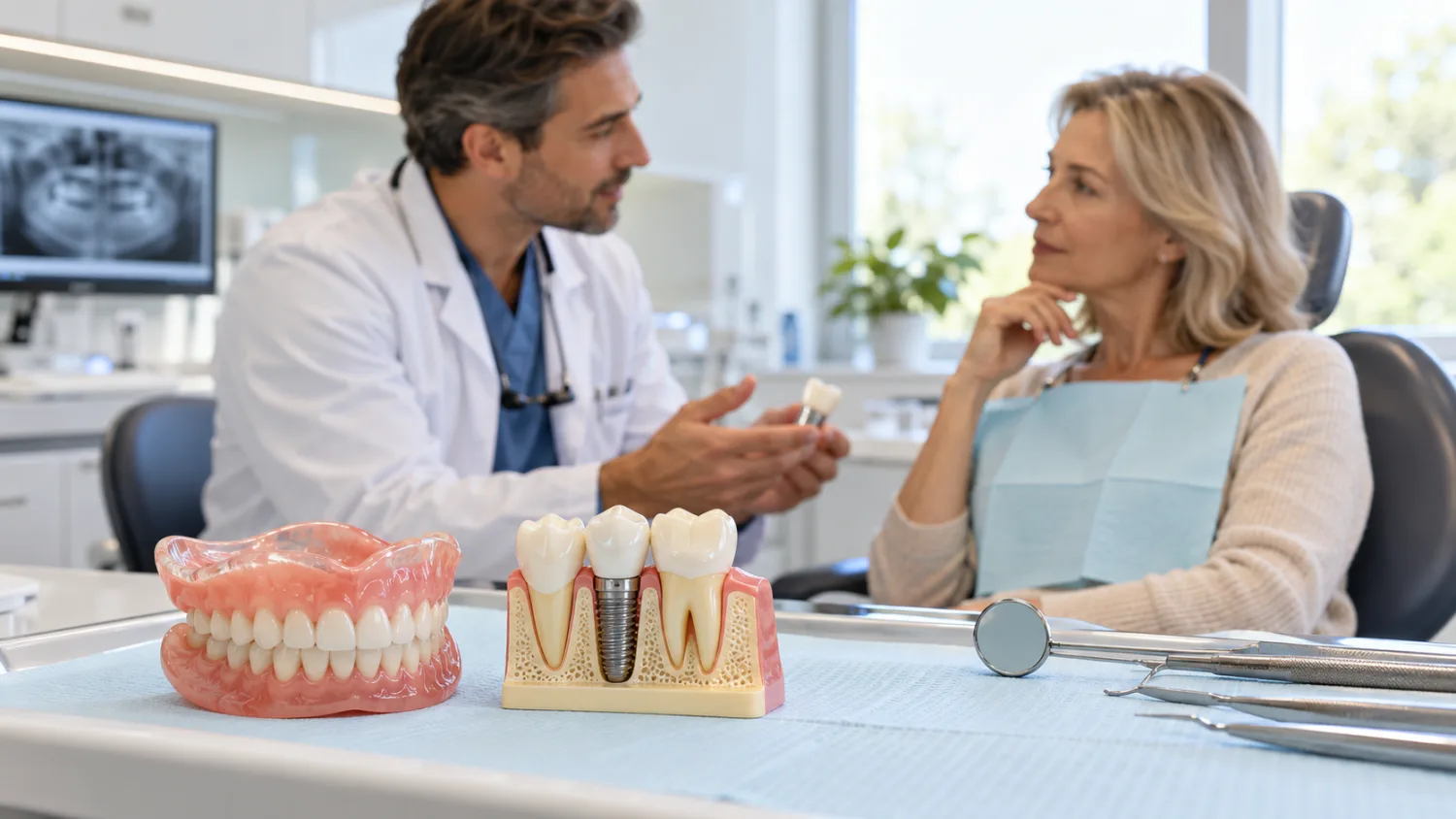
Composite bonding has become one of the most talked-about cosmetic dental treatments in the UK. It is often promoted as a quick way to improve chipped, worn, uneven, discoloured or slightly gappy teeth without drilling them down for crowns or porcelain veneers.
For the right person, composite bonding can be a conservative, natural-looking and relatively affordable way to improve a smile. But it is not magic, it is not permanent, and it is not suitable for every tooth or every bite. It needs careful planning, realistic expectations and ongoing maintenance.
This guide explains what composite bonding is, how much it costs in the UK, how long it lasts, who it is suitable for, the pros and cons, how it compares with veneers and whitening, and what to ask before booking treatment.
If you are comparing cosmetic and restorative dental options more widely, you may also find our guides to teeth whitening in the UK, NHS dentist vs private dentist, root canal treatment and dental implants in the UK useful.
Quick summary
- Composite bonding uses tooth-coloured resin to reshape, repair or improve the appearance of teeth.
- It is commonly used for chips, worn edges, small gaps, uneven teeth, minor shape changes and cosmetic smile improvements.
- In the UK, private composite bonding often costs around £150 to £500 per tooth, depending on complexity and location.
- Cosmetic composite bonding is usually private treatment, not NHS treatment.
- Composite bonding often lasts around 3 to 7 years, but this varies widely.
- It is less invasive than porcelain veneers, but it stains, chips and wears more easily.
- Good cleaning, sensible eating habits and regular polishing can help it last longer.
What is composite bonding?
Composite bonding is a dental treatment where a dentist applies a tooth-coloured resin material to the surface of a tooth, shapes it, hardens it with a special light and polishes it to blend with the surrounding teeth.
The material used is called dental composite. It is similar to the material used for many modern white fillings, but in cosmetic bonding it is carefully layered and shaped to improve the look of the tooth.
Composite bonding can be used to:
- Repair small chips.
- Smooth worn or uneven tooth edges.
- Close small gaps between teeth.
- Improve tooth shape.
- Make small teeth look more proportionate.
- Cover minor surface defects.
- Improve the appearance of slightly discoloured teeth.
- Create a more even smile line.
It is popular because it can often be completed in one appointment, usually without injections and often with little or no drilling of the natural tooth.
Composite bonding vs composite veneers: what is the difference?
The terms are sometimes used loosely, which can make things confusing.
Composite bonding usually refers to smaller additions of composite resin to repair or reshape parts of a tooth. For example, fixing a chipped edge or closing a small gap.
Composite veneers usually refer to composite resin being placed over most or all of the visible front surface of a tooth to change its colour, shape, size or symmetry more dramatically.
In reality, there is a spectrum. Some people have very minimal edge bonding. Others have full composite veneers on several front teeth. The more tooth surface that is covered, the more important planning, bite assessment, shade selection and maintenance become.
Is composite bonding cosmetic or restorative?
It can be either.
Composite bonding may be restorative when it repairs a chipped, cracked, worn or decayed tooth. In that situation, it is being used to restore function and protect the tooth.
It may be cosmetic when it is used mainly to improve appearance, such as changing tooth shape, closing small gaps or creating a more even smile.
This distinction matters because NHS dentistry generally covers clinically necessary dental care, not purely cosmetic improvements. The NHS explains that white fillings are available on the NHS when clinically necessary, but if you prefer a private option, your dentist can discuss private costs, risks and benefits. You can read more on the NHS dental treatment costs page.
Can you get composite bonding on the NHS?
Purely cosmetic composite bonding is usually not available on the NHS. If you want bonding only to make healthy teeth look straighter, whiter, longer or more symmetrical, it will normally be private treatment.
However, composite material may be used on the NHS when there is a clinical need. For example, a dentist may use white filling material to repair a damaged front tooth, restore decay or treat a chip that needs repair. Whether this is appropriate depends on your diagnosis and your dentist’s clinical judgement.
NHS England dental treatment is divided into bands. Band 2 includes fillings, root canal treatment and extractions, while Band 3 includes crowns, bridges and dentures. Cosmetic upgrades or treatments that are not clinically necessary may need to be paid for privately.
If you are unsure whether your treatment is cosmetic or clinically necessary, ask your dentist to explain:
- What problem is being treated.
- Whether treatment is available on the NHS.
- What private options are available.
- What the risks and benefits are for each option.
- Whether doing nothing is reasonable.
How much does composite bonding cost in the UK?
Private composite bonding in the UK commonly costs around £150 to £500 per tooth. Some simple edge repairs may cost less, while complex cosmetic bonding or full composite veneers can cost more.
The total cost depends on:
- The number of teeth treated.
- Whether it is simple edge bonding or full composite veneers.
- The dentist’s experience and cosmetic training.
- The location of the clinic.
- The amount of planning required.
- Whether whitening is needed first.
- Whether hygiene treatment is needed first.
- Whether old fillings or bonding need replacing.
- Whether a mock-up, scan or trial smile is included.
A single chipped tooth repair may be relatively affordable. A cosmetic smile makeover involving 6, 8 or 10 teeth can become a much larger investment.
Typical UK composite bonding cost guide
| Treatment type | Typical private cost range | Notes |
|---|---|---|
| Small chip repair | Approximately £100 to £250 per tooth | May be simple if the tooth is otherwise healthy and the bite is favourable. |
| Edge bonding | Approximately £150 to £350 per tooth | Often used to lengthen worn edges or improve symmetry. |
| Cosmetic composite bonding | Approximately £200 to £500 per tooth | Used for shape, size, contour and minor smile improvements. |
| Composite veneers | Approximately £250 to £600+ per tooth | More extensive coverage of the front tooth surface; higher maintenance than porcelain. |
| Composite bonding on 6 teeth | Approximately £1,200 to £3,000+ | Depends on tooth condition, complexity and clinic pricing. |
| Composite bonding on 8 to 10 teeth | Approximately £1,600 to £5,000+ | Often part of a cosmetic smile makeover. |
| Repair or refresh appointment | Approximately £50 to £200+ per tooth or appointment | Fees vary depending on polishing, stain removal, chips or replacement. |
These are broad guide prices, not fixed fees. Always ask for a personalised written treatment plan before booking.
Why does composite bonding pricing vary so much?
Composite bonding may look simple on social media, but good bonding is highly technique-sensitive. The dentist has to match shade, translucency, surface texture, shape, bite and polish. Small details can make the difference between natural-looking bonding and bulky, flat or obvious bonding.
Prices may vary because of:
- Complexity: a tiny chip is much simpler than reshaping ten visible teeth.
- Tooth position: front teeth are highly visible and require excellent aesthetics.
- Bite forces: people who grind or clench may need more careful planning.
- Material quality: different composite systems have different handling and polishing properties.
- Dentist experience: cosmetic bonding requires skill and artistic judgement.
- Planning time: mock-ups, digital scans and smile design can add cost.
- Clinic location: prices are often higher in London and major cities.
- Aftercare: some clinics include review or polishing appointments; others charge separately.
What should be included in a composite bonding quote?
Before agreeing to treatment, ask whether the quote includes:
- Consultation and smile assessment.
- X-rays, if needed.
- Photographs or digital scans.
- Trial smile or mock-up, if offered.
- Shade matching.
- Tooth preparation, if needed.
- Composite bonding placement.
- Finishing and polishing.
- Review appointment.
- Repair policy for early chips.
- Future maintenance costs.
You should also ask what is not included. For example, teeth whitening, hygienist treatment, replacement of old fillings, gum treatment or orthodontics may be recommended before bonding and may cost extra.
Who is composite bonding suitable for?
Composite bonding can be suitable for people who want a conservative improvement to the appearance of their teeth and understand that maintenance will be needed.
It may be suitable if you have:
- Small chips.
- Worn tooth edges.
- Minor gaps between teeth.
- Slightly uneven tooth shapes.
- Small teeth that look out of proportion.
- Minor surface defects.
- Old bonding that needs replacing.
- A desire for cosmetic improvement without porcelain veneers.
It can be especially appealing for younger adults because it often preserves more natural tooth structure than porcelain veneers or crowns.
Who may not be suitable for composite bonding?
Composite bonding is not suitable for every case. It may not be the best option if you have:
- Active tooth decay.
- Untreated gum disease.
- Severe tooth wear.
- Heavy grinding or clenching.
- Large gaps that would be better treated with orthodontics.
- Very dark teeth where whitening or veneers may be more predictable.
- Unstable bite problems.
- Poor oral hygiene.
- Unrealistic expectations of a permanent, stain-proof result.
If you have pain, decay, infection or gum problems, those should be assessed before cosmetic treatment. For background, read our guides to tooth decay and bleeding gums and gum disease.
What problems can composite bonding fix?
Chipped teeth
Composite bonding is commonly used to repair small chips, especially on front teeth. The dentist adds resin to rebuild the missing part, then shapes and polishes it.
Worn edges
Bonding can improve the appearance of worn or uneven edges. However, the cause of the wear matters. If you grind your teeth or have a strong bite, the bonding may chip unless the underlying issue is managed.
Small gaps
Composite can close small gaps between teeth. Larger gaps may be better treated with orthodontics because adding too much composite can make teeth look too wide or unnatural.
Uneven tooth shapes
Bonding can make teeth look more symmetrical by changing their outline, length or contour.
Small or peg-shaped teeth
Some people naturally have small upper side teeth, often called peg laterals. Composite bonding can sometimes build these up to look more proportionate.
Minor discolouration
Composite can mask some localised discolouration, but it may not be the best answer for general yellowing or darker teeth. Whitening is often considered first because bonding colour is chosen to match the teeth at the time of treatment.
What composite bonding cannot do
Composite bonding has limits. It cannot reliably:
- Correct severe crowding.
- Move teeth into a healthier position.
- Whiten all teeth like bleaching can.
- Replace missing teeth.
- Fix active gum disease.
- Stop tooth grinding.
- Protect badly broken teeth as well as crowns in some cases.
- Last forever without maintenance.
If you have missing teeth, bonding is not a replacement for bridges, dentures or implants. You may want to read our guide to dental implants in the UK if you are considering fixed tooth replacement.
The composite bonding procedure: step by step
The exact process depends on the clinic and the complexity of treatment, but a typical journey looks like this.
1. Consultation
The dentist examines your teeth, gums and bite. They will ask what you want to change and whether you have symptoms such as pain, sensitivity, bleeding gums or jaw problems.
A good consultation should include an honest discussion of whether bonding is suitable or whether whitening, orthodontics, veneers, crowns or no treatment would be better.
2. Photographs, scans or X-rays
The dentist may take photographs, digital scans or X-rays. X-rays are not always needed for simple cosmetic bonding, but they may be important if there is decay, old fillings, trauma or symptoms.
3. Oral health preparation
If you have plaque, tartar, gum inflammation or decay, this should be treated first. Bonding placed onto unhealthy teeth or gums is less likely to look good or last well.
4. Whitening, if planned
Many people whiten their teeth before bonding. This is because composite does not whiten after it is placed. If you bond teeth first and then whiten later, the natural teeth may become lighter while the bonding stays the same colour.
If whitening is part of the plan, the dentist will usually advise completing whitening first, then waiting for the shade to stabilise before placing the bonding.
5. Shade selection
The dentist chooses a composite shade to match your teeth or your newly whitened shade. For natural-looking results, more than one shade or translucency may be used.
6. Tooth preparation
In many cases, little or no drilling is needed. The tooth surface is cleaned and prepared so the composite can bond to enamel. Sometimes the dentist may lightly roughen or adjust the surface.
7. Etching and bonding
A conditioning gel is applied to the tooth surface, then a bonding agent is placed. This helps the composite resin attach to the tooth.
8. Composite layering and shaping
The dentist adds composite in small amounts, shaping it carefully to create the desired contour. This is the artistic part of the treatment.
9. Light curing
The composite is hardened using a dental curing light.
10. Finishing and polishing
The dentist shapes, smooths and polishes the bonding. A good polish helps the composite look natural and resist staining.
11. Bite check
The dentist checks how your teeth meet. This is important because bonding that hits too heavily when you bite may chip or wear quickly.
12. Review and maintenance
Some clinics arrange a review appointment after the bonding has settled. You may also be advised to attend regular polishing appointments.
How long does composite bonding last?
Composite bonding commonly lasts around 3 to 7 years, but it can last longer or shorter depending on the case. Some small repairs last many years. Larger cosmetic bonding cases may need more frequent polishing, repair or replacement.
How long bonding lasts depends on:
- How much composite has been added.
- Where the bonding is placed.
- Your bite.
- Whether you grind or clench your teeth.
- Your diet.
- Smoking or vaping habits.
- How well you clean your teeth.
- How often you attend maintenance appointments.
- The quality of the original bonding and polish.
Edge bonding on biting edges may chip sooner than bonding placed in areas with less pressure. Full composite veneers may stain and wear over time, especially if you drink a lot of coffee, tea or red wine, or if you smoke.
Does composite bonding stain?
Yes, composite bonding can stain. It is more porous than porcelain and can pick up surface stains over time.
Common staining causes include:
- Coffee.
- Tea.
- Red wine.
- Curries and strongly coloured foods.
- Smoking.
- Vaping residue.
- Poor polishing.
- Plaque build-up.
Surface staining can often be improved with professional polishing, but deeper discolouration may require repair or replacement of the bonding.
Can composite bonding chip?
Yes. Composite is strong, but it is not as strong as natural enamel or porcelain. It can chip, especially if it is placed on tooth edges, used to lengthen teeth significantly, or exposed to heavy biting forces.
Bonding is more likely to chip if you:
- Bite your nails.
- Chew pens.
- Use your teeth to open packets.
- Crunch ice.
- Bite hard foods with bonded front teeth.
- Grind or clench your teeth.
- Have an edge-to-edge or deep bite.
Minor chips can often be repaired. Repeated chipping may mean the treatment design, bite or material choice needs reassessing.
Composite bonding pros
1. It is usually minimally invasive
One of the biggest advantages is that composite bonding often requires little or no removal of natural tooth structure. This makes it more conservative than porcelain veneers or crowns in many cases.
2. It can be completed quickly
Simple bonding can often be completed in one appointment. This makes it appealing if you want a noticeable improvement without a long treatment process.
3. It is usually cheaper than porcelain veneers
Composite bonding is generally more affordable than porcelain veneers, crowns or implants. That makes it a popular first step for cosmetic improvements.
4. It can look natural
In skilled hands, composite bonding can blend beautifully with natural teeth. Subtle edge bonding can be almost invisible.
5. It is repairable
Small chips or stains can often be repaired or polished without replacing everything.
6. It can be reversible in some cases
If no tooth has been drilled and the bonding is placed only on enamel, it may be more reversible than porcelain veneers. However, removal still needs care.
7. It can be combined with whitening or orthodontics
Many smile improvements use a conservative combination: straighten the teeth, whiten them, then use small amounts of bonding to refine the edges or close tiny gaps.
Composite bonding cons
1. It does not last forever
Composite bonding needs maintenance and eventual replacement. It is not a permanent treatment.
2. It stains more than porcelain
Composite can lose its shine and pick up stains, especially in people who smoke or drink a lot of tea, coffee or red wine.
3. It can chip
Composite is more prone to chipping than porcelain, especially on biting edges.
4. It may look bulky if overused
Trying to fix crowded, rotated or poorly positioned teeth with too much composite can make teeth look thick or unnatural.
5. It depends heavily on dentist skill
Composite bonding is technique-sensitive. Shade, shape, polish and bite adjustment all matter.
6. It may hide problems if done too quickly
Cosmetic bonding should not be placed over untreated decay, gum disease or unstable teeth.
7. It may need regular polishing
To keep bonding looking fresh, you may need maintenance appointments every 6 to 12 months, depending on your dentist’s advice.
Composite bonding vs porcelain veneers
Composite bonding and porcelain veneers can both improve tooth appearance, but they are very different treatments.
| Feature | Composite bonding | Porcelain veneers |
|---|---|---|
| Material | Tooth-coloured resin applied directly by the dentist | Thin porcelain shells made in a dental laboratory |
| Tooth preparation | Often little or no drilling | Often requires enamel removal |
| Cost | Usually lower | Usually higher |
| Appointments | Often one appointment | Usually two or more appointments |
| Stain resistance | Moderate; can stain over time | High; porcelain resists staining better |
| Strength | Good but more prone to chips | Stronger and more durable when planned well |
| Repairability | Often repairable | More difficult to repair; may need replacement |
| Longevity | Often around 3 to 7 years | Often longer, commonly 10+ years in suitable cases |
| Best for | Small to moderate changes, conservative improvements | Bigger aesthetic changes, colour and shape transformations |
Composite bonding is often the more conservative first option. Porcelain veneers may be more suitable when a bigger, longer-lasting colour and shape change is needed, but they usually involve more tooth preparation and higher cost.
Composite bonding vs teeth whitening
Teeth whitening changes the colour of natural teeth. Composite bonding changes the shape, edge, surface or sometimes the apparent colour of individual teeth.
Whitening may be better if your main concern is yellow or dull teeth. Bonding may be better if your main concern is chips, gaps, shape or worn edges.
Many people have whitening first, then bonding afterwards. This is because composite material does not whiten once placed. If you plan to whiten your teeth, discuss the timing with your dentist before bonding.
You can read more in our full guide to teeth whitening in the UK.
Composite bonding vs orthodontics
Composite bonding can make small cosmetic changes, but it cannot physically move teeth. If teeth are crowded, twisted, protruding or uneven because of their position, orthodontic treatment may be more appropriate.
A common conservative approach is:
- Align the teeth with braces or clear aligners.
- Whiten the teeth if desired.
- Use small amounts of bonding to refine shape and edges.
This can produce a more natural result than trying to disguise significant crowding with large amounts of composite.
Composite bonding vs crowns
Crowns cover the whole tooth and are usually used when a tooth is heavily broken down, weakened, root-filled or structurally compromised. Composite bonding is usually used for smaller repairs or cosmetic changes.
If a tooth is badly damaged, bonding may not provide enough strength. Your dentist may recommend a crown, onlay or another restorative option.
If the tooth has had root canal treatment or has a large old filling, ask your dentist whether bonding is strong enough or whether a more protective restoration is needed.
Composite bonding vs dental implants
Composite bonding improves existing teeth. It does not replace missing teeth.
Dental implants are used to replace missing tooth roots and support crowns, bridges or dentures. They are a completely different type of treatment and involve surgery, healing time and a much higher cost.
If your issue is a chipped or uneven tooth, bonding may be relevant. If your issue is a missing tooth, you may need to compare bridges, dentures and implants. Our guide to dental implants in the UK explains the costs, procedure, risks and alternatives.
How to look after composite bonding
Composite bonding lasts longer when it is looked after well. Your dentist should give you personalised aftercare advice, but general tips include:
- Brush twice daily with fluoride toothpaste.
- Clean between your teeth every day.
- Avoid biting nails, pens or hard objects.
- Do not use your teeth to open packaging.
- Be careful biting directly into very hard foods with bonded front teeth.
- Limit staining drinks such as coffee, tea and red wine.
- Stop smoking if possible.
- Attend regular dental check-ups.
- Have bonding professionally polished when advised.
- Wear a night guard if you grind your teeth and your dentist recommends one.
Foods and habits to be careful with
You do not need to live in fear of eating after composite bonding, but you should be sensible. Be careful with:
- Hard sweets.
- Ice cubes.
- Very crusty bread.
- Hard nuts bitten with front teeth.
- Sticky toffees.
- Chewing pens.
- Nail biting.
- Opening packets with teeth.
These habits can chip natural teeth too, but bonded edges may be more vulnerable.
Does composite bonding damage teeth?
Composite bonding is often described as non-invasive, and in many cases it involves little or no drilling. When carefully planned and placed, it can preserve natural tooth structure.
However, that does not mean it is risk-free. Potential issues include:
- Rough margins that trap plaque if poorly finished.
- Gum irritation if bonding is bulky near the gumline.
- Decay risk if cleaning becomes difficult.
- Enamel changes if bonding is removed or replaced repeatedly.
- Bite problems if the bonding is too thick or too long.
- Sensitivity if tooth preparation is needed.
Good bonding should respect the tooth, gumline and bite. It should not simply be pasted over teeth without proper planning.
Can composite bonding be removed?
Composite bonding can often be removed or replaced, especially if it was placed without drilling the tooth. However, removal must be done carefully to avoid damaging the enamel underneath.
If tooth enamel was removed before bonding, the treatment may not be fully reversible. Ask your dentist before treatment whether any drilling is planned and whether the bonding is reversible in your case.
Can composite bonding be repaired?
Yes, one of the advantages of composite bonding is that it can often be repaired. Small chips, worn areas or stains can sometimes be polished, patched or reshaped.
However, repeated repairs can become less predictable over time. If bonding keeps chipping, the dentist should reassess the bite, tooth position and whether a different treatment would be better.
How often does composite bonding need polishing?
Many dentists recommend polishing every 6 to 12 months, although this depends on the case. Polishing can help restore shine and remove surface staining.
If you drink a lot of coffee, tea or red wine, smoke, or have full composite veneers, you may notice staining sooner.
What happens when composite bonding gets old?
Over time, composite bonding may:
- Lose shine.
- Pick up stains.
- Wear down.
- Chip at the edges.
- Develop rough margins.
- No longer match the surrounding teeth.
Depending on the condition, your dentist may polish it, repair it, add to it or replace it. Replacement may involve removing the old composite and placing new material.
Should you whiten before composite bonding?
Often, yes. If you want whiter teeth, whitening is usually done before bonding. Once bonding is placed, it will not lighten with whitening gel.
A typical cosmetic sequence may be:
- Dental check-up and hygiene treatment.
- Teeth whitening, if suitable.
- Wait for the shade to stabilise.
- Composite bonding matched to the new shade.
If you already have composite bonding and then whiten your teeth, your natural teeth may become lighter while the bonding remains darker. This may mean the bonding needs replacing to match.
Is composite bonding safe?
Composite bonding is generally considered safe when provided by a qualified dental professional after proper assessment. The key is making sure the treatment is suitable and that oral health problems are not ignored.
Be cautious with any cosmetic treatment that is sold as quick, risk-free or suitable for everyone. Dental professionals in the UK must follow standards set by the General Dental Council. The GDC also explains that dental advertising should be accurate and not misleading. You can read more from the General Dental Council.
What are the risks of composite bonding?
Possible risks and downsides include:
- Chipping or breaking.
- Staining.
- Roughness over time.
- Gum irritation if over-contoured.
- Decay risk if margins trap plaque.
- Unnatural appearance if teeth are made too large or too white.
- Bite discomfort if the bonding is too high.
- Sensitivity in some cases.
- Need for repair or replacement.
- Disappointment if expectations were unrealistic.
Most of these risks can be reduced by careful planning, good technique, sensible case selection and maintenance.
What should a good composite bonding result look like?
Good composite bonding should look like teeth, not like plastic stuck onto teeth. It should blend with your smile, suit your face and allow you to clean properly.
A good result should usually have:
- Natural-looking shape.
- Appropriate tooth length.
- Good symmetry without looking artificial.
- Subtle surface texture.
- Smooth polished edges.
- Healthy gums around the bonding.
- A comfortable bite.
- A shade that suits the rest of the teeth.
Not every smile needs to be ultra-white or perfectly identical. In many cases, the best bonding is the bonding nobody notices.
Questions to ask before composite bonding
Before agreeing to treatment, ask your dentist:
- Am I suitable for composite bonding?
- Are my gums and teeth healthy enough first?
- Would whitening, orthodontics, veneers or crowns be better?
- Will any tooth need to be drilled?
- How many teeth need bonding?
- Will the result look natural?
- How long do you expect it to last in my case?
- What happens if it chips?
- How often will I need polishing?
- What foods or habits should I avoid?
- What is included in the quote?
- Are repairs included for a short period?
- Can I see before-and-after examples of similar cases?
Red flags to watch out for
Be careful if a clinic or provider:
- Promises permanent results.
- Says bonding will not stain or chip.
- Does not examine your teeth and gums properly.
- Does not discuss your bite.
- Recommends bonding over untreated decay or gum disease.
- Pushes you to treat more teeth than you wanted.
- Does not explain maintenance costs.
- Shows only heavily edited before-and-after photos.
- Offers a very low price without explaining what is included.
- Cannot explain alternatives.
Composite bonding and “Turkey teeth” trends
Composite bonding is sometimes confused with aggressive smile makeover treatments seen online. It is important to understand the difference between additive bonding and treatments that involve heavily drilling teeth for crowns or veneers.
Conservative composite bonding usually adds material to teeth. It should not involve shaving teeth down into small pegs. If a treatment plan involves major drilling of healthy teeth, ask why, what the alternatives are and whether the treatment is reversible.
If you are considering treatment abroad because it seems cheaper, think carefully about aftercare, repair, legal protection and what happens if something goes wrong. Cosmetic dentistry is not just about the appointment itself; it is also about long-term maintenance.
How to choose a composite bonding dentist in the UK
Composite bonding is available at many private dental clinics, but results vary. When choosing a dentist, look for:
- Proper dental examination before treatment.
- Clear explanation of options.
- Before-and-after examples of similar cases.
- Natural-looking results, not just very white results.
- Transparent pricing.
- Clear maintenance advice.
- Good reviews that mention communication and aftercare.
- CQC registration for dental providers in England.
- No pressure to decide immediately.
You can browse local dental providers through All Health and Care, including our Top 10 Dentists in the UK and local pages such as Top 10 Dentists in London.
Is composite bonding worth it?
Composite bonding can be worth it if you want a conservative, relatively affordable cosmetic improvement and you accept that it will need maintenance. It can be an excellent option for small chips, worn edges, minor gaps and subtle reshaping.
It may not be worth it if you expect a permanent, stain-proof, no-maintenance result. It may also be disappointing if used to disguise problems that would be better treated with orthodontics, whitening, veneers, crowns or gum treatment.
The best composite bonding is not just about adding material. It is about choosing the right case, using the right amount, respecting the natural tooth and planning for the future.
Final thoughts
Composite bonding is one of the most useful cosmetic dental treatments in the UK because it can improve a smile without the more invasive preparation often associated with porcelain veneers or crowns. For many people, it offers a good balance of appearance, affordability and tooth preservation.
But it is still dental treatment. It can chip, stain and wear. It needs a healthy mouth, a suitable bite and realistic expectations. Before booking, ask what problem is being treated, what alternatives exist, how long the result is likely to last and what maintenance will cost.
For more patient-friendly dental guides, visit our Dental Health & Dentistry resource section.
Frequently asked questions about composite bonding in the UK
How much does composite bonding cost in the UK?
Private composite bonding in the UK commonly costs around £150 to £500 per tooth. Simple chip repairs may cost less, while full composite veneers or complex smile makeovers can cost more.
Is composite bonding available on the NHS?
Purely cosmetic composite bonding is usually not available on the NHS. Composite material may be used on the NHS when clinically necessary, such as repairing a damaged or decayed tooth. Your dentist can explain whether your treatment is NHS or private.
How long does composite bonding last?
Composite bonding often lasts around 3 to 7 years, but this varies. Small repairs can last longer, while bonding on biting edges or full composite veneers may need more maintenance.
Does composite bonding hurt?
Composite bonding is usually painless. Many cases require no injection because little or no drilling is needed. If decay, old fillings or sensitivity are involved, your dentist may recommend local anaesthetic.
Does composite bonding damage teeth?
When carefully planned and placed, composite bonding is often minimally invasive and may involve no drilling. However, poor technique, bulky bonding or repeated replacement can create problems. Always ask whether any tooth preparation is needed.
Can composite bonding be removed?
Composite bonding can often be removed, especially if no drilling was done before placement. Removal must be done carefully by a dentist to avoid damaging enamel.
Can composite bonding be whitened?
No. Composite bonding does not whiten with whitening gel. If you want whiter teeth, whitening is usually done before bonding, and the composite is matched to the new shade.
Does composite bonding stain?
Yes, composite can stain over time, especially with coffee, tea, red wine, smoking or poor polishing. Professional polishing can help remove surface stains.
Can composite bonding chip?
Yes. Composite can chip, especially on tooth edges or if you grind, clench, bite nails or chew hard objects. Small chips can often be repaired.
Is composite bonding better than veneers?
Composite bonding is usually cheaper and less invasive than porcelain veneers, but it does not last as long and stains more easily. Veneers may be better for larger or longer-lasting cosmetic changes, but they usually involve more tooth preparation.
Is composite bonding better than whitening?
They do different things. Whitening changes tooth colour, while bonding changes shape, edges, gaps and small defects. Many people whiten first and then have bonding for shape improvements.
Can composite bonding close gaps?
Composite bonding can close small gaps. Larger gaps may be better treated with orthodontics because adding too much composite can make teeth look too wide.
Can composite bonding fix crooked teeth?
Composite bonding can disguise very minor unevenness, but it cannot move teeth. If teeth are significantly crooked, braces or clear aligners may be more appropriate.
How many teeth should I have bonded?
This depends on your smile, goals and budget. Some people only need one chipped tooth repaired. Others may have 4, 6, 8 or 10 teeth treated for a wider smile improvement. More is not always better.
Can I eat normally after composite bonding?
Usually yes, but you should avoid biting very hard objects with bonded teeth. Be especially careful with hard sweets, ice, nail biting and using teeth as tools.
Do I need a night guard after composite bonding?
If you grind or clench your teeth, your dentist may recommend a night guard to protect the bonding from chips and wear.
How often should composite bonding be polished?
Many dentists recommend polishing every 6 to 12 months, but this depends on staining, wear and your dentist’s advice.
Can composite bonding be repaired?
Yes. One advantage of composite bonding is that small chips, stains or worn areas can often be repaired or polished.
What is edge bonding?
Edge bonding is composite placed mainly on the biting edges of front teeth. It is often used to repair chips, lengthen worn edges or improve symmetry.
What are composite veneers?
Composite veneers cover more of the visible front surface of the tooth than simple bonding. They can create a bigger cosmetic change but usually need more maintenance.
Are composite veneers the same as porcelain veneers?
No. Composite veneers are made directly from resin material, usually in the mouth. Porcelain veneers are made from ceramic in a dental laboratory and are usually more expensive and longer-lasting.
Can composite bonding replace missing teeth?
No. Composite bonding improves existing teeth. Missing teeth may need a denture, bridge or dental implant.
What happens if I do not like my composite bonding?
Speak to your dentist. Minor shape or polish adjustments may be possible. In some cases, bonding can be removed and replaced, but this depends on how it was placed.
Is cheap composite bonding a bad idea?
Not always, but very low prices can be a warning sign if assessment, planning, finishing or aftercare are poor. Ask what is included and check the dentist’s experience with cases like yours.
How do I choose a composite bonding dentist?
Look for a dentist who assesses your oral health first, explains alternatives, shows natural-looking examples, gives transparent pricing and discusses maintenance. Avoid anyone who promises permanent or risk-free results.