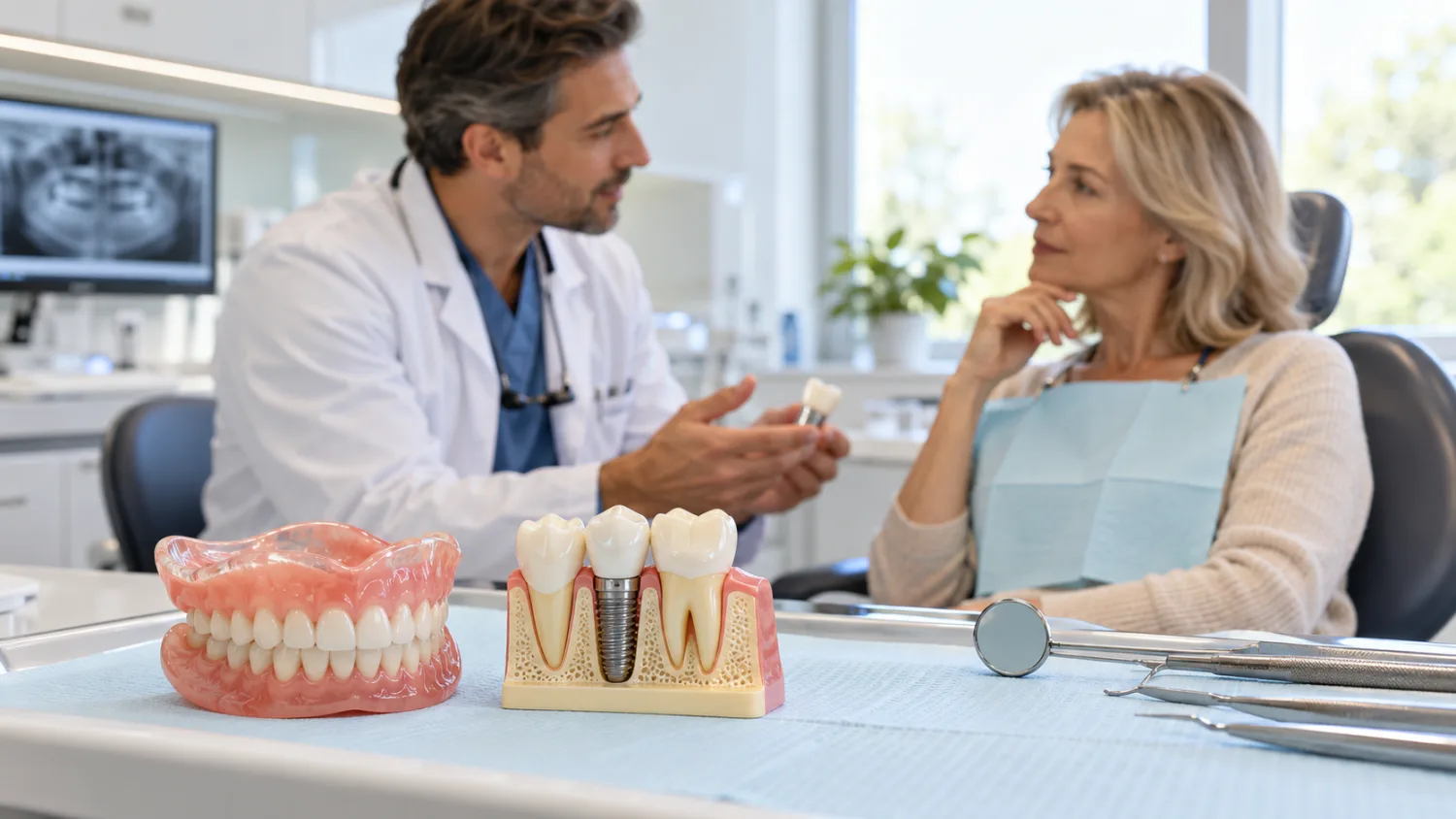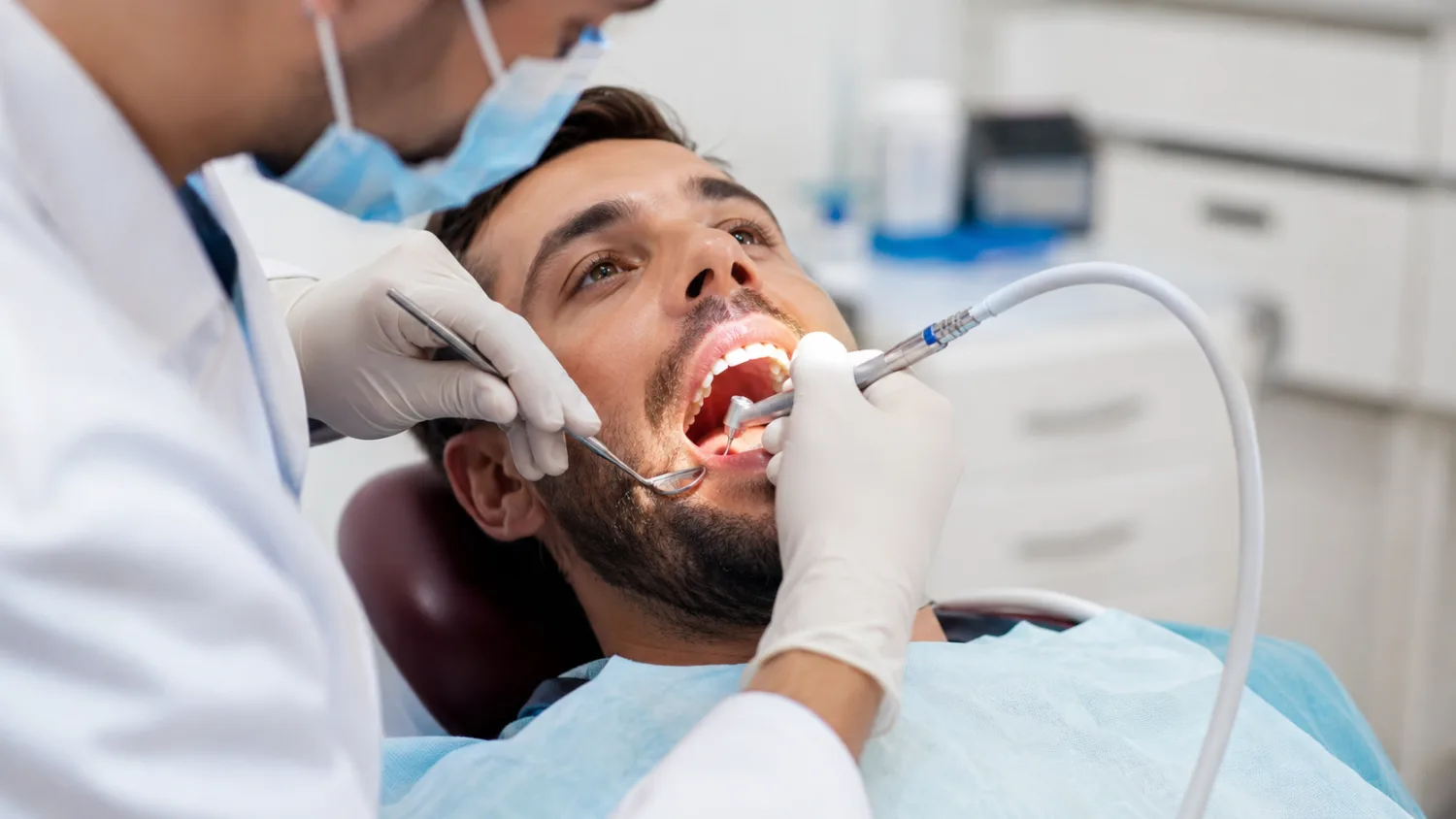
Root canal treatment is a dental procedure used to save a tooth when the soft tissue inside it has become inflamed, infected or damaged. Many people hear the words “root canal” and immediately imagine pain, but the purpose of the treatment is usually the opposite: to stop toothache, remove infection and avoid taking the tooth out.
A root canal may be recommended if tooth decay has reached deep inside the tooth, if a tooth has cracked, if an old filling has leaked, or if trauma has damaged the nerve. Without treatment, infection inside the tooth can spread to the root and surrounding bone, causing a dental abscess. At that point, pain, swelling, pus, fever or facial swelling may develop.
This guide explains what root canal treatment is, when it is needed, what happens step by step, whether it hurts, how long recovery takes, what it costs on the NHS and privately, and how it compares with having a tooth removed.
If you are trying to understand dental pain, see our guide to toothache causes, relief and when to see a dentist. If you have swelling, pus or fever, read our guide to dental abscess symptoms and treatment. For related prevention topics, see tooth decay explained, sensitive teeth, and bleeding gums and gum disease. If you are comparing treatment routes, read NHS dentist vs private dentist. To find local dental care, use our UK dentist directory or search dentists near me.
What is root canal treatment?
Root canal treatment, also called endodontic treatment, treats infection or inflammation inside a tooth. The dentist removes damaged or infected pulp from inside the tooth, cleans and disinfects the root canals, then fills and seals them to reduce the risk of reinfection.
The pulp is the soft inner tissue of the tooth. It contains nerves, blood vessels and connective tissue. It is important while the tooth is developing, but an adult tooth can often survive without healthy pulp because it is supported by the surrounding tissues.
The NHS explains that root canal treatment removes infection from inside the tooth, after which the tooth is cleaned and filled to prevent it becoming infected again. Read the NHS guide to root canal treatment.
The aim is to save the natural tooth. If root canal treatment is not possible or does not work, the alternative may be extraction.
Why would someone need a root canal?
A root canal is usually needed when the pulp inside the tooth becomes inflamed or infected. This can happen for several reasons, but the most common are deep decay, cracks, leaking fillings and dental trauma.
The Oral Health Foundation explains that root canal treatment is needed when the pulp, which contains the nerve and blood supply, becomes infected. This can happen because of tooth decay, a crack or an injury to the tooth. See the Oral Health Foundation guide to root canal treatment.
Deep tooth decay
Tooth decay starts on the outer surface of the tooth. If it is not treated, it can move through the enamel and dentine towards the pulp. Once bacteria reach the pulp, the nerve can become inflamed or infected. This can cause severe toothache, lingering sensitivity, pain when biting or eventually an abscess.
This is one reason early cavities matter. A small cavity may need a filling. A deeper cavity may need root canal treatment. A badly damaged tooth may need extraction. For more detail, see tooth decay explained.
A cracked tooth
A crack can allow bacteria to enter the tooth or irritate the pulp. Cracks are not always visible. A tooth may look normal but hurt when biting or when releasing the bite. If a crack reaches deep into the tooth, root canal treatment may be needed, although some cracks make the tooth unrestorable.
Dental trauma
A blow to a tooth can damage the pulp even if the tooth does not break. Sometimes symptoms appear immediately. In other cases, the tooth changes colour, becomes tender, or develops infection months or years later.
Leaking or failed dental work
Large fillings, old crowns or previous dental repairs can sometimes leak or break down. If bacteria enter underneath and reach the pulp, the tooth may need root canal treatment.
Repeated treatment on the same tooth
Teeth that have had repeated fillings or repairs may become irritated over time. The pulp can become inflamed, especially if the tooth has lost a lot of structure.
Signs you may need root canal treatment
Only a dentist can confirm whether you need a root canal, usually after examination and X-rays. Symptoms can overlap with other dental problems, including gum disease, cracked teeth, sinus pain and simple sensitivity.
Possible signs include:
- severe toothache;
- pain that lingers after hot or cold drinks;
- pain that wakes you at night;
- pain when biting or chewing;
- a tooth that feels tender or “high” when biting;
- swelling in the gum near a tooth;
- a small pimple-like bump on the gum;
- pus or a bad taste in the mouth;
- a tooth becoming darker after injury;
- deep decay or a large broken filling;
- facial swelling or swollen glands in more severe infection.
Sometimes a tooth that needs root canal treatment is not painful. The nerve may have died, or infection may be draining through the gum. A painless gum boil or bad taste can still mean there is infection.
Root canal pain vs ordinary tooth sensitivity
Simple sensitivity is often brief and triggered by cold drinks, sweet foods or brushing near the gumline. Root canal-related pain is more likely to linger, throb, wake you at night, or appear without an obvious trigger.
| Symptom | May suggest sensitivity | May suggest deeper pulp problem |
|---|---|---|
| Cold drinks | Brief sharp pain lasting seconds | Pain lingers after the cold has gone |
| Hot drinks | Mild brief discomfort | Lingering heat pain or spontaneous throbbing |
| Biting | Usually not the main symptom | Pain on biting can suggest crack, abscess or inflamed root tissues |
| Night pain | Less typical | More concerning for nerve inflammation or infection |
| Swelling or pus | Not typical | May suggest abscess or spreading infection |
If your main issue is sharp sensitivity to cold, read sensitive teeth: causes, relief and treatment. If you have swelling or pus, read dental abscess symptoms and treatment.
Does root canal treatment hurt?
Root canal treatment has a reputation for being painful, but modern treatment is usually carried out with local anaesthetic. The tooth and surrounding area should be numb before the dentist starts. You may feel pressure, vibration or water spray, but the procedure should not be sharply painful.
In many cases, the pain people associate with root canal treatment is actually the pain of the infected tooth before treatment. The procedure is intended to remove the inflamed or infected tissue causing the pain.
If the tooth is very inflamed or there is an active infection, it can sometimes be harder to numb completely. Tell the dentist immediately if you feel pain during treatment. They can usually give more anaesthetic, pause, or adjust the approach.
What happens during root canal treatment?
Root canal treatment is a technical procedure, but the basic idea is straightforward: open the tooth, remove infected tissue, clean the canals, fill them, and restore the tooth so it can function again.
1. Examination and X-rays
The dentist will examine the tooth, ask about symptoms, test the tooth if needed, and usually take X-rays. X-rays help show the root shape, infection around the root, depth of decay, previous dental work and whether the tooth is likely to be restorable.
2. Local anaesthetic
The area is numbed with local anaesthetic. Even if the nerve inside the tooth has died, the surrounding tissues may still need numbing.
3. Isolation with a rubber dam
Many dentists use a rubber dam, a small sheet that isolates the tooth. This helps keep the tooth dry, reduces contamination from saliva and protects the mouth from instruments or cleaning solutions.
4. Access opening
The dentist makes a small opening in the top of the tooth to reach the pulp chamber and root canals.
5. Cleaning and shaping the canals
The infected or inflamed pulp is removed. The dentist uses small files and disinfecting solutions to clean and shape the root canals. This is the most detailed part of treatment, because root canals can be narrow, curved or complex.
6. Temporary dressing or filling
Some root canal treatments are completed in one visit. Others need two or more appointments. If more visits are needed, the dentist may place medicine inside the tooth and seal it with a temporary filling.
7. Filling the root canals
Once the canals are clean and dry, they are filled and sealed, often with a rubber-like material called gutta-percha. This helps prevent bacteria re-entering the cleaned canals.
8. Restoring the tooth
After root canal treatment, the tooth needs a permanent restoration. This may be a filling, onlay or crown, depending on how much tooth structure remains and how much chewing force the tooth takes.
Back teeth often need a crown after root canal treatment because they handle heavy chewing forces and may already be weakened by decay or large fillings.
How long does root canal treatment take?
The length of treatment depends on the tooth, the number of canals, the severity of infection and whether a general dentist or specialist endodontist is treating it.
As a rough guide:
- front teeth may be quicker because they often have fewer canals;
- premolars can be more complex;
- molars usually take longer because they often have several canals;
- infected or previously treated teeth may require more appointments;
- specialist cases may take longer because of microscope work, complex anatomy or retreatment.
Some treatments are completed in one appointment. Others take two or more visits, especially if there is infection, swelling, drainage, complex anatomy or the tooth needs time to settle.
What happens after root canal treatment?
It is normal for the tooth and surrounding gum to feel tender for a few days after treatment. The tissues around the root may have been inflamed before treatment, and the tooth has been worked on for a long appointment. Tenderness when biting can happen but should gradually improve.
Contact your dentist if:
- pain is getting worse rather than better;
- swelling develops or increases;
- you have fever or feel unwell;
- the temporary filling comes out;
- the tooth cracks or breaks;
- your bite feels high or uncomfortable;
- pain remains severe after several days;
- you develop pus or a bad taste.
Until the tooth has its final restoration, avoid chewing hard foods on it. A root-filled tooth can be vulnerable if it is left with only a temporary filling or if a large amount of tooth structure is missing.
How successful is root canal treatment?
Root canal treatment is a well-established procedure and often successfully saves teeth. Success depends on several factors, including the tooth’s anatomy, how much tooth structure remains, whether there is a crack, how severe the infection is, how well the tooth is cleaned and sealed, and whether it is properly restored afterwards.
A root canal-treated tooth still needs good oral hygiene and dental care. It can still get decay around the edges, the filling or crown can fail, and the tooth can crack. Root canal treatment saves the tooth from pulp infection; it does not make the tooth indestructible.
Why might a root canal fail?
Root canal treatment can sometimes fail or infection can return. This may happen months or years later.
Possible reasons include:
- complex root canal anatomy that was difficult to clean fully;
- an extra canal that was missed;
- a crack in the tooth;
- leakage around a filling or crown;
- new decay;
- delay in placing the final restoration;
- fracture of the tooth;
- persistent infection around the root;
- previous root canal treatment that needs retreatment.
If a root canal fails, options may include root canal retreatment, referral to an endodontist, apicectomy, or extraction, depending on the tooth and the problem.
What is root canal retreatment?
Root canal retreatment is when a previously root-filled tooth is reopened, the old root filling material is removed, and the canals are cleaned, disinfected and sealed again. Retreatment may be recommended if infection returns or if the first treatment did not fully resolve the problem.
Retreatment is often more complex than first-time root canal treatment. It may involve removing posts, crowns or old filling material, and it may require specialist equipment. A dentist may refer you to an endodontist for complex retreatment.
What is an endodontist?
An endodontist is a dentist with additional training and expertise in root canal treatment and diseases of the dental pulp. Endodontists often manage complex root canals, retreatments, curved canals, teeth with unusual anatomy, dental trauma and cases where previous treatment has failed.
Private endodontic treatment is usually more expensive than general dental treatment, but it may improve the chance of saving a complex tooth. If your dentist recommends referral, ask why, what the benefits are, and what alternatives exist.
Root canal vs extraction: which is better?
The best option depends on the tooth. Root canal treatment aims to save the natural tooth. Extraction removes the tooth and the infection source, but leaves a gap unless the tooth is replaced.
| Option | Advantages | Disadvantages |
|---|---|---|
| Root canal treatment | Can save the natural tooth, maintains chewing function, avoids a gap | May need several appointments, may need a crown, can fail, may be costly privately |
| Extraction | Removes the infected tooth, may be quicker, may be necessary if tooth is unrestorable | Leaves a gap, can affect chewing and neighbouring teeth, replacement options can be costly |
Saving a tooth is often preferable if the tooth is restorable and has a reasonable prognosis. But extraction may be the better choice if the tooth is cracked below the gumline, badly decayed, has poor bone support, cannot be restored, or the cost and complexity of saving it are not realistic for you.
If extraction is recommended, ask whether the tooth can be replaced with a denture, bridge or implant, and what each option would cost.
Will I need a crown after root canal treatment?
Many root canal-treated teeth, especially molars and premolars, benefit from a crown or onlay because they are often weakened by decay, cracks or large fillings. A crown helps protect the tooth from fracture by covering and strengthening it.
Front teeth may not always need crowns if enough tooth remains, but this depends on the bite, the amount of tooth lost, and appearance. Your dentist should explain why a crown is or is not recommended.
This is also where NHS vs private choices may matter. NHS crowns are available when clinically necessary, but private crowns may offer more material choices, aesthetic planning or laboratory options. See NHS dentist vs private dentist for a broader comparison.
How much does root canal treatment cost on the NHS?
In England, root canal treatment is covered under NHS Band 2 when clinically necessary. The NHS says Band 2 treatment includes all Band 1 care plus treatment such as fillings, root canal treatment and extractions. The current Band 2 charge shown by the NHS is £76.60. Check current NHS dental charges.
NHS dental charges can change, and rules differ between England, Wales, Scotland and Northern Ireland. If you are outside England, check local NHS dental charging rules or ask the practice before treatment.
Some people are entitled to free NHS dental treatment, including many children, some young people in full-time education, pregnant people, people who have had a baby in the last 12 months, and people receiving certain qualifying benefits or help with health costs. Eligibility rules can be strict, so check before claiming free treatment.
How much does private root canal treatment cost?
Private root canal costs vary widely. The price depends on the tooth, the number of canals, whether a specialist is involved, whether the tooth has been treated before, whether a crown is needed, and where the practice is located.
Private root canal treatment is usually more expensive for molars than front teeth because molars have more canals and are technically more complex. Specialist endodontic treatment can cost more than treatment with a general dentist. A crown, if needed, is usually charged separately.
Before agreeing to private treatment, ask:
- what the consultation costs;
- whether X-rays or scans are included;
- whether the quoted fee includes all appointments;
- whether a permanent filling is included;
- whether a crown is needed and what it costs;
- whether treatment is by a general dentist or endodontist;
- what happens if treatment cannot be completed;
- what follow-up is included;
- what the alternative options are.
NHS root canal vs private root canal
NHS root canal treatment is designed to treat infection or inflammation and save the tooth when clinically appropriate. Private root canal treatment may offer more appointment time, specialist referral, microscope-assisted treatment, advanced imaging, more flexible scheduling or a wider choice of final restorations.
| Feature | NHS root canal | Private root canal |
|---|---|---|
| Cost | Covered by NHS Band 2 in England when clinically necessary | Fees vary widely and are set by the practice or specialist |
| Access | Depends on NHS dental availability | Often quicker if you can pay privately |
| Complexity | Suitable cases may be treated by an NHS dentist | Complex cases may be treated by an endodontist |
| Technology | Varies by practice | May include microscope, CBCT scans or advanced systems where needed |
| Final restoration | NHS options based on clinical need | Wider choice of crown materials and aesthetic options |
Private is not automatically better, and NHS is not automatically inferior. The right choice depends on tooth complexity, availability, cost, prognosis and what options your dentist can provide. If the tooth is complex, it is reasonable to ask whether referral to an endodontist would improve the chance of saving it.
Can antibiotics replace root canal treatment?
Usually no. Antibiotics may be used in some dental infections, especially if infection is spreading, there is facial swelling, fever or the person is medically vulnerable. But antibiotics do not remove infected pulp from inside the tooth, clean root canals, repair decay or seal the tooth.
Symptoms may improve temporarily with antibiotics, but infection can return if the source remains. The definitive dental treatment is usually root canal treatment, extraction, drainage, gum treatment or another procedure depending on the diagnosis.
Do not take leftover antibiotics or someone else’s antibiotics for tooth pain. Seek dental advice.
When root canal symptoms are urgent
Root canal treatment itself is usually planned dental treatment, but the symptoms leading to it can become urgent. Seek urgent dental advice if you have severe toothache, swelling, pus, fever or feeling unwell.
Use NHS 111 or urgent dental services if you cannot access a dentist and you have:
- severe dental pain that is not controlled with usual pain relief;
- gum, cheek, jaw or facial swelling;
- pus or a bad taste from the gum;
- fever or swollen glands;
- difficulty opening your mouth;
- pain spreading to the ear, jaw or neck;
- a broken tooth with severe pain.
Call 999 or go to A&E if swelling affects breathing, swallowing or speaking, spreads to the neck or around the eye, or you feel seriously unwell. For a broader guide, read dental emergencies: what counts as urgent.
How to look after a root canal-treated tooth
A root canal-treated tooth can last for many years, but it needs care. The tooth is no longer sensitive in the same way because the pulp has been removed, but the surrounding tissues can still become inflamed, and the tooth can still decay or crack.
To protect it:
- complete the final restoration recommended by your dentist;
- avoid chewing hard foods on a tooth with a temporary filling;
- brush twice daily with fluoride toothpaste;
- clean between teeth daily;
- reduce frequent sugar exposure;
- attend dental reviews as advised;
- ask about a night guard if you grind or clench;
- report new pain, swelling or a bad taste promptly.
The most common mistake is having the root canal done but delaying the crown or final restoration. If the tooth breaks before it is protected, it may become impossible to save.
Can root canal treatment be done during pregnancy?
Dental infections should not be ignored during pregnancy. If root canal treatment is needed, tell the dentist you are pregnant so they can plan care appropriately, including X-rays, anaesthetic and pain relief advice.
In the UK, NHS dental treatment is free during pregnancy and for 12 months after the baby is born if you have a valid maternity exemption certificate. If you have toothache, swelling or suspected infection, seek dental advice rather than waiting until after pregnancy.
Root canal treatment for children
Children can need pulp treatment too, although the approach may differ depending on whether the tooth is a baby tooth or adult tooth. A child with toothache, swelling, a gum boil, a broken tooth or dental injury should be assessed by a dentist.
Baby teeth matter. They help with eating, speech and guiding adult teeth into position. Infection in a baby tooth can cause pain and may affect the developing adult tooth. Treatment options might include pulp therapy, extraction or referral, depending on the tooth and the child’s age.
Frequently asked questions about root canal treatment
What is root canal treatment in simple terms?
Root canal treatment removes infected or inflamed tissue from inside a tooth. The dentist cleans the root canals, fills and seals them, then restores the tooth with a filling or crown. The aim is to save the tooth rather than remove it.
Why would I need a root canal?
You may need a root canal if decay, a crack, trauma or leaking dental work has damaged the pulp inside the tooth. Symptoms can include severe toothache, lingering hot or cold pain, pain when biting, swelling, pus or a gum boil.
Is root canal treatment painful?
Root canal treatment is usually done with local anaesthetic, so it should not be sharply painful. You may feel pressure or vibration. The procedure is often done to relieve pain caused by infection or nerve inflammation.
How long does a root canal take?
It depends on the tooth and complexity. Front teeth are often quicker, while molars take longer because they usually have more canals. Some root canals are completed in one visit; others need two or more appointments.
Will I need a crown after a root canal?
Many back teeth need a crown or onlay after root canal treatment because they are weakened by decay, cracks or large fillings and take heavy chewing forces. Front teeth may not always need a crown. Your dentist should explain what is recommended and why.
Can a root canal fail?
Yes. Infection can return if canals are difficult to clean, a canal is missed, the tooth cracks, decay develops, or the restoration leaks. Failed root canals may need retreatment, specialist care, surgery or extraction.
Is extraction better than root canal?
Extraction may be better if the tooth is too damaged, cracked or unsupported to save. But if the tooth is restorable, root canal treatment may preserve your natural tooth and avoid a gap. Ask about prognosis, cost and replacement options before deciding.
Can antibiotics cure a tooth that needs root canal?
Antibiotics may reduce spreading infection in some cases, but they do not remove infected pulp or seal the tooth. A tooth with infected pulp usually needs root canal treatment or extraction to deal with the source.
How much is root canal treatment on the NHS?
In England, root canal treatment is included in NHS Band 2 when clinically necessary. The current NHS Band 2 charge shown by the NHS is £76.60, but charges can change and differ across the UK. Always check current NHS guidance or ask your practice.
How much is private root canal treatment?
Private costs vary widely depending on the tooth, complexity, location, whether a specialist is involved, and whether a crown is needed afterwards. Always ask for a written treatment plan and whether the final restoration is included.
Can I drive after root canal treatment?
Most people can drive after root canal treatment if they have only had local anaesthetic. If you have sedation, you will need someone to take you home and follow the practice’s instructions.
Can I eat after a root canal?
Wait until the numbness wears off before eating, so you do not bite your cheek or tongue. Avoid chewing hard foods on the treated tooth, especially if it has a temporary filling or has not yet had its final restoration.
Why does my tooth still hurt after root canal treatment?
Some tenderness is normal for a few days because the surrounding tissues may be inflamed. Pain should gradually improve. Contact your dentist if pain worsens, swelling develops, your bite feels high, or symptoms do not settle.
Can a root canal-treated tooth get infected again?
Yes. Reinfection can happen if the tooth cracks, the filling or crown leaks, new decay develops, or the original canals were difficult to clean fully. New swelling, pain or a gum boil should be checked.
Can root canal treatment save every tooth?
No. A tooth may not be saveable if it is split, badly decayed, has poor gum or bone support, has a severe fracture below the gumline, or cannot be restored after treatment. In those cases, extraction may be recommended.
The bottom line
Root canal treatment is designed to save a tooth when the inside has become inflamed, infected or damaged. It removes infection from inside the tooth, cleans and seals the root canals, and allows the tooth to be restored so it can continue functioning.
Modern root canal treatment is usually carried out with local anaesthetic and should not be sharply painful. It is often the infection beforehand that causes the worst pain. After treatment, the tooth may feel tender for a few days, but worsening pain, swelling, pus, fever or a bad taste should be checked.
NHS root canal treatment is available when clinically necessary and is usually covered by Band 2 charges in England. Private treatment may offer faster access, specialist endodontic care, more appointment time or more restoration choices, but costs vary widely. Ask for a written treatment plan, including whether a crown is needed afterwards.
To find local dental care, search our UK dentist directory or use dentists near me. For related topics, see our guides to toothache, dental abscesses, tooth decay, dental emergencies and NHS vs private dentists.
This article is for general information only and is not a substitute for professional dental or medical advice. If you have severe toothache, swelling, pus, fever, difficulty swallowing or breathing, or you feel seriously unwell, seek urgent help.