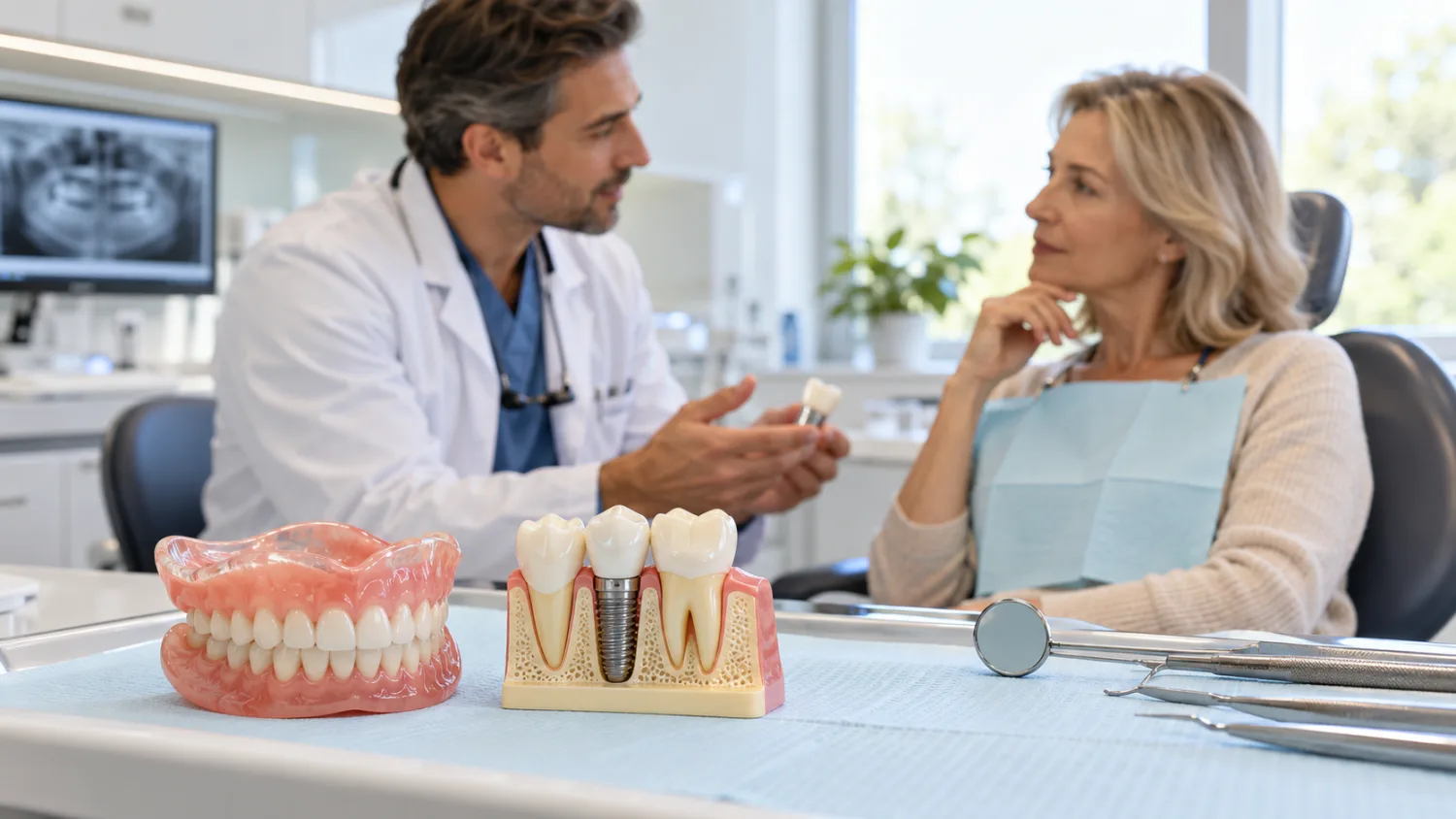
Choosing between an NHS dentist and a private dentist is not always straightforward. Many people assume the difference is simply cost: NHS dentistry is cheaper, private dentistry is more expensive. That is partly true, but it is not the whole picture. The real difference is about what treatment is available, how quickly you can be seen, how fees are structured, how much choice you have, and whether the treatment is clinically necessary, cosmetic or elective.
For many people in the UK, the ideal situation is simple: find a good NHS dentist, attend regular check-ups, and pay standard NHS charges when treatment is needed. But NHS dental access can be difficult in some areas, and not every treatment people want is available on the NHS. Others choose private dentistry because they want shorter waiting times, more appointment flexibility, cosmetic options, advanced materials, specialist care, or more time to discuss treatment choices.
This guide explains the difference between NHS and private dentists, what NHS dentistry covers, what private dentistry offers, how costs work, what to do in an emergency, and how to decide which route is right for you.
If you are looking for local dental care, you can search our UK dentist directory or use dentists near me. For specific dental problems, see our guides to toothache, dental abscesses, tooth decay, bleeding gums and gum disease, sensitive teeth and dental emergencies.
The short answer: what is the difference?
An NHS dentist provides dental care that is clinically necessary to keep your mouth, teeth and gums healthy. NHS dental treatment is charged using set bands in England, unless you are exempt. NHS care can include check-ups, urgent appointments, fillings, extractions, root canal treatment, crowns, dentures and other treatments when clinically needed.
A private dentist is paid directly by the patient, through a dental plan, or through insurance. Private care may offer more appointment availability, longer consultations, a wider choice of materials, cosmetic treatments, specialist services and treatment options that are not routinely available on the NHS.
The same dentist or practice may offer both NHS and private treatment. A dentist can be an NHS dentist for some patients and a private dentist for others, depending on contracts, availability and the type of treatment.
NHS dentist vs private dentist at a glance
| Feature | NHS dentist | Private dentist |
|---|---|---|
| Main purpose | Clinically necessary care to maintain oral health | Clinically necessary, elective, cosmetic and advanced treatment options |
| Cost | Set NHS charges in England, unless exempt | Practice sets its own fees; costs vary widely |
| Access | May be limited in some areas | Often easier to access quickly, but depends on location and cost |
| Choice of materials | Based on clinical need and NHS rules | Usually wider choice, including cosmetic materials |
| Cosmetic treatments | Usually not covered unless clinically necessary | Commonly available, including whitening, veneers and cosmetic bonding |
| Appointment length | Can be shorter due to NHS pressures | Often longer or more flexible, depending on practice |
| Emergency care | Available through NHS dentists and urgent dental services where accessible | Often available rapidly, but fees vary |
| Specialist care | May require referral and waiting time | Can often be accessed directly or faster, at higher cost |
What does NHS dental care cover?
NHS dental care covers treatment that is clinically necessary to keep your mouth, teeth and gums healthy and free from pain. According to the NHS, dental services available on the NHS include appointments to check whether your teeth and mouth are healthy, emergency appointments, treatments for problems and injuries affecting your teeth and mouth, and advice or treatment to help prevent dental conditions. You can read the NHS overview of what dental services are available on the NHS.
NHS dental treatment may include:
- check-ups and examinations;
- X-rays where clinically needed;
- advice on oral hygiene, diet and prevention;
- scale and polish when clinically necessary;
- fillings;
- root canal treatment;
- tooth extractions;
- crowns where clinically needed;
- bridges where clinically needed;
- dentures;
- treatment for gum disease;
- urgent dental care for pain, infection or trauma.
The key phrase is clinically necessary. NHS dentistry is not designed to provide every possible dental treatment, every cosmetic upgrade, or every premium material. It is designed to maintain oral health and function.
What is not usually available on the NHS?
Treatments that are purely cosmetic are usually not available on the NHS. The NHS is there to treat disease, pain, infection, functional problems and clinically necessary dental needs. If the main purpose of a treatment is to improve appearance rather than oral health, it is likely to be private.
Treatments usually provided privately include:
- teeth whitening;
- cosmetic veneers;
- composite bonding for appearance only;
- smile makeovers;
- cosmetic orthodontics for minor appearance concerns;
- dental implants in most cases;
- premium cosmetic materials when not clinically necessary;
- airflow polishing or hygiene appointments where not clinically needed;
- some advanced specialist treatments.
The NHS page on dental treatments explains that, with the exception of teeth whitening, implants and veneers, many common treatments are usually available on the NHS if clinically needed. You should always ask whether a recommended treatment is available on the NHS and what it will cost before agreeing.
How NHS dental charges work in England
In England, NHS dental treatment is charged in bands. You pay one charge for a course of treatment, depending on the highest band of treatment you need. If you need several treatments within the same course, you normally pay only the charge for the highest band, not a separate fee for each item.
As of the current NHS charging information, NHS dental charges in England are:
| NHS band | Current charge in England | Examples of what may be included |
|---|---|---|
| Band 1 | £27.90 | Examination, diagnosis, advice, X-rays if needed, scale and polish if clinically needed |
| Band 2 | £76.60 | Everything in Band 1 plus fillings, root canal treatment or extractions |
| Band 3 | £332.10 | Everything in Bands 1 and 2 plus more complex treatment such as crowns, dentures or bridges |
| Urgent dental treatment | £27.90 | Urgent assessment and treatment to deal with immediate pain, infection or trauma |
Charges can change, so check the official NHS page on how much NHS dental treatment costs before publishing or updating cost information.
Do NHS dental charges apply across the whole UK?
No. NHS dental charging rules differ between England, Wales, Scotland and Northern Ireland. England uses the banded system shown above. Wales, Scotland and Northern Ireland have different charging arrangements, exemptions and maximum charges.
If your website audience is UK-wide, it is best to make clear that NHS charges depend on where the patient lives and receives treatment. For Wales, the Welsh Government has guidance on NHS dental charges and exemptions. For Scotland and Northern Ireland, patients should check their local NHS dental information or ask the dental practice before treatment.
Who gets free NHS dental treatment?
Some people are entitled to free NHS dental treatment. In England, this may include children and young people under certain age rules, pregnant people, people who have had a baby in the last 12 months, and people receiving certain benefits or help with health costs.
You may be entitled to free NHS dental treatment in England if, at the start of treatment, you are:
- under 18;
- under 19 and in full-time education;
- pregnant;
- within 12 months of giving birth;
- receiving certain qualifying benefits;
- covered by an NHS tax credit exemption certificate;
- covered by a valid HC2 certificate for full help with health costs.
There are additional rules and partial help may be available through the NHS Low Income Scheme. Always check eligibility before claiming free treatment, because incorrect claims can lead to penalty charges. The NHS has guidance on who is entitled to free NHS dental treatment in England.
How private dental costs work
Private dental fees are set by the practice. There is no single national price list. Costs vary depending on location, dentist experience, appointment length, materials, technology, laboratory fees, complexity and whether a specialist is involved.
Private dentists may charge separately for:
- new patient consultation;
- routine check-up;
- X-rays;
- hygiene appointments;
- fillings;
- root canal treatment;
- extractions;
- crowns, bridges or dentures;
- emergency appointments;
- cosmetic consultation;
- teeth whitening;
- composite bonding;
- implants;
- sedation;
- specialist referrals.
Private costs can be much higher than NHS charges, especially for complex treatment. However, private care may give you more choice over materials, appointment times, aesthetics, treatment planning, advanced technology and clinician time.
Why people choose an NHS dentist
The main advantage of NHS dentistry is affordability. If you can access an NHS dentist, the banded charges make common dental treatment more predictable and lower-cost than most private treatment. For people who are exempt, NHS dentistry may be free.
People often choose NHS dentistry because:
- it is more affordable;
- charges are standardised in England;
- clinically necessary treatment is covered;
- children and eligible groups may receive free care;
- urgent dental care may be available through NHS routes;
- it is suitable for routine prevention and treatment of common dental problems.
NHS dentistry is often the right choice for check-ups, fillings, gum disease treatment, extractions, dentures and clinically necessary crowns or root canal treatment, provided you can access care.
Why people choose a private dentist
Private dentistry may appeal to people who want faster access, more appointment choice, cosmetic treatment, more time with the dentist, or a wider range of materials and techniques. It can also be the only practical option in areas where NHS dental access is limited.
People often choose private dentistry because they want:
- shorter waits for appointments;
- evening, weekend or more flexible slots;
- longer appointments and more detailed treatment planning;
- cosmetic treatments such as whitening, veneers or bonding;
- tooth-coloured materials in situations where NHS options are limited;
- dental implants;
- specialist care, such as endodontics, periodontics or orthodontics;
- advanced scanning, digital planning or microscope-assisted treatment;
- sedation for dental anxiety;
- more choice over the final appearance of dental work.
Private care is not automatically better in every case. A good NHS dentist can provide excellent care, and a private dentist should still explain risks, benefits and alternatives clearly. The key is whether the treatment plan is appropriate, transparent and in your best interests.
Can you mix NHS and private dental care?
Yes. Many patients use a mixture of NHS and private dentistry. For example, someone may have routine NHS check-ups and fillings but choose private whitening, implants or cosmetic bonding. Another person may use NHS care for urgent treatment and private care for a faster crown or specialist root canal.
However, the boundaries should be clear. You should be told whether each part of your treatment is NHS or private before it starts. You should not be surprised by private charges after assuming treatment was NHS.
Ask your dentist:
- Is this treatment available on the NHS?
- If not, why not?
- What is the NHS option?
- What is the private option?
- What are the differences in cost, materials, appearance and durability?
- Can I have part of the treatment on the NHS and part privately?
- Will choosing private treatment affect my NHS access in future?
Does NHS dentistry include hygienist treatment?
NHS dentistry can include scaling or gum treatment if it is clinically necessary. The NHS makes clear that if scaling is clinically needed, it can be provided on the NHS. It may be done by a dentist, hygienist or dental therapist. However, if scaling or polishing is requested for cosmetic reasons and is not clinically necessary, you may have to pay privately.
This is one area where patients often get confused. A “hygiene appointment” may be private if it is mainly for cosmetic cleaning, stain removal or maintenance not included in an NHS course of treatment. But gum treatment that is clinically necessary can be part of NHS care.
If you have bleeding gums, gum recession or bad breath, ask whether you need gum disease treatment and whether it is available as NHS treatment. You may also find our guide to bleeding gums and gum disease useful.
Are white fillings available on the NHS?
White fillings may be available on the NHS where clinically appropriate, especially for front teeth. For back teeth, NHS dentists may recommend amalgam or other materials depending on clinical need, durability and NHS rules. If you want a particular cosmetic material or appearance beyond what is clinically necessary, that may be private.
The best approach is to ask what material is being recommended, why, and what alternatives exist. The right filling material depends on the tooth, the size of the cavity, bite forces, appearance, moisture control and long-term prognosis.
Are crowns, bridges and dentures available on the NHS?
Yes, crowns, bridges and dentures can be available on the NHS when clinically necessary. In England, these usually fall under Band 3 treatment. However, NHS options are based on restoring health and function, not necessarily providing the most aesthetic or premium material.
Private dentistry may offer a wider choice of crown materials, laboratory options, shade matching, digital design, implant-supported solutions and cosmetic planning. This may matter for front teeth, complex bite problems or cosmetic concerns.
Are dental implants available on the NHS?
Dental implants are not usually available on the NHS. They may be provided in limited circumstances, such as after major trauma, cancer surgery or certain severe clinical situations, often through hospital or specialist services. For most people replacing missing teeth, implants are private treatment.
If you are considering implants privately, ask about the full cost, including consultation, scans, bone grafting if needed, implant placement, abutment, crown, maintenance and what happens if complications occur.
Are braces available on the NHS?
NHS orthodontic treatment is available for children and young people when there is a clear clinical need, usually assessed using orthodontic criteria. Cosmetic orthodontics for mild crowding or appearance-only concerns is usually private. Adult orthodontic treatment is generally private unless there is a significant clinical need and referral criteria are met.
Private orthodontics may include fixed braces, clear aligners, ceramic braces, lingual braces and cosmetic straightening systems. Costs vary widely depending on complexity and provider.
Emergency dental care: NHS or private?
If you have severe toothache, swelling, a dental abscess, a broken tooth, uncontrolled bleeding or a knocked-out adult tooth, you need urgent advice. If you have a regular NHS dentist, contact them first. If you cannot access a dentist, use NHS 111 online or call 111.
NHS urgent dental treatment in England has a set urgent charge, but access can vary. Private emergency dentists may be easier to access quickly in some areas, but fees can be significantly higher and treatment may be charged separately.
For urgent symptoms, see our guide to dental emergencies. If you have facial swelling, fever, pus or a bad taste, read our guide to dental abscess symptoms and treatment.
When to call 999 or go to A&E
Most dental problems should be handled by a dentist or urgent dental service, not A&E. However, a dental infection or injury can sometimes become a medical emergency.
Call 999 or go to A&E if you have:
- difficulty breathing;
- difficulty swallowing saliva;
- swelling in the mouth or neck affecting breathing, swallowing or speaking;
- swelling spreading to the neck or around the eye;
- severe facial injury or suspected broken jaw;
- heavy bleeding that will not stop;
- confusion, fainting or feeling seriously unwell with infection symptoms.
Do not wait for a routine dental appointment if breathing, swallowing or rapidly spreading swelling is involved.
Dental plans, insurance and membership schemes
Private dentistry is often paid for in one of four ways: pay-as-you-go, practice membership plan, dental insurance, or finance for larger treatment plans.
Pay-as-you-go
You pay for each appointment or treatment separately. This can work well if you only need occasional care, but costs can be unpredictable if you suddenly need complex treatment.
Dental membership plans
Many private practices offer monthly plans that include routine check-ups, hygiene visits and discounts on treatment. These plans may help spread the cost of preventive care, but they do not usually cover everything. Read the exclusions carefully.
Dental insurance
Dental insurance may cover some routine care, emergency treatment or a percentage of treatment costs, depending on the policy. There may be waiting periods, annual limits, exclusions and claim rules.
Finance
Some practices offer finance for larger treatment such as implants, orthodontics or cosmetic work. Consider the total amount payable, interest rate, repayment period and what happens if treatment changes.
How to compare NHS and private treatment plans
If you are offered treatment and are unsure whether to choose NHS or private, ask for a written treatment plan. You should understand what problem is being treated, why treatment is needed, what alternatives exist, and what happens if you do nothing.
Ask these questions before agreeing:
- What is the diagnosis?
- Is treatment necessary now or can it be monitored?
- Is this available on the NHS?
- What is the NHS option?
- What is the private option?
- How do the options differ in material, appearance, strength or longevity?
- What are the risks and benefits?
- How many appointments are needed?
- What is included in the fee?
- Are X-rays, scans, temporary work and follow-up included?
- What happens if the treatment fails?
- Is there a guarantee or repair policy?
- Do I need a specialist?
A good dentist should be comfortable explaining these points. If you feel pressured, confused or rushed into expensive treatment, it is reasonable to ask for more information or seek a second opinion.
NHS dental guarantees and repairs
Some NHS dental work may be guaranteed for 12 months. The NHS Business Services Authority explains that certain NHS dental treatments, including fillings, root fillings, inlays, onlays, veneers and crowns, may be repaired or replaced within 12 months without another charge in some circumstances. You can read the NHSBSA information on guaranteed items of NHS dental treatment.
Private practices may also offer guarantees or repair policies, but these vary. Always ask what is covered, for how long, and what could invalidate the guarantee, such as trauma, missed check-ups or untreated grinding.
Is private dentistry better quality than NHS dentistry?
Not automatically. NHS and private dentists are held to the same professional standards, and many dentists provide both NHS and private care. Quality depends on diagnosis, skill, communication, materials, time, follow-up and whether the treatment plan is appropriate.
Private dentistry may allow more time, more aesthetic choices, advanced materials and additional technology. NHS dentistry provides clinically necessary treatment at lower cost but may have more limitations around availability, appointment time and cosmetic choice.
A good NHS dentist is better than a poor private dentist. A good private dentist is not simply one who offers expensive treatments, but one who explains options clearly and prioritises your long-term oral health.
How to choose a dentist
Whether NHS or private, the right dentist should be clinically competent, transparent about costs, clear in communication and willing to answer questions. Convenience matters, but so does trust.
When choosing a dentist, consider:
- whether they are accepting new NHS or private patients;
- how urgent appointments are handled;
- opening hours and location;
- whether costs are explained clearly before treatment;
- whether written treatment plans are provided;
- whether they offer the treatments you are likely to need;
- whether they have hygienist or therapist appointments;
- how they support nervous patients;
- whether they can refer to specialists if needed;
- whether reviews and patient feedback are generally positive;
- whether the practice is registered and regulated appropriately.
You can start by searching dentists near me or browsing our UK dentist directory.
Questions to ask if a dentist says treatment must be private
Sometimes private treatment is genuinely the only option, especially for cosmetic care, implants or certain specialist services. But if you are unclear, ask directly and politely.
Useful questions include:
- Is there an NHS option for this problem?
- Is the private option cosmetic, clinical, or both?
- What would happen if I chose the NHS option?
- Would the NHS option be less durable or just less aesthetic?
- Are there clinical reasons why NHS treatment is not suitable?
- Can you put the options and costs in writing?
- Can I take time to decide?
You should not be made to feel embarrassed for asking about NHS options or costs. Dental treatment can be expensive, and informed consent requires clear information.
NHS vs private for common dental problems
Check-up
An NHS check-up is usually covered under Band 1 in England. A private check-up is priced by the practice and may include more time, additional photographs, digital scans or detailed cosmetic discussion, depending on the practice.
Toothache
NHS urgent care may address immediate pain, infection or trauma at the urgent treatment charge in England. Private urgent care may be quicker to access in some areas, but costs vary and additional treatment may be charged separately. See our guide to toothache.
Tooth decay and fillings
NHS fillings are available when clinically necessary. Private fillings may offer more material choices or cosmetic options. If decay is advanced, root canal treatment or extraction may be needed. See tooth decay explained.
Gum disease
NHS gum treatment is available when clinically needed, but private hygienist or periodontal care may offer more frequent maintenance, longer appointments or specialist treatment. See bleeding gums and gum disease.
Sensitive teeth
NHS care can diagnose and treat clinical causes such as decay, gum disease or worn areas. Private treatment may include additional preventive, cosmetic or restorative options. See sensitive teeth.
Dental abscess
A dental abscess needs urgent dental care. NHS and private dentists can both treat abscesses, but access and cost differ. Private emergency appointments may be faster, while NHS urgent care is cheaper if available. See dental abscess symptoms and treatment.
Teeth whitening
Teeth whitening is usually private because it is cosmetic. It should be provided or supervised by a dental professional. Avoid unsafe online whitening products or unregulated providers.
Implants
Implants are usually private. NHS implants are only available in limited clinical circumstances. Implant treatment should include proper assessment, scans, planning, maintenance advice and clear information about risks.
What if you cannot find an NHS dentist?
NHS dental access can be difficult in some areas. If you cannot find an NHS dentist accepting new patients, keep a record of practices contacted, check the NHS dentist search tool, ask practices about waiting lists, and use NHS 111 for urgent dental problems.
You may also consider:
- checking nearby towns or neighbouring areas;
- asking whether the practice accepts children, adults or urgent NHS cases separately;
- checking regularly, as availability can change;
- using private care for urgent problems if you can afford it;
- asking about payment plans or phased treatment;
- seeking NHS 111 advice if symptoms are urgent.
Do not ignore severe pain, swelling, pus or dental trauma while searching for routine NHS access. Urgent symptoms need urgent advice.
Red flags: when cost should not delay care
Dental costs can be stressful, but some symptoms should not wait. Seek urgent advice if you have:
- severe toothache;
- facial, jaw, gum or neck swelling;
- pus or a bad taste from the gum;
- fever or feeling unwell with dental pain;
- a knocked-out adult tooth;
- bleeding after dental treatment that will not stop;
- a broken tooth causing severe pain;
- difficulty opening your mouth;
- difficulty breathing, swallowing or speaking.
If breathing or swallowing is affected, call 999 or go to A&E.
Frequently asked questions about NHS and private dentists
Is an NHS dentist cheaper than a private dentist?
Usually, yes. NHS dental charges in England are set in bands, while private dentists set their own fees. NHS dentistry is generally cheaper for clinically necessary treatment, especially fillings, extractions, dentures and urgent care. Private treatment can cost more but may offer more choice and faster access.
Can a dentist offer both NHS and private treatment?
Yes. Many dental practices offer both. A dentist may provide NHS treatment for clinically necessary care and private treatment for cosmetic work, advanced materials or options not available on the NHS. You should be told clearly which parts of your treatment are NHS and which are private.
Can I switch from private to NHS dentist?
You can seek NHS dental care if you find a practice accepting NHS patients. However, being a private patient at one practice does not automatically guarantee NHS access at the same or another practice. Ask practices directly about availability.
Can I have a private check-up but NHS treatment?
Sometimes, but it depends on the practice and whether they are accepting NHS patients. You should not assume private assessment automatically leads to NHS treatment. Ask before booking if your aim is to access NHS treatment.
Are private dentists better than NHS dentists?
Not automatically. Both NHS and private dentists must meet professional standards. Private care may allow more time, more material choices and more cosmetic options, but quality depends on the dentist, diagnosis, treatment planning and follow-up.
Why is it hard to find an NHS dentist?
NHS dental access varies by area and practice capacity. Some practices may not be accepting new NHS patients even if they offer NHS care to existing patients. If you have urgent symptoms and cannot find a dentist, use NHS 111.
Does NHS dentistry include cosmetic treatment?
Usually no. NHS dentistry focuses on clinically necessary care. Cosmetic treatment such as whitening, veneers or appearance-only bonding is usually private unless there is a specific clinical reason.
Can I get white fillings on the NHS?
White fillings may be available on the NHS when clinically appropriate, especially for front teeth. For back teeth, the available NHS option depends on clinical need and suitability. If you want a specific cosmetic material, it may be private.
Are dental implants available on the NHS?
Dental implants are usually private. They may be available on the NHS only in limited clinical circumstances, such as after major trauma or cancer surgery, often through specialist hospital services.
What should I do if I need emergency dental care but have no dentist?
Use NHS 111 online or call 111. They can advise and direct you to urgent dental services where available. If you have swelling affecting breathing, swallowing or speaking, call 999 or go to A&E.
Can a private dentist charge for an emergency appointment and treatment separately?
Yes. Private fee structures vary. An emergency consultation may not include X-rays, prescriptions, temporary fillings, drainage, extraction or follow-up. Ask what is included before treatment where possible.
Do children get free NHS dental care?
In England, NHS dental treatment is free for children under 18, and for those under 19 in full-time education. Rules differ across the UK, so check local guidance if outside England.
Do pregnant women get free NHS dental care?
In England, NHS dental care is free during pregnancy and for 12 months after giving birth if you have a valid maternity exemption certificate. Similar support exists elsewhere in the UK, but local rules should be checked.
Should I choose NHS or private dentistry for root canal treatment?
NHS root canal treatment is available when clinically necessary. Private root canal treatment may offer longer appointments, specialist endodontic care, microscope use or different techniques, but at higher cost. Ask about prognosis, alternatives and whether referral is needed.
Is private dental insurance worth it?
It depends on your dental needs, policy limits, exclusions, waiting periods and likely treatment costs. Insurance may help with routine care or emergencies, but it may not cover all treatment. Read the policy carefully before relying on it.
The bottom line
NHS dentistry is designed to provide clinically necessary dental care at set charges, or free for eligible groups. It can be the best option for routine dental health, tooth decay, gum disease, extractions, root canal treatment, dentures and urgent care when access is available.
Private dentistry can offer faster access, longer appointments, cosmetic treatment, implants, more material choices, specialist care and greater flexibility, but fees vary and can be much higher. Private treatment is not automatically better; it should still be clinically appropriate, clearly explained and transparently priced.
Before choosing, ask what your diagnosis is, whether NHS treatment is available, what the private alternative offers, what the full cost is, and what happens if you do nothing. For urgent symptoms such as severe toothache, swelling, pus, fever, dental trauma or a knocked-out adult tooth, seek dental advice promptly and use NHS 111 if you cannot access a dentist.
To find local dental care, search our UK dentist directory or use dentists near me. For related symptoms and treatment decisions, see our guides to dental emergencies, toothache, tooth decay, dental abscesses, gum disease and sensitive teeth.
This article is for general information only and is not a substitute for professional dental, medical or financial advice. NHS dental charges, exemptions and availability can change, so check official NHS guidance and ask your dental practice for current costs before treatment.