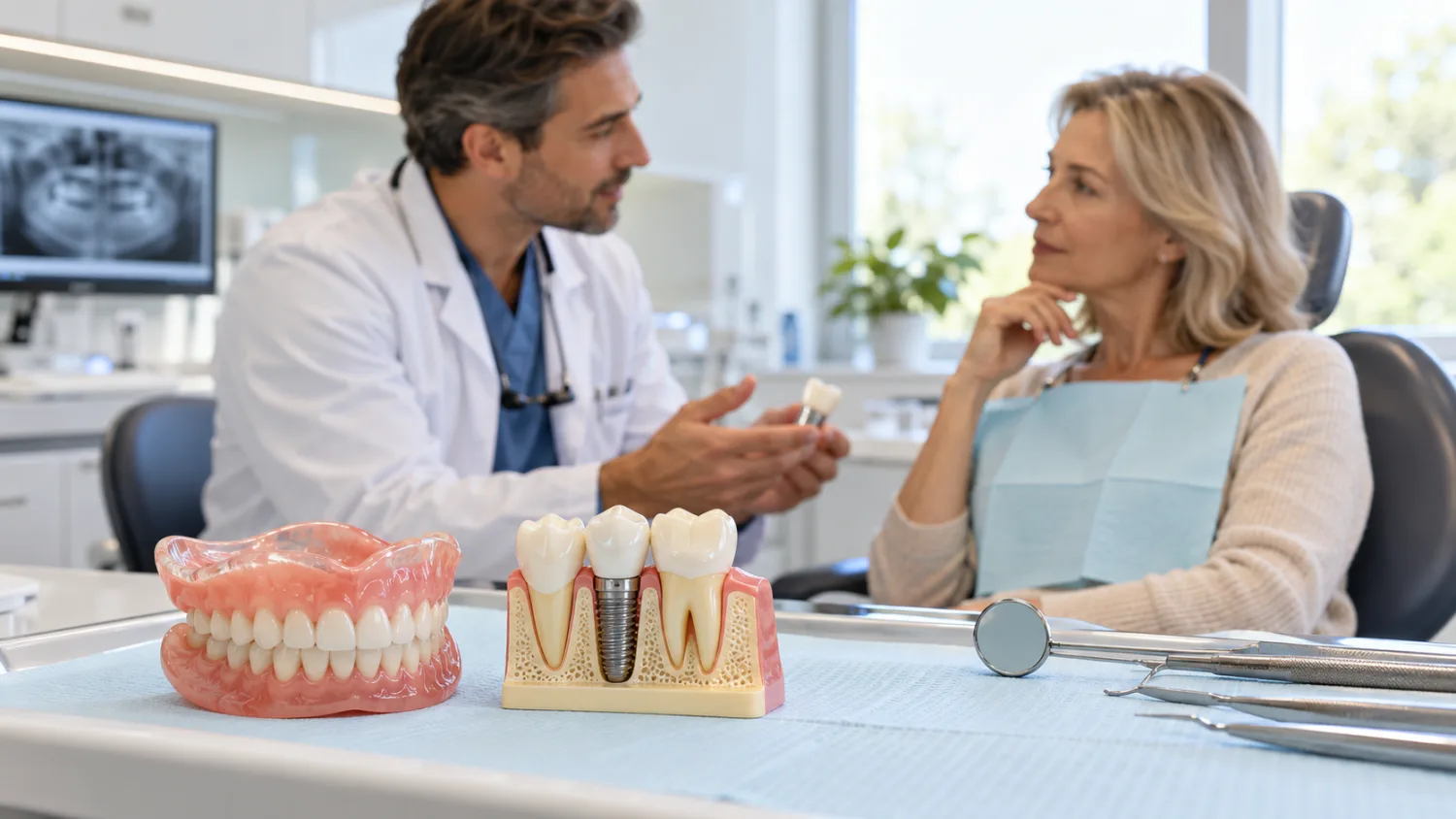
A good dental practice is not just a place with modern chairs, white walls and friendly reception staff. Those things can help, but they do not prove that a practice is safe, ethical, well-led or right for your needs.
A truly good dental practice should combine clinical quality, clear communication, transparent pricing, safe systems, respectful care, good aftercare and honest treatment planning. You should feel informed, not pressured. You should understand your options, know what treatment will cost, and feel comfortable asking questions.
This guide explains what makes a good dental practice in the UK, what patients should look for, what CQC and GDC standards mean, how to judge reviews, and what red flags may suggest a practice is not the right fit.
If you are actively looking for a dentist, you may also want to read our practical guide: How to Choose a Dentist in the UK. For costs, see Private Dentist Prices UK.
Quick summary
- A good dental practice is safe, clean, well-organised and properly regulated.
- Dentists and dental care professionals should be registered with the General Dental Council.
- In England, dental practices are regulated by the Care Quality Commission.
- Good practices explain NHS and private options clearly.
- Patients should receive clear costs before treatment starts.
- Good dentists explain risks, benefits and alternatives before you agree to treatment.
- Reviews are useful, but communication, consent, aftercare and transparency matter more than star ratings alone.
- Red flags include pressure selling, vague pricing, poor communication, unrealistic cosmetic promises and reluctance to provide written treatment plans.
1. A good dental practice is properly registered and regulated
The first sign of a good dental practice is that it operates properly and openly. In the UK, dental professionals must be registered with the General Dental Council before they can practise. You can check a dentist, hygienist, therapist, nurse, technician or other dental professional on the GDC register.
The GDC sets standards for dental professionals, including putting patients’ interests first, communicating effectively, obtaining valid consent, maintaining patient information and having a clear complaints procedure.
In England, dental practices are also regulated by the Care Quality Commission. The CQC says patients should expect dental practices to be safe, with accurate records, safe medicines handling, enough staff with the right knowledge and action when dental health may be getting worse. You can read the CQC’s patient guidance here: What should you expect from your dental practice?.
Regulation does not automatically mean a practice is perfect, but it gives patients a basic level of assurance. A good practice should make it easy to identify who is treating you and how the service is regulated.
2. A good dental practice communicates clearly
Good communication is one of the strongest signs of a good dental practice. You should not leave an appointment unsure what the dentist found, why treatment is needed or what happens next.
A good dental team should:
- Explain findings in plain language.
- Show X-rays, photos or diagrams where helpful.
- Explain why treatment is recommended.
- Discuss alternatives, including doing nothing where appropriate.
- Explain risks and benefits.
- Give you time to ask questions.
- Respect your preferences and concerns.
- Check that you understand before treatment starts.
The GDC’s standards say dental professionals must communicate effectively with patients and treat them as individuals, taking communication needs and preferences into account where possible.
Good communication is especially important if you are nervous, have a disability, do not speak English as a first language, are arranging care for a child, or are considering expensive private treatment.
3. A good practice is clear about NHS and private treatment
Many dental practices in the UK offer NHS care, private care or a mixture of both. A good practice should make this clear before treatment begins.
You should know whether you are being seen as:
- An NHS patient.
- A private patient.
- A mixed NHS/private patient.
This matters because the cost, treatment options and appointment structure may be different.
NHS dental treatment in England is charged in bands. From 1 April 2026, NHS England lists Band 1 at £27.90, Band 2 at £76.60, Band 3 at £332.10 and urgent dental treatment at £27.90. The NHS says dental professionals should tell you how much treatment will cost before they start. You can check the latest details on the NHS dental treatment costs page.
A good mixed practice should explain:
- Which treatment is available on the NHS.
- Which treatment is private.
- Why a private option may be offered.
- What the NHS alternative would be, if there is one.
- What each option costs.
You should not feel confused or pressured into private treatment without understanding your NHS options.
4. A good dental practice is transparent about prices
Clear pricing is one of the most important signs of a trustworthy dental practice. Private dental costs vary widely across the UK, so patients need to know what they are agreeing to before treatment starts.
A good practice should provide:
- A clear fee guide for common private treatments.
- Written treatment plans for larger or private courses of treatment.
- Clear explanation of what is included.
- Information about possible extra costs.
- Time to consider the quote before agreeing.
- No pressure to pay a deposit immediately for non-urgent treatment.
This is especially important for treatments such as crowns, root canal treatment, dental implants, cosmetic bonding, veneers, orthodontics and full-mouth treatment.
If you are comparing fees, see our guide: Private Dentist Prices UK: What Common Treatments Cost.
5. A good dentist explains risks, benefits and alternatives
Good dentistry is not just about telling you what treatment you “need”. It is about helping you make an informed decision.
Before treatment, your dentist should explain:
- What the diagnosis is.
- Why treatment is recommended.
- What the treatment involves.
- What the benefits are.
- What the risks are.
- What alternatives exist.
- What may happen if you choose no treatment.
- How long the result is likely to last.
- What maintenance may be needed.
This is particularly important for irreversible treatment such as extractions, crowns, veneers, implants and orthodontics. A good dentist will not be offended if you ask questions or want time to think.
6. A good dental practice puts prevention first
The best dental care is not just about fixing problems. It is about preventing them from happening or getting worse.
A prevention-focused dental practice will talk to you about:
- Brushing technique.
- Fluoride toothpaste.
- Cleaning between teeth.
- Diet and sugar frequency.
- Gum health.
- Smoking and vaping.
- Grinding or clenching.
- Recall intervals based on risk.
- Children’s oral health and fluoride advice.
Prevention matters because many dental problems develop slowly. Tooth decay, gum disease and tooth wear are easier to manage when they are spotted early.
For related reading, see: Tooth Decay Explained and Bleeding Gums and Gum Disease.
7. A good practice takes gum health seriously
Gum health is a major part of dental care, but patients often focus only on teeth. A good dental practice should check your gums, explain bleeding or inflammation, and recommend appropriate care.
Signs that a practice takes gum health seriously include:
- They ask about bleeding gums.
- They check gum pockets where appropriate.
- They explain plaque, tartar and inflammation.
- They offer hygienist or therapist care.
- They give personalised cleaning advice.
- They monitor gum disease over time.
- They refer complex cases when needed.
Gum disease can affect comfort, breath, tooth stability and suitability for treatments such as implants, veneers and orthodontics. Cosmetic treatment should not be placed over active gum disease without addressing it first.
8. A good practice is clean, safe and organised
Dental practices must follow infection prevention and safety procedures. As a patient, you may not see everything behind the scenes, but you can still notice whether a practice feels organised and professional.
Good signs include:
- Clean reception and clinical areas.
- Staff wearing appropriate protective equipment.
- Hand hygiene and surface cleaning between patients.
- Clear patient records.
- Safe handling of medicines.
- Staff who know what they are doing.
- Good appointment organisation.
- Clear medical history checks.
The CQC’s dental guidance highlights safe records, safe medicines, staff knowledge and action when dental health may be worsening as things patients should expect from a dental practice.
9. A good practice handles emergencies properly
Dental emergencies are stressful. A good practice should have clear arrangements for urgent problems, especially for regular patients.
Ask whether the practice offers:
- Same-day urgent appointments where possible.
- Advice for toothache, swelling or trauma.
- Out-of-hours instructions.
- Clear emergency fees.
- Follow-up after urgent treatment.
Urgent symptoms include severe toothache, facial swelling, dental abscess, trauma, uncontrolled bleeding, broken teeth or a knocked-out adult tooth. If swelling affects breathing or swallowing, call 999.
For more detail, read: Dental Emergencies: What Counts as Urgent?.
10. A good dental practice is honest about cosmetic dentistry
Cosmetic dentistry can be life-changing for some people, but it can also be overpromised. A good dental practice should explain cosmetic options carefully and avoid unrealistic claims.
Good cosmetic dentistry should involve:
- A full dental health check first.
- Discussion of less invasive options.
- Clear explanation of risks.
- Realistic expectations.
- Natural-looking examples.
- Transparent costs.
- Maintenance advice.
- No pressure to treat more teeth than necessary.
Be cautious if a clinic promises a “perfect smile” without discussing gum health, bite, tooth condition, maintenance or replacement costs.
Useful related guides include: Composite Bonding in the UK, Veneers in the UK and Teeth Whitening in the UK.
11. A good practice supports nervous patients
Dental anxiety is common. A good dental practice should not shame you for being nervous, avoiding treatment or having dental problems.
Good signs for nervous patients include:
- Kind, calm communication.
- Consultation-only appointments.
- Explaining each step before treatment.
- Agreeing a stop signal.
- Allowing breaks.
- Offering longer appointments where possible.
- Discussing sedation if appropriate.
- Positive reviews from nervous patients.
If you are nervous, tell the practice before your appointment. Their response can tell you a lot about whether they are the right fit.
12. A good practice is suitable for children and families
For families, a good dental practice should make children feel safe and help parents prevent problems early.
Look for:
- A calm approach with children.
- Prevention advice for parents.
- Clear guidance on brushing and fluoride toothpaste.
- Advice on diet and sugar frequency.
- Early detection of decay or enamel problems.
- Emergency advice for dental trauma.
- Appointment times that work around school where possible.
A good family practice should help children build confidence, not fear.
13. A good practice has clear aftercare
Dental treatment does not always end when you leave the chair. Good aftercare matters, especially after extractions, root canal treatment, crowns, implants, whitening, bonding, veneers and surgery.
A good practice should tell you:
- What to expect after treatment.
- What symptoms are normal.
- What symptoms are not normal.
- How to manage pain or sensitivity.
- How to clean the area.
- When to return for review.
- Who to contact if there is a problem.
Poor aftercare can turn a small complication into a bigger problem. A good practice should not disappear once payment has been made.
14. A good practice has a clear complaints process
Even good practices sometimes receive complaints. What matters is how they respond.
A good dental practice should have a clear complaints procedure and should take concerns seriously. You should be able to ask for:
- An explanation of treatment.
- A breakdown of charges.
- A review appointment.
- Copies of records or X-rays where appropriate.
- Information about the complaints process.
A defensive or dismissive response to reasonable questions is a warning sign. Professional practices should be able to explain decisions clearly and respectfully.
15. A good practice has strong patient records and continuity
Good dental care depends on accurate records. Your dentist should know your dental history, medical conditions, medicines, allergies and previous treatment.
Good record keeping helps with:
- Safe prescribing.
- Tracking gum health.
- Monitoring tooth decay.
- Reviewing X-rays over time.
- Planning complex treatment.
- Managing medical risks.
- Continuity if you see another dentist in the same practice.
A practice that repeatedly loses information, forgets treatment plans or cannot explain previous work may not be well organised.
16. A good practice refers when needed
No dentist does everything. A good dentist knows when to refer you to someone with more experience or specialist skills.
Referral may be appropriate for:
- Complex root canal treatment.
- Advanced gum disease.
- Impacted wisdom teeth.
- Complex implants.
- Oral surgery.
- Suspicious mouth lesions.
- Complex orthodontics.
- Children needing specialist dental care.
Referral is not a failure. It is often a sign of responsible care.
17. A good practice is accessible and practical
A dental practice may be clinically excellent but still difficult for you to use if it does not fit your life.
Practical things to check include:
- Opening hours.
- Evening or weekend appointments.
- Parking.
- Public transport access.
- Step-free access.
- Accessible toilets.
- Online booking.
- Phone response times.
- Emergency arrangements.
- Cancellation policy.
Accessibility is especially important for older patients, disabled patients, parents, carers and people needing repeated visits.
18. A good practice gives you time to decide
For urgent treatment, decisions sometimes need to be made quickly. But for cosmetic, private or complex work, you should usually have time to think.
A good practice will not rush you into:
- Veneers.
- Multiple crowns.
- Dental implants.
- Full-mouth treatment.
- Tooth extractions where alternatives exist.
- Large private treatment plans.
- Finance agreements.
You should be allowed to ask for a written plan, discuss it with family, compare options or seek a second opinion.
19. A good dental practice does not over-treat
Over-treatment can happen when patients are pushed into more dental work than they need. This is particularly concerning with cosmetic dentistry, crowns, veneers, implants and replacement of older fillings.
Signs of a balanced approach include:
- The dentist explains what is urgent and what can be monitored.
- They do not recommend drilling healthy teeth without strong reasons.
- They discuss prevention and monitoring.
- They explain simpler options first.
- They are honest about treatment limits.
- They do not make you feel frightened into accepting private work.
Sometimes treatment is genuinely necessary. But a good dentist should be able to explain why.
20. A good practice earns trust over time
Trust is built through consistency. A good dental practice should be reliable over multiple visits, not just impressive at the first consultation.
Trust grows when:
- Fees match what was discussed.
- Treatment is explained before it happens.
- You see the same dentist or have good handover between dentists.
- Problems are followed up.
- Staff treat you respectfully.
- Your concerns are remembered.
- The practice admits uncertainty and explains options honestly.
Dentistry is a long-term relationship. The best practice is usually the one you feel safe returning to before problems become serious.
How to judge dental practice reviews
Reviews can help, but they should not be the only thing you rely on. A five-star rating does not automatically mean the practice is right for your needs, and one bad review does not always mean the practice is poor.
Look for review patterns such as:
- Clear explanations.
- Kindness to nervous patients.
- Good experiences with children.
- Transparent costs.
- Good emergency care.
- Reliable aftercare.
- Long-term patient loyalty.
- Professional handling of problems.
Be cautious if reviews repeatedly mention unclear prices, pressure selling, poor aftercare, rushed appointments or difficulty resolving complaints.
Questions to ask a dental practice before booking
Before booking with a new dental practice, you may want to ask:
- Are you accepting new NHS patients, private patients or both?
- How much is a new patient consultation?
- Are X-rays included?
- Do you provide written treatment plans?
- Do you offer emergency appointments?
- Do you treat nervous patients?
- Do you see children?
- Do you have a hygienist?
- Do you offer payment plans?
- What happens if I have a problem after treatment?
- What is your cancellation policy?
Questions to ask before major treatment
Before agreeing to expensive, cosmetic or irreversible treatment, ask:
- What is my diagnosis?
- Is this treatment clinically necessary or cosmetic?
- Is there an NHS option?
- What are the alternatives?
- What happens if I do nothing?
- What are the risks?
- How long should the treatment last?
- Will it need maintenance or replacement?
- What is included in the quote?
- What could cost extra?
- Can I have a written treatment plan?
- Should I consider a second opinion?
Red flags in a dental practice
Be cautious if a dental practice:
- Will not tell you who is treating you.
- Does not provide GDC registration details when asked.
- Is vague about NHS vs private treatment.
- Refuses to provide a written treatment plan for major private work.
- Pressures you to pay immediately.
- Uses scare tactics to push treatment.
- Promises perfect or permanent cosmetic results.
- Does not discuss risks.
- Does not discuss alternatives.
- Dismisses your questions.
- Has repeated complaints about unclear pricing or poor aftercare.
- Recommends extensive treatment after a very short consultation.
- Cannot explain why a tooth needs extraction, crown or veneer.
If something feels unclear, pause. You are allowed to ask questions, request a written plan or seek another opinion.
What makes a good dental practice for NHS patients?
For NHS patients, a good dental practice should be clear about availability, charges and what treatment is clinically necessary.
Good signs include:
- Clear information about whether they are accepting NHS patients.
- Clear explanation of NHS charges.
- No pressure to choose private care without explanation.
- Explanation of what is clinically necessary.
- Appropriate urgent care advice.
- Clear recall arrangements.
You can use the official NHS Find a dentist service to search for dentists accepting new patients for routine check-ups or offering urgent or specialist dental care in your area.
What makes a good dental practice for private patients?
For private patients, a good practice should be especially clear about fees, consent, alternatives and maintenance.
Good signs include:
- Published private fee guide.
- Written quotes.
- Clear explanation of what is included.
- Discussion of lower-cost alternatives.
- No pressure to choose cosmetic upgrades.
- Transparent finance terms.
- Good aftercare.
- Realistic expectations about lifespan and maintenance.
Private care can be excellent, but patients should understand the full cost and long-term commitment before starting treatment.
What makes a good dental practice for cosmetic dentistry?
A good cosmetic dental practice should prioritise oral health before appearance. Teeth should be healthy, gums should be stable, and the treatment should be suitable for your bite and long-term care.
Look for:
- Full examination before cosmetic planning.
- Photos, scans or mock-ups where appropriate.
- Natural-looking examples.
- Explanation of tooth preparation.
- Discussion of whitening, bonding, orthodontics and veneers.
- Clear maintenance advice.
- Honesty about chipping, staining and replacement.
- No pressure to treat healthy teeth unnecessarily.
Cosmetic dentistry should improve confidence without sacrificing healthy tooth structure unnecessarily.
What makes a good dental practice for implants?
Implant dentistry needs careful planning, surgery, restoration and maintenance. A good implant practice should not simply sell implants as a quick fix.
Look for:
- Assessment of gum health and bone.
- 3D scans where clinically needed.
- Discussion of dentures and bridges as alternatives.
- Clear explanation of risks.
- Written treatment plan and staged costs.
- Aftercare and maintenance plan.
- Policy for implant failure or complications.
- Referral where cases are complex.
For more detail, read: Dental Implants in the UK: Costs, Procedure, Risks and Alternatives.
A simple checklist: is this a good dental practice?
Use this checklist when comparing practices:
- Can I identify the dentist and check their GDC registration?
- Is the practice regulated and clearly contactable?
- Are NHS and private options explained clearly?
- Are prices transparent?
- Do they provide written treatment plans for major work?
- Do they explain risks and alternatives?
- Do they focus on prevention?
- Do they check gum health properly?
- Do they communicate respectfully?
- Do they support nervous patients?
- Do they have clear emergency arrangements?
- Do they provide aftercare advice?
- Do reviews mention trust, communication and follow-up?
- Do I feel comfortable asking questions?
Final thoughts
A good dental practice is not defined by one feature. It is the combination of safe systems, professional standards, clear communication, honest pricing, good prevention, careful treatment planning and respectful aftercare.
The best practice for you depends on your needs. A family looking for routine NHS care may prioritise access and prevention. A nervous patient may prioritise kindness and communication. Someone considering veneers, implants or complex private treatment may prioritise experience, planning and aftercare.
Do not choose a dental practice based only on glossy photos, social media before-and-afters or the lowest price. Choose one that helps you understand your mouth, your options and your long-term care.
For more help, read How to Choose a Dentist in the UK or visit our Dental Health & Dentistry section.
Frequently asked questions about good dental practices
What makes a dental practice good?
A good dental practice is safe, clean, well-organised, properly regulated, clear about costs, good at communication, focused on prevention and honest about treatment options, risks and alternatives.
How do I know if a dentist is registered?
You can check the dentist’s name or GDC number on the General Dental Council register. Dental professionals must be registered with the GDC to practise in the UK.
What does CQC mean for dentists?
In England, the Care Quality Commission regulates dental providers. It monitors whether services meet required standards for safe, effective and well-led care.
Should a dental practice show its prices?
A good private or mixed practice should make fees clear and provide written treatment plans for more complex or expensive treatment. NHS practices should explain NHS charges before treatment starts.
Should a dentist explain alternatives?
Yes. A good dentist should explain reasonable alternatives, including the option of monitoring or doing nothing where appropriate, so you can make an informed decision.
What are signs of a bad dental practice?
Warning signs include vague pricing, pressure to pay quickly, poor communication, no written treatment plan, unrealistic promises, no discussion of risks and repeated complaints about aftercare.
Are online dental reviews reliable?
Reviews can be useful, but they should not be your only guide. Look for patterns about communication, pricing, aftercare and trust rather than relying only on star ratings.
Should I choose the cheapest dental practice?
Not necessarily. A low price may be fine for simple treatment, but you should compare what is included, the dentist’s experience, materials, aftercare and whether the quote is clear.
Should I choose the most expensive dental practice?
Not automatically. Higher fees do not always mean better care. Ask what is included, why the treatment is recommended and whether there are suitable alternatives.
What should I expect at a good first appointment?
A good first appointment usually includes a medical history review, examination, gum check, discussion of concerns, X-rays if needed, explanation of findings and a treatment plan if treatment is required.
Should a dentist give me a written treatment plan?
Yes, especially for private, complex, cosmetic or expensive treatment. A written plan should explain the treatment, costs, risks, alternatives and number of appointments.
What makes a good cosmetic dental practice?
A good cosmetic practice checks oral health first, explains less invasive options, gives realistic expectations, avoids pressure selling and discusses maintenance and replacement costs.
What makes a good implant dental practice?
A good implant practice assesses gum health and bone, uses appropriate scans, explains alternatives, gives staged costs, discusses risks and provides long-term maintenance advice.
How can I tell if a dentist is over-treating?
Be cautious if lots of expensive treatment is recommended after a short consultation without clear explanation, X-rays, alternatives or time to think. A second opinion can help.
Is it normal for a dentist to recommend private treatment?
Yes, especially in mixed practices or for treatments not available on the NHS. However, the dentist should explain why it is private, what it costs and whether an NHS alternative exists.
What should a good practice do for nervous patients?
A good practice should listen, explain treatment calmly, agree a stop signal, avoid judgement, offer breaks and discuss sedation or longer appointments where appropriate.
What should a good practice do after treatment?
It should provide aftercare instructions, explain what symptoms are normal, tell you what warning signs to watch for and make clear who to contact if there is a problem.
When should I get a second opinion?
Consider a second opinion before expensive, irreversible or complex treatment such as multiple crowns, veneers, implants, extractions or full-mouth work.
Can I complain about a dental practice?
Yes. Start with the practice’s complaints process. Depending on the issue, NHS complaints routes, the GDC, CQC or other bodies may also be relevant.
How do I find a good dentist near me?
Check GDC registration, look at CQC information in England, compare reviews carefully, ask about NHS/private options, check prices and choose a practice that communicates clearly and meets your needs.