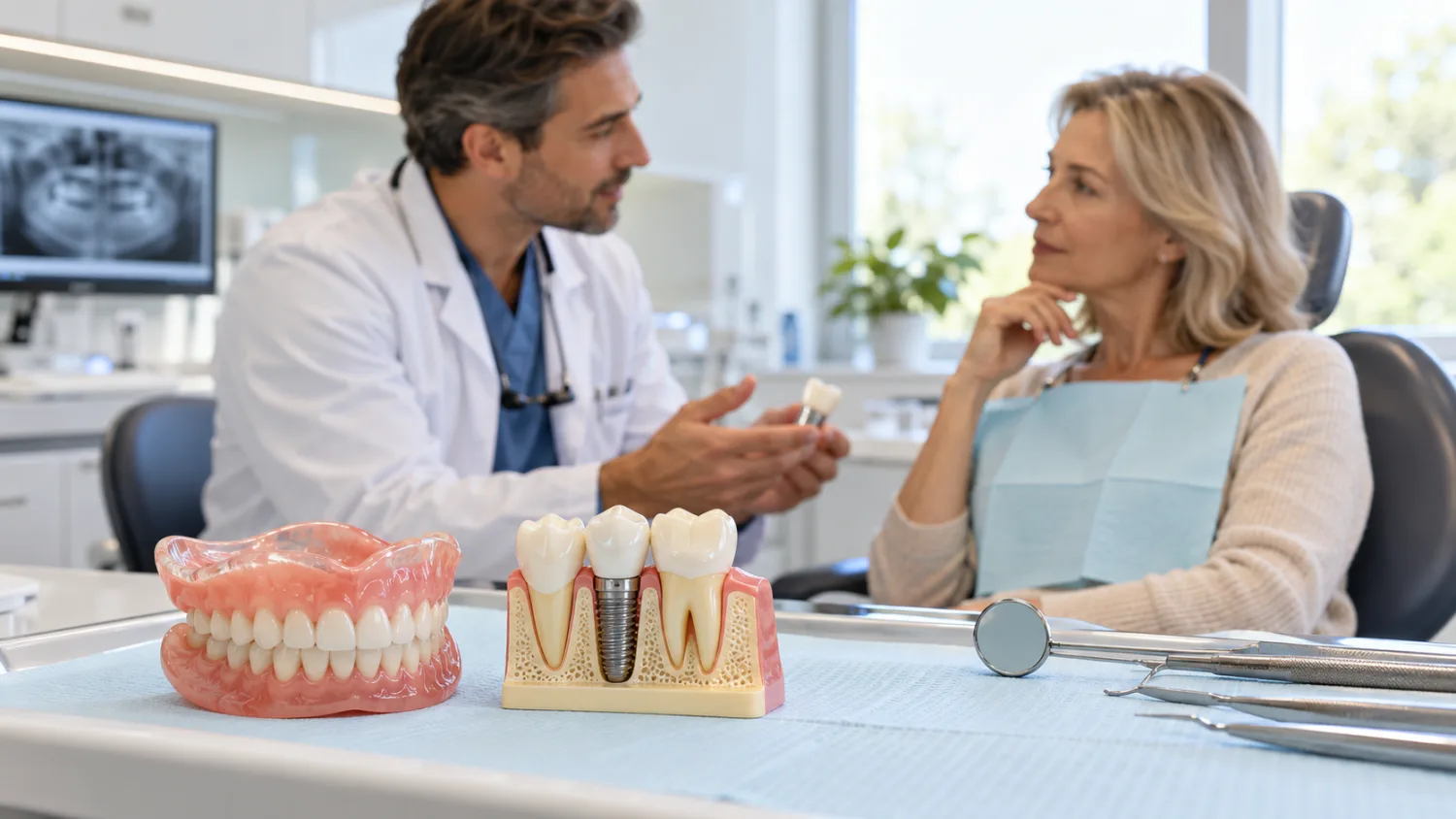
Dental treatment can be expensive, especially if you need private work such as implants, crowns, bridges, dentures, orthodontics, root canal treatment, cosmetic dentistry or several treatments at once. For many people, the problem is not only the total cost, but having to pay it all upfront.
Dental payment plans can help spread the cost, but they are not all the same. Some are simple monthly membership plans for check-ups and hygiene visits. Some are 0% finance agreements for a treatment plan. Some charge interest. Some are insurance-style products. Some cover routine care but not complex treatment. Some help you budget; others can become expensive debt if you do not understand the terms.
This guide explains the main types of dental payment plans in the UK, how NHS and private dental costs differ, what 0% finance really means, what to check before signing, what happens if treatment changes, and the red flags to watch out for.
You may also find these related guides useful: Private Dentist Prices UK: What Common Treatments Cost, NHS Dentist vs Private Dentist, Dental Implants in the UK, Dental Crowns Explained, Dental Bridges Explained, Dentures in the UK, Invisalign and Clear Aligners in the UK and How to Choose a Dentist in the UK.
Quick summary
- A dental payment plan can mean several different things: monthly membership, treatment finance, dental insurance, practice savings plan or staged treatment.
- NHS dental treatment in England uses fixed bands. From 1 April 2026, Band 1 is £27.90, Band 2 is £76.60, Band 3 is £332.10 and urgent treatment is £27.90.
- Private dental treatment is priced by the practice and can vary widely.
- 0% finance can be useful, but you still need to pass checks and make every payment on time.
- Interest-bearing dental finance can make treatment much more expensive over time.
- Monthly dental membership plans usually cover routine check-ups and hygiene appointments, not major treatment in full.
- Dental insurance may have exclusions, waiting periods, annual limits and pre-existing condition rules.
- Always ask for a written treatment plan, full cost breakdown and finance agreement before starting treatment.
- Do not sign finance on the day if you feel pressured, confused or unsure.
- Make sure you understand what happens if treatment changes, fails, is cancelled, or you move practice.
What is a dental payment plan?
A dental payment plan is any arrangement that helps you pay for dental care over time rather than paying the full cost immediately. But the phrase is used in several different ways.
In the UK, “dental payment plan” may mean:
- A monthly private dental membership plan.
- 0% finance for a specific treatment.
- Interest-bearing finance for larger treatment.
- A dental insurance policy.
- A practice savings or maintenance plan.
- Spreading treatment over stages so you pay as you go.
- Using a credit card, personal loan or other borrowing to pay for treatment.
These options are very different. A £20-per-month dental membership plan is not the same as borrowing £4,000 for implants. Before agreeing to anything, ask exactly what type of plan it is.
NHS dental charges vs private dental costs
NHS and private dental care are priced very differently.
NHS dental treatment in England is grouped into bands. If you need a mix of treatments, you usually pay for the highest band included in the course of treatment. The NHS says the dental professional should tell you the cost before treatment starts. You can check NHS dental charges here.
| NHS band in England | Charge from 1 April 2026 | What it may include |
|---|---|---|
| Band 1 | £27.90 | Examination, diagnosis, advice, X-rays if needed, preventive care and scaling if clinically necessary. |
| Band 2 | £76.60 | Everything in Band 1, plus treatment such as fillings, root canal treatment and extractions. |
| Band 3 | £332.10 | Everything in Bands 1 and 2, plus more complex work such as crowns, dentures and bridges. |
| Urgent treatment | £27.90 | Urgent care to relieve pain or address an immediate problem. |
Private treatment is different. Each practice sets its own fees. A private crown, implant, bridge, denture, root canal treatment or orthodontic treatment can cost hundreds or thousands of pounds. That is why payment plans are most often discussed in private dentistry.
Can you use a payment plan for NHS dental treatment?
Usually, NHS dental charges are paid to the dental practice according to the NHS band. Because NHS dental charges are much lower than private treatment costs, formal finance is less common for NHS care.
However, some patients may still struggle with NHS charges. Depending on your circumstances, you may be entitled to free NHS dental treatment or help with health costs. Children, some young people, pregnant women and people in certain benefit or low-income categories may qualify.
If cost is a problem, ask the practice about NHS options and check whether you may be eligible for help before agreeing to private treatment.
Private dental membership plans
A private dental membership plan is usually a monthly subscription paid to a dental practice or plan provider. It often covers routine preventive care rather than major treatment.
A typical plan may include:
- One or two dental check-ups per year.
- One or two hygienist appointments per year.
- Routine X-rays where needed.
- Emergency appointment access or reduced emergency fees.
- Discounts on private treatment.
- Worldwide dental trauma or emergency cover in some plans.
Plans vary widely. Some are simple practice membership plans. Others include insurance-style benefits. Some include hygiene visits; others do not. Some offer discounts on treatment, but discounts are not the same as full cover.
What dental membership plans usually do not cover
Many monthly plans do not fully cover expensive treatment. They may help with routine care and prevention, but you may still pay separately for major work.
Common exclusions or limitations include:
- Dental implants.
- Cosmetic dentistry.
- Teeth whitening.
- Veneers.
- Composite bonding.
- Orthodontics.
- Complex root canal treatment.
- Laboratory-made crowns, bridges or dentures.
- Specialist referrals.
- Treatment needed before joining the plan.
- Missed appointment fees.
This does not make membership plans bad. They can be useful for budgeting and prevention. But do not assume that paying monthly means all future dental treatment is included.
Example: dental membership plan vs treatment finance
Imagine a patient pays £25 per month for a private dental plan. The plan includes two check-ups and two hygienist appointments per year, plus 10% off routine treatment.
If the patient later needs a £900 crown, the plan may reduce the fee slightly, but the crown may still need to be paid separately. The patient might then be offered treatment finance for the crown.
This means the patient has two different arrangements:
- A monthly dental plan for routine care.
- A finance agreement for a specific treatment.
Always separate these in your mind. One is ongoing membership; the other is borrowing or spreading the cost of treatment.
0% dental finance
0% dental finance allows you to spread the cost of treatment over a set period without paying interest, as long as you keep to the agreement.
For example, a £2,400 treatment plan might be offered over 12 months at £200 per month, with no interest. This can make treatment more manageable if you can comfortably afford the monthly payments.
0% finance may be offered for:
- Dental implants.
- Orthodontics.
- Invisalign or clear aligners.
- Crowns or bridges.
- Dentures.
- Full-mouth treatment plans.
- Cosmetic dentistry.
But 0% finance is still a credit agreement. You may need a credit check, and missed payments can cause charges, affect your credit file or create debt problems.
Interest-bearing dental finance
Some dental finance agreements charge interest. These may allow repayment over a longer period, such as 24, 36, 48 or 60 months, but the total amount repaid can be much higher than the treatment price.
For example, a treatment plan advertised at £5,000 may cost significantly more if paid over several years with interest. Always look at:
- The treatment price.
- The deposit.
- The monthly payment.
- The term length.
- The APR.
- The total amount repayable.
- Any fees or charges.
- What happens if you miss a payment.
- Whether you can repay early.
MoneyHelper explains that APR helps compare the cost of borrowing and that you should check the terms of a personal loan carefully, including any early repayment charges. MoneyHelper has guidance on personal loans here.
Dental finance and credit checks
Dental finance is usually provided by a finance company, not directly by the dentist. The dental practice may introduce you to the lender or help with the application, but the credit agreement is often between you and the finance provider.
You may be asked for:
- Name and address history.
- Date of birth.
- Employment or income details.
- Bank details.
- Consent for a credit check.
A rejected finance application can be disappointing, but it may also be a warning that the repayments could be difficult. Do not keep applying for multiple credit products without understanding how this may affect your credit file.
Buy now, pay later and dental treatment
Some healthcare and dental providers may offer buy now, pay later-style arrangements or short-term interest-free credit. The regulation of deferred payment credit, often known as buy now, pay later, is changing in the UK. The Financial Conduct Authority says it will start regulating deferred payment credit from 15 July 2026. The FCA explains buy now, pay later changes here.
Whatever the label, the key question is the same: are you borrowing money or committing to future payments? If yes, read the agreement carefully and make sure the monthly payments are affordable.
Dental insurance
Dental insurance is different from a dental payment plan. Instead of paying the practice directly for routine membership, you pay an insurer. The policy may reimburse some dental costs, subject to limits and exclusions.
Dental insurance may include:
- Routine check-ups.
- Hygienist visits.
- Fillings.
- Emergency treatment.
- Accidental dental injury.
- Some contribution towards crowns, bridges or dentures.
But policies vary. Watch for:
- Waiting periods before you can claim.
- Annual limits.
- Percentage reimbursement rather than full payment.
- Exclusions for pre-existing problems.
- Exclusions for cosmetic treatment.
- Limits on implants and orthodontics.
- Different rules for NHS and private treatment.
Dental insurance can be useful for some people, but it is not a guaranteed way to pay for treatment you already know you need. Read the policy wording carefully.
Practice savings plans
Some practices may offer a simple savings-style arrangement where you pay into an account or pay monthly towards planned treatment. This is not the same as regulated credit if you are not borrowing money and are simply saving up.
This can be safer than borrowing because you are not taking on debt. However, it may delay treatment if you need care sooner. Ask whether prices are fixed or could rise before you complete treatment.
Staged treatment: paying as you go
Sometimes the safest “payment plan” is simply staging treatment over time. This means the dentist prioritises urgent and stabilising care first, then delays non-urgent or cosmetic work until later.
For example:
- Treat infection or pain first.
- Stabilise decay and gum disease.
- Repair essential chewing function.
- Replace missing teeth later if needed.
- Consider cosmetic improvements only after health is stable.
Staging can reduce financial pressure, but it must be clinically safe. Some treatment cannot be delayed without risk. Ask your dentist what is urgent, what is important, and what is optional.
Can treatment be split between NHS and private?
Sometimes patients receive some NHS care and some private care, but this must be explained clearly. You should not be confused about what is NHS, what is private, and what each part costs.
For example, a patient might have NHS urgent treatment for pain, then later choose private implants or private cosmetic work. Or a patient may have NHS dentures but private hygiene appointments.
Ask for a written explanation if the treatment plan includes both NHS and private options.
Common treatments where payment plans are used
Payment plans are most commonly discussed when treatment costs are high.
Dental implants
Implants are usually private and can cost several thousand pounds, especially if bone grafting, sinus lift, several implants or full-arch treatment is needed. Finance is common, but implant treatment can take months and may involve several stages.
Read more: Dental Implants in the UK.
Orthodontics and clear aligners
Braces and clear aligners are often paid monthly because treatment lasts many months. For children, NHS orthodontics may be free if they qualify, but private orthodontics can cost thousands.
Related guides: Invisalign and Clear Aligners in the UK and Braces for Children: NHS and Private Options.
Crowns and bridges
Private crowns and bridges can be expensive because they involve laboratory work, materials and multiple appointments. Payment plans may be offered if several teeth need treatment.
Related guides: Dental Crowns Explained and Dental Bridges Explained.
Dentures
Dentures may be available on the NHS if clinically needed, but private dentures can cost more depending on materials, design and complexity.
Read more: Dentures in the UK.
Cosmetic dentistry
Treatments such as whitening, veneers and composite bonding are usually private. Payment plans may be offered, but cosmetic treatment should not be rushed into because monthly payments make it feel cheaper.
Related guides: Teeth Whitening in the UK, Veneers in the UK and Composite Bonding in the UK.
How to compare dental payment options
Do not compare only the monthly payment. A low monthly payment may mean a longer term and a higher total cost.
| Question | Why it matters |
|---|---|
| What is the total treatment cost? | You need to know the actual price before finance. |
| What is the monthly payment? | This must fit your budget comfortably. |
| How long is the agreement? | Longer agreements may cost more if interest applies. |
| Is there interest? | 0% finance is different from interest-bearing credit. |
| What is the APR? | APR helps compare borrowing costs. |
| What is the total amount repayable? | This tells you what the treatment really costs with finance. |
| Is a deposit required? | You may need money upfront even with finance. |
| What happens if treatment changes? | Dental treatment plans can change after X-rays or during treatment. |
| Can I cancel? | You need to know the cancellation rules for both treatment and finance. |
| What happens if I miss payments? | Missed payments can lead to fees, debt collection or credit file damage. |
Cooling-off periods and cancellation
Credit agreements often have cancellation rights. Citizens Advice says you usually have 14 days to cancel once you have signed a credit agreement, and that if you have already received money you must pay it back within the required timeframe. Citizens Advice explains cancelling a loan or credit agreement here.
Dental treatment cancellation is a separate issue. If treatment has already started, scans have been taken, laboratory work has been ordered or aligners have been manufactured, the practice may have legitimate charges. Ask for the cancellation policy before you start.
You need to understand both:
- Your right to cancel the finance agreement.
- Your responsibilities under the dental treatment agreement.
Cancelling one does not always automatically cancel the other without consequences.
What if treatment changes after finance is agreed?
Dental treatment plans can change. X-rays may reveal more complex problems. A tooth may not be savable. An implant may need bone grafting. A root canal may need specialist referral. Orthodontic treatment may take longer than expected.
Before signing finance, ask:
- Is this a fixed treatment quote?
- Could the price increase?
- What is not included?
- What happens if extra treatment is needed?
- What happens if the planned treatment cannot be completed?
- Would I need a new finance agreement?
- Can I pause before agreeing to extra costs?
A good practice should explain uncertainty clearly, especially for complex treatment.
What if treatment fails?
No dental treatment can be guaranteed forever. Fillings can break, crowns can fail, implants can develop complications, root canal treatment can fail, and orthodontic teeth can move if retainers are not worn.
Before expensive treatment, ask:
- What is the expected lifespan of this treatment?
- What maintenance is needed?
- What is covered if something breaks early?
- Is there a guarantee or warranty?
- What voids the guarantee?
- Will smoking, gum disease or missed reviews affect the outcome?
- If treatment fails, do I still owe the finance company?
In many cases, finance repayments continue even if you are unhappy with the treatment, unless there is a valid dispute or protection under the agreement. This is one reason to choose the dentist carefully before borrowing.
Dental payment plan red flags
Be cautious if:
- You are pushed to sign finance on the same day.
- The monthly payment is highlighted but the total cost is unclear.
- You are not shown the APR.
- You are not told the total amount repayable.
- The practice will not provide a written treatment plan.
- You do not know whether the agreement is with the dentist or a finance company.
- You are told treatment is urgent when it seems cosmetic.
- You are encouraged to borrow more than you are comfortable with.
- You are not told what happens if treatment changes.
- You are not told the cancellation policy.
- You are offered implants, veneers or aligners without proper assessment.
- You feel embarrassed to ask questions about cost.
A trustworthy practice should be comfortable explaining treatment and finance slowly.
Questions to ask before signing a dental finance agreement
- Who is the lender?
- Is this 0% finance or interest-bearing finance?
- What is the APR?
- What is the total amount repayable?
- How much is the deposit?
- How many monthly payments will I make?
- What happens if I miss a payment?
- Will this involve a credit check?
- Can I repay early?
- Are there early repayment charges?
- Can I cancel the finance agreement?
- Can I cancel the dental treatment?
- What has already been ordered or paid for?
- What happens if the treatment plan changes?
- What happens if I move or change dentist?
- Who do I complain to if there is a problem?
Questions to ask about a monthly dental membership plan
- What exactly is included each year?
- How many check-ups are included?
- How many hygienist appointments are included?
- Are X-rays included?
- Is emergency care included or discounted?
- Is there dental accident or worldwide emergency cover?
- Are crowns, bridges, dentures or implants included?
- Are cosmetic treatments included?
- Is there a discount on private treatment?
- Can the monthly fee increase?
- Can I cancel at any time?
- Is there a minimum contract period?
- What happens if I miss a monthly payment?
- What happens if I move away?
When a dental payment plan may make sense
A payment plan may be reasonable if:
- The treatment is clinically appropriate.
- You understand the alternatives.
- You have a written treatment plan.
- You can afford the monthly payments comfortably.
- The total cost is clear.
- You understand the risks and maintenance needs.
- You are not being pressured.
- You have compared NHS and private options where relevant.
- You have considered whether staged treatment is possible.
When to be careful
Be especially careful if:
- The treatment is mainly cosmetic.
- You are already struggling with debt.
- You are using credit to solve a non-urgent issue.
- The dentist has not explained cheaper alternatives.
- You do not understand the agreement.
- The monthly payment is only affordable if nothing else changes.
- You feel emotionally pressured because of embarrassment about your teeth.
- You are considering treatment abroad and finance together.
- You have not had a second opinion for major treatment.
If treatment is expensive, complex or irreversible, it is reasonable to pause and get another opinion.
Should you use a credit card or personal loan for dental treatment?
Some people use a credit card or personal loan instead of dental finance. This may offer flexibility, but it can also be expensive if interest is high or repayments are missed.
Consider:
- Is the interest rate lower or higher than dental finance?
- Can you repay within the promotional period?
- Will the credit limit cover the treatment?
- What happens if the treatment cost increases?
- Can you afford repayments if your income changes?
- Would saving or staging treatment be safer?
If you are unsure, consider speaking to a free money advice service before borrowing.
Payment plans for dental emergencies
Dental emergencies are stressful because pain can force quick decisions. If you have severe toothache, swelling, infection or a broken tooth, the first priority is diagnosis and urgent care.
In an emergency, ask:
- What needs doing today?
- Is this urgent treatment or definitive treatment?
- Is there an NHS urgent care option?
- What are the private costs?
- Can the tooth be stabilised first?
- Can longer-term treatment be planned later?
Try not to sign a large finance agreement while in pain unless you fully understand the plan and alternatives.
Related guides: Dental Emergencies: What Counts as Urgent?, Toothache: Causes, Relief and When to See a Dentist and Swollen Face from a Tooth: When It Is an Emergency.
Payment plans and dental anxiety
Dental anxiety and cost anxiety often go together. Some patients delay care because they fear both treatment and the bill. Others feel pressured into large private plans because they are embarrassed or desperate to fix years of avoidance.
A gentle dentist should help you separate:
- What is urgent.
- What is clinically necessary.
- What is optional.
- What can be staged.
- What NHS options exist.
- What private options cost.
Read more: Dental Anxiety: How to Find a Gentle Dentist.
How to choose a dentist when finance is involved
If you are considering expensive treatment, the choice of dentist matters as much as the payment plan.
Look for:
- Clear diagnosis and treatment planning.
- Written options, not only one expensive option.
- Transparent fees.
- No pressure to sign immediately.
- Clear explanation of risks and maintenance.
- Evidence of experience with the treatment you need.
- Good reviews mentioning communication and aftercare.
- Clear complaints process.
- Time to ask questions.
You can browse local dental providers through All Health and Care, including our Top 10 Dentists in the UK and local pages such as Top 10 Dentists in London.
Before you sign: a simple checklist
- I understand the diagnosis.
- I understand the treatment options.
- I know which treatment is urgent, necessary or optional.
- I have a written treatment plan.
- I know the full private cost.
- I know what is included and excluded.
- I know the finance provider.
- I know the APR and total repayable.
- I know what happens if I miss payments.
- I know the cancellation rules.
- I know what happens if treatment changes.
- I know what maintenance will cost later.
- I have had time to think.
- I do not feel pressured.
Final thoughts
Dental payment plans can be helpful, especially when private treatment is expensive and paying everything upfront is unrealistic. But they need to be understood clearly.
A monthly dental membership plan may help you budget for routine check-ups and hygiene care. Treatment finance may help spread the cost of implants, orthodontics, crowns or other private work. Dental insurance may reimburse some costs, but limits and exclusions matter.
The safest approach is to get a clear diagnosis, compare NHS and private options, ask for a written treatment plan, understand the full cost, and avoid signing credit under pressure. A good dental practice should be willing to explain your options slowly and transparently.
For more patient-friendly dental guides, visit our Dental Health & Dentistry section.
Frequently asked questions about dental payment plans
What is a dental payment plan?
A dental payment plan is a way to spread or budget for dental costs. It may mean monthly practice membership, treatment finance, dental insurance or staged treatment.
Is a dental payment plan the same as dental insurance?
No. A payment plan usually helps you pay a practice or finance provider. Dental insurance is a policy that may reimburse certain dental costs, subject to limits and exclusions.
What is a private dental membership plan?
It is a monthly plan that usually covers routine check-ups and hygiene appointments, sometimes with discounts or emergency benefits.
Do monthly dental plans cover fillings?
Some plans offer discounts on fillings, but many do not fully include treatment. Check the plan details.
Do dental plans cover implants?
Most routine dental membership plans do not fully cover implants. Implant finance may be offered separately.
What is 0% dental finance?
It lets you spread the cost of treatment over a set period without interest, provided you keep to the agreement.
Is 0% dental finance really free?
It can be interest-free, but you are still entering a credit agreement. Missed payments or agreement breaches may lead to charges or credit problems.
Will dental finance affect my credit score?
It may involve a credit check, and missed payments can affect your credit file. Ask the lender how the agreement is reported.
Can I get dental finance with bad credit?
It depends on the lender. You may be declined or offered less favourable terms. Be cautious about borrowing if repayments may be difficult.
Can I cancel dental finance?
Credit agreements often have cancellation rights, commonly 14 days after signing, but you must check your agreement and understand any separate treatment cancellation costs.
Can I cancel dental treatment after signing finance?
It depends on the treatment agreement, timing and what work has already been done or ordered. Ask the practice for its cancellation policy before signing.
What happens if my dental treatment changes?
You may need a revised treatment plan and possibly a revised finance agreement. Ask how changes are handled before starting.
What happens if I miss a dental finance payment?
You may face late fees, debt collection, credit file damage or other consequences. Check the lender’s terms.
Can I pay off dental finance early?
Often yes, but some agreements may have rules or charges. Check the credit agreement before signing.
Are NHS dental treatments available on payment plans?
NHS dental treatment uses fixed charges in England, so formal payment plans are less common. Check whether you qualify for free NHS treatment or help with costs.
How much is NHS dental treatment in England?
From 1 April 2026, Band 1 is £27.90, Band 2 is £76.60, Band 3 is £332.10 and urgent treatment is £27.90.
Can I use a payment plan for braces?
Yes, private orthodontic treatment is often paid monthly. NHS braces may be free for children under 18 who meet clinical eligibility criteria.
Can I use a payment plan for Invisalign?
Many practices offer finance or monthly payments for Invisalign and clear aligners, but you should check the total cost and what is included.
Can I use a payment plan for dental implants?
Yes, many implant clinics offer finance. Make sure you understand whether scans, grafting, temporary teeth, final crowns and maintenance are included.
Can I use dental insurance for treatment I already need?
Not always. Many policies exclude pre-existing problems or have waiting periods. Read the policy carefully.
Is dental finance regulated?
Many dental finance agreements are regulated credit products. Buy now, pay later-style deferred payment credit regulation is also changing in the UK from July 2026.
Should I sign dental finance on the same day?
Avoid signing if you feel pressured or confused. For expensive or non-urgent treatment, it is sensible to take time to read the agreement and consider a second opinion.
What should I ask before accepting private dental finance?
Ask about the lender, APR, monthly payment, total repayable, deposit, cancellation rights, missed payment consequences and what happens if treatment changes.
What is the biggest risk of dental payment plans?
The biggest risk is committing to payments you cannot afford or signing without understanding the total cost, treatment risks and cancellation terms.
Is it better to save up instead of using dental finance?
If treatment is not urgent, saving or staging treatment may avoid debt. If treatment is urgent or clinically important, discuss safe timing with your dentist.
Can I get a second opinion before taking finance?
Yes. For expensive, complex or irreversible treatment, a second opinion can be very useful.