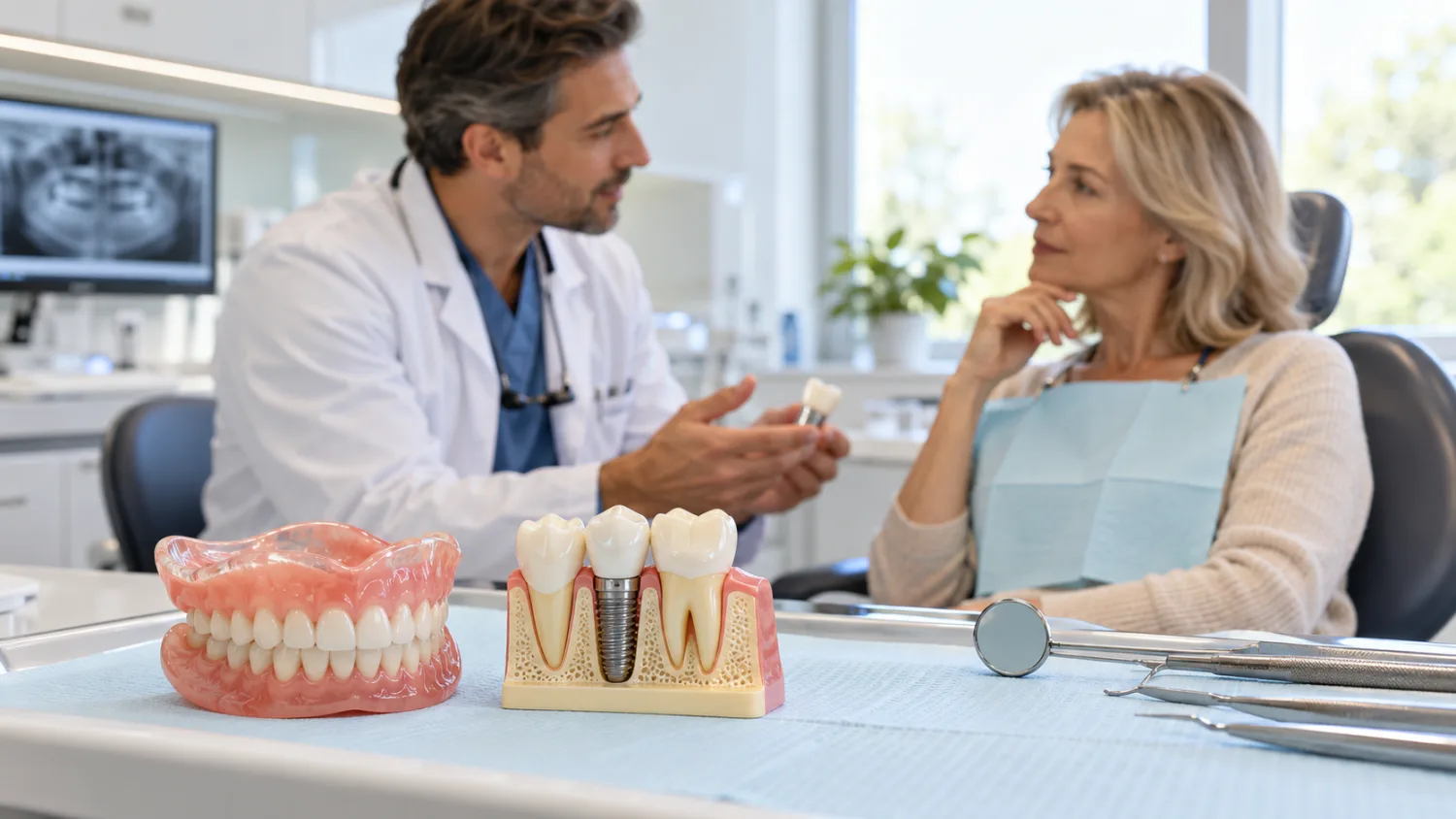
Dental anxiety is much more common than many people realise. Some people feel mildly nervous before a check-up. Others avoid the dentist for years because of fear, embarrassment, previous bad experiences, needle phobia, gag reflex, fear of pain, loss of control, shame about their teeth, or worry about cost.
If this sounds familiar, you are not alone — and you are not “difficult”. A good dental practice should take anxiety seriously. The right dentist can help you feel heard, explain treatment clearly, work at your pace, use pain control properly, offer breaks, and arrange sedation or referral if needed.
This guide explains how to find a gentle dentist in the UK, what to look for, what to ask before booking, how NHS and private options differ, what sedation can and cannot do, and how to make your first appointment feel more manageable.
You may also find these related guides useful: How to Choose a Dentist in the UK, What Makes a Good Dental Practice?, Dental Emergencies: What Counts as Urgent?, Toothache: Causes, Relief and When to See a Dentist, Broken Tooth: What to Do and Mouth Ulcers and Red Flags.
Quick summary
- Dental anxiety is common and can range from mild nerves to severe dental phobia.
- A gentle dentist should listen, explain, avoid judgement, agree a stop signal, offer breaks and respect your pace.
- Tell the practice you are nervous before booking, so they can arrange a suitable appointment.
- Your first visit does not have to involve treatment. It can be just a chat, check-up or planning appointment.
- Good pain control matters. You should be able to ask for more anaesthetic if something hurts.
- Sedation may be available for very anxious patients, but it is not needed for everyone and is not suitable in every case.
- NHS sedation access varies by area and may require referral. Private sedation is often faster but costs more.
- Avoid dentists or clinics that shame you, rush you, dismiss pain, or pressure you into treatment.
- If you have severe pain, swelling, fever, trauma or infection, seek urgent dental advice rather than delaying because of fear.
- The best dentist for anxiety is not always the most expensive one; it is the one who communicates well and makes care feel safe.
What is dental anxiety?
Dental anxiety means feeling worried, frightened or panicked about dental appointments or treatment. It can be mild, moderate or severe.
Some people feel nervous but still attend appointments. Others cancel repeatedly, delay treatment until pain becomes severe, or only seek care in emergencies. Severe dental fear is sometimes called dental phobia.
Dental anxiety can involve:
- Fear of pain.
- Fear of injections.
- Fear of drilling.
- Fear of choking or gagging.
- Fear of not being able to stop the treatment.
- Embarrassment about teeth, gums or breath.
- Fear of being judged.
- Fear of cost or being pressured into treatment.
- Fear after a bad childhood or adult dental experience.
- General anxiety, panic attacks or trauma-related triggers.
NHS Inform says that if fear is extreme and coping mechanisms are not enough, you can ask to be referred to a sedation clinic. NHS Inform has guidance on coping with fear of the dentist.
Why dental anxiety should be taken seriously
Dental anxiety is not just an emotional inconvenience. It can affect oral health because fear often leads to avoidance. Small problems can become bigger problems when check-ups are delayed.
Avoiding dental care can lead to:
- Untreated tooth decay.
- Toothache.
- Dental abscesses.
- Gum disease.
- Loose teeth.
- Broken teeth.
- Bad breath.
- More complex and expensive treatment later.
- More emergency appointments, which can feel more stressful.
The aim is not to “force yourself” through treatment. The aim is to find a dental team that helps you feel safe enough to start again.
What makes a dentist “gentle”?
A gentle dentist is not just someone with a soft voice. A truly gentle dentist combines clinical skill with good communication, patience and respect.
Signs of a gentle dentist include:
- They listen before looking in your mouth.
- They ask what you are worried about.
- They do not shame you about your teeth.
- They explain what they are doing before they do it.
- They agree a stop signal.
- They pause when you need a break.
- They check whether you are numb before treatment.
- They offer more anaesthetic if needed.
- They explain options and costs clearly.
- They do not pressure you into treatment on the same day.
- They understand that trust may take more than one visit.
CQC guidance for health and care providers emphasises person-centred care and treating people with dignity and respect. In dental care, that should mean your needs, preferences and concerns are taken seriously. CQC Regulation 9 covers person-centred care, and CQC Regulation 10 covers dignity and respect.
How to find a gentle dentist
Finding the right dentist may take a little research, but it is worth it if you have anxiety.
1. Look for nervous patient information on the website
A good practice often mentions nervous patients clearly. Look for pages about dental anxiety, gentle dentistry, sedation, pain-free care, longer appointments, or first visits for anxious patients.
However, marketing words are not enough. A website can say “gentle” while the experience still feels rushed. Use it as a first filter, not proof.
2. Read reviews carefully
Reviews can be useful, especially if patients mention anxiety, kindness, patience, explanations or pain-free treatment.
Look for phrases such as:
- “I was nervous and they were patient.”
- “They explained everything.”
- “No judgement.”
- “They stopped when I raised my hand.”
- “Good with anxious patients.”
- “Helped me after years of avoiding the dentist.”
Be cautious if reviews repeatedly mention rushed appointments, poor communication, surprise costs or feeling dismissed.
3. Phone or email before booking
The way a practice responds before you book tells you a lot. You do not need to explain your whole history, but you can say:
“I am very nervous about dental appointments and I am looking for a dentist who is patient with anxious patients. Is there a dentist at the practice who is especially good with this?”
Notice whether the receptionist sounds understanding or rushed. A supportive front desk can make a big difference.
4. Ask for a consultation first
Your first appointment does not have to involve treatment. You can ask for a check-up, discussion or treatment planning visit.
For many anxious patients, the first goal is simply:
- To meet the dentist.
- To explain fears.
- To have a gentle examination.
- To understand what treatment is needed.
- To leave with a plan.
You can decide about treatment later.
5. Ask about stop signals
A stop signal gives you a sense of control. It might be raising your left hand. A good dentist should agree to stop if you use it.
This is especially helpful if your fear is about not being able to speak during treatment.
6. Ask about pain control
Fear of pain is one of the most common reasons people avoid dentists. Modern dentistry should usually be comfortable with good local anaesthetic and communication.
Ask:
- Will you check I am fully numb before starting?
- Can I ask for more anaesthetic if needed?
- Do you use numbing gel before injections?
- Can treatment be done slowly with breaks?
7. Ask about sedation if fear is severe
Sedation can help some anxious patients have dental treatment they otherwise could not manage. It is not the right first step for everyone, but it can be valuable for severe anxiety, phobia, gag reflex or complex treatment.
NHS England’s clinical guide for dental anxiety management covers behavioural therapies, conscious sedation and referral for general anaesthesia in appropriate cases. NHS England guidance on dental anxiety management is available here.
NHS or private dentist for dental anxiety?
You can find gentle dentists in both NHS and private care. The best choice depends on access, urgency, budget, treatment needs and the level of support you require.
| Feature | NHS dental care | Private dental care |
|---|---|---|
| Cost | Lower fixed NHS charges in England unless exempt | Usually higher and varies by clinic |
| Access | Can be difficult in some areas | Often easier to book if you can pay |
| Appointment time | May be more limited | Often more flexibility for longer visits |
| Sedation | May require referral and depends on local services | Often available more quickly at practices that provide it |
| Choice of dentist | Depends on NHS availability | Usually more choice |
| Best for | Clinically necessary treatment at NHS charges | Longer appointments, more choice, cosmetic options or faster access |
A private dentist is not automatically more gentle, and an NHS dentist is not automatically rushed or uncaring. The individual dentist and practice culture matter most.
How NHS dental charges work for anxious patients
In England, NHS dental care is charged by bands unless you are exempt. From 1 April 2026, Band 1 is £27.90, Band 2 is £76.60, Band 3 is £332.10 and urgent dental treatment is £27.90. The dental professional should tell you the cost before treatment starts.
Anxiety itself does not usually change the NHS band, but it may affect how treatment is planned. For example, treatment may be staged over several visits, or you may be referred if sedation or special care dentistry is needed.
If cost is part of your anxiety, say so early. A good practice should explain NHS and private options clearly before you agree to treatment.
Private costs for nervous patients
Private fees vary by practice, location and treatment. Longer appointments and sedation usually cost more.
| Private service | Typical UK cost range | Notes |
|---|---|---|
| New patient consultation | Approximately £50 to £150+ | May include discussion, examination and basic planning. |
| Longer nervous patient appointment | Approximately £100 to £250+ | Useful for slow-paced assessment or staged care. |
| X-rays | Approximately £10 to £100+ | May be included or charged separately. |
| Hygienist appointment | Approximately £60 to £150+ | May help if anxiety is linked to embarrassment, gum health or bad breath. |
| Inhalation sedation | Approximately £100 to £300+ per visit | Often used for children or mild to moderate anxiety where available. |
| IV sedation | Approximately £250 to £700+ per visit | Costs vary and treatment fees are usually additional. |
| Treatment under sedation | Varies widely | Depends on the dental treatment plus sedation fees. |
These are broad guide prices only. Ask for a written estimate and check whether sedation, monitoring, review appointments, X-rays and dental treatment are included.
What sedation options are available?
Sedation helps reduce anxiety during dental treatment. It is different from general anaesthetic. With conscious sedation, you are relaxed but still able to respond.
Inhalation sedation
Inhalation sedation uses a calming gas breathed through a small nosepiece. It is sometimes called “happy air” or “gas and air”, although the exact delivery differs from childbirth gas and air.
It can be useful for children and some adults with mild to moderate anxiety. Recovery is usually quicker than IV sedation, but it is not suitable for everyone.
IV sedation
IV sedation is given through a small cannula, usually in the hand or arm. It makes you feel deeply relaxed and many people remember little about the treatment afterwards.
You usually need someone to take you home and stay with you afterwards. You cannot drive, work, sign important documents or drink alcohol for a period after sedation, according to the instructions given by the sedation provider.
Oral sedation
Some dentists or doctors may prescribe medication to help anxiety before treatment, but this depends on the patient, procedure and setting. It must be used carefully and only under professional instruction.
General anaesthetic
General anaesthetic means being unconscious. It is usually reserved for specific cases, often in hospital or specialist settings, because it carries more risk than conscious sedation.
NHS England guidance includes referral for treatment under general anaesthesia where appropriate, but it is not the default treatment for dental anxiety.
Can you get sedation on the NHS?
Sometimes. NHS sedation access depends on your clinical need, anxiety level, local services and referral pathways. You may need assessment first, and waiting times can vary.
NHS Inform says sedation clinics are used for nervous and anxious patients when fear is extreme and other coping mechanisms are not enough. It also explains that sedation may involve inhalation sedation or intravenous sedation. NHS Inform explains sedation clinic options here.
If you think you need sedation, ask your dentist:
- Can this treatment be done with local anaesthetic and a slower approach?
- Do you offer sedation here?
- Can you refer me for NHS sedation?
- What are the local waiting times?
- Would private sedation be an option?
- Are there medical reasons sedation may not be suitable for me?
Do you always need sedation if you are anxious?
No. Many anxious patients do well with the right dentist, clear communication, short appointments, stop signals, good anaesthetic and gradual treatment.
Sedation may be helpful if:
- You cannot tolerate treatment despite a gentle approach.
- You have severe phobia.
- You have a strong gag reflex.
- You need complex treatment.
- You have had previous traumatic dental experiences.
- You repeatedly cancel because of panic.
Sedation can help you get through treatment, but it does not always remove the underlying fear long term. Some people still benefit from gradual exposure, counselling, CBT or working with a dentist who builds confidence appointment by appointment.
What to say when booking
You do not need to feel embarrassed. Dental teams hear this regularly.
You could say:
“I have dental anxiety and I have avoided treatment for a while. I would like an appointment with a dentist who is good with nervous patients. I do not want treatment on the first visit unless it is urgent.”
Or:
“I am worried about pain and feeling out of control. Could the dentist explain things slowly and agree a stop signal before examining me?”
If you are nervous about speaking, send an email before the appointment. Many patients find this easier.
What to write in an email to a dental practice
You can copy and adapt this:
Hello, I am looking for a dentist who is experienced with nervous patients. I have dental anxiety and have delayed appointments because of it. I would like a gentle first appointment focused on assessment and discussion, not treatment unless urgent. I am particularly worried about [pain / injections / gagging / embarrassment / cost / previous bad experience]. Could you let me know whether one of your dentists would be suitable and whether longer appointments or sedation are available if needed?
How to prepare for your first appointment
Preparation can reduce uncertainty.
- Book at a time of day when you are less rushed.
- Tell the practice you are anxious before you arrive.
- Write down your fears and questions.
- Bring a trusted person if the practice allows it.
- Agree with yourself that the first visit can be just information gathering.
- Ask for a stop signal before the examination starts.
- Ask the dentist to explain findings without judgement.
- Ask for a written treatment plan if treatment is needed.
If embarrassment is the main issue, remember that dentists see broken teeth, gum disease, bad breath, missing teeth and dental infections every day. A good dentist should focus on helping, not criticising.
What should happen at a gentle first appointment?
A first appointment for an anxious patient should feel calm and structured.
It may include:
- A conversation about your concerns.
- Medical history and medication check.
- Discussion of previous dental experiences.
- Agreement on stop signals and breaks.
- A gentle examination if you feel able.
- X-rays only if needed and with explanation.
- Clear explanation of what is urgent and what can wait.
- Treatment options.
- Cost discussion.
- A step-by-step plan.
You should not feel trapped into treatment without understanding what is happening.
If you have not been to the dentist for years
Many people avoid the dentist for years because of anxiety. The longer it goes on, the harder it can feel to return. But dentists are used to this.
If you have not attended for a long time, the first visit may find:
- Tooth decay.
- Broken fillings.
- Gum disease.
- Tartar build-up.
- Wisdom tooth problems.
- Missing teeth.
- Loose teeth.
- Old dental work needing replacement.
That does not mean everything has to be fixed immediately. A good dentist will help prioritise:
- Urgent pain or infection.
- Stabilising decay and gum disease.
- Improving comfort and function.
- Planning longer-term repairs if needed.
- Cosmetic treatment only if you want it and it is suitable.
If you are embarrassed about your teeth
Embarrassment is one of the biggest barriers to dental care. People worry about being judged for decay, broken teeth, missing teeth, bad breath, smoking stains, gum disease or not attending sooner.
A gentle dentist should not lecture or shame you. They may need to explain what has caused a problem, but this should be practical and respectful.
You can say:
“I know my teeth are not in good condition and I am embarrassed. I need help, but I find criticism difficult. Please explain what needs doing without judgement.”
If a dentist makes you feel humiliated, it is reasonable to look for another dentist.
If you fear injections
Needle fear is common. Dentists can often make injections more manageable.
Ask about:
- Numbing gel before injection.
- Slow injection technique.
- Not showing you the needle.
- Distraction techniques.
- Breathing techniques.
- Taking breaks.
- Sedation if the fear is severe.
The injection is usually the part many people fear most, but good technique can make it much easier than expected.
If you have a strong gag reflex
A strong gag reflex can make dental care feel frightening. Tell the dentist before they examine you.
Helpful approaches may include:
- Sitting more upright.
- Using smaller instruments where possible.
- Taking breaks.
- Breathing through the nose.
- Distraction techniques.
- Topical anaesthetic in selected cases.
- Digital scanning instead of traditional impressions where available.
- Sedation for severe gag reflex if appropriate.
If you are scared of choking or not being able to breathe
This fear is common, especially during treatment when water, suction, rubber dam or instruments are used.
Ask the dentist to:
- Explain how suction works.
- Use short treatment bursts.
- Let you sit up during breaks.
- Agree a stop signal.
- Tell you when water will be used.
- Use rubber dam only after explaining it carefully.
Feeling in control can reduce panic.
If cost is part of your anxiety
Cost anxiety is real. Many people avoid dentists because they fear being told they need expensive treatment.
Ask for:
- NHS options if available.
- Private options only if you want them.
- A written treatment plan.
- Clear separation of urgent, necessary and optional treatment.
- Staged treatment if everything cannot be done at once.
- Payment plan details if private treatment is needed.
A good dentist should not make you feel pressured into expensive cosmetic work when your priority is pain relief, infection control or basic function.
Dental anxiety in children
Children can develop dental anxiety after painful experiences, rushed appointments, frightening language, parental anxiety, sensory sensitivities or emergency treatment.
A gentle dentist for children should:
- Use age-appropriate explanations.
- Avoid frightening words.
- Let the child look at simple instruments.
- Work slowly.
- Give praise.
- Stop if the child is overwhelmed.
- Focus on prevention, not blame.
- Refer for sedation or specialist care if needed.
For wider children’s dental advice, read: Children’s Teeth: Complete UK Parent Guide, Tooth Decay in Children and Braces for Children: NHS and Private Options.
Dental anxiety and neurodivergence
Some autistic people, people with ADHD, learning disabilities, sensory sensitivities or trauma histories may find dental care especially difficult. This does not mean dental treatment is impossible, but it may need adjustments.
Helpful adjustments may include:
- Quiet appointment times.
- Longer appointments.
- Written explanations before visits.
- Visual schedules.
- Reduced waiting time.
- Breaks during treatment.
- Clear step-by-step communication.
- Agreeing what touch or sounds are difficult.
- Referral to community dental services or special care dentistry if needed.
Tell the practice what helps. Reasonable adjustments can make care more accessible.
What if you need urgent dental care but are terrified?
Dental anxiety can make urgent problems feel impossible, but pain, swelling and infection should not be ignored.
Seek urgent dental advice if you have:
- Severe toothache.
- Facial swelling.
- A dental abscess.
- Pus or a bad taste.
- Fever with dental pain.
- A broken tooth causing pain.
- A lost filling or crown with pain or swelling.
- Bleeding that does not stop.
- Trauma to the mouth or teeth.
Call 999 or go to emergency care if swelling affects breathing or swallowing, if there is serious facial trauma, or if you feel seriously unwell.
Related guides: Swollen Face from a Tooth: When It Is an Emergency, Dental Abscess: Symptoms and Treatment, Broken Tooth: What to Do and Lost Filling or Crown: What to Do.
Red flags when choosing a dentist
Be cautious if a practice or dentist:
- Dismisses dental anxiety as silly.
- Refuses to explain treatment.
- Does not agree to a stop signal.
- Continues when you say something hurts.
- Shames you about your teeth.
- Pressures you into treatment immediately.
- Gives unclear costs.
- Only offers expensive private options without explaining alternatives.
- Seems annoyed by questions.
- Does not discuss sedation or referral when fear is severe.
Trust matters. If you feel unsafe or humiliated, it is reasonable to look elsewhere.
Questions to ask a gentle dentist
- Do you regularly treat nervous patients?
- Can the first appointment be just a check and discussion?
- Can we agree a stop signal?
- Will you explain each step before you do it?
- Can I have breaks during treatment?
- How do you make injections more comfortable?
- What happens if I am not numb enough?
- Do you offer longer appointments?
- Do you offer sedation?
- Can you refer me for sedation if needed?
- Can I bring someone with me?
- Can you provide a written treatment plan?
- Which treatment is urgent and which can wait?
- What are the NHS and private options?
Practical coping tips for the appointment
These will not remove severe phobia for everyone, but they can help.
- Tell the dentist you are anxious at the start.
- Use a stop signal.
- Ask for short explanations.
- Bring headphones if allowed.
- Listen to music or calming audio.
- Use slow breathing.
- Keep your feet uncrossed and shoulders relaxed.
- Ask for breaks before you feel overwhelmed.
- Book shorter appointments at first.
- Reward yourself afterwards for attending, even if you only managed a check-up.
Can therapy help dental phobia?
Yes, for some people. Cognitive behavioural therapy, often called CBT, can help with phobias and panic patterns. Some people benefit from gradual exposure, relaxation training, trauma-informed therapy or support from a mental health professional.
Therapy may be especially useful if dental fear is part of wider anxiety, panic attacks, trauma, medical phobia or needle phobia.
You can still seek dental care while working on anxiety. The right dentist and the right psychological support can work together.
How to rebuild confidence step by step
If your fear is severe, do not start by imagining the hardest treatment. Start with the smallest next step.
- Look up gentle dentists near you.
- Email one practice.
- Book a consultation only.
- Attend and talk, even if you do not have an examination.
- Have a gentle check-up.
- Get a written plan.
- Start with the simplest treatment or hygiene visit.
- Build up gradually.
Progress may be slow, but each positive appointment can reduce fear.
How to choose a practice on All Health and Care
When comparing dental practices, look beyond location. For anxious patients, the best practice is one that communicates clearly and treats you respectfully.
Look for:
- Mentions of nervous patients.
- Positive reviews about kindness and patience.
- Clear NHS and private information.
- Sedation availability or referral pathways.
- Emergency appointment information.
- Good accessibility and communication.
- Options for children or special care if relevant.
You can browse local dental providers through All Health and Care, including our Top 10 Dentists in the UK and local pages such as Top 10 Dentists in London.
Final thoughts
Dental anxiety can feel overwhelming, especially if you have avoided care for years. But the right dentist can make a major difference. You deserve to be treated with patience, dignity and respect — not shame.
A gentle dentist should listen first, explain clearly, agree a stop signal, use good pain control, offer breaks and help you make a plan at your pace. If your anxiety is severe, sedation or referral may be appropriate.
The first step does not have to be treatment. It can simply be contacting a practice and saying, “I am nervous and I need help.” For many people, that is the hardest part — and the beginning of getting back in control.
For more patient-friendly dental guides, visit our Dental Health & Dentistry section.
Frequently asked questions about dental anxiety
Is dental anxiety common?
Yes. Many people feel nervous about dental appointments, and some have severe dental phobia that stops them attending.
How do I find a dentist for nervous patients?
Look for practices that mention nervous patients, read reviews carefully, contact the practice before booking, and ask for a dentist who is patient and good at explaining treatment.
What should I tell the dentist if I am anxious?
Tell them what you fear most, such as pain, injections, gagging, embarrassment, cost or loss of control. This helps them adapt the appointment.
Can my first appointment be just a chat?
Often, yes. Ask for a consultation or check-up appointment where treatment is not done unless urgent.
What is a stop signal?
A stop signal is something like raising your hand to tell the dentist you need them to pause immediately.
Can dentists make injections less painful?
Yes. Numbing gel, slow injection technique, distraction and good communication can make injections easier for many people.
What if I am not numb enough?
Tell the dentist. You can usually have more anaesthetic or wait longer before treatment continues.
Can I bring someone with me?
Many practices allow this, especially for anxious patients, but ask when booking.
Can I wear headphones during dental treatment?
Often, yes. Ask the dentist. You still need to be able to hear important instructions or agree another communication method.
Can sedation help dental anxiety?
Yes, sedation can help some anxious patients tolerate dental treatment. It is not needed for everyone and suitability depends on your health and treatment needs.
What is IV sedation?
IV sedation is medication given through a small cannula to make you feel deeply relaxed during treatment.
Will I be asleep during sedation?
With conscious sedation, you are relaxed but not fully unconscious. You can usually still respond to the dental team.
Can I get sedation on the NHS?
Sometimes, but access varies by area and may require referral. Ask your dentist about local NHS sedation pathways.
How much does private dental sedation cost?
Private sedation varies, but IV sedation commonly costs several hundred pounds per visit, with dental treatment costs usually added separately.
Is private dentistry better for nervous patients?
Not automatically. Private dentistry may offer longer appointments and more flexibility, but many NHS dentists are also excellent with nervous patients.
What if I am embarrassed about my teeth?
Tell the dentist. A good dentist should help without judgement. Dentists regularly see decay, broken teeth, gum disease and missing teeth.
What if I have not seen a dentist for years?
Start with a consultation and assessment. You do not have to fix everything at once. A dentist can prioritise urgent and stabilising care first.
Can dental anxiety cause me to need more treatment?
Avoiding appointments can allow small problems to become more serious, but it is never too late to start again.
What if a dentist shames me?
You can leave and choose another dentist. Shame is not a treatment plan, and you deserve respectful care.
Can therapy help dental phobia?
Yes. CBT, gradual exposure and trauma-informed therapy can help some people with severe dental fear.
How can I help my child with dental anxiety?
Choose a child-friendly dentist, use positive language, avoid threats, start with simple visits, and tell the dental team about your child’s fears.
Can autistic people or people with ADHD get adjustments at the dentist?
Yes. Helpful adjustments may include quieter appointments, longer visits, written plans, breaks, visual explanations and referral to special care dentistry if needed.
What if I need urgent dental care but I am scared?
Tell the urgent dental service that you are very anxious. Severe pain, swelling, pus, fever or trauma should not be ignored.
Can I ask the dentist to stop during treatment?
Yes. Agree a stop signal before treatment starts so you can pause whenever needed.
What is the best way to start after years of avoidance?
Start small: email a practice, explain you are nervous, book a consultation, and focus first on getting information rather than treatment.