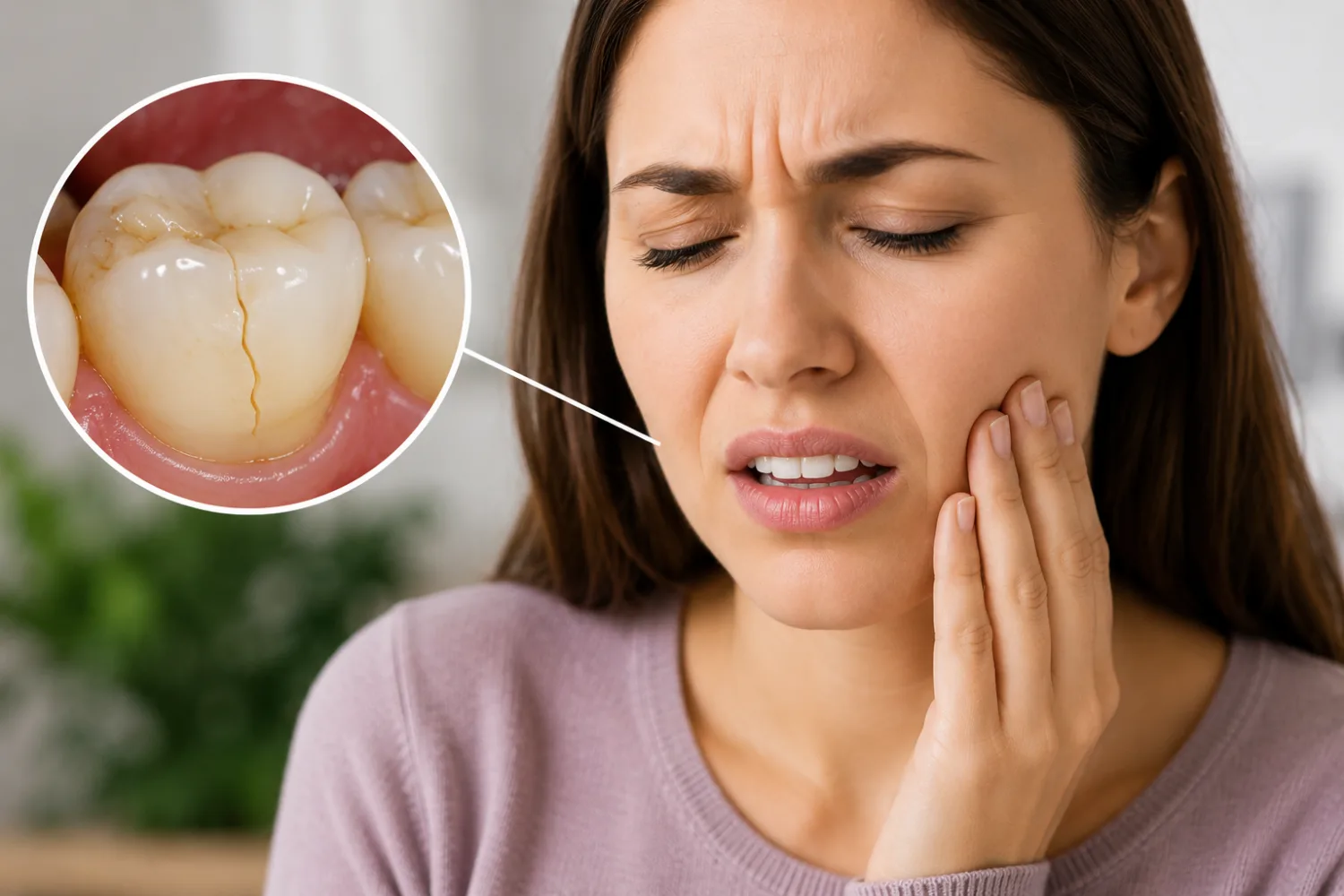
Tooth extraction means having a tooth removed from its socket in the jawbone. It is a common dental procedure, but it can still feel worrying if you have never had one before. Many people are concerned about pain, how long recovery takes, whether they will need time off work, what dry socket feels like, and how much treatment will cost.
In most cases, dentists try to save teeth where it is safe and sensible to do so. A filling, crown, root canal treatment or gum treatment may sometimes allow a tooth to stay in place. But there are situations where removing a tooth is the best or only realistic option: severe decay, advanced gum disease, infection, a badly broken tooth, impacted wisdom teeth, overcrowding before orthodontic treatment, or a tooth that cannot be restored reliably.
This guide explains why teeth are removed, what happens during a tooth extraction, how painful it is likely to be, what recovery feels like, how to reduce the risk of dry socket, and what tooth extraction costs on the NHS and privately in the UK.
Why might a tooth need to be removed?
A tooth is usually removed when keeping it would cause more problems than taking it out. That does not always mean the tooth has been neglected. Sometimes teeth break unexpectedly, old dental work fails, gum disease weakens support around the tooth, or a wisdom tooth becomes repeatedly infected because it cannot come through properly.
The most common reason is severe tooth decay. If decay is still limited enough, a dentist may repair the tooth with a filling. Our guide to dental fillings explains when a filling may be enough. If decay has reached the nerve, root canal treatment may be considered. But if the tooth is too damaged, too infected or too weak to restore, extraction may be recommended.
Advanced gum disease is another common reason. Gum disease can damage the bone and tissues that hold teeth in place. If a tooth becomes very loose, painful or repeatedly infected, removal may be needed. In some cases, removing a hopeless tooth also helps protect the surrounding teeth and gums.
Teeth may also be removed because they are badly cracked, fractured below the gumline, causing repeated abscesses, affecting neighbouring teeth, or blocking orthodontic treatment. Wisdom teeth are a special case: they are often removed only when they cause repeated pain, infection, decay, cysts or damage to nearby teeth. If your problem is wisdom-tooth related, see our guide to wisdom tooth pain and removal.
Can the tooth be saved instead?
Before removing a tooth, a dentist should usually consider whether it can be saved. The answer depends on how much healthy tooth remains, whether the nerve is infected, how strong the root is, how much bone support remains, whether the tooth can be cleaned, and whether future treatment would be predictable.
A filling may be enough for a smaller cavity or chip. A crown may be better if the tooth is heavily filled or weakened but still restorable. Root canal treatment may save a tooth when the nerve is infected but the tooth structure is still good enough to support a restoration. Gum treatment may help if the tooth has support but the gums are inflamed or infected.
However, saving a tooth is not always the best choice. A tooth can sometimes be technically “saveable” but have a poor long-term outlook. For example, repeated root infections, a vertical root fracture, severe bone loss or a crack extending below the gumline may make treatment expensive with a low chance of lasting success.
This is where a clear conversation matters. Ask your dentist what the alternatives are, how long each option is expected to last, what the risks are, and what happens if you delay. If there is uncertainty, you may wish to ask about referral or a second opinion, especially before removing a visible tooth or a tooth that affects chewing.
Simple extraction vs surgical extraction
Not all tooth extractions are the same. A simple extraction is usually used when the tooth is visible in the mouth and can be loosened and removed with dental instruments. This is common for many decayed, loose or broken teeth where enough of the tooth is accessible.
A surgical extraction is more complex. It may be needed if the tooth has broken down to gum level, has curved or difficult roots, is impacted, is partly covered by gum or bone, or is a wisdom tooth in a difficult position. Surgical extraction may involve making a small cut in the gum, removing a small amount of bone, or dividing the tooth into pieces so it can be removed more safely.
Simple extractions are often carried out by general dentists. Surgical extractions may be done by a dentist with additional experience, an oral surgeon, or a hospital dental team, depending on complexity and local services.
If your dentist recommends a surgical extraction, ask why it is needed, who will carry it out, what the risks are, how long recovery is likely to take, and whether you will need stitches. Surgical extraction is not automatically dangerous, but it does usually require more careful aftercare.
What happens before a tooth extraction?
Before a tooth is removed, the dentist will examine your mouth and usually review your dental and medical history. They may ask about pain, swelling, previous infections, medication, allergies, smoking, pregnancy, bleeding problems, heart conditions, diabetes, immune problems, osteoporosis medicines or blood thinners.
Dental X-rays are often used before extraction. They help the dentist see the shape of the roots, the surrounding bone, infection, nearby teeth, and important structures such as nerves or sinuses. This is especially important for wisdom teeth, heavily broken teeth, root-treated teeth and surgical extractions. Our guide to dental X-rays explains the different types and why they may be recommended.
You should be told what tooth is being removed and why. You should also be told about the main risks, such as pain, bleeding, swelling, infection, dry socket, damage to nearby teeth or fillings, root fragments, and nerve-related symptoms in some lower wisdom tooth cases.
If you are anxious, tell the dentist before treatment starts. Many people are nervous about extractions. A good dental team can explain each step, agree a stop signal, give local anaesthetic carefully, and discuss options such as sedation if appropriate and available. If fear has made you avoid treatment, our guide to dental anxiety may help.
What happens during a tooth extraction?
Most tooth extractions are carried out under local anaesthetic. This means the area around the tooth is numbed while you stay awake. You should feel pressure and movement, but you should not feel sharp pain. If you do feel pain, raise your hand or use the stop signal agreed with your dentist so more anaesthetic can be given.
For a simple extraction, the dentist gently loosens the tooth using dental instruments. This can feel like firm pushing or rocking. Once the tooth is loose enough, it is removed. The dentist then checks the socket, may clean the area, and may place gauze for you to bite on to help a blood clot form.
For a surgical extraction, the dentist or surgeon may make a small cut in the gum. The tooth may be sectioned into smaller pieces or a small amount of bone may be removed to make extraction safer. Stitches may be placed afterwards. Some stitches dissolve on their own, while others need to be removed at a follow-up visit.
The sounds and sensations can feel strange, but local anaesthetic should control pain during the procedure. The pressure can be strong because teeth are held firmly in bone. This is normal and does not mean something is going wrong.
Does tooth extraction hurt?
During the extraction itself, you should not feel sharp pain if the tooth is properly numb. You may feel pushing, pulling, vibration, cracking sounds or pressure. These sensations can be unpleasant, but they are different from pain.
After the anaesthetic wears off, soreness is normal. The level of discomfort depends on the tooth, the difficulty of the extraction, whether there was infection, whether it was surgical, and your individual pain sensitivity. A simple extraction may feel sore for a few days. A surgical extraction or wisdom tooth removal can be more uncomfortable and may involve swelling, bruising and jaw stiffness.
Over-the-counter pain relief such as paracetamol or ibuprofen may be recommended if you can take them safely. Follow the advice given by your dentist, pharmacist or doctor, especially if you have asthma, stomach ulcers, kidney disease, liver disease, take blood thinners, are pregnant, or have other medical conditions.
Pain should gradually improve after the first few days. If pain suddenly becomes worse after initially improving, especially around days 3 to 5, dry socket is a possibility. If pain is severe, worsening, associated with swelling, fever, bad taste or feeling unwell, contact a dentist for advice.
Tooth extraction recovery: what to expect
Recovery starts with the blood clot. After a tooth is removed, a clot forms in the socket. This clot is important because it protects the bone and nerves underneath while healing begins. Much of the aftercare advice is designed to protect this clot.
For the first few hours, you may be asked to bite gently on gauze. Some oozing is normal. Your mouth may feel numb, and you should avoid chewing until normal feeling returns so you do not bite your cheek or tongue. Rest is sensible for the rest of the day.
For the first 24 hours, many NHS aftercare leaflets advise avoiding vigorous rinsing, spitting, smoking, alcohol, hot drinks, strenuous exercise and disturbing the socket. These actions can increase bleeding or dislodge the clot. NHS England patient information also advises avoiding mouthwash, mouth rinses, hot food and drinks, and strenuous activity for the first 24 hours after tooth removal.
After 24 hours, gentle warm salt-water rinses may be recommended, especially after meals. The key word is gentle. Do not rinse aggressively. Keep brushing your other teeth, but be careful around the extraction site.
Most people can return to normal light activities within a day or two after a simple extraction. More complex extractions may need longer. Swelling often peaks after 24 to 48 hours and then gradually improves. Stiffness, bruising and tenderness can last longer after surgical extractions.
Dry socket: symptoms, risk and treatment
Dry socket is one of the most talked-about extraction complications because it can be very painful. It happens when the blood clot in the socket does not form properly, breaks down too early, or is dislodged before the socket has started to heal.
The typical pattern is increasing pain a few days after extraction, often around days 3 to 5. The pain may spread to the ear, temple or jaw. You may notice a bad taste or bad breath. Guy’s and St Thomas’ NHS guidance describes dry socket as pain and inflammation after extraction, often with increasing pain, unpleasant taste and bad breath, usually 3 to 5 days after treatment.
Dry socket is not the same as a normal sore socket. Some discomfort after extraction is expected. Dry socket pain is usually more intense, often gets worse rather than better, and may not be controlled well with usual painkillers.
Risk factors can include smoking, vaping, difficult extractions, lower wisdom tooth removal, previous dry socket, poor oral hygiene and disturbing the clot too early. Some NHS hospital guidance also notes smoking or vaping increases the risk of dry socket.
If you think you have dry socket, contact your dentist. Treatment usually involves carefully cleaning the socket and sometimes placing a soothing dressing. Antibiotics are not always needed unless there are signs of infection. The aim is usually pain relief while the socket heals.
What can you eat after a tooth extraction?
For the first day, choose soft, cool or lukewarm foods that do not require heavy chewing. Good options may include yoghurt, soup that is not hot, mashed potato, scrambled eggs, smoothies eaten with a spoon, porridge that has cooled, soft pasta, rice, avocado or soft fish.
Avoid hard, crunchy, spicy or very hot foods at first. Nuts, crisps, seeds, crusty bread and small grains can irritate the socket or get trapped. Avoid drinking through a straw, because suction can disturb the clot.
Drink plenty of water. Avoid alcohol for the first 24 hours or longer if your dentist advises it, especially if you have been prescribed medication. If you smoke, try not to smoke after the extraction, as smoking increases the risk of delayed healing and dry socket.
As the socket becomes more comfortable, gradually return to normal foods. Chew on the other side if possible until the area is less tender.
How much does tooth extraction cost?
The cost of tooth extraction depends on whether it is NHS or private, whether it is simple or surgical, and whether it is part of urgent care or a wider course of treatment.
In England, clinically necessary tooth extraction is usually included in NHS Band 2 treatment. From April 2026, Band 2 is £76.60. Band 2 includes all Band 1 items, plus treatment such as fillings, root canal treatment, removing teeth and other oral surgery procedures.
If you receive urgent NHS dental treatment, the urgent treatment charge in England is £27.90 from April 2026. Urgent care aims to deal with the immediate problem, such as pain, infection, temporary treatment or extraction if required. If you later need a full course of treatment, a different band may apply.
NHS dental charges differ in Scotland, Wales and Northern Ireland, and some people are entitled to free or reduced-cost NHS dental care. Check official local guidance or ask the dental practice before treatment begins.
Private tooth extraction costs vary widely. A simple private extraction may cost around £120 to £280 in many practices, while surgical extraction, wisdom tooth removal or specialist oral surgery can cost more. Private clinics may also charge separately for consultation, X-rays, sedation, follow-up appointments or specialist referral.
Before private treatment, ask for a written estimate. It should explain whether the fee includes X-rays, the extraction, aftercare, follow-up, stitches, emergency advice and any sedation. If the tooth is difficult, ask whether the price could change if the extraction becomes surgical.
What happens after a tooth is removed?
After a tooth is removed, the immediate priority is healing. Once the area has settled, the next question is whether the missing tooth needs to be replaced. This depends on which tooth was removed, your bite, appearance, chewing function, gum health, budget and personal preference.
Not every extracted tooth must be replaced. For example, some wisdom teeth do not need replacement. But losing a chewing tooth or visible tooth can affect how you eat, speak and smile. Neighbouring teeth may drift over time, and the opposing tooth may over-erupt into the space.
Common replacement options include dentures, bridges and dental implants. A denture is removable and can replace one or more teeth. A bridge is fixed and uses neighbouring teeth or implants for support. An implant replaces the root with a titanium fixture placed in the jawbone, then supports a crown, bridge or denture.
Each option has pros, cons, costs and suitability criteria. A denture may be cheaper and quicker. A bridge may feel more fixed but may involve preparing neighbouring teeth. An implant may feel more like a natural tooth but usually costs more and requires enough healthy bone and good oral hygiene.
If you are planning ahead, see our guides to dentures in the UK, dental bridges and dental implants.
When to get urgent help after extraction
Some soreness, swelling and minor bleeding can be normal after extraction. But certain symptoms need dental advice quickly.
Contact your dentist urgently or use NHS 111 if bleeding does not stop after following pressure advice, pain is severe or worsening, you suspect dry socket, swelling is increasing, you have pus, fever, a bad taste with worsening symptoms, difficulty opening your mouth, or you feel generally unwell.
If you think you have a dental abscess, NHS guidance advises asking for an urgent dentist appointment or getting help from NHS 111, and not going to a GP surgery because GPs cannot provide dental treatment.
Call 999 or go to emergency care if swelling affects your breathing, swallowing or eye area, if you have serious facial trauma, or if you feel severely unwell with signs of spreading infection.
Do not ignore worsening symptoms because you think pain is “normal after extraction”. Recovery should gradually improve. Pain that gets worse after a few days, heavy bleeding, spreading swelling or fever should be assessed.
FAQ
Is tooth extraction painful?
The extraction itself should not be sharply painful if the area is properly numbed with local anaesthetic. You may feel pressure, movement and pulling. Soreness after the anaesthetic wears off is normal and usually improves over the following days.
How long does tooth extraction take?
A simple extraction may take only a short time once the tooth is numb, although the full appointment is longer because of assessment, anaesthetic and aftercare. Surgical or wisdom tooth extractions can take longer.
How long does recovery take after a tooth extraction?
Many people feel much better within a few days after a simple extraction. The gum may take a couple of weeks to close over, while deeper bone healing takes longer. Surgical extractions and wisdom teeth can take more time to settle.
Can I go back to work after a tooth extraction?
Some people return to work the next day after a simple extraction, especially if their job is not physically demanding. If the extraction was surgical, involved sedation, or your job involves heavy lifting, you may need more time off.
What is dry socket?
Dry socket is a painful complication where the protective blood clot in the extraction socket is lost or does not form properly. It often causes worsening pain around 3 to 5 days after extraction and may cause bad taste or bad breath.
How can I reduce the risk of dry socket?
Follow your dentist’s aftercare instructions. Avoid smoking or vaping, avoid spitting and vigorous rinsing in the first 24 hours, avoid straws, avoid disturbing the socket, and keep the area clean with gentle rinsing when advised.
How much is tooth extraction on the NHS?
In England, clinically necessary tooth extraction is usually NHS Band 2 treatment, which is £76.60 from April 2026. Urgent dental treatment has a separate charge of £27.90. Charges and rules differ in Scotland, Wales and Northern Ireland.
How much does private tooth extraction cost?
Private simple extraction may cost around £120 to £280 in many practices, but surgical extraction, wisdom tooth removal or specialist oral surgery may cost more. Ask for a written estimate before treatment.
Can antibiotics fix a tooth that needs extraction?
Antibiotics may help some spreading infections, but they do not remove the source of a dental infection. A tooth causing repeated or severe infection may still need dental treatment such as drainage, root canal treatment or extraction.
Can I eat after a tooth extraction?
Yes, but start with soft, cool or lukewarm foods and avoid chewing on the extraction side. Avoid hard, crunchy, spicy or hot foods at first, and do not drink through a straw because suction can disturb the clot.
Do I need to replace a tooth after extraction?
It depends on the tooth. Wisdom teeth usually do not need replacement. A visible tooth or important chewing tooth may need replacing with a denture, bridge or implant to restore appearance, function and bite stability.
When should I worry after a tooth extraction?
Get dental advice if pain is worsening after a few days, bleeding will not stop, swelling is increasing, you have fever, pus, bad taste with worsening symptoms, difficulty opening your mouth, or you feel unwell.