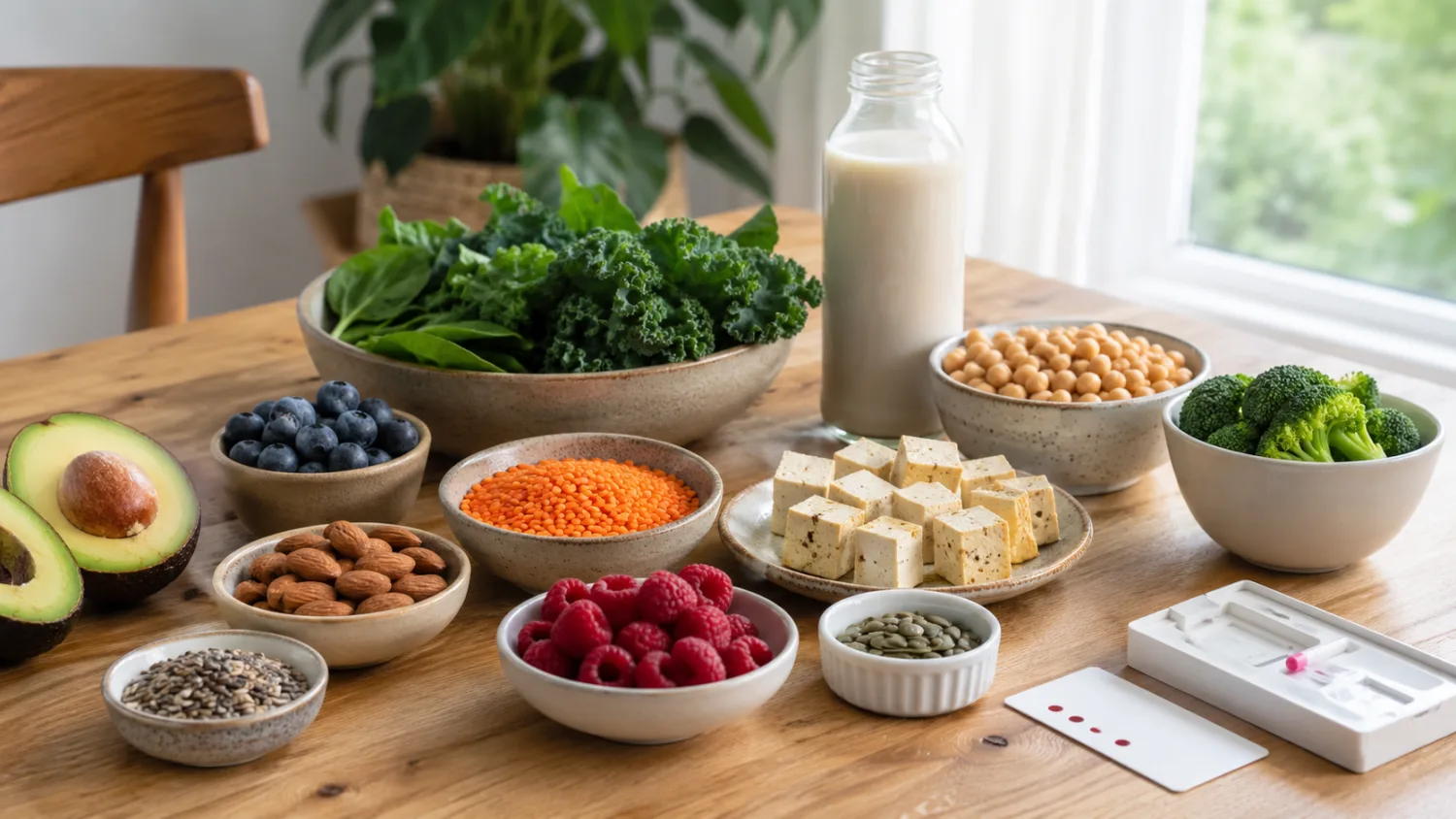
A well-planned vegan or vegetarian diet can provide excellent nutrition. Plant-based eating patterns are often rich in fibre, fruit, vegetables, pulses, whole grains, nuts and seeds. They may also contain less saturated fat than diets centred heavily on meat and processed foods.
However, removing meat—and, in a vegan diet, eggs, dairy and all other animal-derived foods—changes where several important nutrients come from. Vitamin B12 deserves particular attention because reliable natural plant sources are extremely limited. Iron, iodine, calcium, vitamin D, zinc, selenium and omega-3 fats may also require more careful planning.
This does not mean every vegan or vegetarian needs a large annual blood panel. Blood tests are most useful when they answer a specific question, such as whether persistent fatigue could be related to anaemia, whether vitamin B12 supplementation is adequate, or whether a restrictive diet has contributed to a deficiency.
Some nutrients can be assessed reasonably well through blood testing. Others are harder to interpret because the blood concentration may not accurately represent the body’s total stores. A normal result can also provide false reassurance when the diet itself remains poorly balanced.
This guide explains which blood tests vegans and vegetarians may consider, who is most likely to benefit from testing, what the results can and cannot show, and when dietary assessment may be more useful than ordering an extensive micronutrient panel.
Important: Seek medical advice if you have persistent fatigue, unexplained weight loss, breathlessness, neurological symptoms, severe weakness, ongoing digestive problems or another concerning change. Do not assume that every symptom is caused by a plant-based diet or attempt to treat a suspected deficiency with very high supplement doses without appropriate guidance.
Do all vegans and vegetarians need regular blood tests?
No. A person who eats a varied diet, uses appropriate fortified foods or supplements and has no symptoms may not need a comprehensive nutritional panel every year.
The value of testing depends on:
- Whether you are vegan, vegetarian or mostly plant-based
- How long you have followed the diet
- Whether you use reliable supplements
- The range of foods you eat
- Your age
- Menstrual blood loss
- Pregnancy or breastfeeding
- Medicines
- Digestive or absorption problems
- Previous bariatric or gastrointestinal surgery
- Symptoms
- Previous blood-test results
A vegetarian who regularly consumes eggs and dairy may obtain vitamin B12, iodine, calcium and protein from those foods. A vegan who avoids fortified products and does not take supplements has a different nutritional risk, even when both diets are described as plant-based.
Testing may be especially useful if you:
- Have persistent fatigue or weakness
- Experience pins and needles, numbness or balance problems
- Have heavy periods
- Are pregnant, breastfeeding or trying to conceive
- Follow a highly restrictive diet
- Have experienced rapid weight loss
- Have coeliac disease, inflammatory bowel disease or chronic diarrhoea
- Have had bariatric or stomach surgery
- Take metformin or long-term acid-suppressing medicine
- Do not use a reliable source of vitamin B12
- Previously had low ferritin, B12 or vitamin D
A blood test should ideally lead to a decision. This might involve starting or adjusting supplementation, investigating blood loss, assessing absorption or reviewing the overall diet with a registered dietitian.
If neither a normal nor an abnormal result would change anything, testing may not be particularly useful.
Vitamin B12: the most important test to consider
Vitamin B12 is needed for healthy red blood cells, DNA production and normal nervous-system function.
Unlike many other nutrients, reliable natural plant sources of vitamin B12 are extremely limited. Vegans generally need fortified foods, a supplement or both. Some vegetarians can obtain B12 from eggs and dairy, but intake may still be inadequate when these foods are eaten infrequently.
The NHS vegan diet guidance identifies vitamin B12 as one of the nutrients that can be missed when the diet is not planned carefully.
Symptoms that may justify testing
Possible symptoms of vitamin B12 deficiency include:
- Persistent tiredness
- Weakness
- Shortness of breath
- Headaches
- A sore or red tongue
- Mouth ulcers
- Pins and needles
- Numbness
- Balance or coordination problems
- Memory or concentration changes
- Visual symptoms
- Low mood or psychological changes
Neurological symptoms can occur before anaemia develops. A normal haemoglobin result therefore does not automatically rule out B12 deficiency.
The NHS warns that some neurological complications of untreated B12 deficiency can become irreversible, which is why persistent pins and needles, balance changes or cognitive symptoms deserve prompt assessment.
Which B12 test is useful?
Testing may include:
- Total serum vitamin B12
- Active B12, also called holotranscobalamin
- Full blood count
- Folate
- Methylmalonic acid in selected cases
- Homocysteine in selected cases
Total B12 is widely used, but a borderline result can be difficult to interpret. Active B12 measures the fraction available to cells and may provide additional information, although it is not perfect.
Methylmalonic acid can rise when cellular B12 availability is inadequate. It is sometimes useful where symptoms and the initial B12 result do not agree, but kidney function can influence the measurement.
Our guide to vitamin B12 and folate blood-test results explains low, borderline and apparently normal results in more detail.
Test before starting high-dose supplements where possible
If you already take a B12 supplement, the blood concentration may be raised even when supplementation began only recently. This can make the original nutritional status harder to establish.
When symptoms are mild and testing is planned, collecting the sample before starting high-dose replacement can produce a clearer baseline. Do not delay treatment when neurological symptoms are significant or a clinician has advised immediate supplementation.
Do not stop regular preventive B12 supplementation for a prolonged period merely to make a test abnormal. The aim is to prevent deficiency, not prove it.
Full blood count, ferritin and iron studies
Plant foods can provide plenty of iron. Useful sources include beans, lentils, chickpeas, tofu, seeds, nuts, fortified cereals, whole grains and green vegetables.
The iron in plant foods is non-haem iron, which is absorbed less efficiently than the haem iron found in meat. Absorption also varies according to the rest of the meal.
Vitamin C can improve non-haem iron absorption. Tea and coffee consumed around an iron-rich meal can reduce it.
Full blood count
A full blood count, or FBC, measures red blood cells, white blood cells and platelets.
For iron-related assessment, important results include:
- Haemoglobin
- Red blood cell count
- Haematocrit
- Mean cell volume, or MCV
- Mean cell haemoglobin, or MCH
Iron-deficiency anaemia commonly causes low haemoglobin and smaller, paler red blood cells. However, a normal full blood count does not prove that iron stores are adequate.
Our guide to full blood count results explains the main measurements.
Ferritin
Ferritin reflects stored iron and is usually the most useful initial test when iron deficiency is suspected.
Testing is particularly relevant if you have:
- Heavy or prolonged periods
- Pregnancy or recent childbirth
- Persistent fatigue
- Breathlessness
- Restless legs
- Headaches
- Hair shedding
- Regular blood donation
- A restrictive or low-calorie diet
- Digestive symptoms
Ferritin may become low before anaemia develops. This pattern is known as iron deficiency without anaemia.
Our guide to low ferritin with normal haemoglobin explains why this can occur and what may need further investigation.
Ferritin is affected by inflammation
Ferritin can rise during infection, inflammation, liver disease and some metabolic conditions. A result within or above the laboratory range does not always prove that iron stores are sufficient.
Where the result is difficult to interpret, additional tests may include:
- Transferrin saturation
- Serum iron
- Transferrin
- Total iron-binding capacity
- CRP or another inflammation marker
Our broader guide to iron, ferritin and anaemia results explains how these measurements fit together.
Do not assume low iron is caused only by diet
In menstruating women, heavy periods are a common cause of iron deficiency. In men and postmenopausal women, confirmed iron deficiency generally requires particular attention because gastrointestinal blood loss or poor absorption may need to be excluded.
Coeliac disease can reduce iron absorption and may present mainly through fatigue or iron deficiency rather than obvious digestive symptoms.
Taking iron without investigating the cause may improve the result temporarily while allowing the underlying problem to continue.
Vitamin D, calcium and bone health
Vitamin D helps regulate calcium and supports bone and muscle health. Food provides relatively little vitamin D, regardless of whether the diet is vegan, vegetarian or omnivorous.
In the UK, sunlight is an important source during spring and summer. Public-health guidance generally recommends considering a daily vitamin D supplement during autumn and winter, with year-round supplementation advised for some higher-risk groups.
When vitamin D testing may be useful
Vitamin D testing is not automatically required for every vegan or vegetarian. It may be appropriate when there is:
- Bone pain
- Muscle weakness
- A previous deficiency
- Osteoporosis or increased fracture risk
- Very limited sun exposure
- Darker skin
- Clothing that covers most of the skin
- Malabsorption
- Liver or kidney disease
- A medicine affecting bone health
The standard blood test measures 25-hydroxyvitamin D.
Our guide to vitamin D blood-test results explains deficiency, insufficiency and supplementation.
Calcium blood tests do not measure dietary calcium intake
Calcium is important for bones, muscles, nerves and heart function. Vegan sources include calcium-set tofu, fortified plant drinks, fortified yoghurt alternatives, sesame products and selected green vegetables.
A blood calcium result is tightly regulated by hormones and does not provide a simple measure of whether you consume enough calcium. The body can maintain blood calcium partly by drawing calcium from bone.
A normal blood calcium result therefore does not prove that long-term calcium intake is adequate.
Calcium testing is more relevant when investigating:
- Abnormal kidney function
- Parathyroid disease
- Vitamin D disorders
- Bone disease
- Symptoms of high or low calcium
A bone profile may include calcium, adjusted calcium, albumin, phosphate and ALP. Our guide to calcium and bone-profile results explains what these markers can show.
Bone density requires a scan
Routine blood tests cannot diagnose osteoporosis. Bone density is measured using a DEXA scan.
Assessment may be particularly relevant where there is:
- Low body weight
- A previous low-trauma fracture
- Early menopause
- Long-term steroid use
- Coeliac disease
- An eating disorder
- Very restrictive eating
- A strong family history of osteoporosis
Iodine and thyroid testing
Iodine is needed to make thyroid hormones. In the UK, major dietary sources commonly include dairy foods and fish. Vegans and some vegetarians may have a lower intake unless they use iodine-fortified foods or a suitable supplement.
Not every plant drink contains iodine. A product may be fortified with calcium, B12 and vitamin D while still providing little or no iodine. Check the label rather than assuming all alternatives are nutritionally equivalent.
The British Dietetic Association identifies people who avoid fish and dairy as being at greater risk of iodine deficiency. It advises using a reliable source such as iodine-fortified alternatives or an appropriately dosed supplement. Seaweed is not always a safe or consistent solution because its iodine content can vary greatly.
Can an ordinary blood test check iodine?
Iodine status is difficult to assess through a standard private blood panel. Urinary iodine can be used in population studies, but one spot urine result varies with recent intake and may be difficult to interpret for an individual.
This means dietary assessment is often more useful than routine iodine blood testing.
Thyroid function tests
Long-term inadequate iodine intake can affect thyroid function, but thyroid blood tests do not directly measure dietary iodine.
A basic thyroid assessment usually includes:
- TSH
- Free T4
- Sometimes free T3
- Thyroid antibodies in selected circumstances
Testing may be appropriate with:
- Persistent fatigue
- Feeling unusually cold
- Unexplained weight change
- Constipation
- Palpitations
- Neck swelling
- Menstrual changes
- Fertility problems
- A family history of thyroid disease
Our thyroid blood-test results guide explains TSH, free T4 and free T3 patterns.
Avoid excessive iodine supplementation
More iodine is not necessarily better. Excess iodine can also disrupt thyroid function, particularly in susceptible people.
Do not use high-dose iodine or kelp supplements without professional advice. This is especially important if you have thyroid disease, take thyroid medication, are pregnant or are trying to conceive.
Zinc, selenium and magnesium testing
Zinc, selenium and magnesium are frequently included in private micronutrient panels, but the results are not always straightforward.
Zinc
Zinc supports immune function, wound healing, growth and reproduction.
Plant sources include:
- Beans and lentils
- Tofu and tempeh
- Nuts
- Seeds
- Whole grains
- Fortified cereals
Compounds called phytates in plant foods can reduce zinc absorption, although preparation methods such as soaking, sprouting, fermenting and using leavened bread may improve availability.
Zinc testing may be considered with:
- Severe dietary restriction
- Malabsorption
- Long-term diarrhoea
- Poor wound healing
- Loss of taste or smell
- Unexplained skin problems
- Previous bariatric surgery
Routine zinc testing is not necessary for every healthy vegan. Serum zinc is affected by inflammation, meals and time of day and may not perfectly reflect tissue status.
Long-term high-dose zinc supplementation can cause copper deficiency.
Selenium
Selenium supports thyroid enzymes and antioxidant systems.
Plant-food selenium content depends heavily on the soil in which food was grown. Brazil nuts are often promoted as a source, but their selenium content can vary considerably.
Selenium blood testing is not usually required for healthy people with a varied diet. It may be considered with severe restriction, malabsorption or a specific clinical concern.
Excess selenium can be harmful and may cause hair loss, brittle nails, gastrointestinal symptoms and neurological problems.
Magnesium
Plant-based diets can contain substantial magnesium through whole grains, nuts, seeds, beans and green vegetables.
A standard serum magnesium result represents only a small proportion of total body magnesium. A normal result does not always prove that body stores are optimal, while a low result is generally meaningful.
Testing may be useful with:
- Persistent diarrhoea
- Malabsorption
- Alcohol dependence
- Medicines that lower magnesium
- Unexplained cramps or weakness
- Abnormal calcium or potassium
- Certain heart-rhythm problems
Commercial intracellular or red-cell magnesium tests are sometimes marketed as more informative, but interpretation and clinical usefulness are not always clear.
Protein, omega-3 fats and other nutrients blood tests cannot easily assess
A common misconception is that a standard blood panel can confirm whether a vegan or vegetarian diet contains enough protein and every essential fat.
Protein
Protein needs can generally be met through:
- Beans
- Lentils
- Chickpeas
- Tofu
- Tempeh
- Soya products
- Seitan
- Nuts and seeds
- Whole grains
- Eggs and dairy for vegetarians who consume them
Albumin is sometimes described as a protein-status test, but it is influenced by inflammation, liver function, kidney disease and fluid balance. It is not a sensitive screening test for whether a generally healthy person eats enough protein.
A detailed dietary history is usually more helpful.
Omega-3 fats
Plant foods such as flaxseed, chia seeds, hemp seeds and walnuts provide alpha-linolenic acid, or ALA.
The body can convert ALA into the longer-chain fats EPA and DHA, but conversion is limited and varies between individuals. Algae-derived EPA and DHA supplements are available for vegans.
Omega-3 index testing is offered privately, but it is not a routine NHS nutritional test and there is no universally agreed target for every healthy adult.
The result may be interesting, but it does not automatically show whether supplementation will improve a particular symptom or prevent disease.
Riboflavin
Riboflavin, or vitamin B2, is found in dairy foods, eggs, fortified cereals, almonds, mushrooms and some fortified plant alternatives.
Routine blood testing is uncommon. Checking whether plant drinks and breakfast cereals are fortified is generally more useful than ordering a specialised riboflavin assay without symptoms or a clinical indication.
Vitamin A
Plant foods provide carotenoids that the body can convert into vitamin A. Sources include carrots, sweet potatoes, spinach, kale and red peppers.
Routine vitamin A testing is not usually needed. Deficiency is uncommon in the UK but may occur with severe malabsorption or liver disease.
When digestive problems or restricted eating need further investigation
A deficiency is not always caused by inadequate intake. Sometimes the digestive system is not absorbing nutrients effectively.
Coeliac disease
Coeliac disease can reduce the absorption of iron, folate, vitamin B12 and other nutrients.
Testing may be appropriate when there is:
- Persistent bloating or diarrhoea
- Unexplained iron deficiency
- Weight loss
- Fatigue
- Recurrent mouth ulcers
- An itchy blistering rash
- A family history of coeliac disease
- Autoimmune thyroid disease
- Type 1 diabetes
The usual initial blood assessment includes tTG-IgA and total IgA.
You need to continue eating gluten before testing. Starting a gluten-free diet first can reduce antibody levels and produce a falsely reassuring result.
Our guide to coeliac blood-test results explains the common markers and what happens after a positive or negative result.
Inflammatory bowel disease and other digestive conditions
Persistent diarrhoea, abdominal pain, rectal bleeding or weight loss may require more than nutritional testing.
Possible investigations include:
- Full blood count
- Ferritin and iron studies
- Vitamin B12 and folate
- CRP or ESR
- Albumin
- Kidney and liver function
- Stool testing
- Imaging or endoscopy
Do not assume that digestive symptoms are simply a reaction to beans, fibre or another plant food without considering medical causes.
Very restrictive vegan diets
A vegan diet does not automatically mean a balanced diet. A pattern based mainly on a limited number of low-protein, low-calorie or unfortified foods can cause nutritional problems.
Particular concern is warranted with:
- Rapid weight loss
- Fear of multiple foods
- Very low calorie intake
- Avoidance of pulses, soya, nuts and seeds
- No fortified foods
- No vitamin B12 supplement
- Hair loss
- Absent periods
- Reduced strength
- Frequent injuries
Blood tests may identify some consequences but can appear normal despite inadequate energy or protein intake. A registered dietitian can assess the full pattern more effectively than a micronutrient panel alone.
Pregnancy, breastfeeding, children and older adults
Some life stages require more careful planning and lower thresholds for professional dietary advice.
Pregnancy and trying to conceive
Pregnancy increases nutritional demands. Important areas include:
- Vitamin B12
- Folate
- Iron
- Iodine
- Vitamin D
- Calcium
- Protein
- Omega-3 fats
The NHS advises choosing vegan dairy alternatives fortified with calcium, vitamin B12, iodine and riboflavin during pregnancy.
Possible blood tests depend on clinical history and may include:
- Full blood count
- Ferritin where indicated
- Vitamin B12 and folate
- Vitamin D where risk is increased
- Thyroid function when symptoms or history justify it
Do not use a standard multivitamin indiscriminately during pregnancy. Some products contain forms or doses of vitamin A that may not be suitable.
Breastfeeding
Maternal vitamin B12 and iodine intake is particularly important when breastfeeding on a vegan diet.
A deficient breastfeeding parent may also place the infant at risk. Seek dietary and medical advice rather than relying solely on testing after symptoms appear.
Children and teenagers
Children can follow a vegan or vegetarian diet, but they have high nutrient needs relative to the amount of food they eat.
Professional advice may be useful to ensure adequate:
- Energy
- Protein
- Vitamin B12
- Iron
- Iodine
- Calcium
- Vitamin D
- Omega-3 fats
Blood tests should be selected by a clinician rather than using an adult commercial wellness panel.
Older adults
Vitamin B12 absorption may become less efficient with age. Medicines such as metformin and proton-pump inhibitors can further increase risk.
Older adults may also have lower food intake, reduced appetite, dental problems or conditions affecting absorption.
Testing may include full blood count, B12, folate, ferritin and vitamin D where symptoms or risks are present.
How to choose and prepare for a private nutritional blood test
Private providers offer targeted vitamin B12, iron and vitamin D tests as well as broad nutrition panels containing numerous vitamins and minerals.
Before ordering, ask:
- What question am I trying to answer?
- Does the panel contain the relevant markers?
- Will current supplements affect the results?
- Are some included tests difficult to interpret?
- Does the panel use finger-prick or venous blood?
- Is fasting required?
- Who reviews the results?
- What follow-up is available?
Targeted testing is often enough
For a vegan concerned about nutritional status, a useful initial combination may include:
- Full blood count
- Ferritin
- Vitamin B12 or active B12
- Folate
- Vitamin D where appropriate
Thyroid, coeliac, kidney or liver testing may be added when symptoms or medical history justify them.
A huge micronutrient panel is not automatically more informative.
Check whether fasting is required
Most common nutritional tests, including full blood count, ferritin, vitamin B12, folate and vitamin D, do not routinely require fasting.
A combined panel may contain glucose, lipids or serum iron measurements with specific preparation instructions.
Read our guide to fasting before a blood test before avoiding food unnecessarily.
Disclose supplements
Tell the provider about:
- Vitamin B12
- Iron
- Folate
- Vitamin D
- Iodine
- Biotin
- Zinc
- Selenium
- Algae-based omega-3
- Multivitamins
Supplements can alter results and make the original nutritional status difficult to determine.
Do not interpret each marker in isolation
A low or borderline result should be considered alongside:
- Symptoms
- Diet
- Medicines
- Menstrual history
- Digestive symptoms
- Related blood markers
- Inflammation
- Previous results
Our guide to blood tests women may consider in their 30s, 40s and 50s provides further context for menstrual iron loss, pregnancy, menopause and general health risks.
Frequently asked questions
What blood tests should vegans have?
Vitamin B12, full blood count and ferritin are among the most relevant tests when symptoms or risk factors are present. Folate and vitamin D may also be useful. Other testing should be guided by diet, symptoms, medicines and medical history.
Should every vegan test vitamin B12?
Not necessarily every year, but B12 deserves particular attention. Testing is especially useful when supplementation has been inconsistent, symptoms are present or there are additional absorption risks. Reliable supplementation should continue even when a result is normal.
Do vegetarians need vitamin B12 testing?
Some vegetarians obtain adequate B12 from eggs, dairy and fortified foods, while others do not. Testing may be appropriate with low intake, fatigue, neurological symptoms, metformin use or absorption problems.
Can you have vitamin B12 deficiency without anaemia?
Yes. Neurological symptoms such as pins and needles, balance problems or cognitive changes can occur before haemoglobin becomes low. A normal full blood count does not completely exclude B12 deficiency.
Should vegans test iron and ferritin?
Testing may be useful with heavy periods, pregnancy, fatigue, hair loss, restless legs, blood donation, restrictive eating or digestive problems. Ferritin can become low before iron-deficiency anaemia develops.
Is low iron more common in vegans?
Plant foods provide iron, but non-haem iron is absorbed less efficiently. Risk depends on total intake, menstrual loss, pregnancy, blood donation and absorption. A balanced vegan diet can provide adequate iron.
Do vegans need vitamin D testing?
Not automatically. Vitamin D risk affects the wider UK population as well. Testing is more useful with bone or muscle symptoms, malabsorption, previous deficiency or increased osteoporosis risk.
Can a calcium blood test show whether I eat enough calcium?
No. Blood calcium is tightly regulated and may remain normal even when long-term dietary intake is inadequate. Diet and bone-risk assessment are more useful for evaluating calcium intake.
Can iodine deficiency be found with a standard blood test?
Not reliably. Thyroid tests can identify altered thyroid function but do not directly measure dietary iodine intake. Dietary assessment and checking fortified-food or supplement use are usually more practical.
Should vegans test zinc?
Not routinely. Zinc testing may be useful with severe restriction, malabsorption, chronic diarrhoea, poor wound healing or another clinical concern. Serum zinc can be affected by inflammation and meals.
Should vegans test omega-3 levels?
Omega-3 index testing is available privately but is not a routine nutritional requirement. The result may not clearly show whether supplementation will improve health outcomes for an individual.
Does albumin show whether I eat enough protein?
Not reliably. Albumin is affected by inflammation, liver disease, kidney disease and fluid balance. A dietary assessment is usually better for evaluating protein intake.
Can supplements make blood tests misleading?
Yes. Vitamin B12, iron, folate, vitamin D, biotin and other supplements can alter results. Tell the provider exactly what you take and do not stop prescribed treatment without advice.
Do nutritional blood tests require fasting?
Most common deficiency tests do not. Whether fasting is needed depends on the complete panel. Follow the instructions supplied with the exact test.
How often should vegans and vegetarians have blood tests?
There is no universal interval. Testing frequency depends on symptoms, diet quality, supplement use, previous deficiencies, pregnancy, medicines and absorption problems. Healthy people with a well-planned diet may not need a comprehensive panel every year.
Where can I order private nutritional blood tests?
Private providers offer targeted vitamin B12, iron and vitamin D tests as well as broader nutritional panels. Compare the actual markers, collection method and clinical support rather than choosing solely by the number of nutrients listed.
A range of home and clinic-based blood tests can be viewed through Medichecks via All Health and Care. Use the code ALLHEALTH10 at checkout for an additional discount.
This is an affiliate link, which means All Health and Care may receive a commission if you make a purchase, at no additional cost to you. Testing can identify some deficiencies, but it does not replace reliable vitamin B12 supplementation, appropriate fortified foods or an assessment of the overall diet.