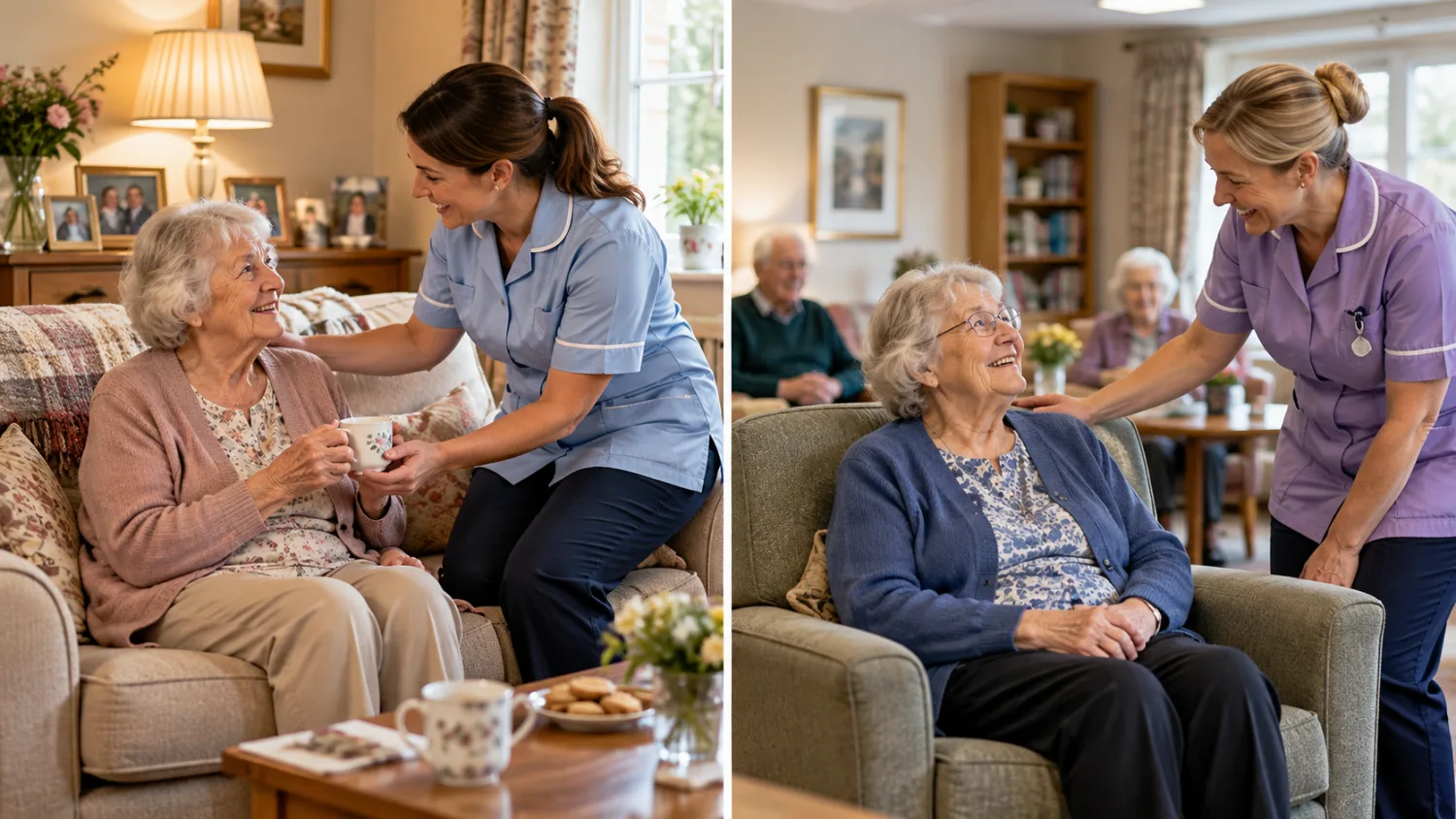
Food and drink are not small details in a care home. They affect health, dignity, mood, strength, wound healing, medication, falls risk, dementia support, social life and quality of life. A resident who is not eating or drinking enough can become weaker, more confused, more likely to fall, slower to recover from illness and more vulnerable to infections or pressure sores.
Good care home nutrition is not only about whether the menu looks nice. Families should ask how the home supports people who have poor appetite, dementia, diabetes, swallowing problems, allergies, cultural or religious dietary needs, weight loss, dehydration risk, mouth pain, constipation, medication side effects or end-of-life care needs.
This guide explains what families should ask about care home food and nutrition, including menus, mealtimes, hydration, dementia, swallowing, special diets, weight monitoring, records, red flags and when poor nutrition may become a safeguarding concern.
If you are still choosing a care home, read our guides to how to choose a care home in the UK, care home visit questions and what a good care home looks like. If your relative is moving soon, see moving into a care home: what to pack and how to prepare.
1. Why food and nutrition matter in a care home
For older and vulnerable residents, food is not only about calories. It supports independence, comfort, recovery, dignity and social connection. Meals can also be one of the few predictable parts of the day, especially for someone living with dementia or adjusting after a move from home.
Poor nutrition and hydration can contribute to:
- weight loss;
- frailty and muscle weakness;
- falls risk;
- confusion or delirium;
- constipation;
- urinary tract infections;
- pressure sores;
- poor wound healing;
- low mood;
- reduced immunity;
- longer recovery after illness;
- hospital admission.
Age UK explains that malnutrition means someone is not eating well enough to maintain health and wellbeing, and it can lead to low body weight or weight loss. Age UK’s malnutrition guidance is useful if you are worried about weight loss or poor appetite.
In England, CQC Regulation 14 is specifically about meeting nutritional and hydration needs. CQC says the intention is to make sure people have enough food and drink to sustain life and good health, and to reduce the risks of malnutrition and dehydration while they receive care and treatment. CQC Regulation 14 guidance sets out provider responsibilities.
Families do not need to judge meals only by whether they look “nice”. The better question is whether the home understands each resident’s needs and responds when eating or drinking becomes difficult.
2. What should families ask before choosing a care home?
Food and nutrition should be part of every care home visit. Age UK’s care home checklist includes practical food questions such as whether residents can see sample menus, whether snacks are available, whether dietary needs can be met, whether residents can eat in their rooms, and whether food is prepared on the premises. Age UK’s choosing a care home guide is a helpful reference when preparing questions.
Ask the care home:
- Can we see sample menus?
- How often does the menu change?
- Are meals cooked on site?
- Are residents offered real choices?
- Can residents eat in their rooms if they prefer?
- Are snacks available between meals and at night?
- Can residents make or request drinks outside mealtimes?
- How are food preferences recorded?
- How do you support residents who need help eating?
- How do you monitor weight loss or poor appetite?
- How do you support residents with dementia at mealtimes?
- How do you manage swallowing difficulties?
- Can you support diabetes, allergies or special diets?
- How do you involve families if eating or drinking becomes a concern?
Also ask to visit around mealtime if possible. You can learn a lot from the atmosphere: whether food smells appetising, whether residents are rushed, whether staff sit or stand over people, whether help is given discreetly, whether drinks are within reach, and whether residents seem relaxed.
If you are still comparing homes, use these questions alongside our care home visit checklist.
3. What good care home meals should look like
A good care home should provide meals that are nutritious, appealing, suitable for residents’ needs and respectful of personal choice. This does not mean every meal has to be restaurant-style. It means food should be safe, balanced, enjoyable and adapted where needed.
Good signs include:
- menus are visible and easy to understand;
- residents have choices, not only one option;
- food looks and smells appetising;
- portion sizes can be adjusted;
- residents are not rushed;
- staff know who needs support;
- drinks are offered regularly;
- snacks are available;
- special diets are handled safely;
- food preferences are recorded and followed;
- residents can give feedback;
- families are told if eating or drinking becomes a concern.
Ask whether the home offers:
- breakfast choices;
- hot and cold lunch options;
- lighter evening meals;
- fresh fruit;
- soft food options;
- finger foods;
- fortified meals for weight loss;
- diabetic-friendly options;
- vegetarian and vegan options;
- religious or cultural meals;
- birthday cakes or special occasion meals;
- family dining opportunities.
Ask how the home balances nutrition with enjoyment. For example, a resident with poor appetite may benefit from favourite foods, smaller portions, fortified snacks, milkshakes or flexible mealtimes rather than a large “healthy” meal they do not want to eat.
4. Mealtime atmosphere, dignity and choice
Mealtimes should feel dignified, calm and social where possible. For many residents, meals are also a major part of daily routine. A poor mealtime environment can reduce appetite, increase distress and make people less likely to eat.
When visiting, notice:
- Are residents spoken to respectfully?
- Are staff patient?
- Are people given time to eat?
- Are residents helped discreetly?
- Are plates placed within reach?
- Are glasses easy to hold?
- Are dentures, glasses and hearing aids in place?
- Are residents asked what they want?
- Is the dining room calm or chaotic?
- Is there enough staff support?
- Can residents eat somewhere quieter if they prefer?
For some people, eating in a dining room is enjoyable and helps social life. For others, it may feel overwhelming. A good care home should understand preferences rather than applying one rule to everyone.
Ask:
- Can residents choose where to eat?
- Can couples or friends sit together?
- Can family join for meals?
- Can residents have smaller portions?
- Can they ask for more?
- Can meals be adapted if someone dislikes the option?
- How do staff support someone who eats slowly?
Choice matters. So does dignity. A resident should not be made to feel childish, messy, difficult or inconvenient because they need help eating.
5. Hydration: what families should ask
Dehydration can happen quickly in older people, especially during warm weather, illness, poor mobility, swallowing problems, dementia, continence worries or when someone cannot reach drinks. Dehydration may contribute to confusion, dizziness, constipation, urinary infections, falls and hospital admissions.
Ask the care home:
- How often are drinks offered?
- Are drinks available between meals?
- Are drinks within reach?
- Can residents choose tea, coffee, water, juice or other drinks?
- Are hot drinks monitored for safety?
- How do you support residents who forget to drink?
- How do you support residents who avoid drinking because of continence worries?
- Are fluid charts used when needed?
- What happens if someone is not drinking enough?
- When would family, GP or nursing staff be informed?
Hydration should not depend on one jug of water being placed on a table. Some residents cannot lift a jug, recognise it, remember to drink from it or safely swallow thin fluids.
Good hydration support may include:
- regular drink rounds;
- preferred drinks;
- smaller cups that are easier to hold;
- adaptive cups;
- thickened fluids if prescribed;
- encouragement during hot weather;
- fluid monitoring when needed;
- hydrating foods such as soup, fruit, jelly or yoghurt;
- family involvement if the person drinks better with familiar people.
If your relative is prone to dehydration, you may also find our guide to dehydration symptoms useful.
6. Weight loss, poor appetite and malnutrition
Unplanned weight loss in a care home should never be ignored. Sometimes it has a medical cause, such as infection, pain, depression, medication side effects, dental problems, swallowing difficulty, constipation, dementia progression or cancer. Sometimes it reflects poor support at mealtimes, unsuitable food, rushed care or missed snacks.
Ask:
- How often is weight checked?
- What weight loss would trigger concern?
- Is a malnutrition screening tool used?
- Are food and fluid charts used when needed?
- How are poor appetite and weight loss investigated?
- When is the GP contacted?
- When is a dietitian involved?
- Are fortified foods or supplements used?
- Are dental problems checked?
- Is pain considered?
- Is depression or low mood considered?
- Are families told about weight loss promptly?
Age UK says being malnourished can mean more GP visits and longer recovery from illness. Its malnutrition guide explains signs such as weight loss, loose clothes, tiredness and loss of strength.
Possible support may include:
- smaller, more frequent meals;
- fortified foods;
- high-calorie snacks;
- milk-based drinks;
- favourite foods;
- finger foods;
- mealtime assistance;
- pain relief review;
- mouth care;
- denture review;
- GP or dietitian review.
If weight loss is unexplained or significant, ask for a clear plan and follow-up date. Do not accept vague reassurance if the person continues losing weight.
7. Dementia, swallowing problems and specialist diets
Some residents need more than ordinary menu choices. Food and drink may need to be adapted because of dementia, swallowing problems, diabetes, allergies, religious needs, cultural preferences, Parkinson’s, stroke, frailty, end-of-life care or medication requirements.
Dementia and mealtimes
Dementia can affect eating and drinking in many ways. A person may forget to eat, not recognise food, struggle with cutlery, become distracted, dislike unfamiliar food, feel overwhelmed in a noisy dining room, or walk away before finishing.
Alzheimer’s Society explains that a person with dementia may struggle to recognise food and drink, may be unsure how to begin eating, or may find unfamiliar food difficult. It also recommends making the eating environment calm and reducing clutter and distractions. Alzheimer’s Society’s eating and drinking guidance is useful for families and care staff.
Ask the home:
- How do you support residents with dementia at mealtimes?
- Do you offer finger foods?
- Can residents eat in a quieter space?
- Do staff know the person’s food preferences?
- How do you support someone who walks around?
- How do you encourage eating without pressure?
- How do you manage “I’m not hungry” when weight is falling?
- How are families involved if eating changes?
If dementia care is central to the decision, read dementia care homes in the UK and choosing a care home for someone with dementia.
Swallowing difficulties
Swallowing problems, also called dysphagia, can increase the risk of choking, aspiration, chest infections, poor nutrition and fear around eating. Swallowing problems may happen after stroke, with Parkinson’s, dementia, neurological conditions, frailty or serious illness.
Ask:
- Has swallowing been assessed?
- Has a speech and language therapist been involved?
- Are texture-modified foods needed?
- Are thickened fluids needed?
- Do staff understand the recommended texture?
- How is choking risk managed?
- Are staff trained in safe feeding support?
- What happens if the person coughs during meals?
- How are chest infections monitored?
For stroke-related needs, see stroke care homes and rehabilitation support. For Parkinson’s-related swallowing and medication issues, see Parkinson’s care homes: what to look for.
Diabetes and other medical diets
Residents with diabetes may need regular meals, suitable snacks, blood sugar monitoring, medication timing and awareness of hypoglycaemia. The goal is not simply to remove all sweet foods. It is to manage nutrition safely and realistically.
Ask:
- How do you support residents with diabetes?
- Are meals timed around medication or insulin?
- Are suitable snacks available?
- Do staff know signs of low blood sugar?
- How are blood glucose checks recorded if needed?
- Who reviews diabetes care?
You may also find diabetes explained and diabetes and diet useful.
Allergies, cultural and religious diets
A good care home should respect dietary needs and preferences. This includes allergies, intolerances, vegetarian or vegan diets, halal or kosher diets, cultural food preferences and religious fasting or food rules where safe and appropriate.
Ask:
- How are allergies recorded?
- How do kitchen staff avoid cross-contamination?
- Can you support vegetarian or vegan diets?
- Can you support halal, kosher or other religious dietary needs?
- Can residents receive culturally familiar meals?
- How do you handle food brought in by family?
- Are special diets reviewed regularly?
Food is personal. It can be part of identity, faith, memory and comfort. A care home should not treat dietary preferences as an inconvenience.
8. Records, monitoring and when families should be told
Families should ask how the care home monitors nutrition and when concerns are escalated. Good monitoring should not feel intrusive, but it should identify problems early.
Ask the home:
- How often is weight checked?
- Are food charts used when appetite is poor?
- Are fluid charts used when hydration is a concern?
- Who reviews charts?
- How are concerns handed over between shifts?
- When is the GP contacted?
- When is a dietitian contacted?
- When are families informed?
- How are allergies and special diets recorded?
- Are nutrition needs included in the care plan?
- How often is the care plan reviewed?
The care plan should include food preferences, dietary needs, risks, support needed at mealtimes, swallowing guidance, hydration support and what to do if intake falls.
If your relative has recently moved into the home, ask at the first review:
- Are they eating well?
- Are they drinking enough?
- Have they lost weight?
- Do they like the food?
- Are they joining others for meals?
- Do they need help cutting food or using cutlery?
- Are dentures, glasses and hearing aids being used at mealtimes?
- Does the menu need adapting?
If your relative cannot reliably describe what they ate, ask staff for specific examples rather than vague reassurance.
9. Red flags around food and nutrition
One poor meal does not mean a care home is unsafe. But patterns should be taken seriously.
Red flags include:
- unexplained weight loss;
- loose clothes, rings or dentures;
- repeated dehydration signs;
- food left untouched without follow-up;
- drinks out of reach;
- residents rushed during meals;
- staff ignoring people who need help eating;
- poor mouth care affecting eating;
- dentures missing or not used;
- special diets not followed;
- allergy mistakes;
- swallowing advice ignored;
- family not told about weight loss;
- food and fluid charts incomplete or not reviewed;
- the home dismisses concerns without checking records;
- the resident seems frightened or embarrassed at mealtimes.
Also watch for changes in mood or behaviour. A person who is hungry, thirsty, constipated, in pain or embarrassed about needing help may become agitated, withdrawn or tearful.
If several warning signs are present, ask for a meeting with the manager or nurse. Bring specific examples, such as dates, weight changes, missed meals, photos if appropriate, and what staff told you.
For broader warning signs, read care home red flags.
10. When poor nutrition becomes a safeguarding concern
Poor food, missed drinks or weight loss can sometimes be a complaint. But they can become a safeguarding concern if a resident is being neglected, harmed or left at serious risk.
Safeguarding may be relevant if:
- the resident is losing weight and no plan is made;
- dehydration is repeated or serious;
- swallowing guidance is ignored;
- food or drinks are repeatedly left out of reach;
- the resident cannot feed themselves and help is not provided;
- allergies are ignored;
- diabetes care is unsafe;
- nutrition records are missing or misleading;
- family concerns are dismissed repeatedly;
- several residents appear poorly supported at mealtimes;
- poor nutrition contributes to pressure sores, falls, infections or hospital admission.
CQC Regulation 14 makes nutrition and hydration part of fundamental care standards in England. CQC’s nutrition and hydration regulation explains provider duties.
If you believe your relative is at immediate risk, seek urgent medical help. If you suspect neglect or unsafe care, contact the care home manager and the local authority adult safeguarding team. In England, you can also share concerns with CQC. Read our full guide to safeguarding adults in care homes.
11. Practical checklist: questions to ask about food and nutrition
Menus and meals
- Can we see sample menus?
- How often does the menu change?
- Are meals cooked on site?
- Are residents offered choices?
- Can residents ask for alternatives?
- Are snacks available?
- Can family join meals?
Hydration
- How often are drinks offered?
- Are drinks within reach?
- Are fluid charts used when needed?
- How do you support residents who forget to drink?
- What happens during hot weather or illness?
Weight and nutrition risk
- How often is weight checked?
- What happens if weight drops?
- When is the GP or dietitian contacted?
- Are fortified foods or supplements used?
- When are families told?
Dementia and mealtime support
- How do you support dementia at mealtimes?
- Are finger foods available?
- Can residents eat in quieter spaces?
- Do staff know food preferences and routines?
- How do you support someone who walks away from meals?
Swallowing and special diets
- How are swallowing problems assessed?
- Do staff follow speech and language therapy guidance?
- Can you provide texture-modified meals?
- Can you provide thickened fluids if prescribed?
- How are allergies and special diets managed?
Records and escalation
- How are food and fluid concerns recorded?
- Who reviews records?
- How are concerns handed over between shifts?
- When is the family contacted?
- How quickly is the care plan updated?
12. Frequently asked questions
What should families ask about food in a care home?
Ask to see sample menus, how often menus change, whether residents have real choices, whether snacks and drinks are available, how special diets are managed, and how the home supports residents who need help eating.
How often should care home residents be offered drinks?
Residents should have regular access to drinks throughout the day, not only at mealtimes. Some residents need active prompting, drinks within reach, adaptive cups, fluid charts or extra support during hot weather or illness.
What should happen if a care home resident is losing weight?
The care home should check the reason, review the care plan, monitor food and fluid intake if needed, consider medical or dental causes, involve the GP or dietitian where appropriate, and inform family if there is concern.
Is weight loss normal after moving into a care home?
Some appetite change can happen during a stressful move, but ongoing or significant weight loss should not be dismissed. It should be monitored, investigated and acted on.
Can care homes support dementia-related eating problems?
Good care homes should support dementia-related eating difficulties by using familiar foods, calm environments, finger foods, prompts, personal routines, family input and careful observation of what helps the person eat and drink.
What are finger foods in dementia care?
Finger foods are foods that can be picked up and eaten without cutlery. They may help people with dementia who struggle with cutlery, become restless at the table or prefer to eat while moving around.
What should a care home do about swallowing problems?
The home should follow professional advice, usually from a speech and language therapist. This may include texture-modified food, thickened fluids, safe positioning, supervision and clear care plan instructions.
Can care homes provide special diets?
Many care homes can support special diets, including vegetarian, vegan, diabetic, allergy-aware, cultural or religious diets. Families should ask exactly how the diet is recorded, prepared and monitored.
Should families be told if a resident is not eating?
Yes, families should be told if poor eating or drinking becomes a concern, especially if the person is losing weight, becoming dehydrated, refusing meals or needing medical review.
Are snacks important in care homes?
Yes. Snacks can help residents with small appetites, dementia, diabetes, weight loss or higher nutritional needs. Snacks and drinks should be available outside main meals where appropriate.
Can poor nutrition in a care home be neglect?
It can be, especially if a resident is not given the support they need to eat or drink, weight loss is ignored, swallowing advice is not followed, or dehydration and malnutrition risks are not acted on.
What signs of dehydration should families watch for?
Possible signs include increased confusion, dizziness, dry mouth, dark urine, constipation, tiredness, headaches, falls, reduced urine output and recurrent urinary infections. Seek medical advice if you are worried.
Can families bring food into a care home?
Often, yes, but always check the care home’s policy. Food safety, allergies, swallowing needs, diabetes and storage rules may apply. The home should know what food has been brought in.
What if my parent dislikes the care home food?
Ask for a meeting to discuss preferences, alternatives, portion sizes, mealtime setting and whether favourite foods can be included. If poor appetite continues, ask for monitoring and a care plan review.
What should I do if I think a care home is not feeding my relative properly?
Record specific concerns, speak to the manager or nurse, ask for weight records and the nutrition care plan, request a review, and escalate to adult safeguarding or CQC in England if you suspect neglect or unsafe care.