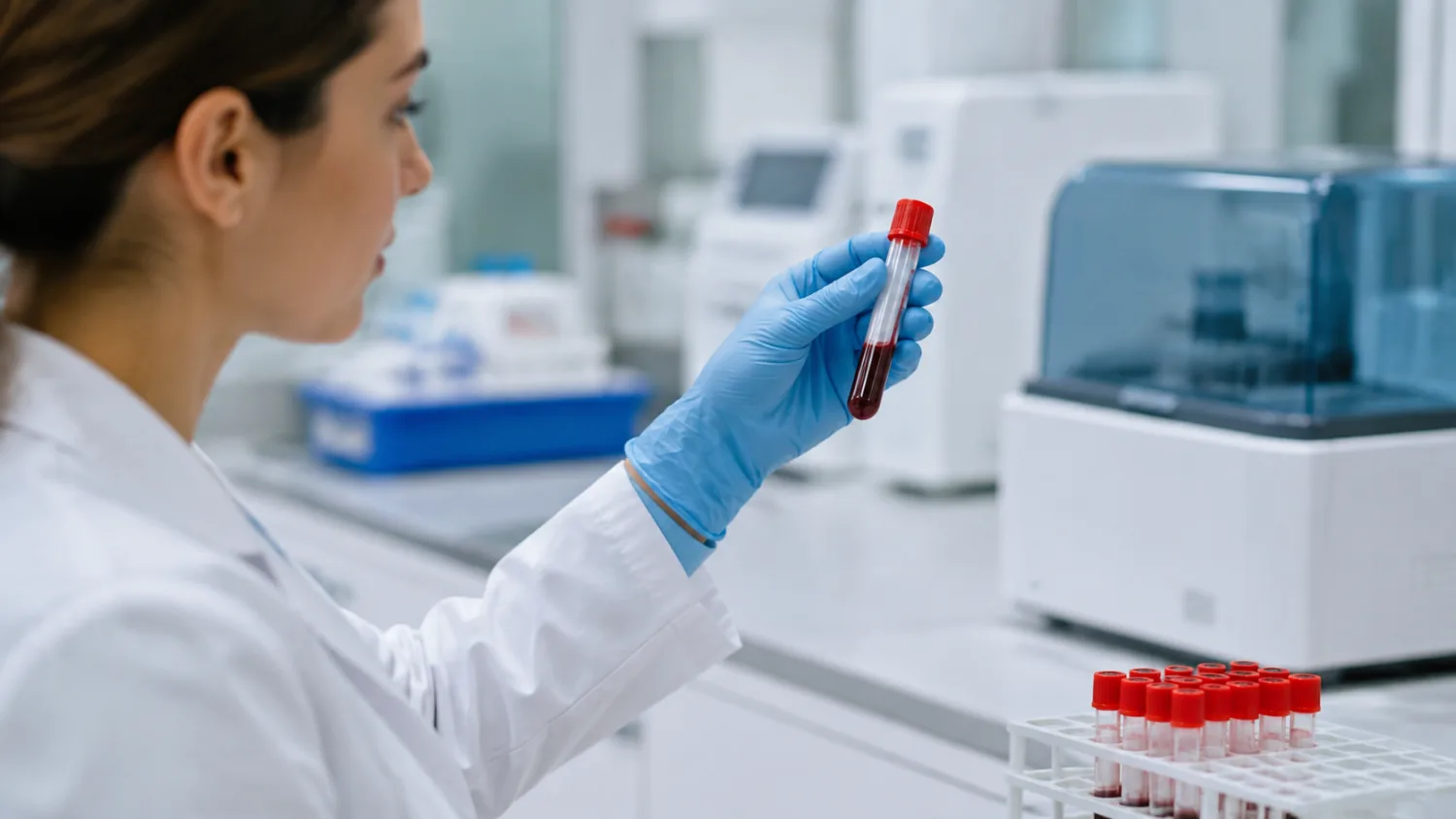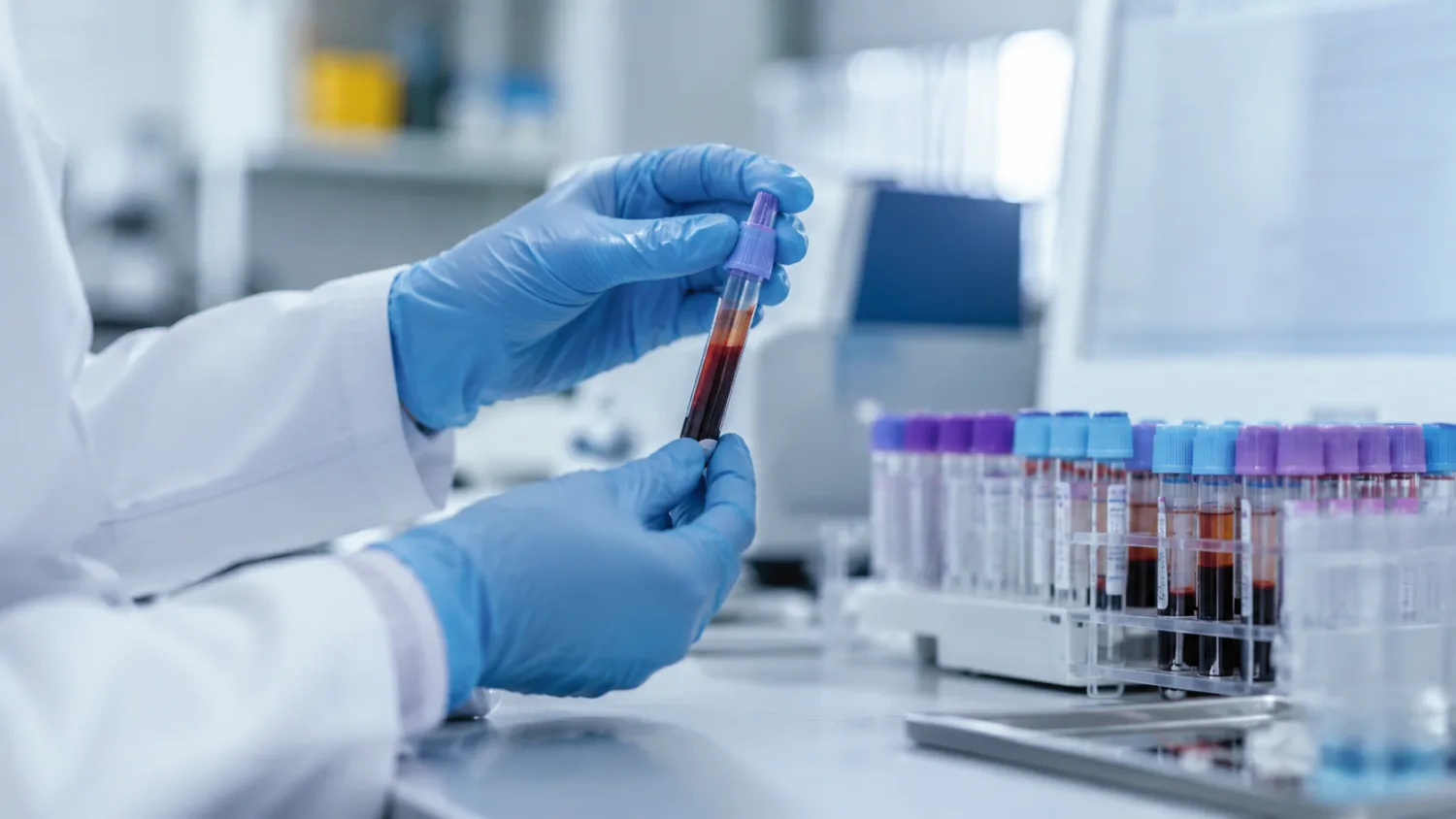
A platelet count is part of a full blood count. It measures the number of platelets in your blood. Platelets are tiny blood cells that help your blood clot when you bleed. They are important for stopping bleeding, but the result can also give clues about inflammation, infection, iron deficiency, medicines, alcohol use, spleen problems, bone marrow conditions and some cancers.
Platelet results can be confusing because both high and low counts can happen for many different reasons. A mildly abnormal platelet count may be temporary and settle when repeated. A very low platelet count, a very high platelet count, or a platelet result that is abnormal alongside anaemia, abnormal white blood cells, bruising, bleeding or clotting symptoms needs more careful assessment.
This guide explains what platelets do, what a normal platelet count usually looks like, what high and low platelet counts may mean, when to seek medical advice, and what usually happens after an abnormal result.
Important: This article is for general information only. Blood test results must be interpreted alongside your symptoms, medical history, medicines, previous results and other blood markers. Always discuss abnormal platelet results with your GP, specialist or the clinician who arranged the test, especially if you have bleeding, bruising, clotting symptoms, fever or feel unwell.
What are platelets?
Platelets, also called thrombocytes, are small cell fragments made in the bone marrow. Their main job is to help blood clot. When a blood vessel is damaged, platelets stick to the injured area, clump together and help form a clot to stop bleeding.
Platelets are not the same as red blood cells or white blood cells. Red blood cells carry oxygen. White blood cells help fight infection and inflammation. Platelets help control bleeding and clotting.
A platelet count is usually checked as part of a full blood count. If you want a broader explanation of the whole test, see our guide to Full Blood Count Results Explained. If your white blood cells are also abnormal, see White Blood Cell Count Results Explained.
What is a platelet count?
A platelet count measures how many platelets are present in a certain volume of blood. On a blood test report, it may be shown as:
- platelet count;
- platelets;
- PLT;
- thrombocyte count.
Platelet count is usually reported as x 109/L. For example, a platelet count of 250 means 250 x 109 platelets per litre of blood.
Lab Tests Online UK explains that platelet testing is used to help investigate bleeding or clotting problems and to monitor conditions or treatments that affect the bone marrow. You can read their overview of the platelet count.
What is a normal platelet count?
Reference ranges vary slightly between laboratories, but a common adult platelet count range is approximately:
150 to 400 x 109/L
Some laboratories may use a slightly different upper limit, such as 450 x 109/L. Always use the reference range printed next to your own result.
| Platelet result | Common term | Broad meaning |
|---|---|---|
| Below range | Thrombocytopenia | Lower than expected platelet count. May increase bleeding risk depending on how low it is and why. |
| Within range | Normal platelet count | Generally reassuring, but must still be interpreted with symptoms and other blood results. |
| Above range | Thrombocytosis | Higher than expected platelet count. Often reactive to inflammation, infection or iron deficiency, but sometimes needs further investigation. |
A slightly abnormal platelet count is not the same as a dangerously abnormal platelet count. The actual number, the trend over time, your symptoms and the rest of the full blood count are all important.
Why might a platelet count be checked?
A platelet count is commonly checked as part of a routine full blood count, but it may also be requested because of symptoms or medical conditions.
Reasons include:
- easy bruising;
- unusual bleeding;
- nosebleeds or bleeding gums;
- heavy periods;
- tiny red or purple spots on the skin, called petechiae;
- checking for infection or inflammation;
- monitoring anaemia or iron deficiency;
- monitoring liver disease or alcohol-related problems;
- checking the effect of medicines;
- monitoring after chemotherapy or other treatments affecting the bone marrow;
- following up abnormal private blood test results;
- checking before surgery or certain procedures.
If your platelet count was found to be abnormal on a private blood test, make sure the result is reviewed by a qualified clinician. Our guide to What to Do After Abnormal Private Blood Test Results explains what to do next.
High platelet count explained
A high platelet count is called thrombocytosis. It means there are more platelets in the blood than expected. Many cases are reactive, meaning the platelet count has risen as a response to something else happening in the body.
Reactive thrombocytosis is much more common than a primary bone marrow disorder. However, if the platelet count is very high, persistent, unexplained or associated with clotting symptoms, further investigation may be needed.
Common causes of high platelets
Possible causes include:
- recent infection;
- inflammation, including inflammatory bowel disease or arthritis;
- iron deficiency, even before anaemia becomes obvious;
- recent surgery, injury or bleeding;
- recovery after significant illness;
- some cancers, especially if other symptoms are present;
- spleen removal or reduced spleen function;
- some medicines;
- pregnancy or the period after birth in some cases;
- myeloproliferative neoplasms, such as essential thrombocythaemia, less commonly.
The NHS notes that a high platelet count can be caused by infection, inflammation, iron deficiency, surgery, some cancers and bone marrow conditions. You can read their patient page on thrombocytosis.
Reactive thrombocytosis: the most common reason platelets are high
Reactive thrombocytosis means the platelet count is high because the body is reacting to another trigger. The bone marrow is making more platelets in response to inflammation, infection, blood loss, iron deficiency or recovery from illness.
This is common and often temporary. The platelet count may fall back towards normal once the trigger is treated or settles.
For example:
- platelets may rise after a chest infection or urine infection;
- platelets may rise with inflammatory bowel disease, rheumatoid arthritis or other inflammatory conditions;
- platelets may rise when iron stores are low;
- platelets may rise after surgery, trauma or significant bleeding;
- platelets may rise during recovery from illness.
If reactive thrombocytosis is suspected, your clinician may check markers such as CRP, ferritin, iron studies, full blood count trends, symptoms and sometimes scans or other tests depending on the clinical picture.
High platelets and iron deficiency
Iron deficiency is one of the most important and common causes of a high platelet count. You can have high platelets from low iron even before the haemoglobin level becomes clearly low.
Possible clues include:
- low ferritin;
- low iron stores;
- tiredness or weakness;
- breathlessness on exertion;
- hair shedding;
- restless legs;
- heavy periods;
- blood loss from the gut;
- low mean cell volume, or MCV, on a full blood count.
If high platelets are found with low ferritin or anaemia, the next step is not just taking iron. The cause of iron deficiency also needs to be considered. In some people this may be heavy periods, pregnancy, low dietary intake or recent blood donation. In others, especially men and postmenopausal women, doctors may consider whether there could be blood loss from the gut.
For more detail, see Iron, Ferritin and Anaemia Blood Test Results Explained.
High platelets and inflammation
Inflammation can raise platelet count. This can happen with infections, autoimmune conditions, inflammatory bowel disease, chronic inflammatory illness or tissue injury.
A clinician may look at your symptoms and other blood tests. For example:
- raised CRP may support inflammation or infection;
- abnormal white blood cells may suggest infection, inflammation or a blood disorder;
- low albumin can sometimes appear with significant inflammation or chronic illness;
- iron studies may show inflammation-related changes.
If digestive inflammation is suspected, tests might include stool tests, calprotectin, blood tests, colonoscopy or imaging. See Colonoscopy: Preparation, Procedure and Sedation and Blood in Stool: Causes and When to Worry.
High platelets and cancer risk
Most people with high platelets do not have cancer. However, a persistently high platelet count can sometimes be one clue among others, especially when there are symptoms such as unexplained weight loss, persistent abdominal symptoms, blood in stool, new cough, fatigue, night sweats or unexplained anaemia.
This does not mean a high platelet count should cause panic. It means it should be interpreted properly. If platelets are persistently raised without an obvious explanation, your GP may assess symptoms, examine you, repeat blood tests and consider further tests based on your age, risk factors and symptoms.
If there are digestive symptoms, tests such as gastroscopy, colonoscopy, abdominal ultrasound, CT or MRI may be considered depending on the situation.
Essential thrombocythaemia and bone marrow causes
Less commonly, a high platelet count is caused by a bone marrow condition where too many platelets are produced. One example is essential thrombocythaemia, often shortened to ET. This belongs to a group of conditions called myeloproliferative neoplasms.
ET is not the most common cause of high platelets, but doctors may consider it if the platelet count is persistently high, especially if there is no infection, inflammation, iron deficiency or obvious reactive cause.
Clues that may prompt further assessment include:
- platelets persistently above the reference range;
- very high platelet count, for example above 600 or 1000 x 109/L;
- previous blood clots;
- unusual headaches, visual symptoms or burning pain in hands or feet;
- enlarged spleen;
- abnormal red blood cells or white blood cells;
- abnormal blood film;
- family history of blood disorders.
Tests may include repeat full blood count, blood film, ferritin, CRP, genetic tests such as JAK2, CALR or MPL, and referral to a haematologist.
Low platelet count explained
A low platelet count is called thrombocytopenia. It means there are fewer platelets than expected. Low platelets can increase the risk of bruising and bleeding, especially if the count is very low or platelet function is also affected.
Some low platelet results are mild and temporary. Others need urgent attention, especially if there is bleeding, a very low count, abnormal clotting tests, fever, pregnancy complications, or other abnormal blood results.
The NHS has a patient page on thrombocytopenia, including symptoms and common causes.
Common causes of low platelets
Possible causes include:
- recent viral infection;
- immune thrombocytopenia, also called ITP;
- some medicines;
- alcohol-related bone marrow suppression or liver disease;
- vitamin B12 or folate deficiency;
- liver disease and enlarged spleen;
- pregnancy-related thrombocytopenia;
- autoimmune disease;
- severe infection or sepsis;
- bone marrow disorders;
- chemotherapy or radiotherapy;
- rare clotting and platelet conditions such as TTP or DIC;
- a false low result caused by platelet clumping in the sample.
How low is too low?
The seriousness of a low platelet count depends on the number, symptoms, cause and whether there are other clotting problems. As a broad guide:
| Platelet count | Broad interpretation |
|---|---|
| 100–150 x 109/L | Mildly low. Often monitored or repeated, especially if you feel well. |
| 50–100 x 109/L | Moderately low. Usually needs medical review and investigation of the cause. |
| 20–50 x 109/L | Low enough to increase bleeding concerns, especially with injury, surgery or other risk factors. |
| Below 20 x 109/L | Higher risk of spontaneous bleeding. Usually needs urgent specialist advice. |
| Below 10 x 109/L | Very low. Often treated as urgent because of bleeding risk. |
These thresholds are only a guide. Some situations are more urgent even at higher counts, for example if you are bleeding, pregnant, septic, on blood thinners, due for surgery, or have other abnormal blood or clotting results.
Symptoms of low platelets
Low platelets may cause no symptoms, especially when mildly low. When symptoms occur, they may include:
- easy bruising;
- large bruises after minor bumps;
- nosebleeds;
- bleeding gums;
- heavy or prolonged periods;
- blood in urine or stool;
- tiny red or purple spots on the skin, called petechiae;
- prolonged bleeding from cuts;
- bleeding after dental treatment or surgery;
- rarely, severe internal bleeding.
Seek urgent medical help if you have low platelets with severe headache, confusion, weakness on one side, vomiting blood, black stools, blood in urine, heavy uncontrolled bleeding, widespread non-blanching rash, or you feel very unwell.
Can a low platelet count be false?
Yes. Sometimes a blood sample shows a falsely low platelet count because platelets clump together in the tube. This is called pseudothrombocytopenia. It can happen because of the anticoagulant used in the blood collection tube, often EDTA.
If the laboratory suspects platelet clumping, they may mention it on the report and recommend a repeat sample in a different tube. This is one reason an unexpected low platelet count may be repeated before a diagnosis is made.
Immune thrombocytopenia, or ITP
Immune thrombocytopenia, often called ITP, is a condition where the immune system attacks platelets or affects platelet production. It can occur in adults or children. Sometimes it follows a viral infection. In adults, it may be persistent or relapsing.
ITP is a diagnosis made after considering other causes of low platelets. The rest of the blood count may be normal, although this is not always enough to confirm the diagnosis.
Management depends on the platelet count, bleeding symptoms and individual risk. Some people need monitoring only. Others need treatment to raise platelets, especially if the count is very low or bleeding occurs.
Medicines that can affect platelets
Medicines can lower platelet count, affect platelet function, or increase bleeding risk even when the platelet count is normal.
Medicines that may lower platelet count
- some antibiotics;
- heparin, in a condition called heparin-induced thrombocytopenia;
- some anti-epileptic medicines;
- chemotherapy;
- some immune-suppressing medicines;
- quinine;
- some anti-inflammatory or rheumatology medicines;
- some heart medicines, rarely.
Medicines that affect platelet function or bleeding risk
- aspirin;
- clopidogrel;
- warfarin;
- apixaban, rivaroxaban, edoxaban or dabigatran;
- NSAIDs such as ibuprofen, naproxen or diclofenac;
- some antidepressants, especially SSRIs, in some people;
- some supplements, such as high-dose fish oil, garlic or ginkgo, depending on context.
Do not stop prescribed medicines without medical advice unless you have been told to do so urgently. If you have low platelets and take blood thinners or antiplatelet medicines, contact the clinician who manages them.
Alcohol, liver disease and platelet count
Alcohol and liver disease can affect platelet count in several ways. Heavy alcohol use can suppress bone marrow production of platelets. Liver disease can also lead to an enlarged spleen, which can hold onto more platelets and reduce the number circulating in the blood.
Low platelets can sometimes be one of the clues to more advanced liver disease, especially when combined with abnormal liver enzymes, low albumin, raised bilirubin, abnormal clotting or signs such as abdominal swelling.
For more detail, see Liver Function Test Results Explained and ALT, AST, ALP and GGT Liver Results Explained.
Vitamin B12 and folate deficiency
Vitamin B12 and folate are needed for healthy blood cell production. Deficiency can affect red blood cells, white blood cells and platelets. In some cases, platelets may be low alongside anaemia or large red blood cells, shown as a raised MCV on the full blood count.
Possible symptoms include tiredness, mouth ulcers, pins and needles, memory problems, low mood, balance problems, breathlessness or paleness.
See B12 and Folate Blood Test Results Explained for a fuller guide.
Platelets in pregnancy
Platelet count can fall slightly in pregnancy. Mild low platelets in late pregnancy may be due to gestational thrombocytopenia, which is usually harmless and resolves after birth.
However, low platelets in pregnancy can also be linked with more serious conditions, including pre-eclampsia, HELLP syndrome, immune thrombocytopenia or other medical problems.
Pregnant people should follow maternity advice if platelets are low, especially if there is high blood pressure, headache, visual symptoms, upper abdominal pain, swelling, feeling unwell, abnormal liver tests or reduced baby movements.
Platelets after infection
Infections can raise or lower platelet count. Many viral infections can temporarily lower platelets. Bacterial infections and inflammation may raise platelets. Severe infection or sepsis can sometimes cause low platelets, which may be a concerning sign.
If your platelet count changed during or shortly after an infection, your clinician may repeat the blood test after recovery. But if you feel very unwell, have fever, confusion, breathlessness, rash, bleeding or signs of sepsis, seek urgent medical care.
Platelet count and blood clots
Platelets are involved in clotting, but platelet count alone does not tell your full clotting risk. Some people with very high platelets, especially from bone marrow conditions such as essential thrombocythaemia, may have an increased risk of blood clots. But many people with reactive thrombocytosis do not have the same risk.
Symptoms of a possible blood clot need urgent medical assessment. These include:
- one-sided leg swelling, pain, redness or warmth;
- sudden shortness of breath;
- chest pain that is worse when breathing;
- coughing blood;
- sudden weakness, facial droop or speech difficulty;
- sudden loss of vision;
- severe new headache with neurological symptoms.
Do not try to interpret clotting risk from the platelet count alone. Age, smoking, weight, pregnancy, surgery, cancer, immobility, hormone treatment, inherited clotting risks and previous clots all matter.
Mean platelet volume, or MPV
Some full blood count reports include MPV, which stands for mean platelet volume. It gives an average size of platelets in the blood.
MPV can sometimes help clinicians understand whether the bone marrow is producing younger, larger platelets, or whether platelet production may be reduced. However, MPV is not usually interpreted alone and can vary between laboratories and sample handling methods.
If your MPV is slightly high or low but your platelet count and other results are normal, it may not be clinically important. Ask the clinician who arranged the test if you are unsure.
Platelet count and other blood results
Platelet count is much easier to interpret alongside the rest of the full blood count.
| Pattern | Possible significance |
|---|---|
| High platelets + low ferritin | Often suggests iron deficiency as a possible driver. |
| High platelets + raised CRP | May suggest infection, inflammation or recent illness. |
| Low platelets + abnormal liver tests | May suggest liver disease, alcohol effect, enlarged spleen or other systemic illness. |
| Low platelets + low white cells + anaemia | Needs medical review because more than one blood cell line is affected. |
| High platelets + high white cells | May occur with infection or inflammation, but persistent results may need further checks. |
| Very high platelets without inflammation or iron deficiency | May need investigation for a bone marrow condition. |
Related guides include Iron, Ferritin and Anaemia Blood Test Results Explained, CRP and Inflammation Blood Test Results Explained and White Blood Cell Count Results Explained.
When is an abnormal platelet count urgent?
Many abnormal platelet results can be reviewed routinely, especially if the change is mild and you feel well. But some situations need urgent medical advice.
Seek urgent medical help if you have:
- heavy or uncontrolled bleeding;
- vomiting blood;
- black tarry stools;
- blood in urine;
- a severe headache, confusion, weakness, collapse or neurological symptoms;
- a widespread non-blanching red or purple rash;
- fever and a very low platelet count;
- low platelets while receiving chemotherapy or immune-suppressing treatment;
- low platelets with pregnancy symptoms such as severe headache, visual changes or upper abdominal pain;
- new severe bruising or bleeding while taking blood thinners;
- a platelet count reported as critically low or critically high by the laboratory or clinician.
If you have symptoms of a possible clot, such as one-sided leg swelling, sudden breathlessness, chest pain, stroke symptoms or sudden vision loss, seek urgent medical care.
When should you speak to a GP?
Arrange a GP or clinician review if:
- your platelet count is persistently above or below the reference range;
- your platelet count is changing over time;
- you have easy bruising, bleeding gums, nosebleeds or heavy periods;
- you have unexplained tiredness, weight loss, night sweats or fevers;
- you have swollen lymph nodes or abdominal fullness;
- you have abnormal white blood cells or anaemia as well;
- you have abnormal liver tests;
- you take medicines that affect bleeding or platelets;
- the result came from a private blood test and no clinician has interpreted it.
What happens after an abnormal platelet count?
The next step depends on the result, symptoms and wider blood picture. Your clinician may recommend:
- repeating the full blood count;
- checking a blood film;
- checking ferritin and iron studies;
- checking CRP or ESR for inflammation;
- checking B12 and folate;
- checking liver function tests;
- checking U&E blood tests and kidney function;
- reviewing medicines, supplements and alcohol intake;
- checking for infection if symptoms suggest it;
- checking autoimmune markers in selected cases;
- arranging ultrasound if spleen or liver disease is suspected;
- referring to haematology if a bone marrow or immune platelet condition is possible.
If kidney function, hydration or electrolytes are being checked as part of a wider review, see U&E Blood Test Results Explained.
Should an abnormal platelet count be repeated?
Often, yes. Mild platelet abnormalities are commonly repeated to check whether they are temporary. This is especially likely if you recently had an infection, inflammation, surgery, bleeding, pregnancy, new medicine or an unexpected result with no symptoms.
However, repeat testing is not always enough. Very low platelets, very high platelets, bleeding symptoms, clotting symptoms, abnormal blood film findings or multiple abnormal blood count markers may need faster investigation.
Can diet change platelet count?
Diet usually does not dramatically change platelet count by itself. However, nutrition can matter if platelet changes are related to deficiencies or alcohol use.
Examples include:
- iron deficiency can be linked with high platelets;
- B12 or folate deficiency can contribute to low blood cell counts;
- heavy alcohol intake can reduce platelet production and affect the liver;
- some supplements may increase bleeding tendency, especially when combined with blood thinners.
Do not try to treat a significantly abnormal platelet count with diet alone. The cause needs to be understood first.
Can exercise affect platelet count?
Exercise can cause short-term changes in platelet count and platelet activity, especially after intense exertion. However, exercise is not usually the cause of a clearly or persistently abnormal platelet count.
If your result was taken soon after unusually intense exercise, illness or dehydration, your clinician may consider repeating it when you are well and rested.
Can platelets be normal but clotting still be abnormal?
Yes. A normal platelet count does not rule out every bleeding or clotting disorder. Platelets can be normal in number but not function normally. Clotting factors can also be abnormal even if platelets are normal.
If there is a strong history of bleeding, easy bruising, heavy periods, bleeding after surgery or family history of bleeding disorders, further clotting tests may be needed even with a normal platelet count.
How to read your platelet result sensibly
When you receive your result, try to interpret it step by step:
- Is the platelet count high, low or normal?
- How abnormal is it? Borderline changes are different from severe changes.
- Is it new? Previous results help show whether this is a trend.
- Are there symptoms? Bruising, bleeding, clotting symptoms, fever and weight loss matter.
- Are other blood results abnormal? Haemoglobin, white cells, ferritin, CRP and liver tests are important.
- Have you had a recent infection, surgery, bleeding or pregnancy?
- Could medicines be involved? Blood thinners, antiplatelet drugs, chemotherapy and some antibiotics matter.
- Was the sample reliable? Platelet clumping can falsely lower the count.
One platelet result is often a clue, not a diagnosis. The trend, symptoms and wider blood picture are what make the result meaningful.
FAQ: Platelet count results
What is a platelet count?
A platelet count measures how many platelets are in your blood. Platelets are small blood cells that help blood clot and stop bleeding.
What is a normal platelet count?
A common adult range is about 150 to 400 x 109/L, although some laboratories use slightly different ranges. Always check the reference range on your own report.
What does a high platelet count mean?
A high platelet count, called thrombocytosis, often happens because of infection, inflammation, iron deficiency, recent surgery, bleeding or recovery from illness. Less commonly, it can be due to a bone marrow condition.
What does a low platelet count mean?
A low platelet count, called thrombocytopenia, can happen after viral infections, with some medicines, immune thrombocytopenia, liver disease, alcohol use, vitamin deficiencies, pregnancy, chemotherapy or bone marrow conditions.
Does a high platelet count mean cancer?
Usually not. Most high platelet counts are reactive and caused by common conditions such as inflammation or iron deficiency. However, persistent unexplained high platelets may need further assessment, especially if there are symptoms such as weight loss, bleeding, anaemia or ongoing abdominal symptoms.
Can iron deficiency cause high platelets?
Yes. Iron deficiency is a common cause of high platelets. Ferritin and iron studies may be checked, especially if there is tiredness, anaemia, heavy periods or possible blood loss.
Can infection cause high platelets?
Yes. Platelets can rise during or after infection. This is usually reactive and may settle after recovery, but persistent changes should be reviewed.
Can viral infections cause low platelets?
Yes. Viral infections can temporarily lower platelets. The count often improves after recovery, but significant or persistent low platelets need medical review.
What platelet count is dangerously low?
Bleeding risk usually rises as platelets fall, especially below 50 x 109/L and more so below 20 x 109/L. Counts below 10 x 109/L are often treated as urgent. Symptoms and clinical context also matter.
What platelet count is too high?
A count above the laboratory range is high. Mild elevations are often reactive. Very high or persistent platelet counts, especially above 600 or 1000 x 109/L, may need more detailed investigation.
Can low platelets cause bruising?
Yes. Low platelets can cause easy bruising, nosebleeds, bleeding gums, heavy periods, petechiae and prolonged bleeding from cuts, especially when the count is significantly low.
What are petechiae?
Petechiae are tiny red or purple spots under the skin caused by small bleeds. They do not usually fade when pressed. Petechiae with fever, feeling very unwell or low platelets should be assessed urgently.
Can aspirin affect platelets?
Yes. Aspirin affects platelet function and can increase bleeding tendency even if the platelet count is normal. Tell your clinician if you take aspirin, clopidogrel or blood thinners.
Can alcohol lower platelets?
Yes. Heavy alcohol use can reduce platelet production and contribute to liver disease, which can also lower platelets. Platelet count may improve if alcohol-related bone marrow suppression is reversed, but liver-related causes need medical assessment.
Can liver disease cause low platelets?
Yes. Liver disease can lead to an enlarged spleen and reduced platelet count. Low platelets can sometimes be a clue to more advanced liver disease, especially if liver tests, albumin, bilirubin or clotting are also abnormal.
What is essential thrombocythaemia?
Essential thrombocythaemia is a bone marrow condition where too many platelets are produced. It is much less common than reactive thrombocytosis. Persistent unexplained high platelets may need haematology assessment.
Can platelets be falsely low?
Yes. Platelets can clump in the blood sample, causing a falsely low result. The laboratory may recommend repeating the test in a different tube if platelet clumping is suspected.
Should I repeat an abnormal platelet count?
Often, yes, especially if the abnormality is mild and you feel well. However, very low platelets, very high platelets, bleeding, clotting symptoms or other abnormal blood results may need faster investigation.
What tests are done after abnormal platelets?
Follow-up may include repeat full blood count, blood film, ferritin, iron studies, CRP, B12, folate, liver tests, kidney tests, medicine review, infection tests, ultrasound or haematology referral depending on the pattern.
What should I do if my private blood test shows abnormal platelets?
Contact the provider or a qualified clinician for interpretation. Seek urgent advice if you have bleeding, severe bruising, fever, a non-blanching rash, clotting symptoms, pregnancy warning symptoms or a result reported as critically abnormal.