Skin concerns are rarely just cosmetic. Persistent itching can interfere with sleep, acne can affect confidence, rosacea may make social situations uncomfortable, and a changing mole can raise understandable fears about skin cancer. At the same time, more people are considering aesthetic treatments to improve scarring, pigmentation, texture, volume loss and other features of their appearance.
The difficulty is knowing where ordinary skincare ends, where medical dermatology begins and when an aesthetic treatment may—or may not—be appropriate.
Some skin problems can be managed with pharmacy products and a consistent routine. Others require assessment by a GP, dermatologist or another appropriately qualified healthcare professional. Cosmetic treatments introduce a different set of questions about evidence, practitioner qualifications, expected results, complications and long-term costs.
This guide explains the most common types of skin concern, how dermatology care works in the UK, what aesthetic medicine includes and how to make safer, better-informed treatment decisions.
Important: This article provides general information and cannot diagnose a skin condition. Seek professional advice if you have a new, changing, painful, bleeding or persistent skin problem, or if you are worried about your symptoms.
Understanding skin health and why skin problems develop
The skin is not simply a covering. It is a living organ that helps regulate temperature, limits water loss, protects the body from injury and infection, supports immune responses and allows us to sense pressure, pain and temperature.
Healthy skin depends on a functioning barrier. The outermost layer helps retain moisture while keeping irritants and microorganisms out. When this barrier becomes damaged, skin may become dry, inflamed, itchy or more sensitive to products that previously caused no difficulty.
Skin conditions can develop for many reasons. Genetics may make someone more prone to eczema, psoriasis, acne or hair loss. Hormones can influence oil production, pigmentation and hair growth. The immune system plays a central role in inflammatory and autoimmune conditions, while fungi, bacteria, viruses and parasites can cause infectious skin disease.
Environmental factors also matter. Sun exposure contributes to premature skin ageing, pigmentation and skin cancer risk. Heat may aggravate rosacea, sweating can worsen some rashes, and repeated contact with water, cleaning products or chemicals can damage the skin barrier.
Medicines and underlying medical conditions can affect the skin too. Thyroid disorders, iron deficiency, diabetes, liver or kidney problems, polycystic ovary syndrome and autoimmune disease may sometimes contribute to changes in the skin, hair or nails. This does not mean that every rash or breakout requires extensive testing, but unexplained or persistent changes should be considered in their wider medical context.
The appearance of a skin condition can also vary considerably across different skin tones. Redness may appear pink, red, purple, brown or grey, while inflammation may be easier to recognise through warmth, swelling, texture change, discomfort or itching. Good assessment should consider these differences rather than relying on one visual description.
When a skin problem needs professional assessment
It is reasonable to try simple self-care for mild dryness, an occasional spot or a short-lived reaction with an obvious cause. However, waiting indefinitely or repeatedly buying new skincare products can delay appropriate treatment.
Arrange an appointment with a pharmacist, GP or other qualified professional when a condition:
- persists despite reasonable self-care;
- keeps returning;
- is spreading or becoming more severe;
- causes significant pain, itching or loss of sleep;
- affects the eyes, mouth, genitals or a large area of skin;
- causes hair loss, scarring or changes to the nails;
- appears infected, with increasing warmth, swelling, discharge or tenderness;
- affects your confidence, relationships or mental wellbeing;
- began after starting a new medicine; or
- cannot be confidently identified.
Urgent help may be needed for a rapidly spreading rash accompanied by breathing difficulty, swelling of the lips or tongue, faintness, severe illness, blistering, skin peeling or purple marks that do not fade under pressure. Sudden eye pain, visual disturbance or severe swelling after an injectable cosmetic procedure also requires urgent medical assessment.
A pharmacist can advise on many common problems, including mild eczema, fungal infections, acne, cold sores and minor allergic reactions. A GP may diagnose and treat common skin conditions, prescribe medicines, arrange tests or refer you to dermatology when specialist input is required.
Private dermatology offers another route for people seeking faster assessment, a second opinion, mole evaluation, treatment of persistent conditions or procedures that are not routinely available through the NHS. Private treatment should still involve proper diagnosis, consent, documentation and follow-up rather than functioning as a treatment sales appointment.
Common inflammatory skin conditions
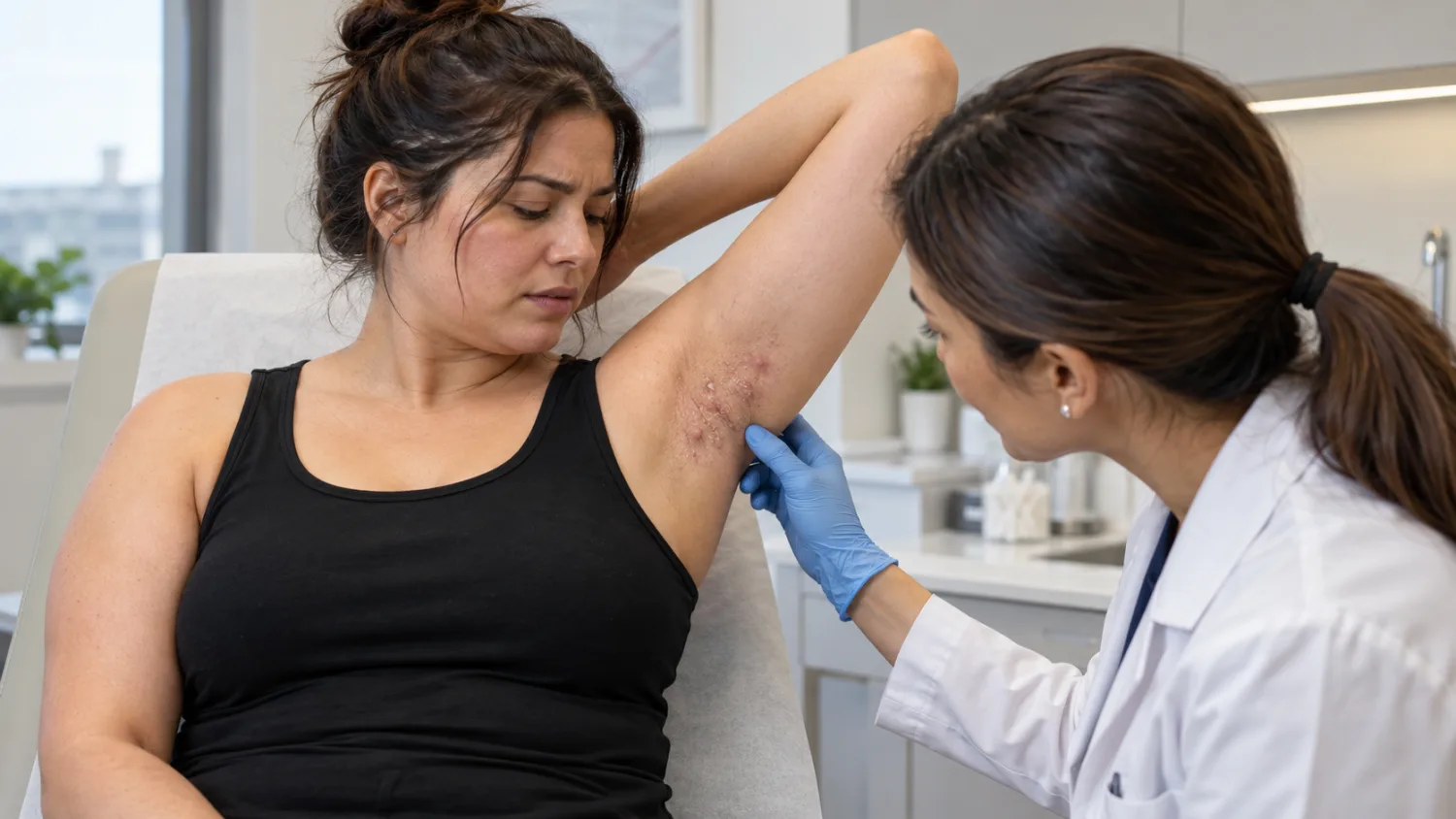
Inflammatory skin conditions occur when the skin’s immune response becomes overactive or poorly regulated. They are not contagious, but they can be persistent and may require long-term management rather than a one-off cure.
Eczema and dermatitis
Eczema is a broad term covering conditions that cause dry, itchy and inflamed skin. Atopic eczema often begins in childhood but can continue or first appear in adulthood. Contact dermatitis develops when the skin reacts to an irritant or allergen, such as cleaning products, fragrances, hair dye, metals or workplace chemicals.
Treatment usually begins with reducing exposure to triggers, using emollients regularly and avoiding products that strip moisture from the skin. Topical corticosteroids may be prescribed for inflamed areas. They come in different strengths, and the appropriate product depends on the person’s age, the body area involved and the severity of the inflammation.
Used correctly, topical steroids are an important and effective treatment. Fear of all steroid use can allow uncontrolled eczema to cause more skin damage, infection and distress. Conversely, repeated unsupervised use of an unsuitable strong steroid can also create problems. Clear instructions matter.
Our detailed guide to eczema and psoriasis explains how the two conditions differ and outlines common NHS and private treatment options.
Psoriasis
Psoriasis causes areas of thickened, inflamed and often scaly skin. It commonly affects the elbows, knees, scalp and lower back, although it can occur almost anywhere. Some people also develop nail changes or psoriatic arthritis, which may cause joint pain, stiffness and swelling.
Mild psoriasis may respond to moisturisers, vitamin D-based treatments, topical steroids or combination products. More extensive or resistant disease may require phototherapy, tablets, injections or biologic medicines under specialist supervision.
Psoriasis is more than a cosmetic inconvenience. Severe disease can affect work, sleep, relationships and mental health, while associated joint symptoms should not be ignored.
Rosacea
Rosacea most often affects the central face. It may cause flushing, persistent colour change, visible blood vessels, spots and sensitivity. Some people develop gritty, dry, irritated or inflamed eyes.
Common triggers include heat, sunlight, alcohol, spicy food, stress and sudden temperature changes, although triggers differ between individuals. Treatment may involve topical medicines, oral antibiotics, careful skincare and, in some cases, laser or light treatment for persistent vessels or redness.
Rosacea is frequently mistaken for acne or sensitive skin. Our guide to rosacea symptoms, triggers and treatment explains how the condition is assessed and managed.
Acne, pigmentation and scarring
Acne develops when hair follicles become blocked with oil and dead skin cells. Bacteria and inflammation then contribute to blackheads, whiteheads, inflamed spots, nodules or cysts.
Although acne is common during adolescence, many people continue to experience it well into adulthood. Hormonal changes, genetics, some medicines, oily products and friction can all contribute. Adult women may notice acne around the jawline, particularly in association with menstrual cycles or conditions such as polycystic ovary syndrome.
Treatment should be based on the type and severity of acne rather than social-media trends. Options include benzoyl peroxide, topical retinoids, azelaic acid, antibiotics, hormonal treatment and isotretinoin. Some products take several weeks to produce noticeable improvement, and using too many strong active ingredients at once may worsen irritation without clearing the acne faster.
Moderate or severe acne deserves early treatment because deeper inflammation is more likely to leave permanent scars. Painful nodules, widespread acne, scarring or major effects on confidence are good reasons to seek medical advice. Our complete guide to acne treatment in the UK covers pharmacy products, prescription medicines, isotretinoin and specialist care in greater detail.
Marks are not always true scars
Flat red, purple or brown marks left after spots are different from changes in the structure of the skin. These marks may fade gradually, although sun exposure can make pigmentation more persistent.
True acne scars may be indented, raised or uneven. Treatment depends on the scar type and may involve microneedling, subcision, chemical reconstruction techniques, laser resurfacing, peels or carefully selected fillers. No single procedure is best for every scar, and meaningful improvement often requires a planned series of treatments.
Melasma and hyperpigmentation
Hyperpigmentation describes areas where the skin produces or retains more pigment. It may follow acne, eczema, burns, friction or cosmetic procedures. Melasma creates irregular patches, often on the face, and is influenced by sunlight, hormones and genetic susceptibility.
Sun protection is central to treatment. The British Association of Dermatologists advises broad-spectrum sun protection and notes that visible light may also contribute to melasma in some people.
Prescription creams, azelaic acid, retinoids, chemical peels and certain device-based treatments may help selected patients. However, aggressive treatment can worsen pigmentation, particularly in darker skin tones. A safe plan should consider both the original concern and the risk of post-inflammatory colour change.
Skin infections, rashes and contagious conditions
Not every circular, scaly or itchy rash is eczema. Fungal, bacterial and viral infections may resemble inflammatory skin disease, and using the wrong treatment can make the problem harder to recognise.
Fungal skin infections
Ringworm is a fungal infection rather than a worm. It can affect the body, scalp, feet, groin or nails. The classic body rash is often circular with a more active scaly border, but appearance varies.
Small areas may respond to an antifungal cream from a pharmacy. Scalp infection, extensive disease, repeated infections or nail involvement may require prescription tablets. Steroid cream used without an antifungal can temporarily reduce redness while allowing the infection to spread.
Our complete UK guide to ringworm covers transmission, treatment, pets, scalp infection and prevention.
Bacterial infection
Bacteria can enter through broken, scratched or inflamed skin. Increasing pain, warmth, swelling, pus, rapidly expanding redness or fever may indicate infection. People with diabetes, reduced immunity or poor circulation should seek advice promptly because complications can develop more easily.
Viral conditions
Cold sores, shingles, warts and molluscum contagiosum are caused by viruses. Their treatments differ, and some are more contagious at particular stages. Shingles affecting the eye area, severe shingles, or shingles in someone with reduced immunity requires prompt medical advice.
When a rash is uncertain, repeated trial-and-error treatment is not always harmless. Strong steroid creams, acids, home freezing products and cosmetic procedures can alter the appearance of a lesion and complicate later diagnosis.
Moles, skin lesions and skin cancer warning signs
Most moles are harmless, but a new or changing lesion should be assessed rather than removed cosmetically without a diagnosis.
Warning signs may include a mole that changes in size, shape or colour; develops an irregular border; contains several colours; becomes persistently itchy, painful, crusted or bleeding; or looks noticeably different from your other moles.
The ABCDE approach can help people remember possible melanoma warning signs:
- Asymmetry: one half differs from the other;
- Border: the outline is irregular, blurred or notched;
- Colour: several shades or a changing colour pattern;
- Diameter: a larger lesion may deserve attention, although melanoma can be smaller;
- Evolving: any meaningful change over time.
It is equally important to notice a lesion that stands out as an “ugly duckling” compared with the rest of your moles. Non-melanoma skin cancers may appear as a persistent scaly patch, sore that does not heal, shiny lump or repeatedly crusting and bleeding area.
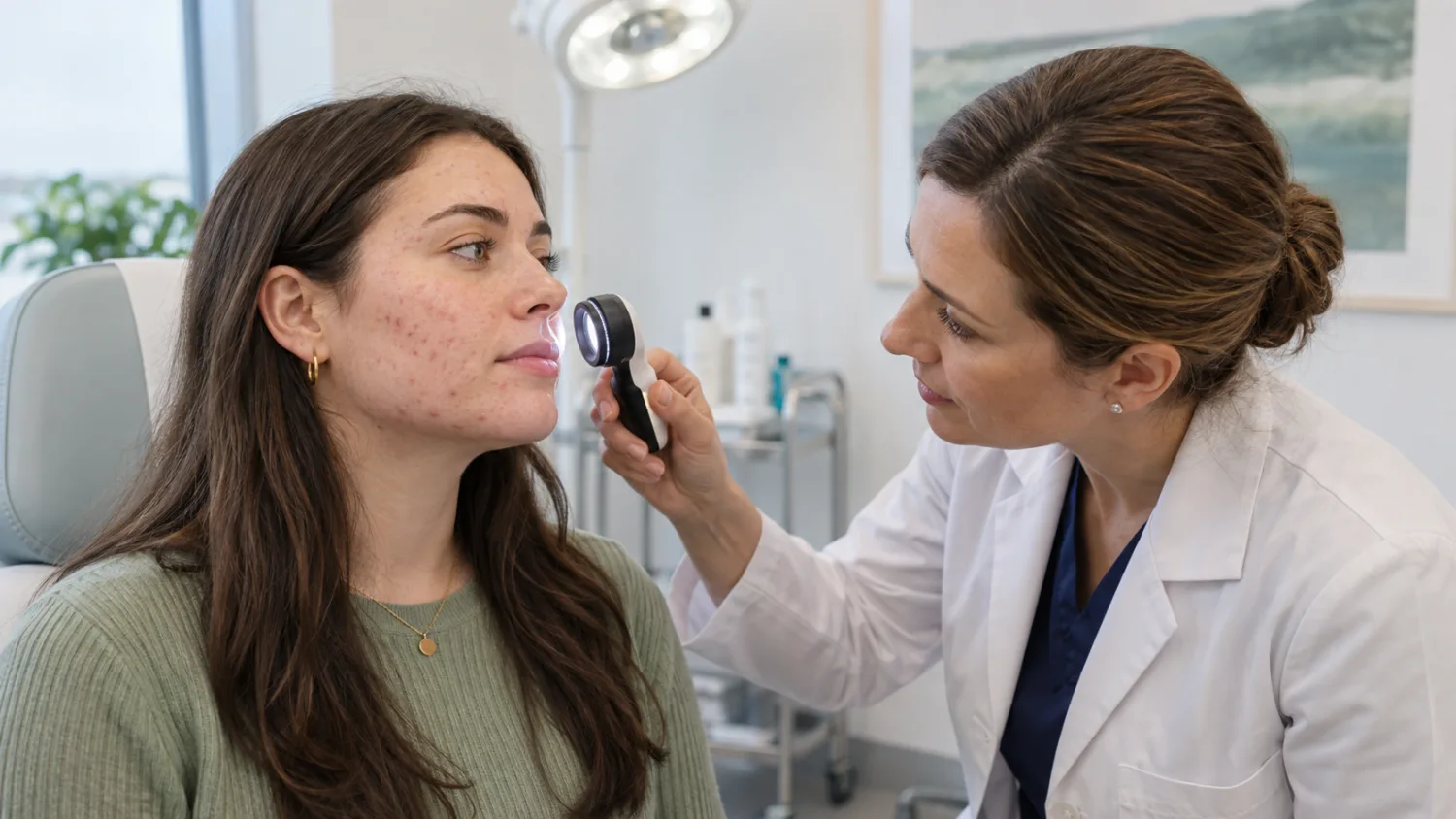
A GP may examine the lesion and refer you to a dermatologist when skin cancer is suspected. Specialists commonly use dermoscopy, a magnified examination of skin structures, and may recommend biopsy or complete removal when necessary. The NHS explains that an excision biopsy is the main test used to diagnose melanoma.
Do not rely on a cosmetic clinic, mobile app or photograph alone to confirm that a changing mole is safe. Read our guide to skin cancer checks in the UK for more information about self-checking, GP assessment and private mole-screening services.
When removal is appropriate, the technique depends on the type, depth and location of the lesion and whether laboratory analysis is required. Our guide to mole removal in the UK explains NHS eligibility, private costs, removal methods and recovery.
Hair, scalp and nail concerns
Hair, scalp and nail problems sit within dermatology because changes in these areas may reflect local disease, genetics, nutrition, hormones or wider health conditions.
Hair loss
Pattern hair loss is common in both men and women and is influenced by genetics and hormones. Other forms of shedding may follow illness, rapid weight loss, childbirth, severe stress, iron deficiency or thyroid dysfunction.
Patchy hair loss may be caused by alopecia areata, fungal scalp infection or conditions that inflame and scar the hair follicles. Scarring forms of hair loss require early specialist attention because lost follicles may not regrow.
Assessment may include the pattern and speed of hair loss, scalp examination, medication history, family history and selected blood tests. Treatment depends entirely on the cause. Options may include topical or oral medicines, treatment of an underlying condition, injections for some inflammatory disorders, camouflage, hair systems or transplantation.
See our guide to hair-loss causes and treatments for a fuller comparison of NHS and private options.
Scalp conditions
Dandruff and seborrhoeic dermatitis can cause flaking, itching and inflammation around the scalp, eyebrows, ears and sides of the nose. Psoriasis may produce thicker scale, while ringworm of the scalp may cause broken hairs, bald patches or inflammation.
Persistent scalp symptoms should not automatically be treated as ordinary dandruff. The correct treatment may involve antifungal shampoo, topical anti-inflammatory medication or oral medicine, depending on the diagnosis.
Nail changes
Thick, discoloured or brittle nails may be caused by fungal infection, repeated trauma, psoriasis or other medical conditions. Because several nail disorders look similar, laboratory testing may be recommended before a long course of oral antifungal treatment.
A new dark line in a nail, pigment spreading onto surrounding skin, or a persistent lesion under the nail deserves medical assessment.
What aesthetic medicine includes
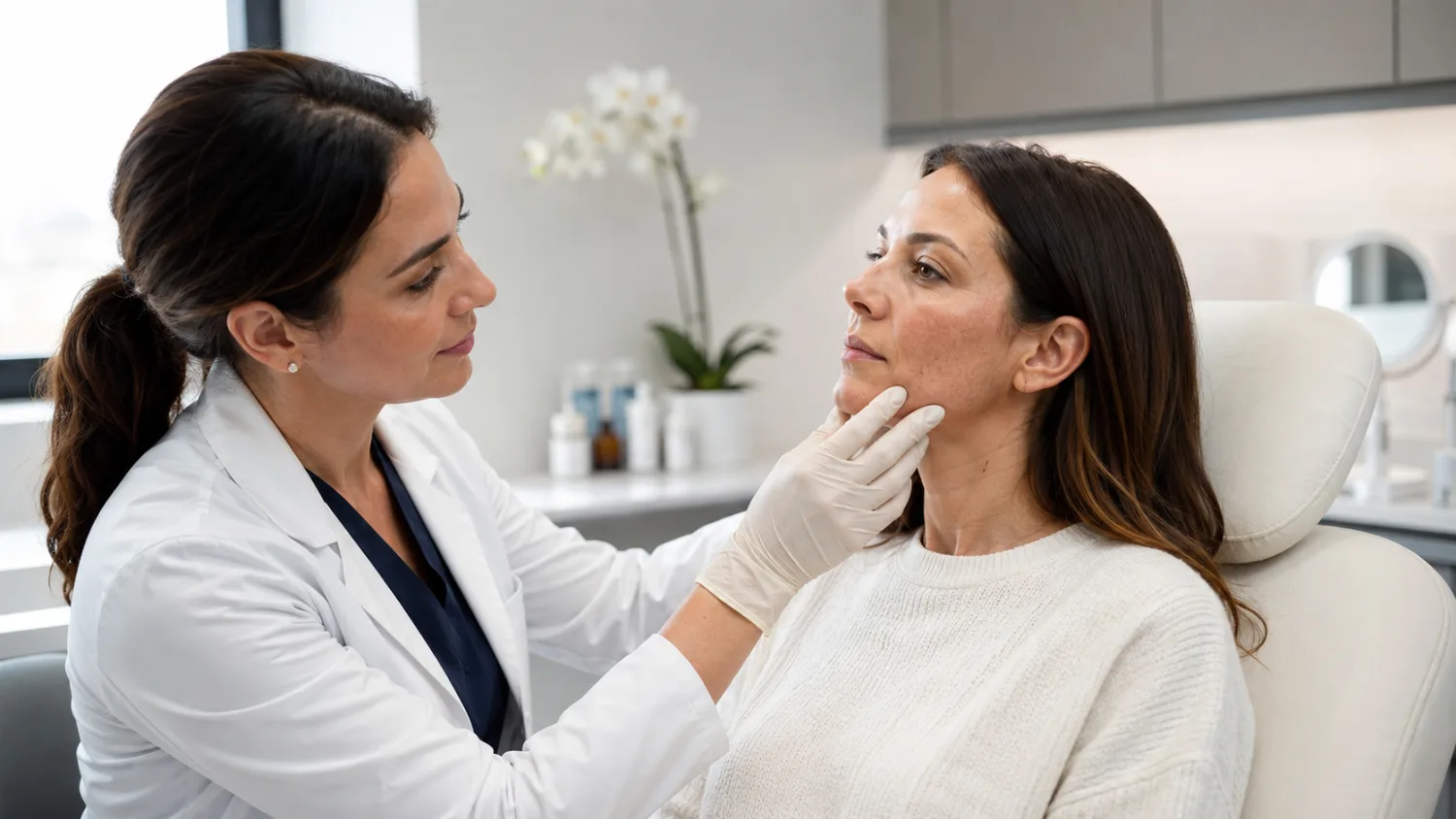
Aesthetic medicine includes non-surgical and minimally invasive treatments intended to alter or improve appearance. It overlaps with dermatology and plastic surgery but is not identical to either.
A dermatologist diagnoses and treats diseases affecting the skin, hair and nails. Some dermatologists also provide cosmetic treatments, particularly for scarring, pigmentation, redness, sun damage and ageing skin.
A plastic surgeon is a medically qualified surgeon trained in reconstructive and cosmetic operations. Non-surgical aesthetic treatments may be offered by doctors, dentists, nurses and other practitioners with very different levels of education, regulation and clinical experience.
Common aesthetic treatments include:
- botulinum toxin injections for expression lines;
- dermal fillers used to alter volume or facial contours;
- skin boosters and other injectable treatments;
- chemical peels;
- microneedling;
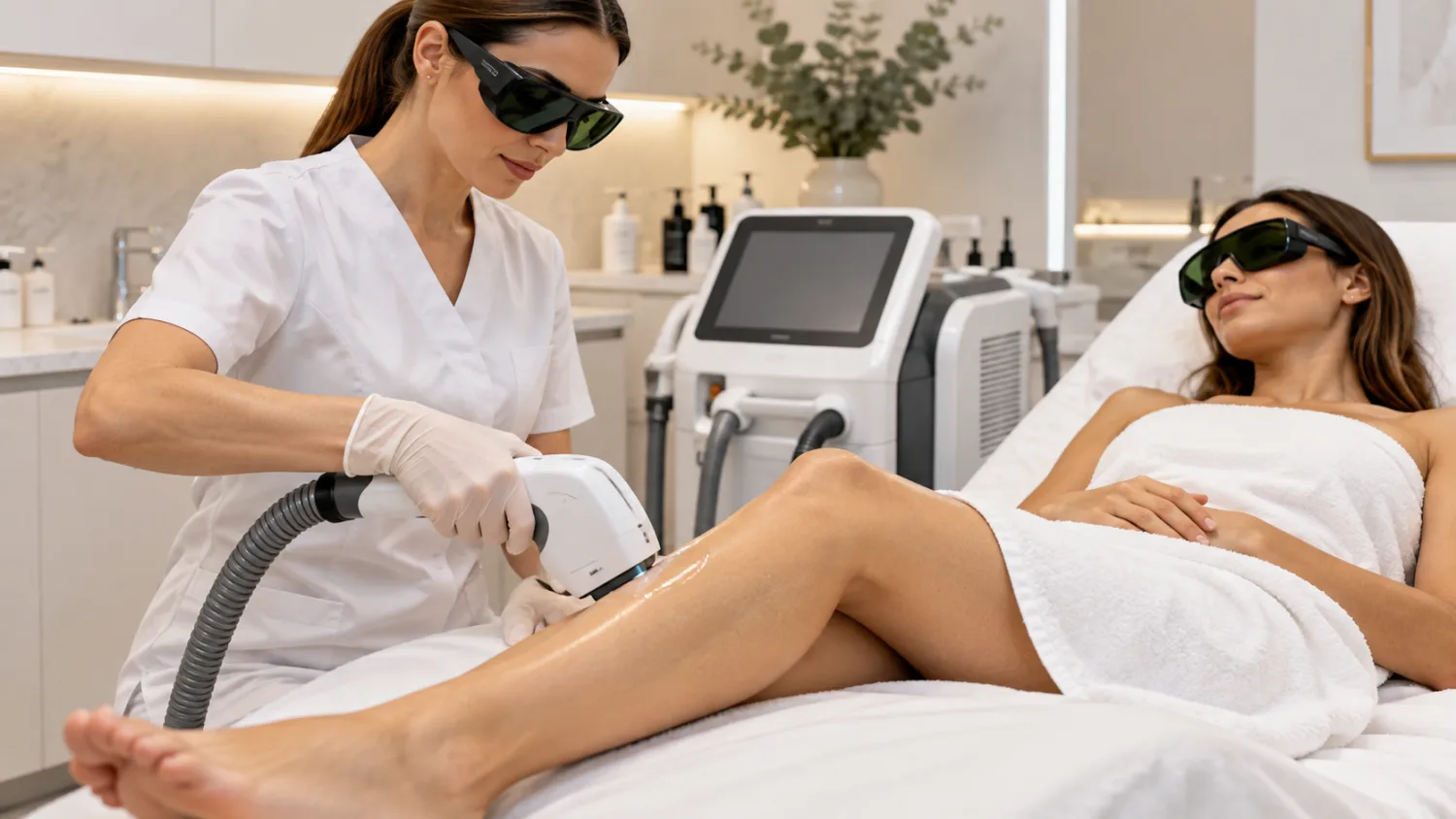
- laser and intense pulsed light treatments;
- treatments for scars, redness, pigmentation and sun damage;
- platelet-rich plasma treatments;
- thread lifts; and
- minor procedures to remove selected benign skin lesions.
The word “non-surgical” should not be interpreted as “risk-free.” A treatment that does not involve a formal operation may still break the skin, introduce a substance into tissue, cause burns or infection, or damage blood vessels, nerves and eyes.
The evidence also varies considerably. Some procedures have well-defined medical uses and a substantial clinical history. Others are promoted through small studies, before-and-after photography, practitioner opinion or marketing claims that exceed the available evidence.
This distinction is especially relevant to rapidly developing areas such as regenerative injectables, exosomes, skin boosters and peptides. Our guide to peptides, benefits, risks and medical claims examines the difference between legitimate therapeutic uses and commercial hype.
Choosing the right treatment for your concern
A treatment should follow a diagnosis or at least a competent assessment. Beginning with a popular procedure and then searching for a reason to use it is the wrong way around.
For example, facial redness may be caused by rosacea, acne, irritation, sun damage, visible blood vessels or an inflammatory condition. A laser treatment suitable for one problem may aggravate another. Similarly, pigmentation may represent melasma, post-inflammatory hyperpigmentation, sun damage or a lesion that should be medically assessed before cosmetic treatment.
A useful consultation should establish:
- what specifically you want to change;
- whether the concern is medical, cosmetic or both;
- your skin type and tendency to scar or pigment;
- relevant medical conditions and medicines;
- previous procedures and any complications;
- realistic treatment alternatives;
- the likely degree and duration of improvement;
- the number of sessions and total cost;
- recovery time and aftercare; and
- what will happen if the result is poor or a complication develops.
Injectables
Botulinum toxin temporarily reduces activity in selected muscles. It is commonly used for facial expression lines and also has medical uses. Dermal fillers add or restore volume and may be used in areas such as the lips, cheeks, chin or jawline.
These treatments are not interchangeable. They have different mechanisms, risks, durations and suitability criteria. Possible complications range from bruising and asymmetry to infection, tissue damage and, very rarely, serious visual complications following filler injection.
Microneedling, peels and resurfacing
Microneedling creates controlled microscopic injuries intended to stimulate repair. Chemical peels remove layers of skin to varying depths. Lasers and other energy-based devices can target texture, pigment, vessels or water within the skin.
The result depends not only on the device or product but also on diagnosis, settings, technique, skin preparation and aftercare. More aggressive treatment is not automatically more effective. It may simply create longer downtime and greater risk.
Managing expectations
Aesthetic treatment can improve a feature without creating perfection. Skin continues to age, acne may recur, pigmentation can return and injectable results usually fade.
Be cautious when a clinic promises permanent results, guarantees a specific outcome or encourages several treatments before properly assessing the original concern. Ethical practitioners sometimes advise against treatment.
How to choose a safer aesthetic clinic or practitioner
Choosing a practitioner is more important than choosing a fashionable product or device. A clinic’s interior, social-media following and polished photography do not prove clinical competence.
The NHS recommends checking a practitioner’s qualifications, training, experience and insurance. You should also understand exactly who will assess you, who will carry out the treatment and who will manage any complication.
Before booking, ask:
- What professional qualifications and current registrations do you hold?
- What specific training have you completed for this procedure?
- How often do you perform it?
- Who prescribes any prescription-only medicine?
- What product or device will be used?
- Is it licensed or appropriately approved for the proposed purpose?
- What complications have you encountered, and how were they managed?
- Is emergency medication and equipment available?
- Who provides out-of-hours advice?
- Is follow-up included?
- What insurance covers the treatment and corrective care?
For surgical cosmetic treatment in England, check whether the provider is registered with the Care Quality Commission where registration is required. Scotland, Wales and Northern Ireland have their own healthcare regulators.
Regulation is not identical across all aesthetic services. Some cosmetic injectables and beauty treatments may fall outside the same regulatory framework as surgery or medical dermatology. The UK government has set out plans to strengthen oversight of non-surgical cosmetic procedures in England, but patients should not assume that every operating clinic has been inspected in the same way as a hospital or registered medical service.
Red flags include:
- pressure to pay immediately;
- treatment offered without a proper consultation;
- injectables sold at parties or informal events;
- unknown or unlabelled products;
- no medical history or consent process;
- no discussion of alternatives or risks;
- treatment offered despite active infection or inflamed skin;
- heavily edited before-and-after images;
- discounts tied to unnecessary additional procedures; and
- no clear route for urgent aftercare.
A cooling-off period is particularly important for irreversible, expensive or surgical treatment. You should have time to consider the information away from the sales environment.
Costs, NHS care and private treatment in the UK
The NHS treats skin disease according to clinical need, but it does not routinely fund procedures performed only to alter appearance. Access can also vary between areas because local commissioning policies differ.
A treatment may be considered medically necessary when a condition causes pain, bleeding, repeated infection, functional impairment, suspected cancer or significant disease. A procedure intended only to improve appearance is more likely to require private payment.
Even where a concern affects confidence, NHS eligibility is not automatic. The NHS states that cosmetic surgery is not routinely provided, although exceptions may be made for health or psychological reasons.
Private pricing varies according to location, practitioner experience, clinic facilities, treatment complexity, products used and the amount of follow-up included. A low advertised price may not include consultation, prescriptions, pathology, aftercare or corrective treatment.
Ask for the expected total cost rather than the headline session price. For treatments requiring maintenance, calculate the likely annual or multi-year cost. Also ask what happens financially if treatment must be postponed, if you change your mind or if a complication requires additional care.
When considering treatment abroad, compare more than the operation price. Travel, accommodation, insurance, time away from work, aftercare and corrective treatment can materially change the total cost. Our UK patient’s guide to cosmetic surgery abroad explains how to evaluate clinics, risks and recovery planning.
Preparing for treatment and protecting your results
Good outcomes depend partly on preparation and aftercare. The correct advice will vary by procedure, but several general principles apply.
Tell the practitioner about:
- prescription and non-prescription medicines;
- blood-thinning treatment;
- allergies;
- pregnancy or breastfeeding;
- cold sores;
- bleeding or clotting disorders;
- immune-system conditions;
- previous reactions to anaesthetic, injectables or skincare;
- a tendency to develop raised scars or pigmentation; and
- recent dental work, infection or another cosmetic procedure.
Do not stop prescribed medicine simply to have an aesthetic treatment unless the prescribing clinician has advised you to do so.
Avoid treatment over active acne cysts, cold sores, infected skin, unexplained rashes or severe inflammation unless the procedure is specifically part of medical care for that condition.
After treatment, follow the written advice provided. This may include gentle cleansing, avoiding sun exposure, not picking peeling or crusted skin, delaying strenuous exercise, avoiding certain products and attending follow-up appointments.
Sun protection is particularly important after peels, lasers, microneedling and treatments for pigmentation. Newly treated skin may be more vulnerable to inflammation and post-inflammatory colour change.
Contact the clinic promptly if symptoms are more severe than expected, worsen after initially improving, or include increasing pain, marked swelling, blistering, pus, spreading redness, skin discolouration or fever.
After dermal filler, severe pain, blanching, mottled or dusky skin, unusual visual symptoms, weakness or neurological symptoms require urgent assessment. Do not wait for a routine follow-up appointment.
A balanced approach to skin health and aesthetic care
Good skin care is not defined by the number of products on a shelf or the number of procedures someone has undergone. It begins with identifying the actual problem.
For some people, the best plan is a simple cleanser, moisturiser, sun protection and time. Others benefit substantially from prescription treatment, dermatology care or a carefully selected procedure. Aesthetic medicine can offer meaningful improvement, but it should complement sound diagnosis and realistic expectations rather than replace them.
Be particularly cautious of treatments marketed through fear: claims that ordinary ageing must be corrected, that everyone needs “preventative” injections, or that natural skin texture represents a defect. Treatment should serve the patient’s goals, not create a new source of anxiety.
Likewise, do not dismiss concerns as “only cosmetic.” Acne scars, hair loss, pigmentation and visible skin disease can have a profound psychological and social impact. A thoughtful consultation should take those effects seriously without exploiting them.
The most reliable pathway is usually:
- identify whether the concern may represent disease;
- seek diagnosis when the cause is uncertain;
- begin with proportionate, evidence-based treatment;
- understand alternatives, risks and maintenance;
- choose a suitably qualified practitioner; and
- allow enough time to judge results before adding more treatment.
Skin changes throughout life. The goal is not flawless skin, but skin that is healthy, comfortable and cared for—and treatment decisions that remain sensible after the trend has passed.
Frequently asked questions
Should I see a GP, dermatologist or aesthetic practitioner?
See a GP or dermatologist when you have an unexplained, changing, painful, bleeding, persistent or medically concerning skin problem. A dermatologist is particularly appropriate for difficult diagnoses, severe disease, suspicious lesions, scarring disorders and conditions affecting the hair or nails. An aesthetic practitioner may help with a clearly identified cosmetic concern, but should not be used as a substitute for medical diagnosis.
Can a pharmacist diagnose skin conditions?
Pharmacists can advise on many common and minor skin problems and recommend suitable non-prescription treatment. They can also tell you when symptoms need GP or urgent assessment. Complex, severe, recurrent or uncertain conditions may require medical review.
Are private dermatology clinics regulated?
Regulation depends on the services provided and the part of the UK in which the clinic operates. In England, some medical and surgical services must register with the Care Quality Commission. However, not every purely cosmetic treatment falls within the same regulatory scope. Check both the clinic and the individual practitioner.
Are non-surgical aesthetic treatments safe?
No procedure is completely risk-free. Non-surgical treatments may cause bruising, swelling, burns, infection, scarring, pigmentation changes, asymmetry, nerve injury or vascular complications. Risk depends on the procedure, product, equipment, practitioner, patient and quality of aftercare.
What is the difference between a dermatologist and an aesthetic doctor?
A dermatologist is a medical specialist trained to diagnose and treat diseases of the skin, hair and nails. “Aesthetic doctor” is a descriptive term used by doctors who provide cosmetic treatments, but their formal specialty training and experience may vary. Check the individual’s medical registration, specialist qualifications and procedure-specific training.
Can beauty therapists perform aesthetic treatments?
The treatments a beauty therapist can legally offer depend on the procedure, local rules, training and the nation within the UK. Legal permission alone does not establish that a person has the clinical competence to assess medical risks or manage serious complications. The more invasive the procedure, the more carefully you should examine qualifications and emergency arrangements.
Can cosmetic treatments make acne or rosacea worse?
Yes. Irritating peels, unsuitable lasers, heavy products and aggressive treatment may worsen inflammation, redness or pigmentation. Active acne or rosacea should be assessed and brought under reasonable control before many elective procedures are considered.
How do I know whether a mole is safe to remove cosmetically?
A mole should be assessed before cosmetic removal, particularly if it is new, changing, irregular, symptomatic or different from your other moles. Where there is diagnostic uncertainty, removal should allow appropriate laboratory examination rather than simply destroying the lesion.
Does expensive skincare work better?
Price does not reliably indicate effectiveness. Formulation, active ingredients, concentration, packaging, tolerability and consistent use matter more. A simple routine containing a suitable cleanser, moisturiser, sun protection and one or two evidence-based active ingredients may outperform a complicated luxury routine.
How long should I try a skin treatment before deciding it has failed?
It depends on the condition and treatment. Some irritation or infection treatments work relatively quickly, while acne, pigmentation, hair loss and chronic inflammatory conditions may require several weeks or months. Follow the expected timeline given by a healthcare professional and seek review if symptoms are worsening, side effects are significant or the diagnosis is uncertain.
Can aesthetic treatment permanently stop skin ageing?
No. Treatments can soften particular signs of ageing, improve skin texture or restore selected areas of volume, but the skin and underlying tissues continue to change. Many procedures require maintenance, and excessive treatment can create new problems rather than preserving a natural appearance.
When should I seek urgent help after an aesthetic procedure?
Seek urgent medical advice for breathing difficulty, collapse, rapidly increasing swelling, severe or worsening pain, skin that becomes pale, mottled or dusky, spreading infection, significant blistering, visual changes, weakness or other neurological symptoms. Contact the treating clinic, but do not delay emergency care while waiting for a reply.