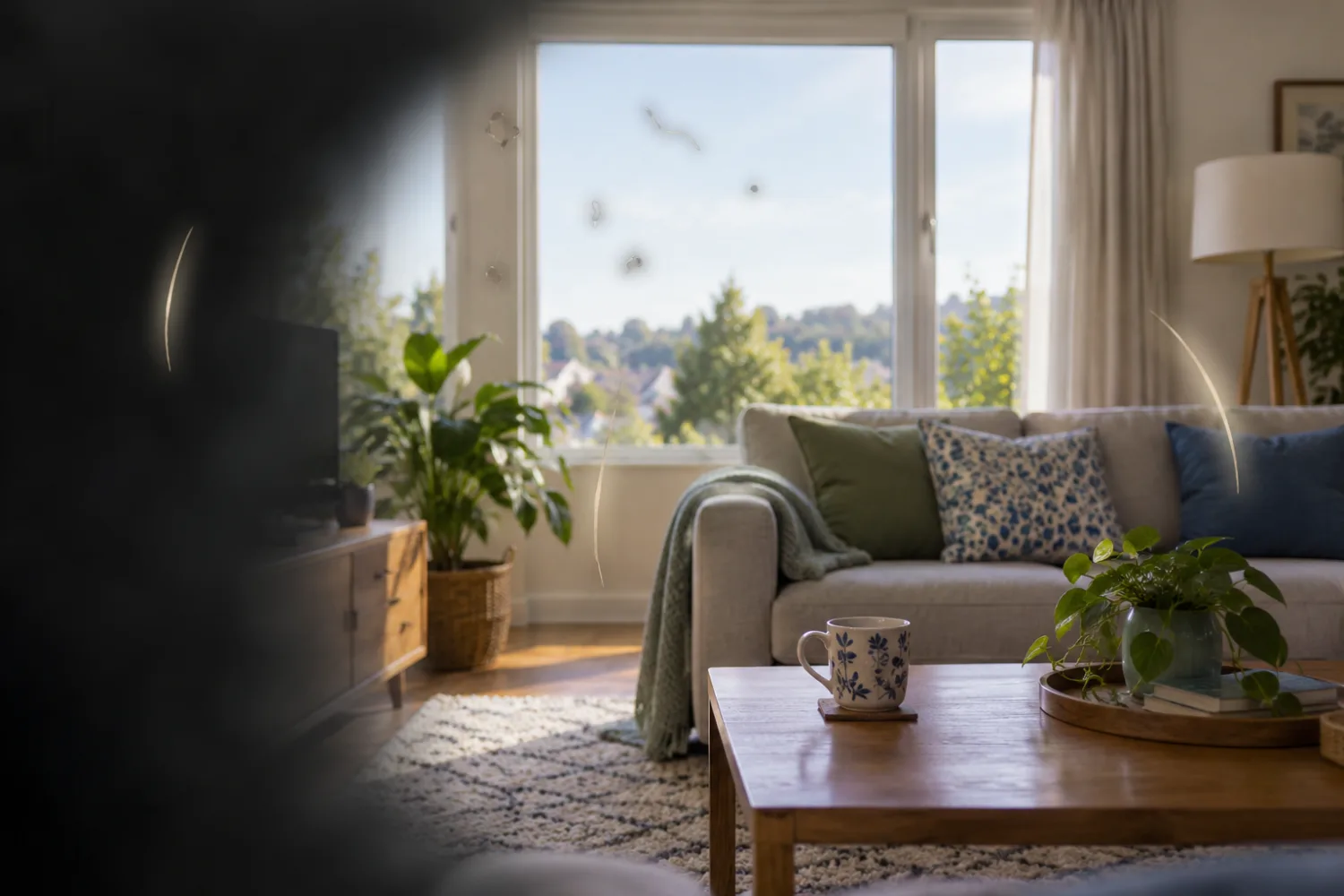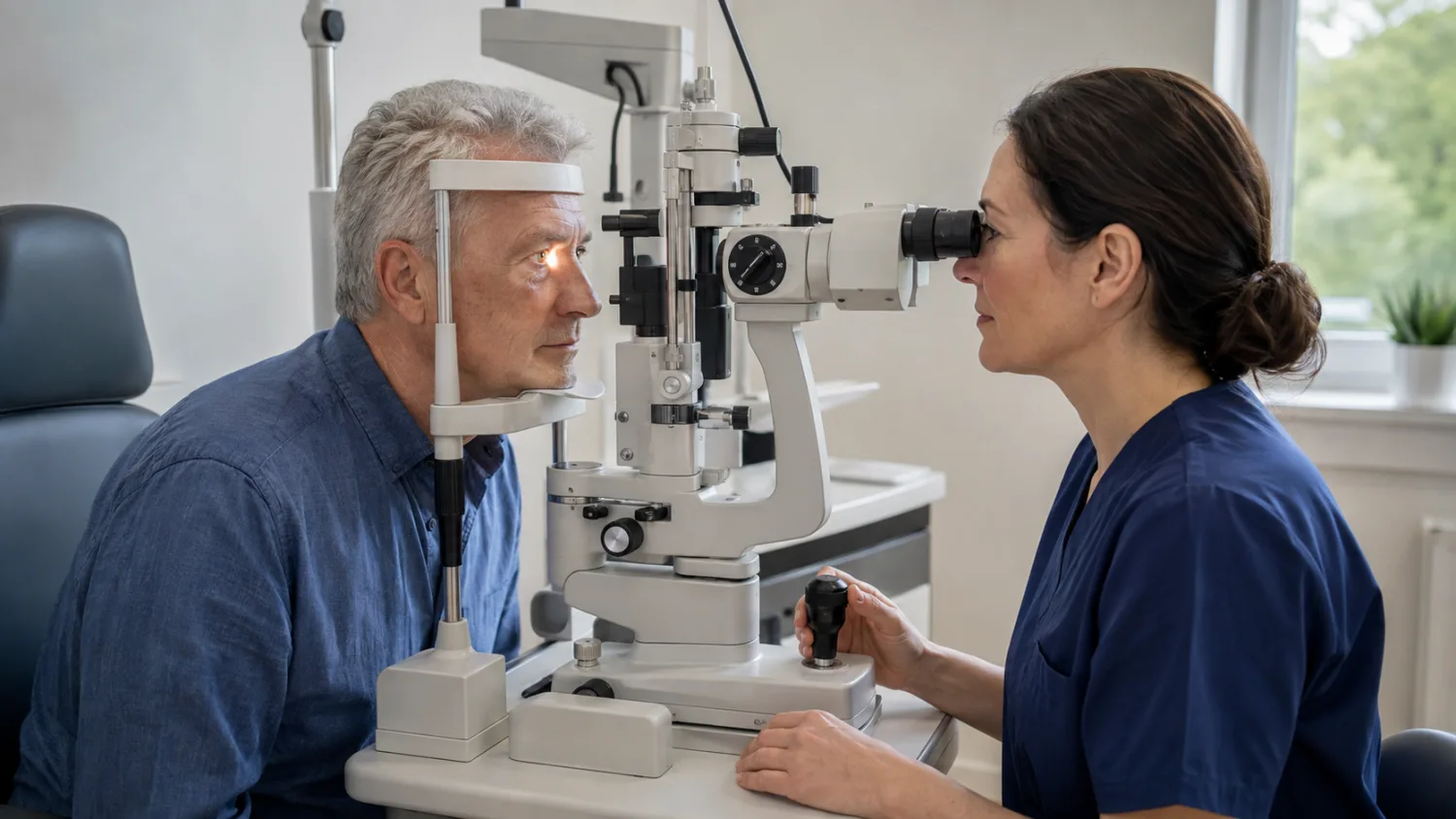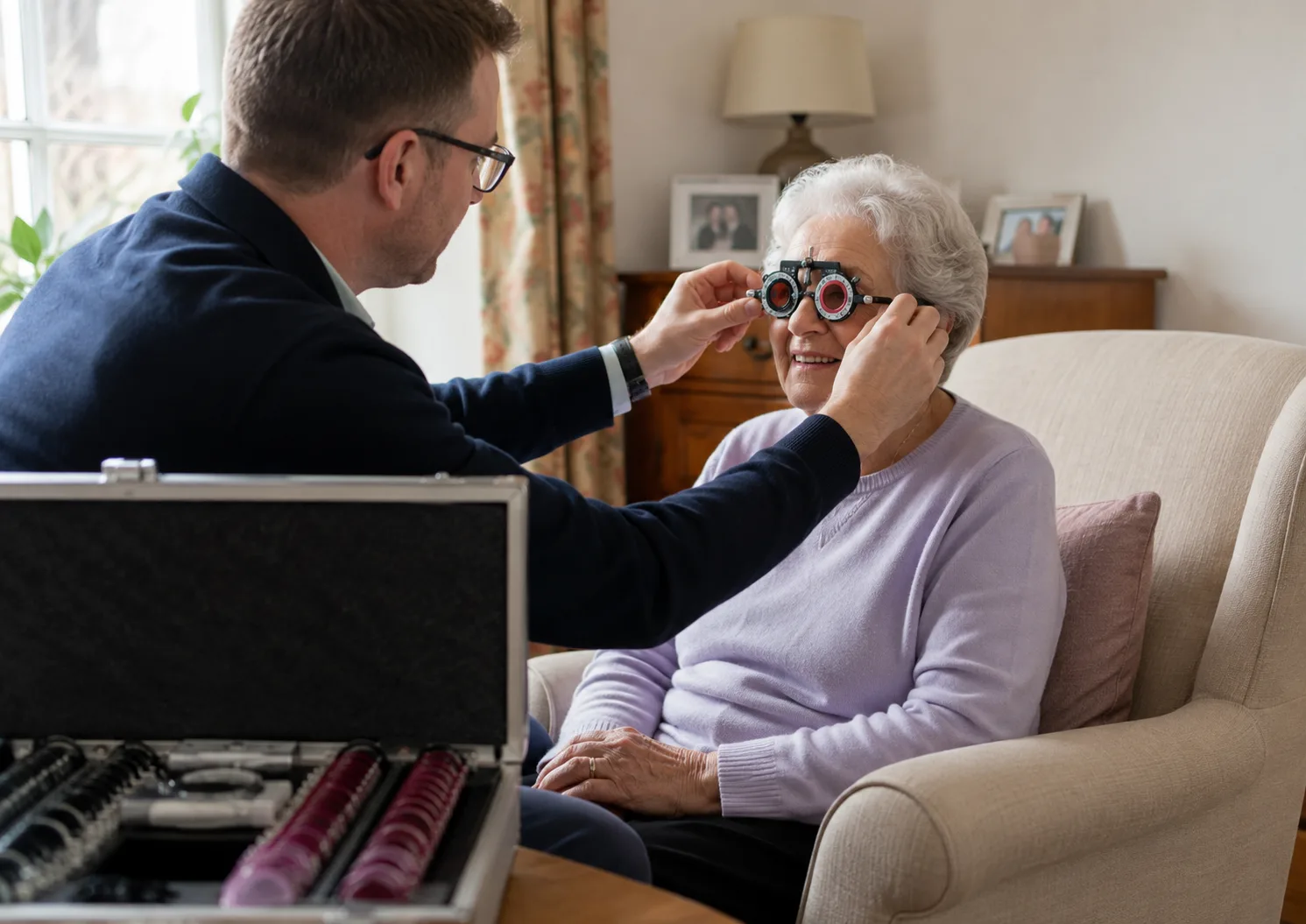
Domiciliary optician services allow people to have an eye test at home, in a care home, nursing home or other residential setting when they cannot easily attend a high street optician. These services are also known as home eye tests, mobile optician services, home visit opticians, domiciliary eye care or domiciliary sight tests.
For many people, this is not just a convenience. It can be the only realistic way to access eye care. A person who is housebound, frail, living with dementia, recovering from a stroke, disabled, or unable to travel safely may struggle to attend a normal optical practice. A domiciliary optician brings portable equipment to them instead.
Good eyesight matters at every age, but it can be especially important for older adults and people with care needs. Poor vision can increase the risk of falls, make reading and watching television harder, affect confidence, make medication labels difficult to read, and reduce independence. Sometimes a person may seem more withdrawn, confused or hesitant simply because they cannot see clearly.
This guide explains what domiciliary optician services are, who may qualify for an NHS-funded home eye test, what happens during the visit, whether glasses can be arranged at home, and when eye symptoms need urgent medical help.
Quick answer: A domiciliary optician provides eye tests away from a normal optical practice, usually at someone’s home, care home or nursing home. In England, an NHS-funded mobile sight test may be available if someone qualifies for a free NHS sight test and cannot leave home unaccompanied because of physical or mental illness or disability.
What is a domiciliary optician?
A domiciliary optician is an eye care provider who delivers optical services where the person lives or receives care. The word “domiciliary” simply means the service is provided in the person’s home environment rather than in a shop, clinic or high street practice.
A domiciliary eye test may take place in:
- a private home
- a care home
- a nursing home
- a supported living setting
- a sheltered housing scheme
- a residential care setting
- some day centres or community settings where appropriate
The eye examination is usually carried out by an optometrist using portable equipment. The aim is to assess vision, check whether glasses are needed or need updating, examine eye health where possible, and decide whether referral is needed for further care.
The College of Optometrists describes domiciliary eye examinations as being available for patients who are unable to attend a practice because of physical or mental disability. Their guidance also says the optometrist should adapt techniques as needed and use suitable portable equipment. You can read the professional guidance on the domiciliary eye examination.
Who are home eye tests for?
Home eye tests are mainly for people who cannot reasonably attend an optician’s practice. They are not simply designed for people who would prefer not to travel. The NHS domiciliary sight test service is intended for people who have a genuine difficulty leaving home unaccompanied because of physical or mental illness or disability.
People who may benefit include:
- older adults who are housebound or frail
- people living in care homes or nursing homes
- people with dementia or cognitive impairment
- people with severe mobility problems
- people who are bedbound or chairbound
- people recovering from a stroke
- people with learning disabilities
- people with neurological conditions
- people with severe anxiety, agoraphobia or mental health conditions that prevent travel
- people who need another person’s support to leave home safely
Some private providers may also offer home eye tests to people who do not meet NHS domiciliary criteria, but there may be a private fee. Always check eligibility, costs and what is included before booking.
What does “unable to leave home unaccompanied” mean?
This phrase is important for NHS eligibility. It usually means the person cannot leave their home safely without another person because of illness, disability or mental health needs.
It may apply if someone:
- cannot safely walk to transport or into an optical practice
- needs significant help to transfer, travel or attend appointments
- is at high risk of falls when leaving home
- is bedbound or chairbound
- has dementia and would be distressed, confused or unsafe attending a practice
- has a mental health condition that prevents them leaving home safely
- lives in a care home and cannot attend a high street optician without support
The NHS explains that a mobile sight test may be available at home if someone is unable to leave home unaccompanied because of physical or mental illness or disability, or at a residential or care home if a resident is unable to leave the home unaccompanied for the same reason. See the NHS guide to free NHS eye tests and optical vouchers.
NHS eligibility for a domiciliary eye test
In England, there are usually two parts to NHS-funded domiciliary sight test eligibility:
- the person must qualify for a free NHS sight test
- the person must be unable to leave home unaccompanied because of physical or mental illness or disability
This means that being housebound alone may not be enough if the person would not otherwise qualify for a free NHS sight test. Equally, qualifying for a free NHS sight test does not automatically mean the person can have it at home if they are able to attend a practice.
NHSBSA lists free NHS sight test eligibility, including people aged 60 or over, people registered blind or partially sighted, people diagnosed with diabetes or glaucoma, and people aged 40 or over with a close relative with glaucoma. It also explains benefit-related help with sight tests, glasses and contact lenses. See NHSBSA information on sight tests, glasses and contact lenses.
Who qualifies for a free NHS sight test in England?
You may qualify for a free NHS sight test in England if you fall into one of the NHS eligibility groups. Common examples include people who:
- are aged 60 or over
- are under 16
- are 16, 17 or 18 and in full-time education
- are registered blind or partially sighted
- have diabetes
- have glaucoma
- are aged 40 or over and have a parent, sibling or child with glaucoma
- have been advised by an ophthalmologist that they are at risk of glaucoma
- receive certain qualifying benefits
- have a valid NHS certificate for full help with health costs
- are eligible for an NHS complex lens voucher
This is a simplified guide, so always check current eligibility when booking. The domiciliary optician or optical provider should ask questions and may need evidence of age, benefits, medical condition or NHS exemption.
Does NHS eligibility mean glasses are free?
Not always. A free NHS sight test means the eye examination is funded. It does not automatically mean new glasses are completely free.
Some people also qualify for an NHS optical voucher, which helps towards the cost of glasses or contact lenses. The value depends on the prescription and eligibility. The NHS states that optical voucher values vary depending on the strength of the lenses needed. You can see current information on NHS voucher values for glasses and lenses.
If glasses are needed, the provider should explain:
- whether an NHS optical voucher applies
- how much the voucher covers
- whether there is any remaining cost
- which frames and lenses are included
- whether lens upgrades are optional
- delivery, fitting and aftercare arrangements
Ask for the total cost before ordering glasses. This is especially important if a relative, attorney, carer or care home is helping the person make decisions.
Can care home residents have NHS eye tests in the care home?
Yes. Many domiciliary eye tests take place in care homes and nursing homes. A care home resident may be eligible for an NHS-funded sight test if they qualify for a free NHS sight test and cannot leave the home unaccompanied because of physical or mental illness or disability.
Care home residents may need regular eye care because of:
- age-related vision changes
- falls risk
- dementia or cognitive impairment
- diabetes
- glaucoma risk
- cataracts
- macular degeneration
- lost, broken or outdated glasses
- difficulty reading, watching television or recognising people
If a resident seems more withdrawn, bumps into furniture, stops reading, misjudges steps, spills drinks, struggles with television, or has more falls, poor vision could be one of several possible causes.
If you are supporting someone in residential care, you may also find our guides to care homes in the UK, falls in care homes and what a good care home looks like useful.
Why home eye tests matter
Vision affects far more than reading. Poor eyesight can affect balance, confidence, communication, medication safety, eating, mobility and independence. For older adults, visual problems can also increase the risk of falls and make familiar surroundings feel harder to navigate.
In people with dementia, poor vision may be mistaken for confusion, anxiety or loss of interest. Someone may stop reading, avoid walking, fail to recognise faces, leave food on one side of the plate, or become more hesitant because they cannot see clearly.
An eye test may help detect or monitor:
- changes in glasses prescription
- cataracts
- glaucoma risk
- macular degeneration
- diabetic eye concerns
- dry eye
- eye strain or near-vision problems
For more background, see our guides to cataracts, glaucoma, macular degeneration and dry eye syndrome.
What happens during a home eye test?
A home eye test has the same broad purpose as an eye test in a practice: to check how well the person can see, whether they need glasses or a change in prescription, and whether there are signs of eye disease. The difference is that the optometrist uses portable equipment and adapts the examination to the person and the setting.
The visit may include:
- confirming personal details and NHS eligibility
- asking about symptoms and vision problems
- checking medical history and medicines
- asking about diabetes, glaucoma, cataracts or previous eye surgery
- checking current glasses
- testing distance and near vision
- checking whether the glasses prescription has changed
- examining the front and back of the eyes where possible
- checking eye pressure if appropriate and possible
- discussing results and recommendations
- helping choose glasses if needed
- arranging referral if further assessment is needed
The exact tests may vary depending on the person’s health, cooperation, communication, mobility and the available equipment. The College of Optometrists says optometrists should carry out whatever tests are possible to determine the patient’s needs for vision care, and that the format and content of the examination will depend on professional judgement and legal requirements. See guidance on conducting a domiciliary eye examination.
How long does a domiciliary eye test take?
A home eye test may take longer than a standard high street appointment because the optometrist needs to set up equipment, understand the environment, talk with carers or relatives, and adapt the test to the person’s needs.
A straightforward visit may take around 30 to 60 minutes, although this can vary. In a care home, several residents may be seen on the same day, but each person should still receive an individual assessment.
What equipment does a mobile optician bring?
Domiciliary opticians use portable versions of equipment used in optical practices. This may include test lenses, vision charts, handheld lights, equipment to examine the back of the eye, and sometimes tools for checking eye pressure or taking images, depending on the provider.
The equipment may look different from what you see in a high street optician, but the aim is the same: to assess vision and eye health as accurately as possible in the home setting.
Can someone with dementia have a home eye test?
Yes. Many people with dementia can still have a useful eye examination, although the test may need to be adapted. The optometrist may use simpler questions, matching tests, familiar objects, observation, carer input and a calmer pace.
A family member or carer can help by explaining:
- whether the person normally reads or watches television
- whether they wear glasses and when
- whether glasses have been lost, broken or refused
- whether the person bumps into things or misses steps
- whether they seem less confident moving around
- whether there has been a recent change in behaviour
- whether they have known eye conditions or eye drops
People with dementia may not be able to explain blurred vision clearly. Families and carers may instead notice changes in walking, eating, reading, mood, recognition or confidence.
For broader support, see our guide to dementia, depression and mild cognitive impairment.
What if the person cannot read letters?
Reading letters on a chart is only one way to test vision. Optometrists can use alternative methods for people who cannot read, cannot speak clearly, do not speak English confidently, have learning disabilities, have dementia, or have communication difficulties.
Options may include:
- matching symbols
- picture-based tests
- shape tests
- observing how the person uses their vision
- checking how the eyes respond to lenses
- asking carers about everyday visual function
The goal is not just to complete a standard chart. It is to understand how well the person can see in daily life and whether anything can be improved.
Can glasses be supplied after a home eye test?
Yes. If new or updated glasses are needed, the domiciliary optician may bring a selection of frames to choose from. They should explain the prescription, frame options, lens options, NHS voucher entitlement if relevant, and any cost before the order is placed.
The provider may arrange:
- reading glasses
- distance glasses
- bifocals
- varifocals
- replacement glasses
- repairs or adjustments
- delivery and fitting at home
If the person already has glasses, have them ready for the appointment. The optometrist can check whether the current glasses are still suitable, whether they need adjustment, or whether a new prescription is needed.
Do you have to buy glasses from the visiting optician?
No. A person should not feel pressured into buying glasses. If a new prescription is issued, they can ask for a copy and consider their options. However, buying through the visiting provider may be convenient because they can measure, fit, deliver and adjust glasses at home.
Before ordering, ask:
- Is a new prescription definitely needed?
- What is covered by any NHS optical voucher?
- What is the total cost?
- Are there lower-cost frame options?
- Are lens upgrades optional?
- What happens if the glasses are uncomfortable?
- Will someone return to fit or adjust them?
- What is the cancellation or refund policy?
This is especially important where someone lacks capacity or relies on family, carers or an attorney to help with decisions.
Consent, capacity and family involvement
Domiciliary eye care should be arranged with appropriate consent. The College of Optometrists says a domiciliary eye examination should only be provided at the request of, and with the consent of, the patient or a relative or primary carer. Its guidance on patients eligible for domiciliary eye examinations explains this requirement.
If the person has dementia, learning disability or another condition affecting decision-making, the provider should follow proper consent and best-interest processes. Family members and carers can provide helpful information, but the person’s dignity, comfort and preferences should still be respected.
If you are arranging a visit for someone else, tell the provider about communication needs, hearing problems, mobility needs, behaviour triggers, medicines, existing glasses and any known eye conditions.
How to prepare for a home eye test
A little preparation can make the appointment smoother and more useful.
Before the visit, try to have ready:
- current glasses
- old or spare glasses if available
- any contact lenses or lens details
- a list of medicines
- details of eye drops
- NHS number if available
- benefit or exemption evidence if relevant
- details of diabetes, glaucoma or eye surgery
- hospital eye clinic letters if available
- power of attorney or carer details if relevant
- a quiet, well-lit room with enough space if possible
If the person has good and bad times of day, book the appointment when they are usually most alert and comfortable. For someone with dementia, this can make a big difference.
How often should housebound adults have eye tests?
Many adults are advised to have an eye test every two years, but some people need more frequent checks depending on their age, eye conditions, diabetes, glaucoma risk, symptoms or professional advice.
NHS guidance says free NHS sight tests are usually available at set intervals, and that if you pay privately you will usually not be eligible for a free NHS sight test until the next test is due. See NHS guidance on how often you can have a free NHS sight test.
Do not wait for a routine review if vision changes suddenly or there are urgent eye symptoms. Seek advice promptly.
Eye symptoms that should not wait for a routine home eye test
A domiciliary eye test is useful for planned eye care, but some symptoms need urgent assessment by NHS 111, an urgent eye service, A&E or 999 depending on severity.
Seek urgent advice if the person has:
- sudden loss of vision
- new blurred or reduced vision
- new double vision
- eye pain
- a painful red eye
- flashing lights or new floaters
- a curtain-like shadow in vision
- new severe headache with vision changes
- eye injury
- chemical in the eye
- sudden facial drooping, arm weakness or speech problems
For more detail, see Eye Problems: Red Eye, Pain, Discharge and When It Is Urgent. Do not wait for a routine home eye test if symptoms are sudden, painful or sight-threatening.
What eye conditions can a home optician detect?
A home eye test can identify many common vision and eye health problems. It may not replace all hospital-level tests, but it can help decide whether further referral is needed.
Possible findings include:
- short-sightedness
- long-sightedness
- reading vision changes
- astigmatism
- cataract signs
- glaucoma risk signs
- macular changes
- dry eye
- eyelid problems
- diabetic eye concerns
- signs that need hospital eye clinic referral
If the optometrist finds something that needs further assessment, they may refer the person to their GP, a community eye service or a hospital eye clinic depending on the problem and local pathway.
Domiciliary optician services and diabetes
People with diabetes are entitled to free NHS sight tests in England, but this is separate from diabetic eye screening. A routine sight test checks vision and general eye health. Diabetic eye screening is a specific NHS programme that looks for diabetic retinopathy.
A domiciliary optician may identify signs that need referral, but a home eye test does not necessarily replace diabetic eye screening. If someone has diabetes and is housebound, ask their GP, diabetes team or local screening service how diabetic eye screening should be arranged.
If blood sugar results are relevant, see HbA1c and Blood Sugar Results Explained.
Home eye tests after a stroke
Stroke can affect vision in several ways, including visual field loss, double vision, reading difficulty, eye movement problems and visual neglect. Some people may not fully recognise what they cannot see.
A domiciliary optician can help check glasses and general vision, but stroke-related visual problems may also need specialist orthoptic, ophthalmology or rehabilitation input.
Tell the optometrist if the person has had a stroke, has visual field loss, bumps into things on one side, misses food on one side of the plate, struggles to read, or has double vision.
How to find a domiciliary optician near you
People often search for this service using different terms. Useful search phrases include:
- domiciliary optician near me
- home eye test near me
- NHS home eye test
- mobile optician near me
- home visit optician for elderly person
- care home eye tests
- domiciliary eye care
- optician home visit for housebound patient
You can also ask:
- your usual optician
- the person’s GP surgery
- the care home manager
- local NHS eye care services
- charities supporting older people or sight loss
- family or carers who have used a service locally
RNIB recommends asking the optometrist you usually see whether they offer home visits, and if not, whether they can recommend another practice. RNIB also explains that an optometrist can visit your home to carry out, as far as possible, a full eye examination. See RNIB guidance on having an eye examination at home.
Questions to ask before booking
Before booking a home eye test, it is sensible to ask a few practical questions.
- Do you provide NHS-funded home eye tests?
- How do you check eligibility?
- Is there any private fee if the person does not qualify?
- Do you visit private homes, care homes or nursing homes?
- How long does the appointment usually take?
- Can a family member or carer be present?
- Do you have experience with dementia or complex needs?
- Can you provide glasses at home if needed?
- What frame and lens options are available?
- How are glasses delivered and fitted?
- What happens if the glasses need adjustment?
- How do you handle referrals if an eye condition is found?
A good provider should be clear about eligibility, costs, consent, aftercare and how they adapt the test for the person’s needs.
Private home eye tests
If someone does not qualify for an NHS-funded domiciliary eye test, they may still be able to pay privately for a home visit. Private fees vary by provider and location.
Before booking privately, ask:
- the cost of the eye test
- whether travel or call-out fees apply
- whether glasses are optional
- how much typical glasses cost
- whether aftercare visits are included
- whether the provider is registered and insured
Private home visits may be useful for people who do not meet NHS criteria but still find travel difficult, such as those recovering from surgery, temporarily housebound or unable to arrange transport safely.
Domiciliary optician vs hospital eye clinic
A domiciliary optician is usually for sight testing, glasses and general eye health checks. A hospital eye clinic is for diagnosis and management of more complex or serious eye disease.
The two services can work together. For example, a home optometrist may refer someone to hospital if they find signs of cataract affecting daily life, suspected glaucoma, macular changes or urgent eye disease.
If the person is already under a hospital eye clinic, tell the domiciliary optician. Have recent clinic letters available if possible.
Domiciliary optician vs GP
A GP is not usually the best person to test vision or prescribe glasses. An optometrist is trained to test vision and examine eye health. However, a GP may be involved if eye symptoms are linked with general health, infection, medication, neurological symptoms, diabetes, falls or safeguarding concerns.
For routine sight testing, use an optician or domiciliary optician. For urgent eye symptoms, use NHS 111, urgent eye care, A&E or 999 depending on severity. For general health concerns around falls, confusion, infection or medication, a GP may also be needed.
Common signs someone may need a home eye test
A person may not always say their vision is worse. Families and carers may notice changes first.
Signs to watch for include:
- squinting or closing one eye
- holding books, letters or tablets very close
- sitting closer to the television
- stopping reading or doing hobbies
- missing food on the plate
- misjudging steps or doorways
- bumping into furniture
- more falls or near-falls
- complaining of headaches or tired eyes
- becoming less confident outdoors
- wearing old or broken glasses
- frequently losing glasses
- new confusion in unfamiliar visual environments
These changes can have many causes, but vision is worth checking, especially if the person has not had an eye test for a long time.
Frequently asked questions about domiciliary optician services
What is a domiciliary optician?
A domiciliary optician provides eye tests and related optical services away from a high street practice, usually in someone’s home, care home or nursing home. The optometrist brings portable equipment and adapts the test to the person’s needs.
What is a home eye test?
A home eye test is an eye examination carried out where the person lives. It checks vision, prescription needs and eye health. It may be NHS-funded if the person is eligible and cannot attend a practice unaccompanied because of physical or mental illness or disability.
Who qualifies for an NHS home eye test?
In England, a person usually needs to qualify for a free NHS sight test and be unable to leave home unaccompanied because of physical or mental illness or disability. Common free NHS sight test groups include people aged 60 or over, people with diabetes or glaucoma, and people receiving certain qualifying benefits.
Are home eye tests free for over-60s?
People aged 60 or over usually qualify for a free NHS sight test in England. To have the test at home under NHS domiciliary arrangements, they must also be unable to leave home unaccompanied because of physical or mental illness or disability. If they can attend a practice, they would usually be expected to do so.
Can care home residents have eye tests in the care home?
Yes. Many domiciliary opticians visit care homes and nursing homes. Residents may qualify for NHS-funded sight tests if they meet the usual NHS sight test eligibility criteria and cannot attend an optical practice unaccompanied.
Can a person with dementia have a home eye test?
Yes. Domiciliary optometrists can often adapt the test for people with dementia, communication difficulties or complex needs. A familiar carer or family member can help by explaining the person’s normal vision, behaviour, glasses use and any recent changes.
Can glasses be ordered during a home eye test?
Yes. If glasses are needed, the provider may bring frames and arrange measurement, ordering, delivery and fitting at home. Ask about NHS voucher entitlement, total cost, lens options and aftercare before ordering.
Do you have to buy glasses from the home visit optician?
No. You should not feel pressured to buy glasses. You can ask for a copy of the prescription and consider options. However, ordering through the visiting provider may be convenient if they can fit, deliver and adjust the glasses at home.
How often should a housebound adult have an eye test?
Many adults have an eye test every two years, but some need checks more often because of diabetes, glaucoma risk, macular degeneration, cataracts, symptoms or professional advice. Follow the interval recommended by the optometrist or eye clinic.
What should I prepare before a domiciliary eye test?
Have current glasses, old glasses, eye drops, medicine list, NHS or benefit information, eye clinic letters, diabetes or glaucoma details, and carer or attorney information ready if relevant. Choose a quiet, well-lit room if possible.
Can a home optician diagnose cataracts or glaucoma?
A domiciliary optometrist can look for signs of cataracts, glaucoma risk and other eye problems. If further tests or treatment are needed, they may refer the person to a hospital eye clinic or another appropriate service.
What if someone has sudden vision loss?
Sudden vision loss is urgent and should not wait for a routine home eye test. Seek urgent medical or eye care advice immediately. Use NHS 111, an urgent eye service, A&E or 999 depending on the severity and associated symptoms.
Can a domiciliary optician visit after a stroke?
Yes, but stroke-related vision problems can be complex. A home optician can check glasses and general vision, but visual field loss, double vision or visual neglect may also need specialist assessment through hospital, orthoptics or rehabilitation services.
How do I find a home visit optician near me?
Search for terms such as “domiciliary optician near me”, “home eye test near me”, “mobile optician”, “NHS home eye test” or “care home eye tests”. You can also ask a GP surgery, local optician, care home manager or sight loss charity for local options.
Is a domiciliary eye test as good as a normal optician appointment?
A consulting room is usually the ideal setting for an eye examination, but domiciliary optometrists use portable equipment and adapt the test for people who cannot attend a practice. For many housebound people, a home eye test is the most practical way to access eye care.
Final thoughts
Domiciliary optician services help people access eye care when they cannot easily attend a high street practice. They are especially important for housebound adults, care home residents, people with dementia, people with disabilities, and those with serious mobility or mental health barriers to travel.
In England, an NHS-funded home eye test may be available if the person qualifies for a free NHS sight test and cannot leave home unaccompanied because of physical or mental illness or disability. Glasses may be partly or fully supported by an NHS optical voucher for some people, but this is separate from the eye test itself.
If you are arranging a visit, check eligibility, costs, consent, glasses options and aftercare before booking. Have current glasses, medicines and eye history ready. Do not wait for a routine visit if there are urgent symptoms such as sudden vision loss, painful red eye, flashing lights, new floaters, eye injury or stroke symptoms.
For official and patient guidance, see the NHS guide to free NHS eye tests and optical vouchers, NHSBSA information on sight tests, glasses and contact lenses, the College of Optometrists guidance on domiciliary eye examinations, and RNIB guidance on having an eye examination at home.
This article is for general information only and should not replace advice from an optometrist, GP, ophthalmologist or other healthcare professional. If you are worried about sudden vision changes, eye pain, injury or other urgent symptoms, seek medical advice promptly or call 999 in an emergency.