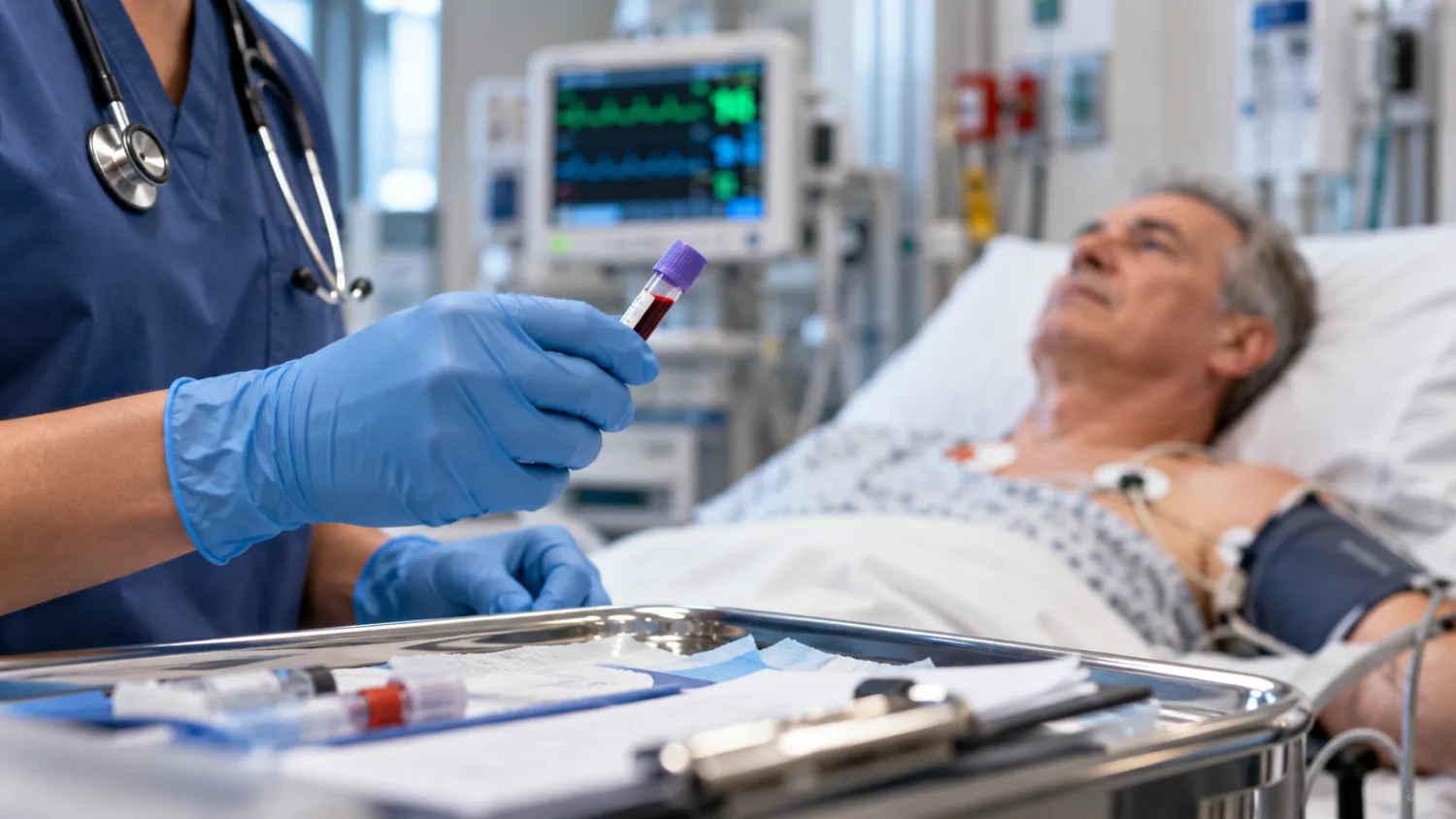
A well woman blood test is a private health check designed to give women a broader view of their health through blood markers. Depending on the panel, it may look at hormones, iron stores, thyroid function, vitamin levels, cholesterol, blood sugar, kidney function, liver function, inflammation and other markers that can affect energy, periods, fertility, menopause symptoms, weight, mood and long-term health risk.
For some women, a blood test is part of investigating symptoms such as fatigue, heavy periods, irregular cycles, hair shedding, low mood, poor sleep, weight changes, bloating, dizziness or low libido. For others, it is a proactive check: a way to understand baseline health, spot risk factors early, and decide whether lifestyle changes or GP follow-up are needed.
The value of a female health check is not just in the number of biomarkers. A large panel can be useful, but only if the results are interpreted properly. Blood tests can help identify iron deficiency, thyroid problems, vitamin deficiencies, diabetes risk, raised cholesterol, kidney or liver abnormalities, inflammation and some hormone patterns. They cannot diagnose every condition, replace cervical screening, replace breast screening, confirm or rule out all cancers, or explain every symptom on their own.
This guide explains what women can learn from a well woman blood test, which markers matter most, when private testing can be helpful, when NHS care is more appropriate, and what to do if your results come back abnormal.
Important: This article is for general information only and should not replace medical advice. If you have severe symptoms, symptoms that are worsening, abnormal bleeding, chest pain, severe shortness of breath, fainting, black stools, unexplained weight loss, a new breast lump, severe pelvic pain or symptoms that feel urgent, seek medical advice rather than relying on a private blood test.
What is a well woman blood test?
A well woman blood test is a blood panel aimed at women’s health. It may include general health markers as well as markers that are particularly relevant to women, such as iron stores, thyroid function, female hormones, vitamin D, B12, folate, cholesterol and blood sugar.
The phrase “well woman” can mean different things depending on the provider. Some tests focus mainly on hormones. Some are general health checks. Some are more advanced panels that combine hormones, nutrition, metabolic health and organ function. Before ordering one, it is worth checking exactly which biomarkers are included and whether the results come with clinical interpretation.
A well woman blood test may help you understand:
- whether iron deficiency or anaemia may be contributing to fatigue
- whether thyroid markers could explain weight change, tiredness or cycle changes
- whether vitamin D, B12 or folate are low
- whether cholesterol or blood sugar markers suggest future health risk
- whether kidney or liver markers need follow-up
- whether inflammation markers are raised
- whether hormone results fit your cycle stage, fertility questions or menopause context
All Health & Care readers can explore private testing options through Medichecks via All Health & Care. A broad option such as an Advanced Well Woman Blood Test may be useful if you want a more detailed female health overview, but it should still be used with a clear reason and a plan for follow-up.
If you are new to interpreting reports, start with How to Understand Blood Test Results and How to Understand Medical Test Results.
Who might benefit from a female health check?
A well woman blood test can be helpful when you want to investigate symptoms, check risk factors, or get a baseline before making lifestyle changes. It can also be useful if you feel that several small symptoms are adding up and you want a structured starting point.
You might consider a female health blood test if you have:
- persistent tiredness or low energy
- heavy periods or frequent periods
- irregular periods or missing periods
- hair shedding or brittle nails
- dizziness, weakness or feeling unusually breathless on exertion
- weight gain or unexplained weight loss
- cold intolerance, constipation or dry skin
- hot flushes, night sweats or sleep disturbance
- low mood, anxiety or brain fog
- low libido or vaginal dryness
- fertility concerns or cycle tracking questions
- symptoms that may overlap with PCOS
- a vegetarian, vegan or restricted diet
- a family history of diabetes, thyroid disease or high cholesterol
- a desire to check baseline health before a fitness, weight-loss or nutrition plan
It may also be useful during certain life stages. For example, women with heavy periods may want to check full blood count and ferritin. Women in midlife may want to check cholesterol, HbA1c, thyroid and vitamin D alongside a menopause discussion. Women planning pregnancy may want to review iron, thyroid, B12, folate and general health markers if symptoms or risk factors fit.
However, blood tests are not always the first or only step. If you have abnormal bleeding, pelvic pain, breast changes, severe fatigue, fertility problems, suspected pregnancy, symptoms of an eating disorder, severe depression or red-flag symptoms, speak to a GP or clinician.
Useful related guides include Fatigue: Why Am I Always Tired?, Heavy Periods: Causes, Tests and Treatment, Irregular Periods: Causes, Tests and When to Seek Help and Bloating: Common Causes and When to Worry.
What can a well woman blood test show?
A well woman blood test can show patterns across several areas of health. It is not a complete diagnosis, but it can help identify where to look next.
| Health area | Common markers | What they may help show |
|---|---|---|
| Blood count and anaemia | Full blood count, haemoglobin, red cells, MCV, MCH | Anaemia patterns, infection clues, platelet changes and blood cell abnormalities. |
| Iron stores | Ferritin, iron studies | Low iron stores, which may happen with heavy periods, pregnancy history, diet or gut issues. |
| Thyroid | TSH, free T4, sometimes free T3 and thyroid antibodies | Underactive or overactive thyroid patterns that may affect energy, weight, mood and periods. |
| Female hormones | FSH, LH, oestradiol, progesterone, prolactin, testosterone, SHBG | Cycle, ovulation, fertility, PCOS-related patterns, prolactin issues or menopause context. |
| Vitamins and nutrition | Vitamin D, B12, folate, sometimes magnesium | Deficiencies that may contribute to tiredness, aches, nerve symptoms or general wellbeing. |
| Metabolic health | HbA1c, glucose, cholesterol profile | Diabetes risk, prediabetes risk and cardiovascular risk factors. |
| Liver and kidney function | ALT, AST, ALP, GGT, bilirubin, creatinine, eGFR, urea, electrolytes | Organ function patterns, medication effects, dehydration clues or results needing follow-up. |
| Inflammation | CRP, ESR | Non-specific signs of inflammation, infection, injury or inflammatory conditions. |
The most useful results are not always the “abnormal” ones. Sometimes a normal thyroid result helps rule out one explanation for symptoms. A normal HbA1c may reassure you about diabetes risk. A low-normal ferritin might explain why you feel tired before anaemia appears. A cholesterol result may show that cardiovascular prevention deserves attention even if you feel well.
For a broader route through common markers, see Private Blood Test Costs in the UK and NHS vs Private Blood Tests.
Iron, ferritin and anaemia: why they matter for women
Iron status is one of the most important areas in women’s health blood testing. Women are more likely to become iron deficient because of periods, pregnancy, childbirth, breastfeeding, diet, gut conditions or blood loss. Heavy periods are a particularly common reason for low iron stores.
A full blood count can show whether you are anaemic. Ferritin helps show iron stores. This matters because ferritin can be low before haemoglobin drops. In other words, you can have low iron stores and feel tired, weak, dizzy, breathless on exertion or experience hair shedding even before classic anaemia appears.
Iron-related markers may help investigate:
- fatigue and low energy
- heavy periods
- restless legs
- hair shedding
- dizziness or feeling faint
- breathlessness on exertion
- frequent headaches
- pregnancy or postnatal depletion
- vegetarian or vegan diets
Low ferritin should not be ignored, but the cause matters. In menstruating women, heavy periods are a common explanation. In women without periods, after menopause, or where there are gut symptoms, black stools, blood in stool, unexplained weight loss or persistent abdominal symptoms, low iron stores need medical review.
Useful internal guides include Iron, Ferritin and Anaemia Blood Test Results Explained, Low Ferritin but Normal Haemoglobin, Full Blood Count Results Explained and Blood in Stool.
Female hormones, periods, fertility and menopause
Hormone blood tests are often the part of a well woman check that attracts the most attention. They can be useful, but they are also easy to overinterpret.
Female hormones change throughout the menstrual cycle. A result that is normal on one cycle day may mean something different on another day. Hormonal contraception, pregnancy, breastfeeding, perimenopause, menopause, PCOS, stress, low body weight, overtraining and some medicines can all affect results.
FSH, LH and oestradiol
FSH and LH are brain hormones that signal the ovaries. Oestradiol is a main form of oestrogen. These markers may be used in fertility assessment, suspected early menopause, missing periods or unclear hormone patterns.
In women over 45 with typical perimenopause or menopause symptoms, blood tests are often not needed to diagnose menopause. Symptoms and menstrual pattern are usually more useful than a single hormone result. FSH can fluctuate, especially during perimenopause, so a normal result does not always rule out perimenopause.
Progesterone
Progesterone can help show whether ovulation has happened, but timing is critical. It is often checked around seven days before an expected period, not always on a fixed “day 21” if your cycle is not 28 days. A poorly timed progesterone test can be misleading.
Prolactin
Raised prolactin can affect periods, ovulation, fertility and sometimes cause nipple discharge. It can rise temporarily because of stress, exercise, sex, poor sleep or some medicines. A high result may need repeating under controlled conditions.
Testosterone and SHBG
Women produce testosterone in smaller amounts than men. High testosterone or related markers may be considered when symptoms suggest PCOS, such as irregular periods, acne, excess facial or body hair, or scalp hair thinning. Low testosterone is sometimes discussed in relation to libido, but interpretation is specialist and depends heavily on symptoms and context.
For deeper reading, see Female Hormone Blood Test Results Explained, Fertility Blood Tests Explained, Menopause Blood Tests Explained, PCOS: Symptoms, Diagnosis and Treatment and Low Libido in Women.
Thyroid, vitamins and nutrition markers
Many women order health checks because they feel tired, cold, low, foggy, achy or generally unlike themselves. Thyroid and nutrition markers can be useful in this situation, but results need context.
Thyroid function
Thyroid tests commonly include TSH and free T4. Some panels include free T3 and thyroid antibodies. An underactive thyroid can overlap with fatigue, weight gain, feeling cold, constipation, dry skin, low mood, heavy or irregular periods and fertility issues. An overactive thyroid can overlap with weight loss, palpitations, anxiety, heat intolerance, sweating, tremor and lighter or irregular periods.
Thyroid results can also be affected by pregnancy, illness, medication and supplements such as biotin. If results are abnormal, borderline or do not match symptoms, a GP or clinician may repeat them.
Vitamin D
Vitamin D is important for bone and muscle health. Low levels are common in the UK, especially in autumn and winter, in people with darker skin, those who cover most of their skin outdoors, people who spend little time outside and people with absorption problems.
Low vitamin D may be relevant to bone pain, muscle aches, low mood, fatigue or fracture risk, although symptoms are not specific. Testing can be useful if deficiency is suspected or if you are monitoring treatment.
B12 and folate
B12 and folate are important for red blood cell production, nerve function and energy metabolism. Low B12 may cause tiredness, pins and needles, mouth ulcers, memory problems, balance issues or anaemia patterns. Risk may be higher with vegan diets, pernicious anaemia, gut conditions or some medications.
Useful guides include Thyroid Blood Test Results Explained, Vitamin D Blood Test Results Explained, B12 and Folate Blood Test Results Explained, Numbness and Tingling and Could a Thyroid Problem Be Affecting Your Weight?.
Cholesterol, HbA1c and long-term health risk
A well woman blood test is not only about current symptoms. It can also help identify longer-term risk factors, especially cholesterol and blood sugar.
Cholesterol
Cholesterol results may include total cholesterol, LDL cholesterol, HDL cholesterol, non-HDL cholesterol and triglycerides. These markers help assess cardiovascular risk, especially when combined with age, blood pressure, smoking, diabetes risk, kidney disease and family history.
Women may underestimate heart and stroke risk, especially if they see cardiovascular disease as a “male” problem. Risk can change after menopause, with age, weight gain, high blood pressure, diabetes, smoking, kidney disease, inflammatory conditions and family history.
HbA1c and blood sugar
HbA1c reflects average blood sugar over the previous two to three months. It can help identify diabetes or prediabetes risk. This may be relevant if you have family history, PCOS, previous gestational diabetes, weight gain, increased thirst, frequent urination, recurrent infections or fatigue.
HbA1c can be less reliable in some blood conditions or anaemia patterns, so it should be interpreted with the rest of the picture.
See Cholesterol Blood Test Results Explained, HbA1c and Blood Sugar Results Explained, High Cholesterol: Causes and Treatment, What Is Prediabetes and Can It Be Reversed? and Cardiovascular Risk: The Complete Guide.
Kidney, liver and inflammation markers
Kidney, liver and inflammation markers are often included in broader health check panels. They may not feel specifically “women’s health” related, but they can be important for overall wellbeing and safe follow-up.
Kidney function
Kidney markers may include creatinine, eGFR, urea and electrolytes such as sodium and potassium. These can be affected by hydration, medication, muscle mass, supplements, blood pressure, diabetes and kidney disease.
Abnormal kidney or potassium results should not be ignored. Sometimes a result needs repeating because of sample issues or dehydration. Sometimes it needs GP review.
Liver function
Liver markers may include ALT, AST, ALP, GGT, bilirubin, albumin and total protein. Abnormal results can be linked with fatty liver, alcohol, medication, supplements, bile duct problems, viral infections, muscle injury or other causes.
Women using supplements for weight loss, hormones, menopause, gym performance or “detox” should be cautious. Natural products can still affect the liver or interact with medicines.
Inflammation markers
CRP and ESR are non-specific inflammation markers. They can rise with infection, injury, inflammatory conditions, autoimmune disease and sometimes other health issues. They do not tell you the exact cause by themselves.
If inflammation markers are raised and you have fever, night sweats, weight loss, persistent pain, swollen joints, bowel changes or new symptoms, speak to a GP.
Useful related guides include Kidney Blood Test Results Explained, eGFR and Creatinine Results Explained, Liver Function Test Results Explained, ALT, AST, ALP and GGT Liver Results Explained, CRP and Inflammation Blood Test Results Explained and ESR Blood Test Results Explained.
What a well woman blood test cannot tell you
A well woman blood test can be useful, but it has limits. It is not a complete women’s health screen, and it should not be marketed or understood as one.
A blood test cannot:
- replace cervical screening
- replace breast screening or breast examination
- rule out all cancers
- diagnose endometriosis on its own
- diagnose fibroids on its own
- show whether your fallopian tubes are open
- replace semen analysis when assessing fertility as a couple
- diagnose menopause reliably in all women from one hormone result
- explain every case of fatigue, pain or low mood
- replace a GP appointment if symptoms are concerning
Some conditions need examination, imaging, swabs, urine tests, stool tests, cervical screening, ultrasound, referral or specialist assessment. For example, heavy bleeding may need pelvic examination, ultrasound or gynaecology review. Bloating with red flags may need bowel or ovarian cancer assessment. Breast changes need breast clinic pathways, not a general blood test.
Blood tests are best seen as one part of the picture. They can point you in a useful direction, but they should not create false reassurance.
See Endometriosis: Symptoms, Diagnosis and Treatment, Fibroids: Symptoms, Heavy Bleeding and Treatment, CA125 Blood Test Results Explained and Colonoscopy: Preparation, Procedure and Sedation.
NHS vs private well woman blood tests
NHS blood tests are usually arranged when there is a clinical reason. For example, a GP may arrange tests for fatigue, heavy periods, thyroid symptoms, suspected anaemia, diabetes risk, fertility concerns or medication monitoring. The NHS may also offer health checks to eligible adults, depending on age, location and criteria.
Private well woman blood tests can be useful when you want faster access, a broader panel, a proactive baseline or a convenient check. But private testing also comes with responsibility. You need to understand what is being tested, whether the sample method is suitable, and who will interpret the results.
Before ordering a private female health check, ask:
- Which biomarkers are included?
- Is the test venous or finger-prick?
- Does timing matter for hormone markers?
- Do I need to fast?
- Will I receive doctor comments?
- What happens if a result is significantly abnormal?
- Will I need to pay extra for sample collection?
- Is this test suitable for my symptoms?
- Could pregnancy, contraception, HRT or medication affect the results?
- Will my GP need to repeat results before acting on them?
Venous blood testing is often preferable for broad panels because it provides a larger sample and reduces some sample quality problems. Finger-prick tests can be convenient for selected markers, but they are more vulnerable to collection issues.
For more detail, see Finger-Prick vs Venous Blood Tests, At-Home Blood Test Kits: Are They Accurate?, Private Blood Test Costs in the UK and What to Do After Abnormal Private Blood Test Results.
When to seek medical advice
A well woman blood test may help you decide what to do next, but some symptoms should be discussed with a GP even if you are planning private testing.
Speak to a GP or clinician if you have:
- very heavy periods or bleeding between periods
- bleeding after sex
- bleeding after menopause
- persistent pelvic pain
- new bloating that is persistent or worsening
- unexplained weight loss
- black stools or blood in stool
- a new breast lump, nipple discharge or skin change
- severe fatigue that does not improve with rest
- fainting, chest pain or severe breathlessness
- missed periods with possible pregnancy
- irregular periods with acne or excess hair growth
- symptoms of depression, severe anxiety or thoughts of self-harm
- significantly abnormal blood test results
- abnormal kidney, liver, calcium, potassium or blood count results
Seek urgent help if you have severe chest pain, severe shortness of breath, collapse, signs of stroke, heavy bleeding with dizziness or fainting, severe abdominal pain, confusion, vomiting blood, black stools or symptoms that feel like a medical emergency.
The bottom line is that well woman blood tests can be useful when they are used thoughtfully. They can help women understand iron stores, anaemia, thyroid function, vitamin status, cholesterol, blood sugar, kidney and liver markers, inflammation and some hormone patterns. But they are not a substitute for screening, symptom review or clinical judgement.
The best approach is to test for a clear reason, choose a suitable panel, interpret results with symptoms and life stage, and follow up abnormal or worrying results with a qualified clinician.
Frequently asked questions
What is a well woman blood test?
A well woman blood test is a female health blood panel that may check hormones, full blood count, iron stores, thyroid function, vitamin levels, cholesterol, blood sugar, kidney function, liver function and inflammation markers.
What can women learn from a female health check?
Women may learn whether fatigue, heavy periods, thyroid symptoms, vitamin deficiency, cholesterol risk, blood sugar risk or hormone patterns need attention. The results should be interpreted with symptoms and medical history.
Are well woman blood tests worth it?
They can be worth it if they answer a clear question, include useful markers and come with proper interpretation. They are less useful if ordered without a plan or treated as a complete health screen.
What blood tests are useful for tiredness in women?
Useful tests may include full blood count, ferritin, thyroid function, vitamin D, B12, folate, HbA1c, liver function, kidney function and inflammation markers, depending on symptoms.
Can a blood test show why my periods are heavy?
Blood tests can show anaemia or low iron stores caused by heavy bleeding. They may also check thyroid function or clotting in selected cases. However, heavy periods may need pelvic assessment, ultrasound or gynaecology review.
Can a well woman blood test diagnose menopause?
Not usually on its own. In women over 45 with typical symptoms, menopause and perimenopause are usually diagnosed from symptoms and menstrual pattern rather than routine hormone tests.
Can hormone blood tests diagnose PCOS?
Hormone tests can help assess PCOS-related patterns, but PCOS diagnosis usually considers symptoms, cycle pattern, androgen signs, blood tests and sometimes ultrasound. Other causes may need to be excluded.
Should I test hormones if I am on the pill?
Hormonal contraception can affect hormone results and may make some tests difficult to interpret. Tell the testing provider or clinician before ordering hormone tests.
Can a well woman blood test check fertility?
It can provide clues, such as AMH, FSH, LH, oestradiol, progesterone, prolactin or thyroid markers if included. But fertility assessment may also need cycle history, ultrasound, ovulation tracking, tubal assessment and semen analysis.
Does normal blood work mean I am healthy?
Normal results are reassuring, but they do not rule out every condition. Some problems need examination, imaging, screening, urine tests, stool tests, swabs or specialist assessment.
What is ferritin and why is it important for women?
Ferritin reflects iron stores. It can be low in women with heavy periods, pregnancy history, restricted diet or gut issues. Low ferritin may contribute to tiredness, hair shedding, dizziness or poor exercise tolerance.
Can blood tests show vitamin deficiency?
Yes, some panels check vitamin D, B12 and folate. These can be relevant to fatigue, nerve symptoms, anaemia patterns, bone health and general wellbeing.
Should women check cholesterol?
Cholesterol testing can help assess cardiovascular risk. This is relevant with age, family history, high blood pressure, diabetes risk, menopause, smoking, kidney disease or previous pregnancy-related complications.
Can blood tests check diabetes risk?
HbA1c can help assess diabetes or prediabetes risk. It may be especially relevant with family history, PCOS, previous gestational diabetes, weight gain, thirst, frequent urination or recurrent infections.
Is venous testing better than finger-prick for well woman panels?
Venous testing is often better for broad panels because it provides more blood and reduces some sample quality problems. Finger-prick testing may be convenient for selected markers.
Can I take private blood test results to my NHS GP?
Yes, but your GP may repeat tests through NHS pathways before acting on them, especially if results are abnormal, borderline or clinically important.
What should I do if my well woman blood test is abnormal?
Check how abnormal it is, whether sample timing could matter, and whether you have symptoms. Contact the testing provider, GP or a qualified clinician if results are significant, persistent or worrying.
Can a well woman blood test detect cancer?
A general blood test cannot rule out cancer. Some markers may raise concern, but symptoms such as unexplained weight loss, persistent bloating, bleeding after menopause, blood in stool or a breast lump need medical review.
How often should women have blood tests?
There is no single rule. Some women only need blood tests when symptoms arise. Others may need monitoring for known conditions, medication, pregnancy-related issues, menopause care or cardiovascular risk.
What is the best well woman blood test?
The best test depends on your reason for testing. A useful panel should match your symptoms, life stage and risk factors, use a suitable sample method, and include clear interpretation and follow-up advice.